





 Portuguese
  English
  Spanish
  4 min of reading
  0 comments


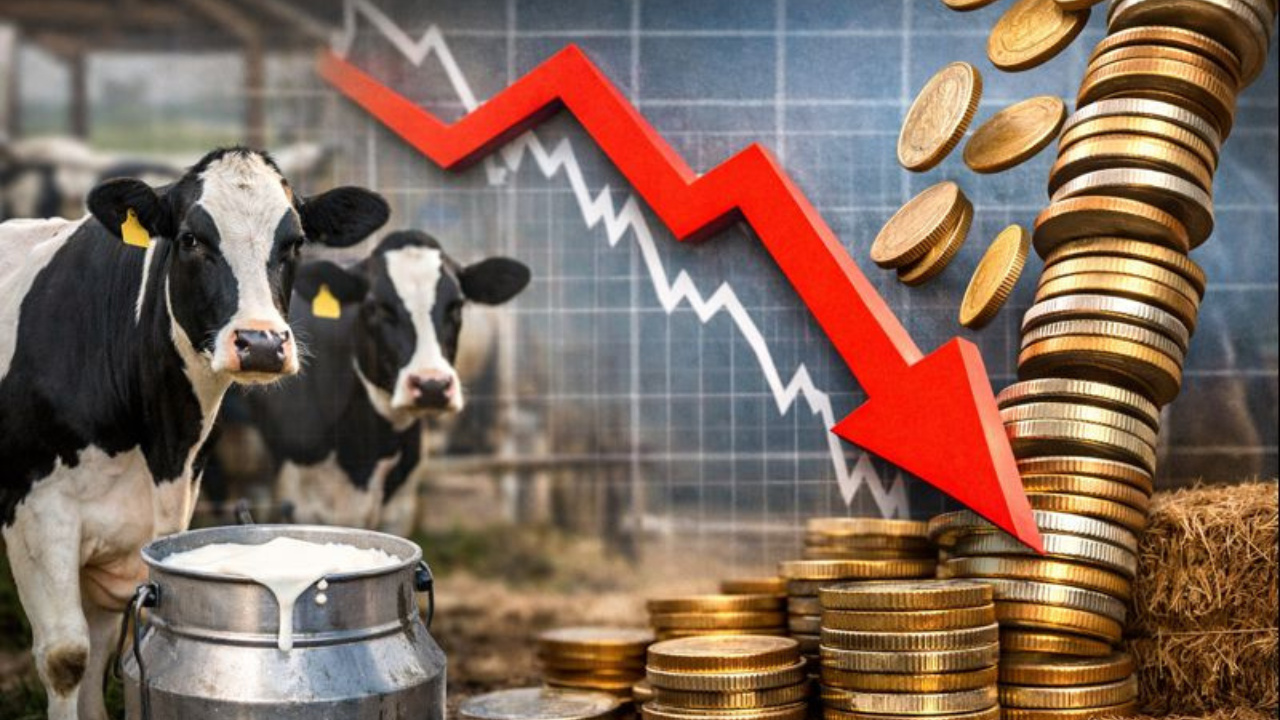
With Tight Margins, Cattle Ranchers Hold Milk Production While Dairy Imports Continue to Press Prices.
The accumulated drop of more than 18% in the price of milk for producers, recorded in the last 12 months, is leading cattle ranchers in Brazil to reassess investment plans and hold back the advance of milk production in 2026.
The movement is occurring nationwide and reflects a scenario of tightened margins, more moderate domestic consumption, and increased dairy imports, factors that help explain the sector’s new stance.
After a positive first half of 2025, the market changed direction in the second half of the year.
-
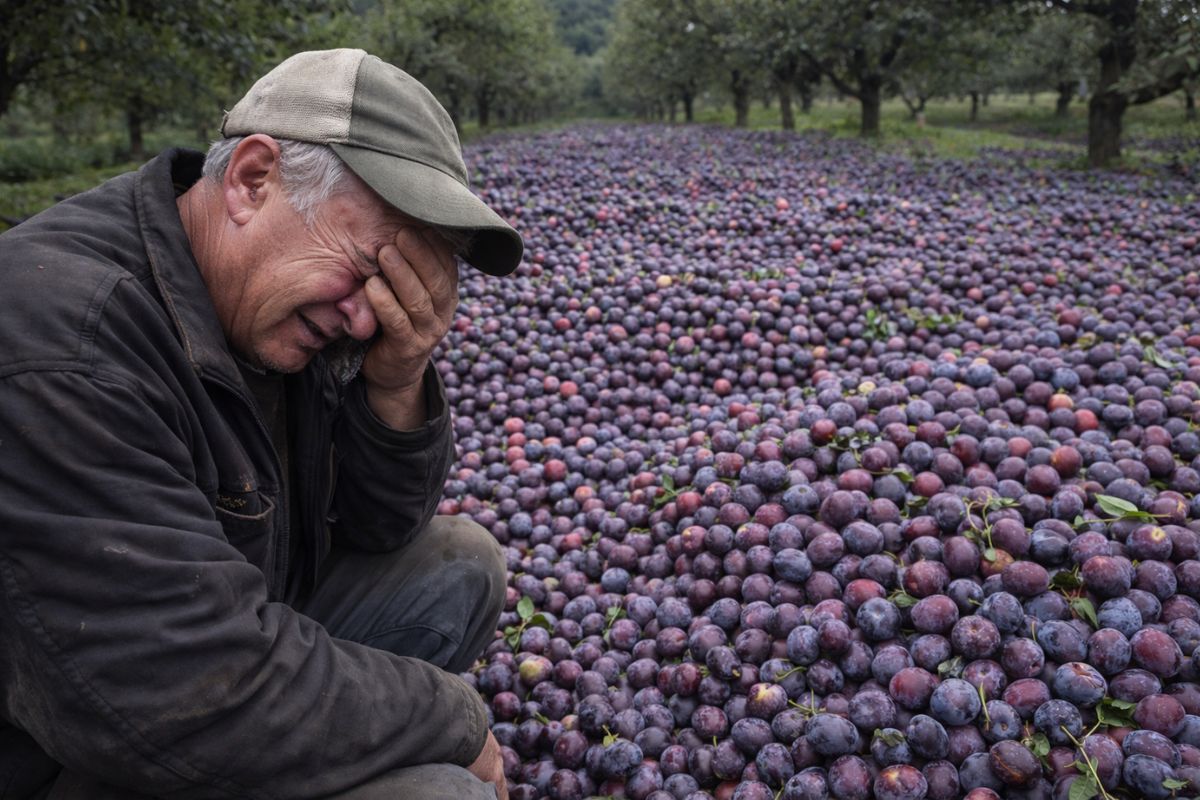
A rural producer from Urubici cries as he shows 50 tons of plums thrown on the ground because no one wanted to buy them, and in desperation, he records a video asking anyone to come to the property to pick the fruits before they rot.
-
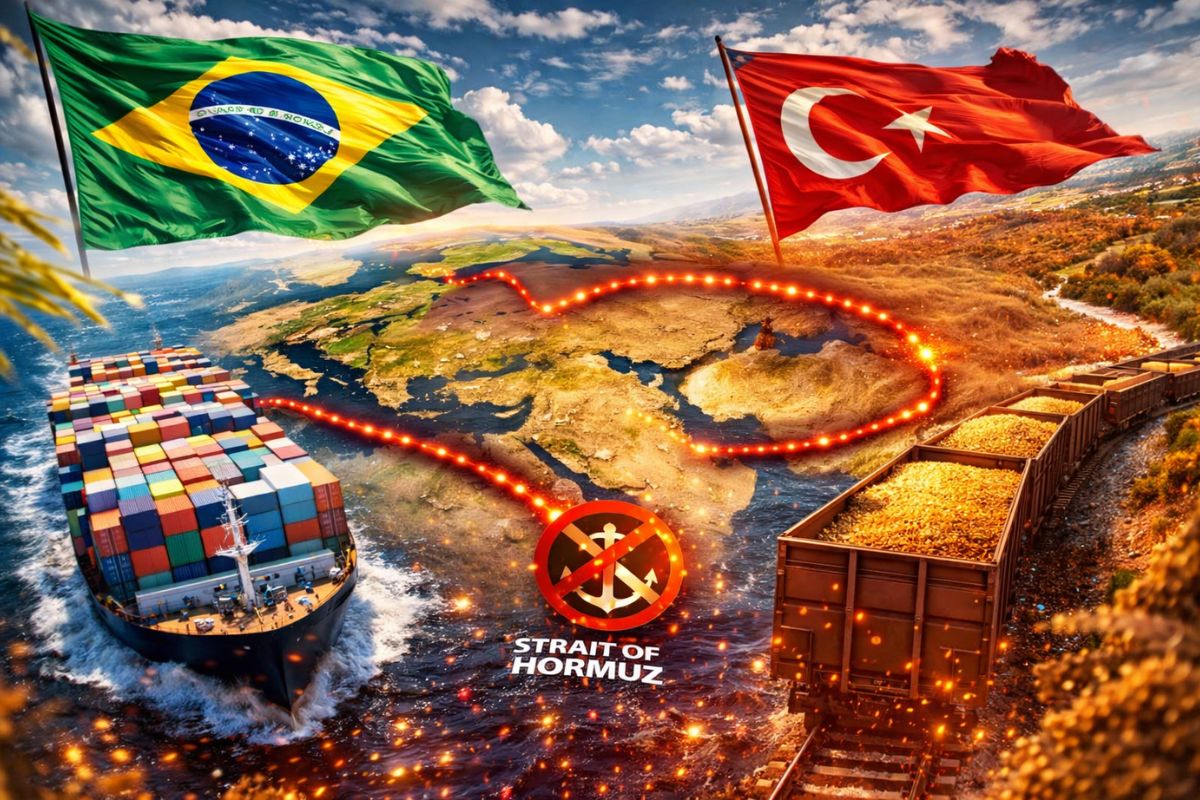
Unable to pass through Hormuz, Brazil activated a plan B that uses Turkey as a gateway to the Middle East: the route through Gibraltar and the Mediterranean is longer and more expensive but ensures that chicken, beef, and corn continue to reach Arab markets.
-
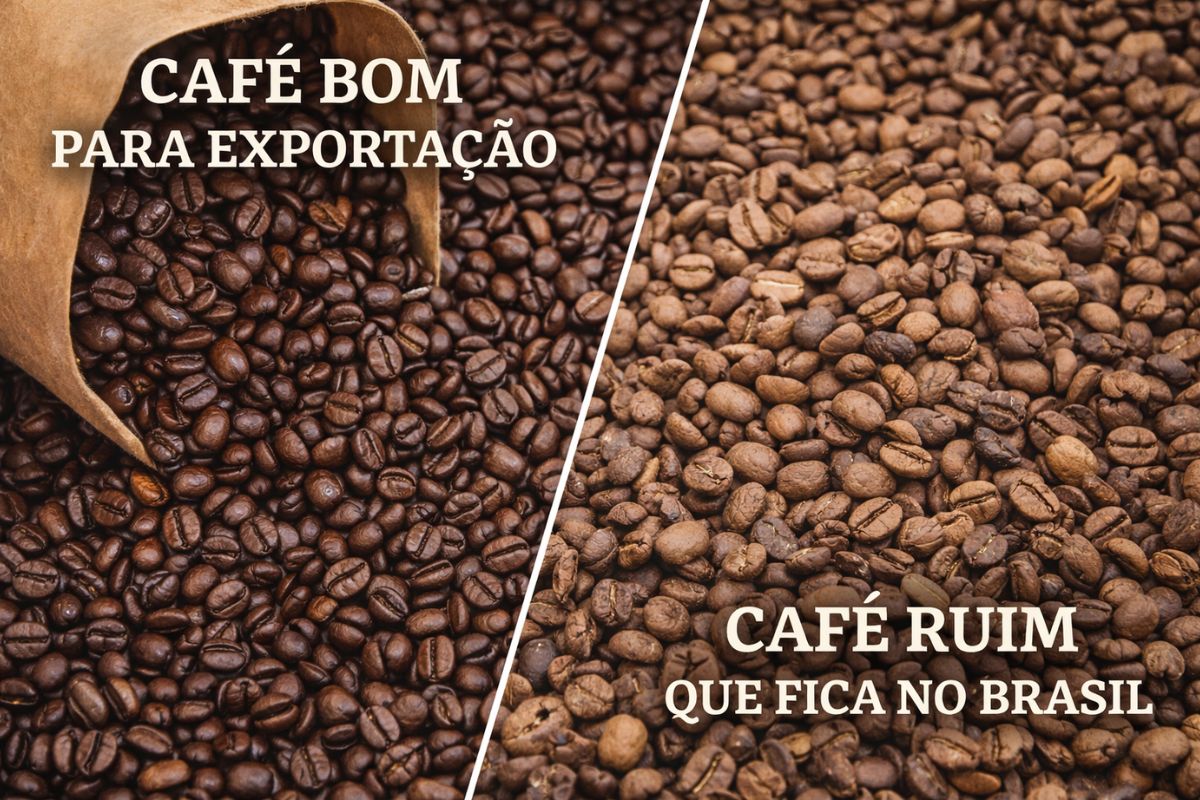
You grew up hearing that the good coffee from Brazil goes all abroad and the bad coffee stays for Brazilians, but this story has completely changed, and the numbers show that in the 1980s, thirty percent of the coffee sold here was adulterated with corn and barley.
-
Engineer creates reforestation method that transforms small plots into dense forests in a few years using local biomass and can reduce environmental recovery costs.

The retraction in prices paid for raw materials began to directly affect the producer’s margin, leading analysts to project a more restrained growth of production in the next cycle.
Producer Margin Enters Alert With Prices at Lowest Levels Since 2021
According to Natália Grigol, a researcher at the Center for Advanced Studies in Applied Economics (Cepea), the sector begins 2026 in a more cautious environment.
“The production sector is expected to start the year in a climate of more caution and tighter margins.
The prices [for producers] are at their lowest levels since 2021, which should lead to a containment in investments,” she states.
According to the researcher, the expectation of GDP growth around 2% next year points to a less heated domestic consumption.
Furthermore, the electoral calendar adds instability to the macroeconomic scenario, which reinforces the defensive stance of cattle ranchers.
In this context, Cepea projects that the industrial collection of milk will grow between 2% and 2.5% in 2026, well below the nearly 7% increase recorded in 2025.
Milk Production Loses Strength After Stimulus in 2025
Analyst Juliana Pila from Scot Consultoria explains that the significant advancement of milk production in 2025 was primarily driven by the drop in input costs, especially for corn.
This scenario favored investments in herd nutrition and expanded the milk supply in the market.
However, for 2026, the environment is different. With the drop in the price of milk, producers are likely to reduce spending and slow production.
“In 2025, the year began with a very positive remuneration for producers, and 2026 starts with producers facing tighter margins,” she assesses.
Investments Made in 2024 Aggravate Pressure on Cattle Ranchers
In the evaluation of Geraldo Borges, president of the Brazilian Association of Milk Producers (Abraleite), the current situation is aggravated by investments made in 2024 when the scenario was favorable.
“We see producers, even simpler individuals saying they are selling lunch to buy dinner.
Those who made investments and financing are struggling to meet their commitments,” he states.
The direct impact falls on the producer’s margin, which has been squeezed by the combination of low prices, still significant costs, and increased competition in the domestic market.
Dairy Imports Increase Pressure on the Domestic Market
Despite the difficulties, experts avoid classifying the moment as a structural crisis. According to Valter Galan, partner at Milkpoint, the problem lies in the mismatch between supply and demand.
“Conceptually, a sector in crisis does not grow at 7%. We have serious information flow problems throughout the production chain, but I don’t think it’s exactly a crisis,” he states.
According to Galan, production is growing at a much higher rate than consumption.
“We are in a tough moment because we are growing 7% in production while demand is growing 2%. So the math doesn’t add up,” he explains.
In this scenario, dairy imports have begun to be seen as an aggravating factor.
The sector is awaiting anti-dumping measures against products from Argentina and Uruguay, while states like Santa Catarina and Goiás have already prohibited the reconstitution of imported powdered milk for sale as fluid milk.
Decline in Imports Is Still Insufficient, Assesses Sector
Data from the Embrapa Dairy Intelligence Center (CILeite) indicate that dairy imports fell 13.2% in the accumulated 12 months up to November.
Despite this, Natália Grigol emphasizes that imported products still represent about 10% of national production, double what was recorded three years ago.
According to Borges from Abraleite, this reduction is still far from solving the problem.
“There needs to be a drastic drop in imports, of at least 50%, and even then the volume would be well above the historical average,” he states.
Sector Calls for Structural Measures and Focus on Exports
Aware of the limitations of anti-dumping measures, Abraleite also demands structural actions to increase the sector’s competitiveness.
The proposal is to make milk a self-sufficient and exporting chain, capable of absorbing surpluses without putting pressure on the domestic market.
“We have the example of several large exporting chains, and milk needs to enter this group of self-sufficient chains that produce what the country needs but also export surpluses bringing foreign exchange to Brazil,” concludes Borges.








-

-

2 pessoas reagiram a isso.