





 English
  Francês
  Alemão
  Italiano
  Japonês
  Norueguês
  Portuguese
  Spanish
  3 min of reading


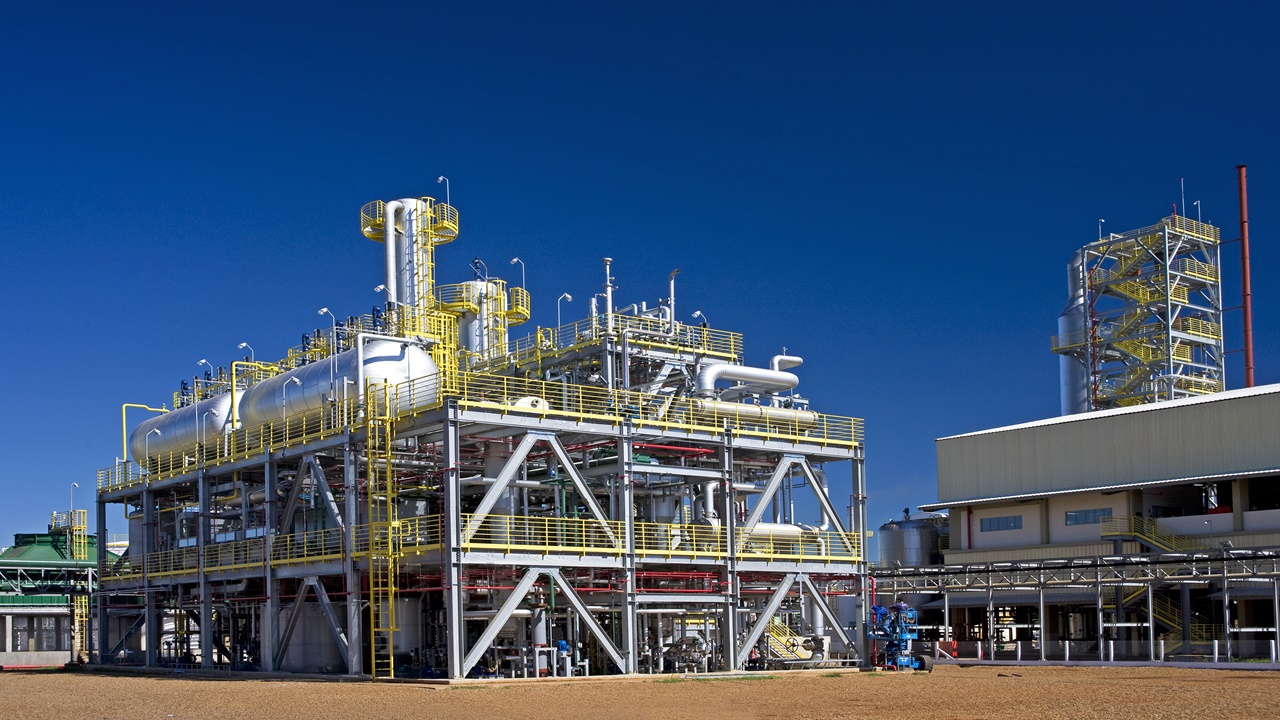
Soybean Oil Price Plummets with Reduction of Biodiesel Blend in Diesel, Chinese Demand, U.S. Stocks, and Decline of Palm Oil in Malaysia
The price of soybean oil has dropped sharply in nearly six weeks, after the Ministry of Mines and Energy (MME) temporarily reduced the amount of biofuel mixed with diesel from 13% to 10% due to rising fuel prices.
Read Also
- Gasoline and Diesel Prices Keep Rising and Get More Expensive Starting Today (04/16) After Petrobras’ New Refinery Adjustment
- Ethanol Price Shoots Up Along with Gasoline; Sugar and Exports Make Biofuel More Expensive
- Ethanol Production Plummets and Mills Increase Sugar Production Due to Low Cane Prices
- Direct Sale of Ethanol from Mills Will Stimulate Competition and Curb Gasoline Price Increase at Fuel Stations
- Ethanol and Gasoline Prices Skyrocket, Petrobras Increases CNG by 39%, and Adjustment May Impact the Finances of Brazilians Even More in the Coming Weeks
Brazil, the country with the largest soybean planting, sees diesel required to temporarily contain 10% biodiesel. Previously, the blend was 13%.
The Brazilian government aims to reduce price increases caused by Chinese demand and tight U.S. stocks. Vegetable oil accounts for about 70% of Brazilian biodiesel.
-
While Russia dominates the global wheat market, Brazil emerges as an unexpected competitor in the Cerrado, offering grain available in July and August when stocks in the Northern Hemisphere are at their lowest point of the year.

-
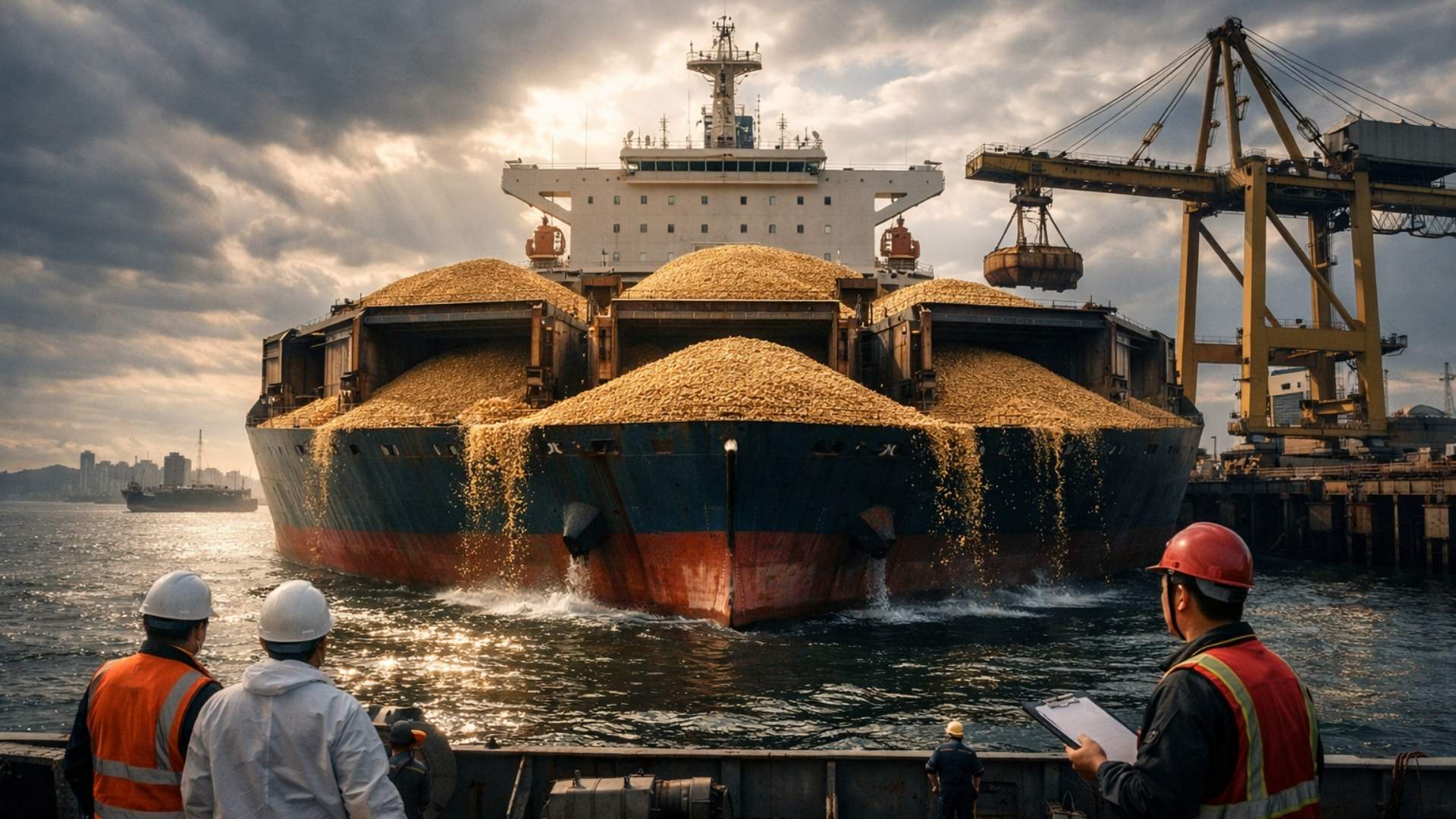
China returned almost 20 Brazilian ships with soybeans, but now everything could change: the country that buys 80% of the grain is considering relaxing regulations after impurities held up shipments of thousands of tons and caused million-dollar losses.
-
Chinese giant worth nearly R$ 4 billion that manufactures cables for electric cars, solar energy, and robotics wants to open a factory in SC.

-
Many employers do not know, but the law guarantees domestic workers a 25% increase in salary during trips, 50% for overtime, 20% for night shifts, and 17 additional benefits that can lead to labor lawsuits if not paid.


The policy change “may return some acres to the export program at the moment when the new crop supply from the country enters the market,” said Rich Nelson, chief strategist at Allendale, via email.
Palm Oil Decline in Malaysia Also Affects Soybean Oil Price
The decline of palm oil in Malaysia, amid an unexpected supply surplus, has also affected soybean oil prices. Palm oil is a substitute for soybean oil, and both are widely used for cooking and as fuel. One additional factor is a report projecting a larger Brazilian harvest, Nelson said.
In 2020, the price drop interrupted a rally driven by a broader global vegetable oil shortage that pushed soybean oil up by over 80%.
Statement from the Ministry of Agriculture on the Reduction of Biodiesel Blend
Despite the expectation that the Brazilian soybean harvest, one of the main raw materials for biodiesel, will grow to approximately 136 million this year, the global market continues to face strong demand, which has led to a temporary reassessment of the blend percentage in fuels, according to a joint statement from the ministry with the Ministry of Agriculture.
The other ministries added that the government supports the biodiesel program and expects the return of the blend utilization to the levels established by the National Energy Policy Council. The 13% blend in fuels took effect in March, with a one percentage point increase compared to the previous level.
MME Had Previously Reduced the Blend in Fuels
This is not the first time the government has temporarily reduced the blend in diesel; however, the difference is that our country, while being one of the largest producers and exporters of soy, is in the harvesting phase with large stocks. In August, the country was in the off-season when the ANP canceled a bid.
At that time, the Minister of Mines and Energy (MME), Bento Albuquerque, announced the reduction of the blend in diesel, citing problems in soybean availability. Brazilian biodiesel has soy oil as its largest raw material component, accounting for approximately 71%, with the remainder made up of beef tallow and other oils.
Petrobras announced last Friday a 2.2% cut in diesel prices at its refineries, or R$ 0.08 per liter. This cut aligns with the variation in international prices and the drop in the dollar. In addition to biofuel, another pressure factor on the fuel is the end of the federal tax exemption period in May.








Seja o primeiro a reagir!