





 English
  Francês
  Alemão
  Italiano
  Japonês
  Norueguês
  Portuguese
  Spanish
  3 min of reading
  0 comments


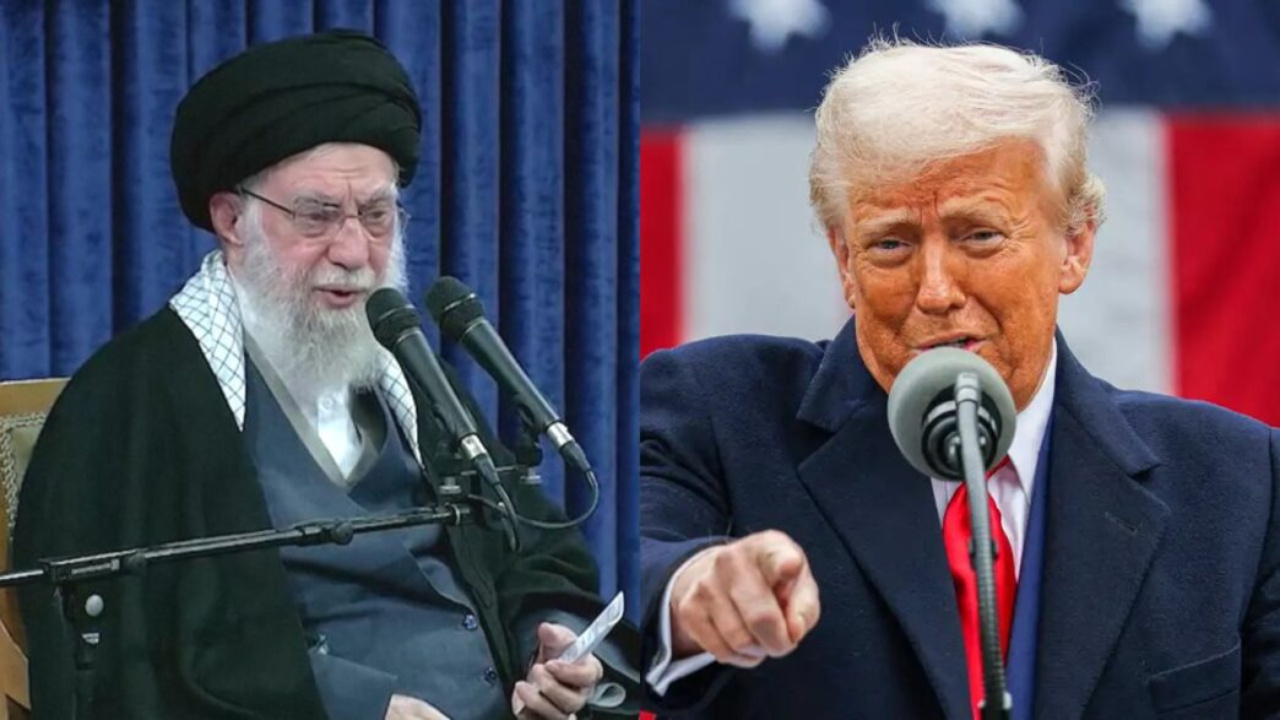
Oil Prices React In Real Time To Negotiations Between Iran And The US. Expert Explains How Geopolitical Risk, Sanctions, And Tension In The Strait Of Hormuz Impact The Market.
Oil prices have returned to the global radar. And this time, the reason is not just supply or demand. The negotiations between the United States and Iran have reignited uncertainties involving sanctions, the nuclear program, and stability in the Middle East.
The market tracks every move. Every public statement. Every sign of hardening or truce. It is not necessary for the flow of oil to be interrupted for prices to change. The mere possibility of disruption is enough. And that, in itself, already triggers immediate reactions.
Geopolitical Risk Is Priced In Real Time
According to economist Natalie Verndl, investors’ behavior follows a clear logic: constant anticipation.
-
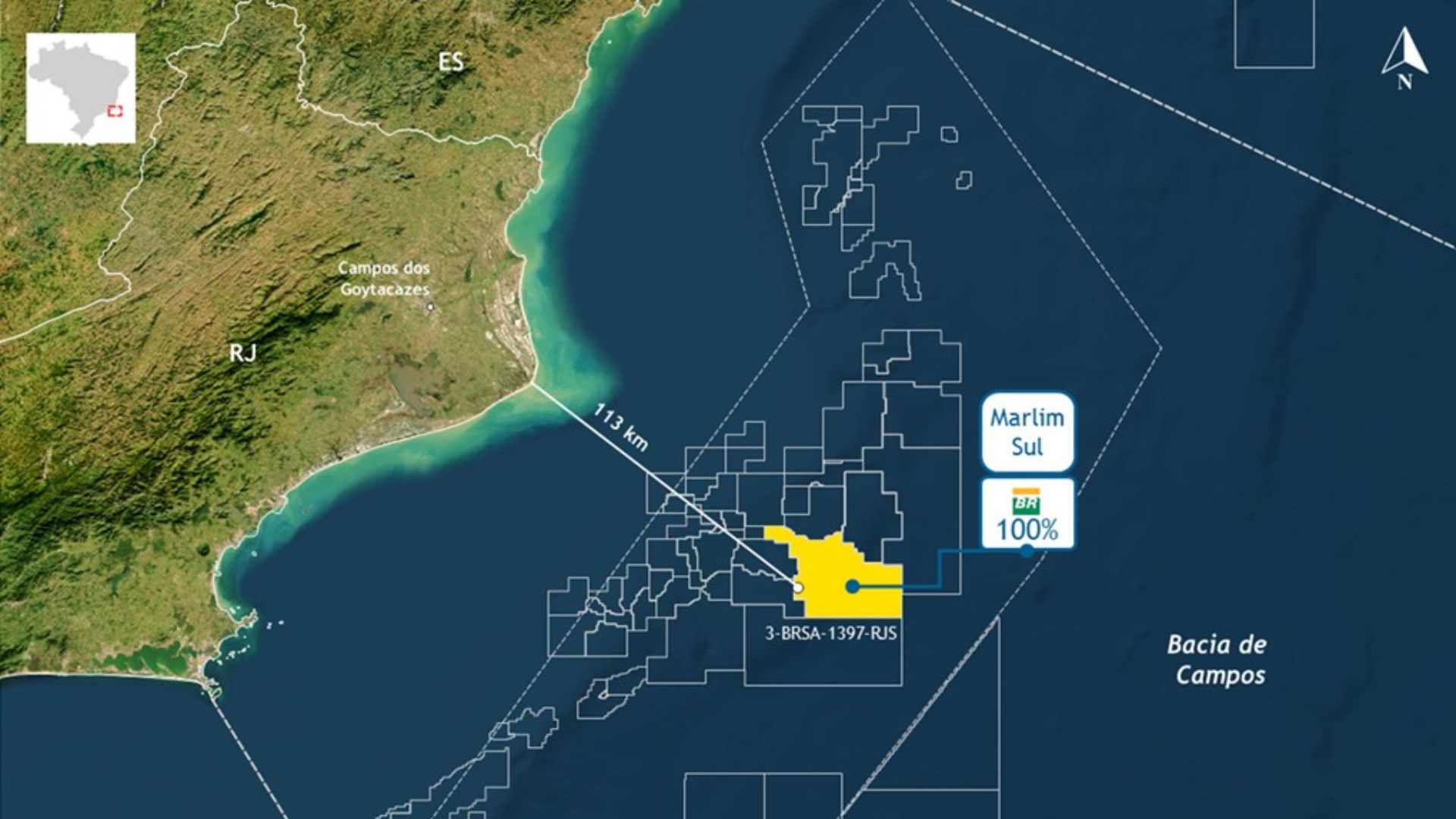
Petrobras announces new oil discovery in the pre-salt of the Campos Basin and reinforces Brazil’s prominence with high-quality reserves that can increase production and energy revenues.
-
Alert in the fuel market: Analysts and a former director of ANP warn that oil prices may worsen in the coming months due to global instability.

-
Ocyan brings executives and digital solutions to Macaé Energy 2026 and highlights offshore expansion with Nexio and a new base in Macaé.

-
Petrobras advances 4.6% with rising oil prices and the dollar, reigniting the debate on macro risks, pricing policy, and fiscal impact in Brazil.

“Geopolitical risk is priced in real time.”
In practice, this means that the market does not wait for the crisis to happen. If there are signs of new sanctions against Iran or harsher statements from American authorities, stock markets and commodities react almost instantaneously.
It is as if the financial system operates in a state of permanent alert. Small noises generate large adjustments. Investors adjust positions rapidly. And oil prices feel the impact.
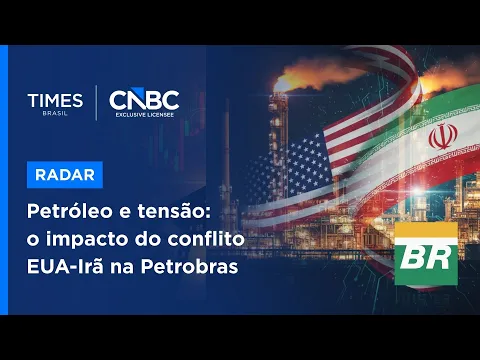

Strait Of Hormuz Heightens Tension And Pressures The Market
At the center of concerns is the strategic Strait of Hormuz. A significant portion of the world’s oil passes through there. Any threat of blockage or restriction is enough to trigger a global alert.
Natalie highlights three main factors that elevate tension:
- Possibility of harsher sanctions
- Shock to global oil supply
- Escalation of nuclear tension involving Iran
On the other hand, the fact that Tehran shows willingness to negotiate helps, at least temporarily, to reduce the risk of a deeper crisis. Still, the scenario remains fragile.
Why Did Oil Prices Decline Despite Uncertainties?
Interestingly, despite the tensions, oil recently registered a decline. According to the economist, the market is trying to “deflate” the negotiations ahead of a definitive outcome.
In other words, investors adjust inventories and positions in advance. Thus, they seek to protect themselves from both a possible agreement and a worsening of the conflict.
Moreover, the domestic scenario in Brazil also influences investor sentiment. High interest rates and the dollar around R$ 5 make investments in emerging markets more sensitive to external shocks.
When Risk Becomes Routine, Volatility Increases
There is also an important point. When geopolitical risk becomes frequent, it starts to be treated almost as a fixed cost. The investor learns to cope with instability.
However, this brings practical effects. Decisions become shorter. Volatility increases. And capital becomes more selective, moving rapidly between countries and sectors.
In this context, oil ceases to be just a commodity. It becomes a thermometer of global tension. And any advance or setback in negotiations between Iran and the United States can affect prices, markets, and even the value that reaches the end consumer.








-

-

2 pessoas reagiram a isso.