





 Português
  Inglês
  Espanhol
 5 min de leitura
  0 comentários



The Price Of Tomatoes Fell In The First Fortnight Of September, According To The Conab Report, Which Also Detailed Onion, Potato, Lettuce, Carrot, Fruits And Exports. The Report Shows Variations In Average Prices, Market Trends And Relevant Data From The Main Supply Centers In Brazil
The price of tomatoes decreased in the first fortnight of September, according to data from the 9th Horticultural Bulletin 2025 of the National Supply Company (Conab) and a news article published.
This information drew attention for confirming that the downward trend had already occurred in August, when the average prices of tomatoes were 19.86% lower than those practiced in July.
The Conab survey was released on September 23 and gathered information from the main Supply Centers (Ceasas) in the country.
-
Alone, the producer applies 7,400 hectares with the T100 drone in an optimized structure, replaces the generator with a silent battery, and demonstrates how technology reduces costs, increases productivity, and even challenges the uniport in the field.

-
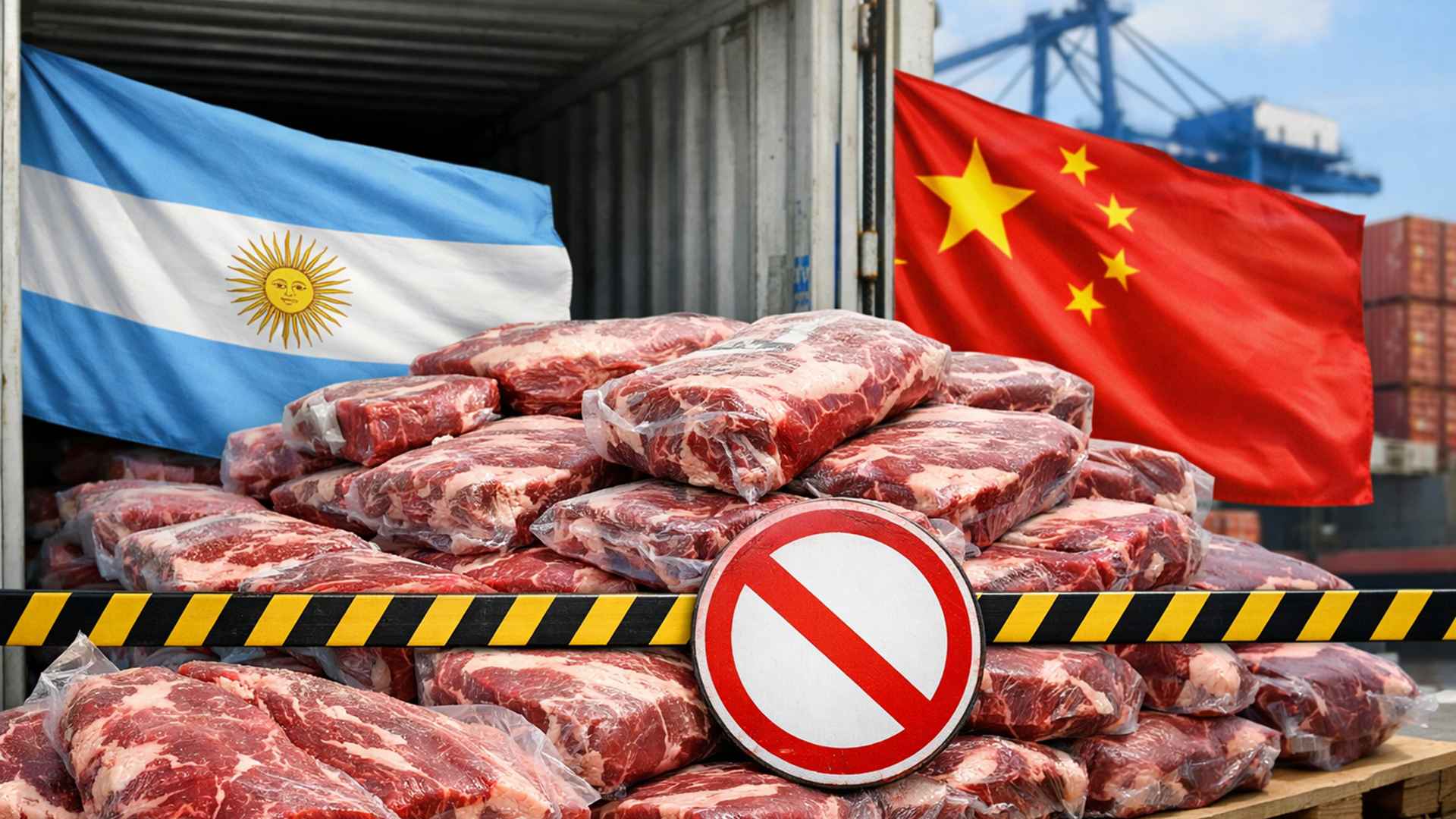
China banned the export of 22 tons of meat from Argentina.
-
JBS, founded by the Batista brothers, continues to conquer the world: entrepreneurs built a ‘factory in the desert’ creating 3,000 jobs.

-
With only 1% of Brazil’s territory, Santa Catarina has built one of the most competitive industrial parks in the country, with 64,000 companies, nearly 1 million jobs, and a growth rate of 5.3% while the national industry is practically stagnant.


This behavior of tomato prices occurred even in the face of a lower supply in August, which surprises consumers and producers.
In addition to tomatoes, the survey also pointed out results for other important daily foods for Brazilians, such as onions, potatoes, lettuce, and carrots.
The study also evaluated fruits such as papaya, orange, apple, banana, and watermelon, in addition to bringing data on exports and the participation of Ceasas in international meetings.
With detailed numbers and comparisons between periods, the Conab bulletin helps to understand the factors that influence the price of tomatoes and other products in the market.
This type of survey is essential to monitor changes in quotations and to simply understand how weather, supply, and demand directly influence the consumer’s table.
The Price Of Tomatoes And The Impact Of Supply On Ceasas
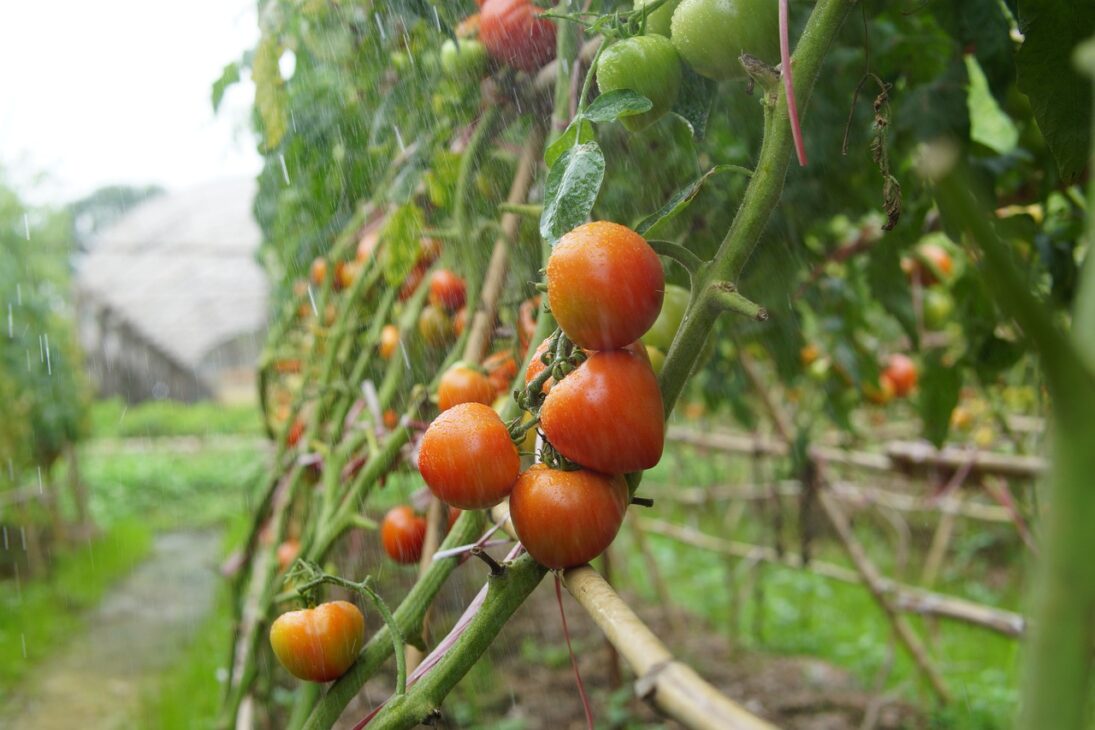
The price of tomatoes declined at the beginning of September, repeating the trend of August. Conab recorded that, last month, the average prices were 19.86% lower than those observed in July.
Even with a smaller quantity of tomatoes reaching Ceasas, the reduction occurred, showing that market factors contributed to this behavior.
The Conab analysis shows how tomato prices can vary in short periods, influencing consumers’ wallets and producers’ profit margins.
This scenario helps to understand how supply and demand affect negotiations. In August, even with a smaller quantity available, the market indicated a decrease, reinforcing the importance of monitoring the data released in the monthly bulletins.
The Supply Centers analyzed by Conab, located in cities like São Paulo, Belo Horizonte, Rio de Janeiro, and Curitiba, provide an accurate picture of the movement.
The price of tomatoes in these regions reflects the national scenario and serves as a basis for the entire supply chain, from wholesale to retail, to organize itself.
Onion, Potato And Lettuce Follow Trend Of Lower Prices
Like the price of tomatoes, onions also registered a drop in August. It Was The Third Consecutive Month Of Reduction, With An Average Decrease Of 10.5% Compared To July.
The Ceasa of Vitória presented the highest negative variation. The good quantity offered, combined with the spread of production and lower demand, contributed to the drop in prices.
In the case of potatoes, the behavior was similar. The Conab bulletin showed a decrease of 6.55% in August in the weighted average compared to July.
The highlight appears when comparing current prices with August 2024: the value is 53.62% lower. This difference is linked to production conditions at the beginning of 2024, when rains reduced the harvest in the first half of the year.
Lettuce also showed lower prices. In August, the average reduction was 8.77%, with the largest drop recorded at the Ceasa of Recife, with a negative variation of 30.8%.
The report explains that, even with lower sales, climatic factors in the producing regions and the quality of the product influenced the result.
This set of information shows how, just like the price of tomatoes, other essential foods oscillate according to regional and market conditions.
Carrots And Fruits Show Different Behaviors In The Market
While the price of tomatoes declined, carrots experienced a rise in August. The weighted average recorded an increase of 19.92%. This variation was a consequence of the lower supply of the root.
Producers in São Paulo, who account for 30% of the available volume, sent 10% less in August than in July. Minas Gerais also recorded a 10% decrease in shipments. The reduction in supply raised the average prices of carrots in Ceasas.
Among fruits, papaya dropped 16.34% in August compared to July. This movement was explained by the increased supply, as warmer weather accelerated ripening in producing regions.
Oranges also registered a reduction, with an average drop of 2.07%. In this case, the bulletin showed that both supply and demand grew with the increase in temperatures, generating a negative variation in average prices.
On the other hand, apples, bananas, and watermelons became more expensive. Apples showed an increase of 2.58% in August, influenced by higher demand in the second half of the month.
Bananas increased by 5.94%, reflecting lower production of the silver variety and damage caused by a cyclone in Santa Catarina that affected plantings of the dwarf variety. Watermelons, in turn, rose by 20.59%.
Even with a greater supply, the quality of the product and the strategy of producers in Uruana (GO) to hold back part of the harvest helped sustain the increase.
This set of information shows how prices vary according to supply, climate, and market strategies. Just like in the case of tomato prices, each product follows its own dynamics.
Exports And Participation Of Ceasas In International Events
In addition to analyzing the price of tomatoes and other foods, the Conab bulletin provided relevant numbers about exports.
From January To August 2025, Brazil Exported 713.01 Thousand Tons Of Horticultural Products, An Increase Of 28% Compared To The Same Period In 2024. The Revenue Reached US$ 841.41 Million (FOB), 15% Higher Than Recorded In The Previous Year.
The performance was positive, especially in the European and Asian markets, which purchased more Brazilian products.
However, the tariff policy applied by the United States reduced part of this growth, affecting fruits such as mango and grape.
Another highlight of the bulletin was the participation of Ceasas in the International Meeting of the Latin American Federation of Supply Markets (Flama).
Conab presented the Brazilian Modernization Program for the Horticultural Market (Prohort), highlighting the integration among producers, distributors, and public agents.
This exchange of experiences aims to strengthen the market and improve trading conditions.
Thus, the bulletin did not limit itself to showing the numbers of tomato prices but also broadened the view on exports and modernization strategies in the sector.









Seja o primeiro a reagir!