





 Portuguese
  English
  Spanish
  2 min of reading
  0 comments


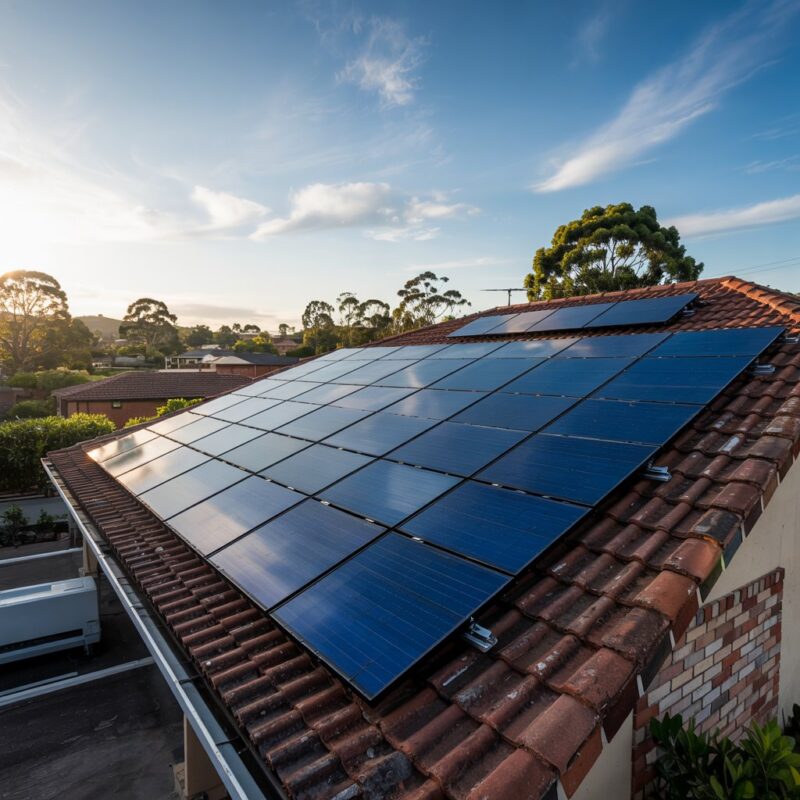
In 2024, Photovoltaic Systems Became More Accessible and Improved Return on Investment.
Solar energy continues to consolidate as one of the most advantageous options for Brazilian consumers.
According to the site Portal Solar, the price of solar energy for the end consumer dropped by 9% in 2024.
In addition, the return on investment in residential photovoltaic systems showed a 10.6% improvement in the last year.
-
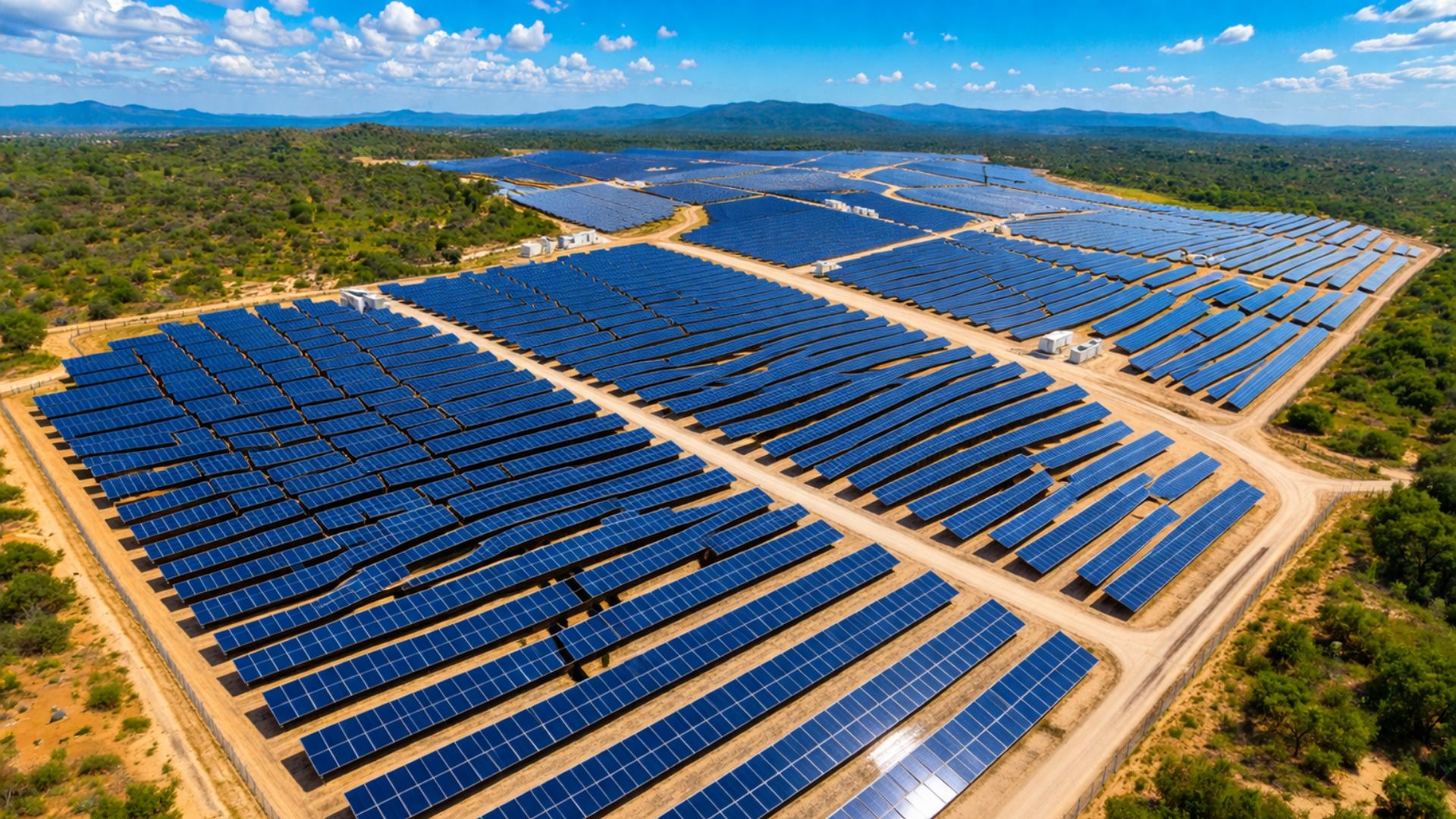
The Sol do Agreste Photovoltaic Complex begins operations in Pernambuco and accelerates the expansion of solar energy in Brazil, directly impacting the reduction of emissions and strengthening the sustainable energy matrix.
-
The Sol do Agreste Photovoltaic Complex begins operations in Pernambuco and accelerates the expansion of solar energy in Brazil, directly impacting the reduction of emissions and strengthening the sustainable energy matrix.
-
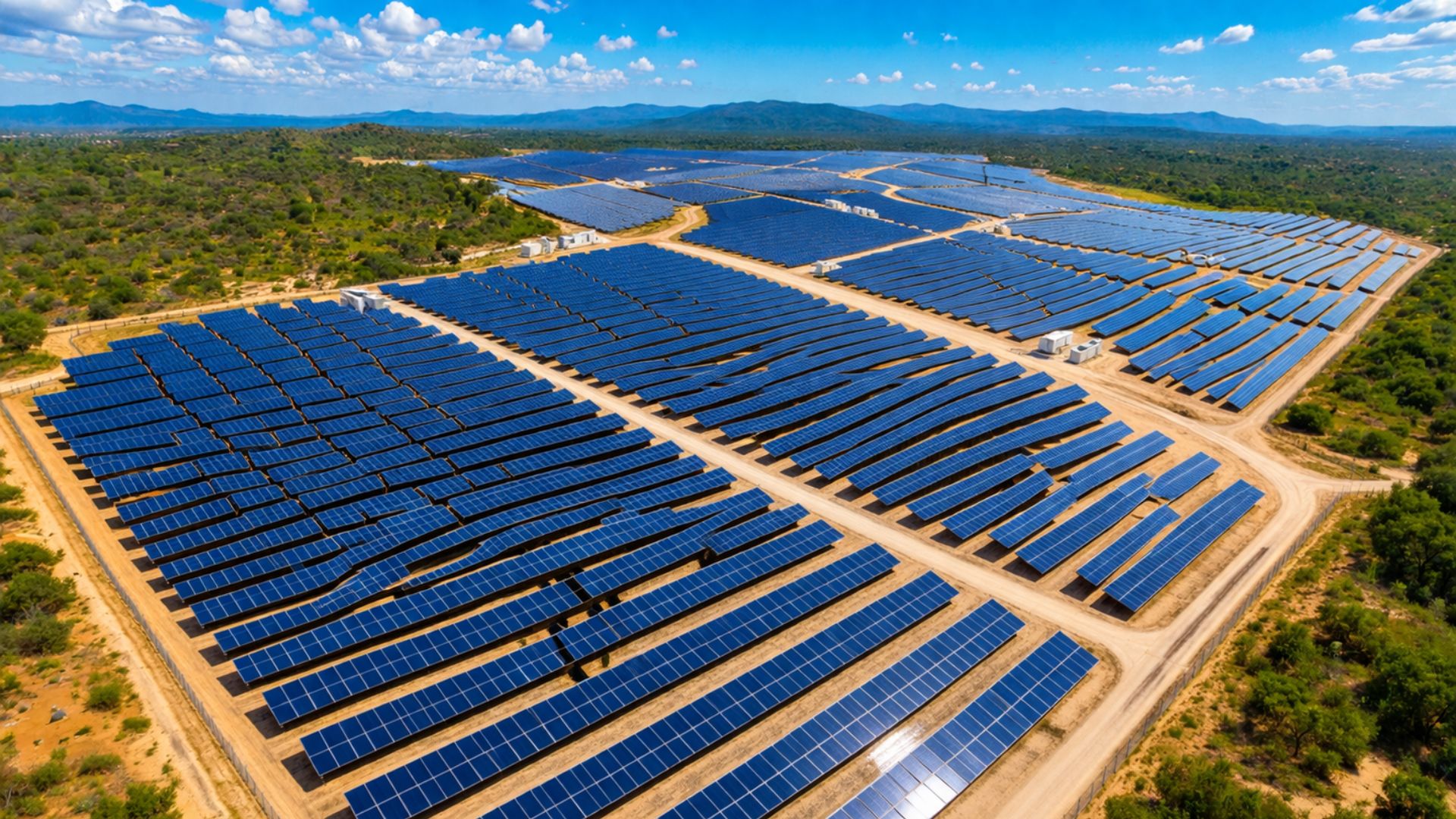
Renewable energy advances over protected areas in Brazil, and a survey by the Energy Transition Observatory reveals silent impacts that challenge environmental conservation and pressure sensitive traditional territories.

-
Rio Grande do Sul accelerates energy transition: State invests in renewable technologies and consolidates decarbonization strategies and pathways to attract billions in new industrial investments.


These data demonstrate the maturation of the sector and the direct impact of the reduction in installation and equipment acquisition costs.
Price Decline Drives Distributed Generation
The drop in prices directly benefits the distributed generation model, which allows consumers to produce their own energy.
With this reduction, solar systems have become even more competitive compared to utility rates.
Therefore, families and businesses have increasingly considered the installation of solar panels as a viable alternative.
According to industry experts, advances in technology and an increase in the supply of components in the market explain a significant part of this decline.
At the same time, incentive policies and accessible financing options have also contributed to this expansion.
Improvement in Return on Investment Attracts New Consumers
With a 10.6% improvement in return on investment (ROI), more consumers see solar energy as a way to save money and enhance property value.
This indicator represents the time it takes for the system to pay for itself. In other words, the shorter the term, the more attractive the technology.
According to analysts, residential systems can now pay for themselves in less than five years in several regions of the country.
Moreover, the rising cost of conventional electricity makes solar even more competitive.
As a result, the sector expects to maintain its growth momentum into 2025 and reach new consumer audiences, including low-income households.
Sector Expansion Reflects Global Trend
The data released by Portal Solar reflects a trend that is also confirmed on an international scale.
In 2024, the world added 550 GW of solar capacity, according to a report by the International Energy Agency.
In this context, Brazil has played a prominent role, surpassing the mark of 5 million consumers with solar energy, as reported in March.
Thus, the country remains one of the leaders in the distributed generation segment, with more than 3 million systems installed to date.
With growth projections for the coming years, the expectation is that the market will continue to drive innovation, employment, and sustainability.










Seja o primeiro a reagir!