





 Português
  Inglês
  Espanhol
  7 min de leitura
  1 comentário


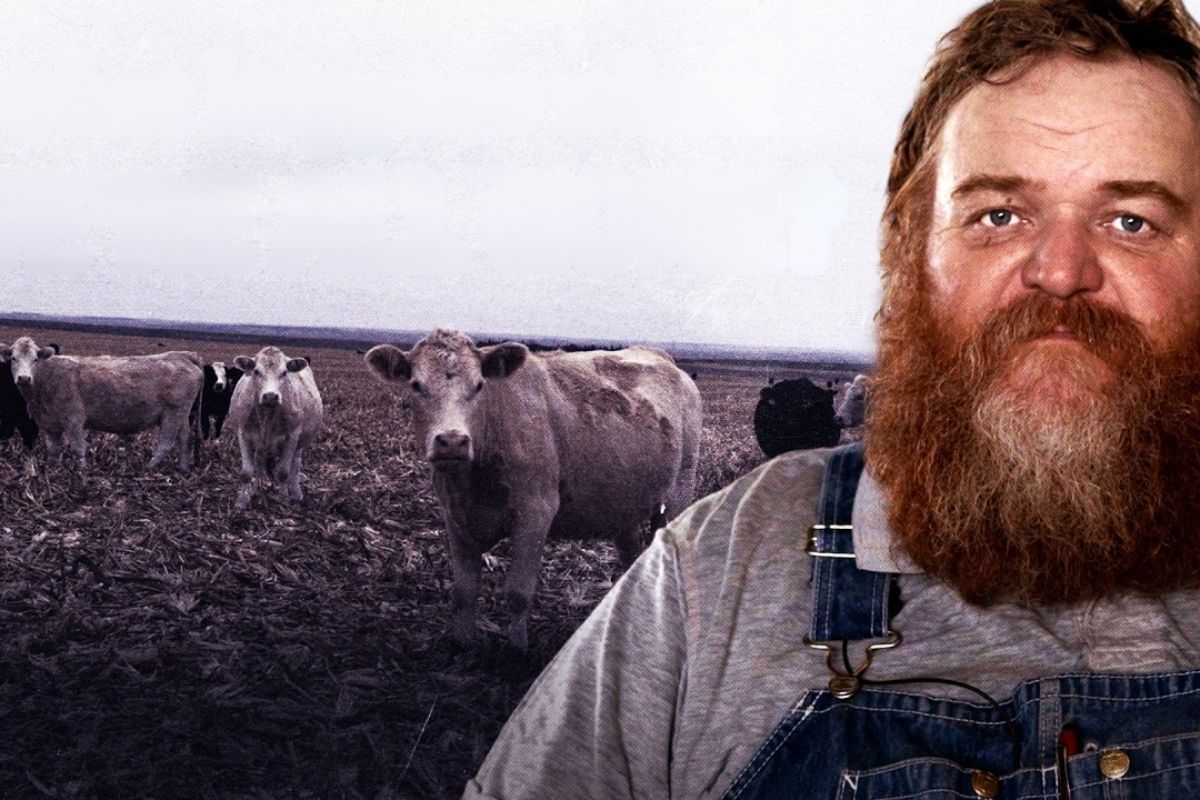


Amid Historic Highs in Meat Prices, Small and Medium Cattle Farmers Report Billion Dollars in Losses, Nearly 20 Thousand Farms Close Per Year, The National Herd Shrinks and an Oligopoly of Meatpackers Uses Futures Contracts to Control Cattle Slaughter and Supermarkets in Every State of The Country.
The meat prices are reaching record levels on American supermarket shelves, but away from the refrigerated aisles, thousands of cattle farmers are accumulating losses, selling their herds in haste, and facing the real possibility of closing the gates of farms maintained by the same family for generations.
In rural states like Nebraska, where beef cattle ranching shapes the local economy, producers report that entire years of work can be wiped out in a matter of days due to decisions made in futures markets, presidential announcements regarding meat imports, and the concentrated power of four giants controlling slaughter and packaged meat.
When Meat Price Increases Don’t Reach The Field

Amid headlines highlighting that ground beef prices have risen nearly 13 percent and steak has become 16 percent more expensive, American cattle farmers describe an opposite scenario in farm accounts: losses estimated at 17 billion dollars that simply do not appear on the supermarket receipt.
-
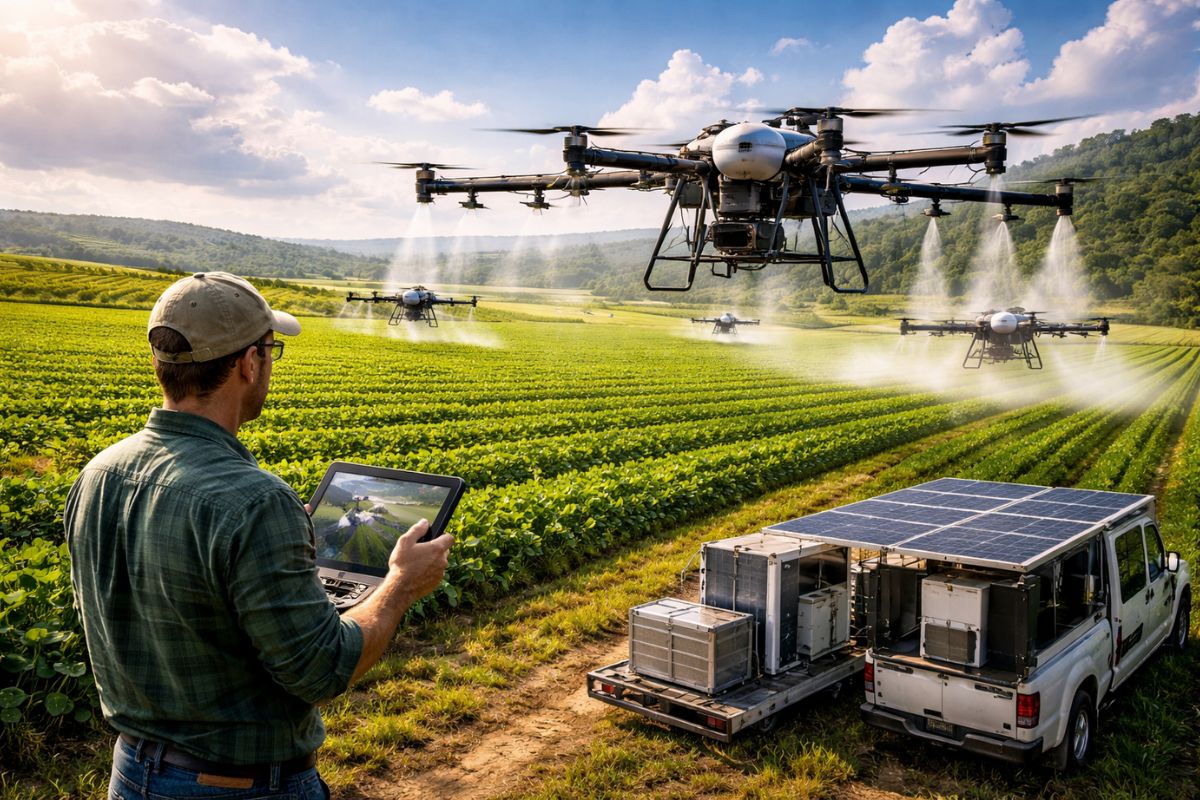
Alone, the producer applies 7,400 hectares with the T100 drone in an optimized structure, replaces the generator with a silent battery, and demonstrates how technology reduces costs, increases productivity, and even challenges the uniport in the field.
-
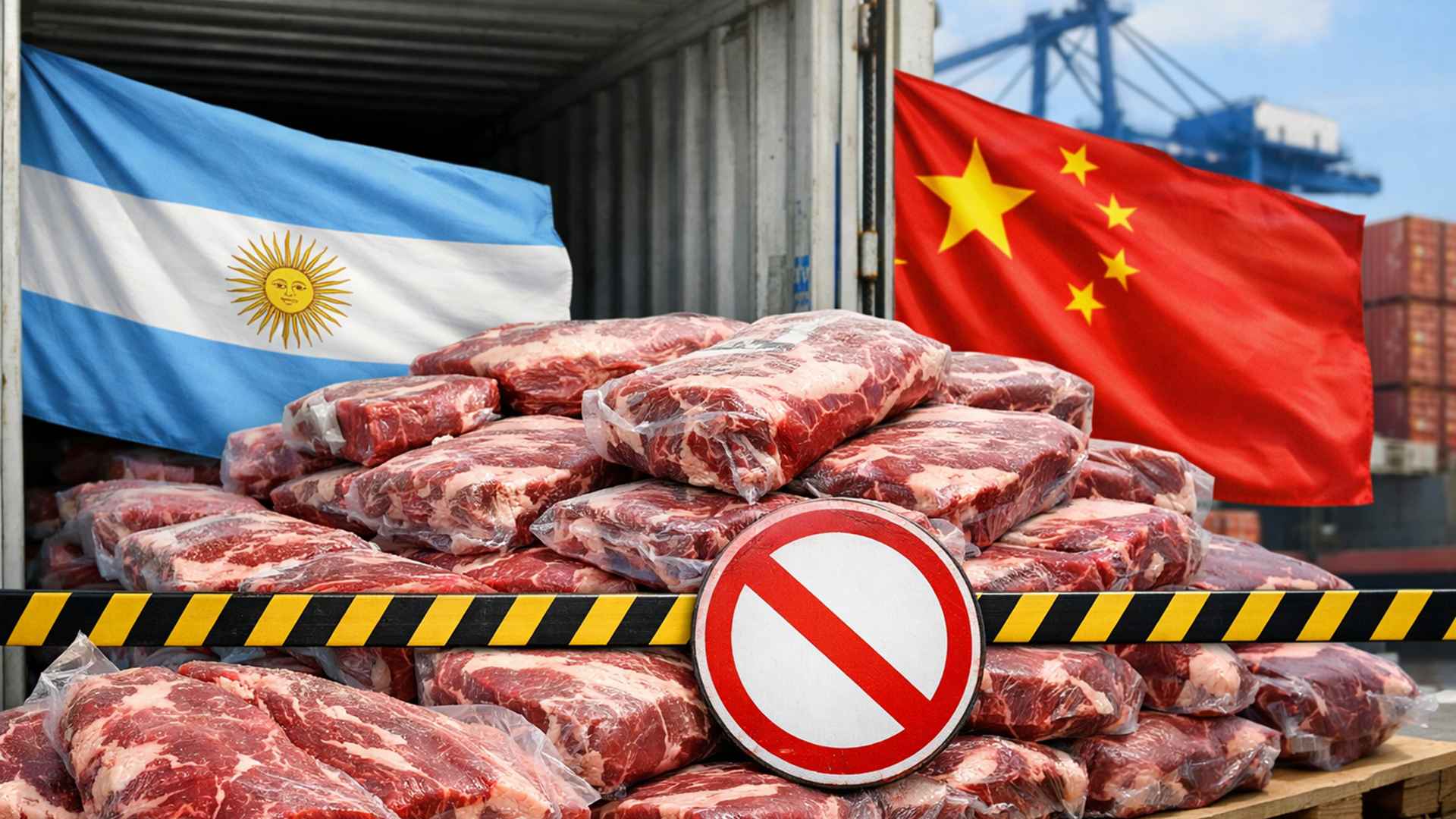
China banned the export of 22 tons of meat from Argentina.
-
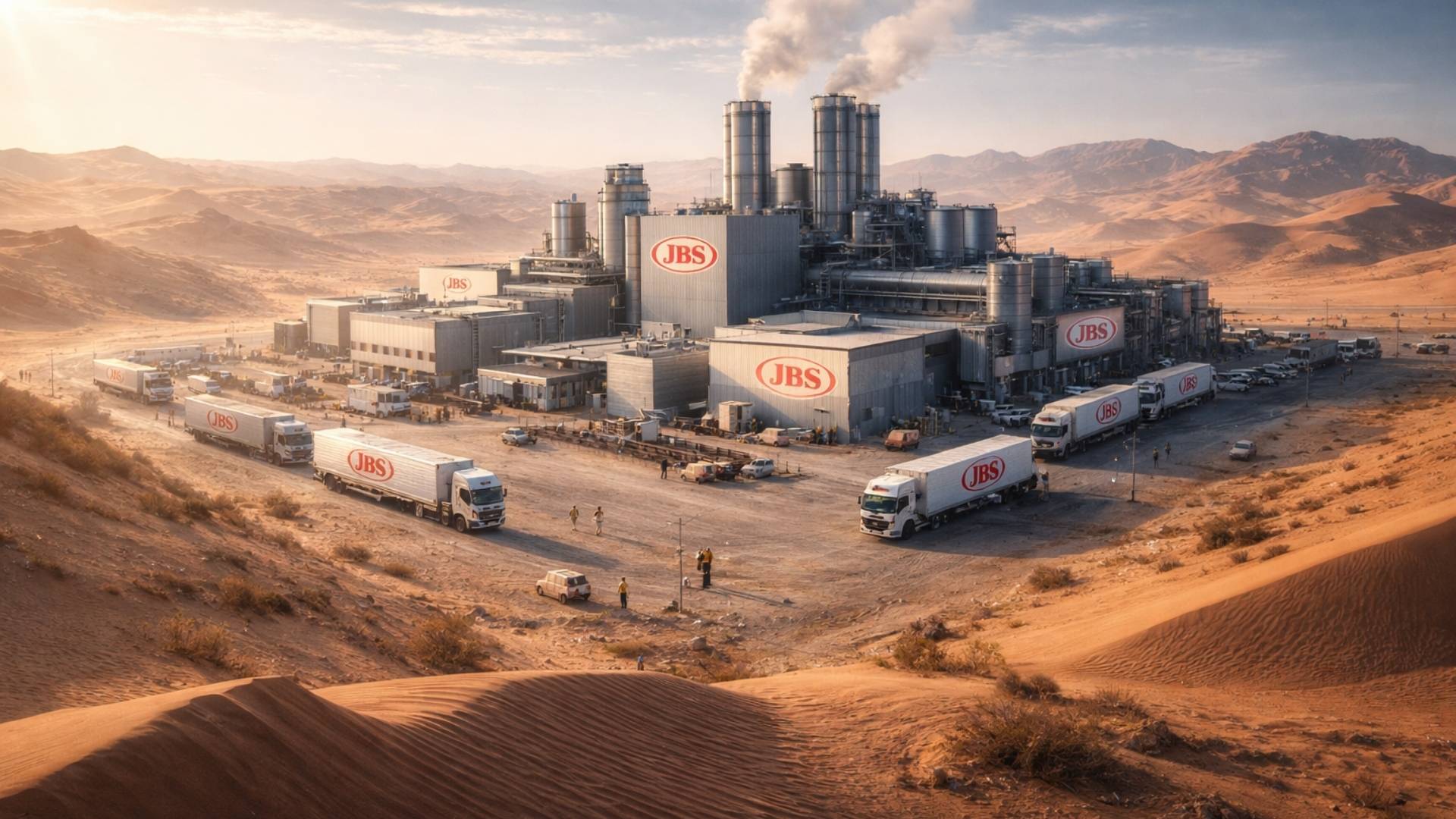
JBS, founded by the Batista brothers, continues to conquer the world: entrepreneurs built a ‘factory in the desert’ creating 3,000 jobs.
-
With only 1% of Brazil’s territory, Santa Catarina has built one of the most competitive industrial parks in the country, with 64,000 companies, nearly 1 million jobs, and a growth rate of 5.3% while the national industry is practically stagnant.

In rural Nebraska, rancher John O’Dea, a sixth-generation farmer linked to beef cattle, recalls that historically, in seven out of ten years, the activity breaks even or incurs losses.
In the few profitable years, the producer tries to pay off debts accumulated during bad seasons and keep the operation alive.
When recent shocks collapsed cattle values in a matter of days, this fragile balance shattered and turned a year that seemed exceptional into yet another cycle of indebtedness.
Futures Contracts, Computer Screen, and The Collapse in Minutes

In the daily routine of many ranchers, the workday begins with a glance at the computer screen.
The futures contract graph for fed cattle, traded on markets like Chicago, indicates how much they can expect to receive months down the line for the animals still on pasture.
In theory, these contracts should be a simple pact between buyer and seller to ensure a fair price in the future.
In practice, large corporations and hedge funds trade only on paper, without owning a single cow, profiting from daily fluctuations that can destroy the margins of those who actually raise the herd.
In Missouri, cattleman Coy Young financed a herd of Angus cattle believing he could pay off everything with sales in 2020.
Within days, the futures contract plummeted to 108, just before the auction.
Instead of receiving something between 125 thousand and 128 thousand dollars, Coy came home with only 36 thousand dollars in his pocket, after witnessing the auction turn into a financial disaster.
The decision to end the family cattle operation came alongside bank loans and credit card debts that continue to haunt the producer even after selling the entire herd.
Four Meatpackers, 80% of The Market and Margin Compression

The North American beef chain has become highly concentrated at the slaughter link.
More than 90 percent of the cattle raised in the country comes from small and medium independent producers, yet four processing companies hold around 80 percent of the slaughter capacity.
These are JBS, National Beef, Cargill, and Tyson. In 1980, cattle producers received 0.63 of every dollar spent by consumers on beef, leaving 0.37 for meatpackers and retailers.
Four decades later, this division has reversed, compressing the share received by those who raise the animals.
In 2019, the organization R CALF USA, led by former rancher Bill Bullard, filed a class-action lawsuit against the four largest companies, accusing them of reducing slaughter and their purchases in the cash market to keep demand consistently below the available supply of cattle.
According to the accusation, this strategy suppresses the value paid to the producer while the price of meat at retail continues to rise, fueling profits for meatpackers and large supermarket chains.
For Bullard, the widening gap between what retailers charge and what ranchers receive is a clear sign that the market is fundamentally broken.
When Foreign Policy and Meat Imports Collapse Cattle
In this concentrated structure, presidential statements can drive down cattle values in a matter of hours.
When then-President Donald Trump announced a plan to quadruple imports of Argentine beef while pressuring American cattle ranchers to lower prices, the market reacted with a sharp drop in contracts.
Cattle farmers report losses between 200 and 300 dollars per head, which together represent about 17 billion dollars evaporating from one month to the next.
While meat prices for consumers remained at record levels, Trump publicly claimed he had saved farmers and that they would be satisfied with the intervention.
In the field, the sentiment expressed by independent ranchers is the opposite, mixing outrage and a sense of betrayal.
The political base that helped elect the president suddenly found itself bearing the cost of a decision that favored meatpackers, traders, and large beef protein buyers.
Family Farms Disappear and The American Herd Shrinks
The combined pressure of financial speculation, industrial concentration, and trade policy decisions translates into a rapidly emptying rural map.
Estimates cited by producers indicate the closure of around 17 thousand and five hundred family farms per year, nearly 20 thousand operations that cease to exist annually.
Since 1980, over 32 million head of cattle have disappeared from the American herd, which is now at historically low levels, close to the floor observed in seventy-five years.
For families like Coy Young’s, this means abandoning cattle raising maintained since 1965 and trying to survive in another activity.
Even in the face of this reduced supply, large companies announced the closure of meatpacking plants, claiming they could not find enough cattle to slaughter.
Critics point out that the very business model, by forcing the exit of thousands of independent ranchers over decades, helped create the current scarcity scenario.
The recurring perception among producers is that those being squeezed are precisely those who feed the entire chain, from fattening on pasture to the hamburger served on the plate of the urban consumer.
From The Corral to The Food Truck, The Direct Impact on The Consumer
After liquidating the herd and closing the farm, Coy Young started living on the other side of the counter: he opened a barbecue food truck and became a direct buyer of beef.
Months later, he saw the beef brisket rise from 3.87 dollars in March to 6.42 dollars in September, a jump of 70 percent in just four months.
Without cattle and without margin, he describes the feeling of not having money even to buy the raw material he used to produce.
Coy’s case illustrates how the distance between the price paid to the rancher and the meat prices charged to the end consumer affects the entire chain.
When the value of the slaughter price drops in the field, relief rarely reaches the supermarket shelf or the restaurant menu. Conversely, when packaged meat prices rise, the increase is passed almost entirely to the public, while pressuring small businesses that sell barbecue, hamburgers, or ready-made meals.
Politics, Investigation, and The Debate About The Future of Beef
U.S. antitrust authorities, such as Lina Khan, have pointed out that people are paying more for meat while farmers are receiving less.
By acknowledging that there is something “weird” about the meat prices and publicly mentioning concentration in the sector, politicians from different parties began advocating investigations into the market power of meatpackers and large retailers.
Calls for the Justice Department to open antitrust cases against the largest slaughtering groups and supermarket chains are being added to proposals to reform the futures market and increase transparency about long-term contracts.
Independent producers argue that only stable and sustainable profits in cattle raising would allow for the rebuilding of the national herd, increase domestic supply, and finally make the accumulation of meat on retail shelves translate into real price reductions for those buying at the counter.
Who Pays The Cost Of Meat Prices
From the farm in Nebraska to the food truck parked on some street, the recent trajectory of meat prices in the United States reveals a chain in which both producer and consumer feel exploited.
At the top, financial speculators and four slaughter giants concentrate decisions regarding supply, imports, contracts, and plant closures, influencing the income of thousands of rural families and the final purchase price at the supermarket.
While the political debate focuses on rapidly reducing beef prices, ranchers argue that there will be no sustainable relief on the shelf without a fair market, less manipulation of futures contracts, and predictable profits in the field.
In light of this scenario, would you be willing to pay a few cents more per pound if you were guaranteed that this money would go to those who raise the cattle, and not just to large meatpackers and investment funds?









Bem vindo ao “Clube” aí são algumas informações importantes … A primeira é a da bolsa este modelo criadompor vocês pra controlar os preços a partir das vendas futura de contratos e manipulação do valor da mercadoria a décadas VCS fazem isso com nossas comodities (provando do próprio veneno)… Disparidade da gôndola com a fazenda… E por fim os monopólios! Nos exportamos “Joesley” e eles possuem este “Gingado” esse “Suing” … Chamamos de “Jeitinho Batistas Brasileiro ” … Aí sim vcs vão provar o modelo “JB” de combinação, achatacao de preço, redução de escala, parada técnica, combinações de esquema… Resumo… Vocês tão enrolados enrolados ! Seria cômico se não fosse trágico…