





 English
  Francês
  Alemão
  Italiano
  Japonês
  Norueguês
  Portuguese
  Spanish
  3 min of reading


The French Energy Company TotalEnergies Saw Its Quarterly Profit Surge at the End of Last Year, Powered by Higher Oil and Gas Prices
The company recently reported a net profit of US$ 5.8 billion in Q4 2021 and US$ 16 billion for the entire year of 2021 from oil and gas. This compares to a profit of US$ 891 million in Q4 2020 and a loss of over US$ 7.2 billion in 2020.
TotalEnergies’ Exploration and Production business benefited from higher oil and gas prices with an adjusted net operating profit of US$ 10.4 billion and was a strong contributor to the company’s net cash flow of US$ 12.2 billion. In other words, in 2021, the company generated cash flow of US$ 30.7 billion, an increase of US$ 13 billion compared to 2020.
More News:
- Kerui Method Halts Curriculum Submission for Comperj Construction
- Wind and Solar Power Generation in Brazil Nearly Eliminate Hydroelectric Projects
- Construction of the Refinery in Porto do Açu by Oil Group Could Create 2,000 Jobs, with Work Starting in 2021
In line with its strategy to invest in low-cost and low-emission projects, TotalEnergies has increased its presence in Brazil by entering the giant Atapu and Sépia fields, launched the Lake Albert Resource Development Project in Uganda, while divesting from mature asset stakes in Angola as well as several non-operated licenses in Gabon and a minority stake in the Greater Laggan area in the UK.
-
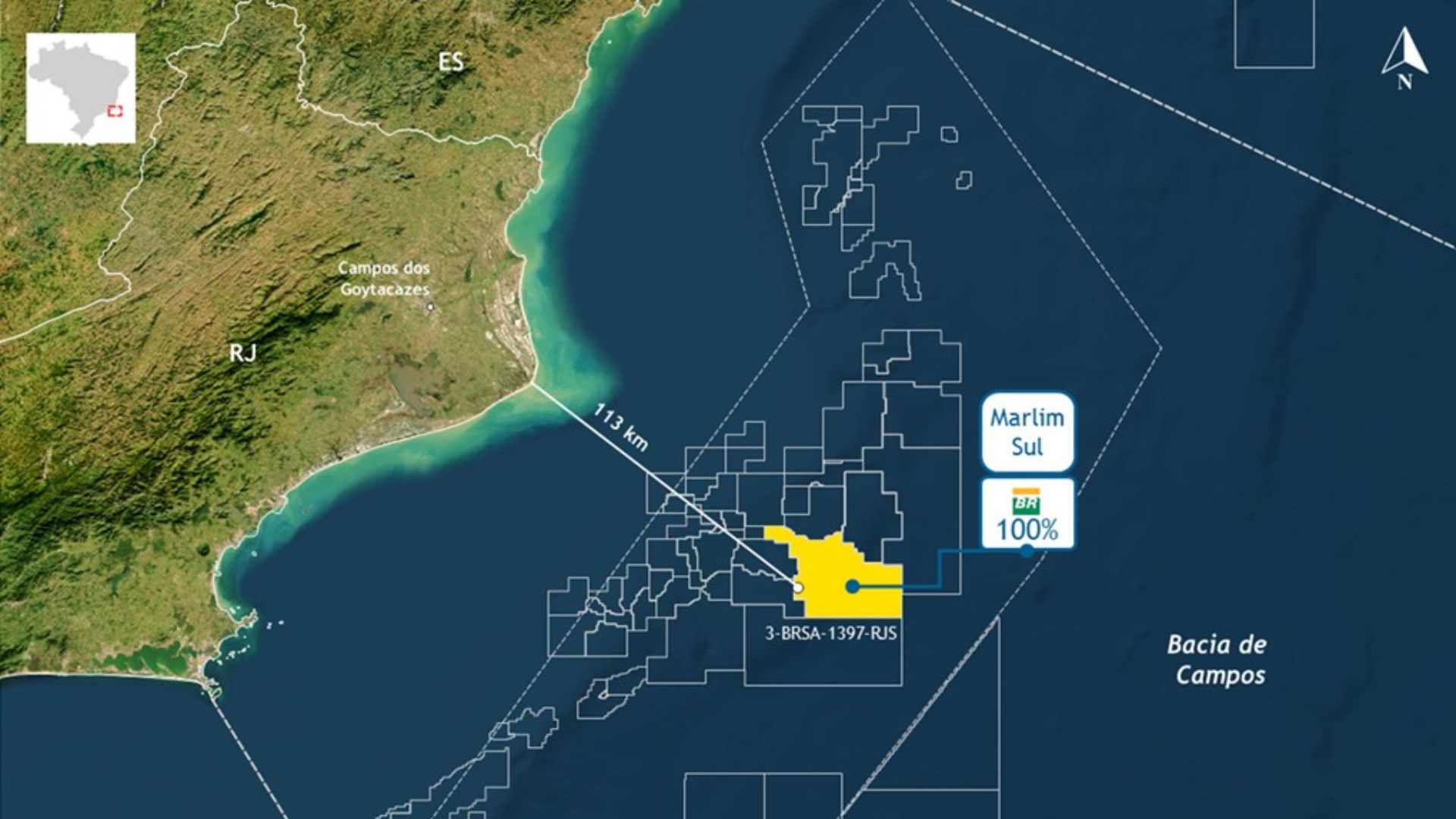
Petrobras finds high-quality oil in the pre-salt at 113 km from RJ and reignites expectations about strategic reserves in the Campos Basin.

-
Ocyan opens registrations for startups focused on innovation in the oil and gas sector and will select projects for Innovation Day with the support of Nexio.

-
Petrobras announces new oil discovery in the pre-salt of the Campos Basin and reinforces Brazil’s prominence with high-quality reserves that can increase production and energy revenues.
-
Alert in the fuel market: Analysts and a former director of ANP warn that oil prices may worsen in the coming months due to global instability.

The company maintained capital discipline with net investments of US$ 13.3 billion, of which 25% in Renewables and Electricity.
TotalEnergies CEO Patrick Pouyanné commented: “In the fourth quarter, oil prices continued to rise, 9 percent compared to the previous quarter, while gas prices in Europe and Asia, driven by increased demand, hit record highs above US$ 30/Mbtu and raised energy prices in Europe to record levels.”
Oil and gas production was 2,852 thousand barrels of oil equivalent per day (kboe/d) in the fourth quarter of 2021, stable compared to the same quarter of the previous year. In 2021, hydrocarbon production was 2,819 kboe/d, a 2% decline compared to the previous year.
Oil and gas production for LNG increased 6% compared to the previous year in the fourth quarter of 2021, due to the impact of unplanned maintenance on production in the fourth quarter of 2020. The year 2021 was stable compared to 2020.
Start-Ups of Projects to Increase Production in 2022
Looking ahead, TotalEnergies projects a growth in oil and gas production in 2022 of about 2%, driven by the start-ups of Mero 1 in Brazil and lkike in Nigeria, the entry into the production units of Atapu and Sepia in Brazil starting in May 2022, but impacted by the sales of mature assets completed in 2021, as well as the exit from Myanmar starting in July 2022.
Continuing the momentum that has been taking place for several years, TotalEnergies is implementing its integrated growth strategy in LNG, which will generate structural cash flow growth of US$ 1 billion in 2022.
Furthermore, given the evolution of oil and gas prices in recent months and the lagged effect on pricing formulas, TotalEnergies anticipates that its average LNG sales price should remain high at least US$ 12/Mbtu in the first half of 2022.
Its cash flow allocation priorities for the year include investing in profitable projects to implement its transformation strategy, linking dividend growth to structural cash flow growth, maintaining a strong balance sheet and a long-term debt rating with a minimum “A” leverage anchor below 20% and allocating a portion of excess cash flow from high oil and gas prices to share buybacks.






Seja o primeiro a reagir!