





 Portuguese
  English
  Spanish
  3 min of reading


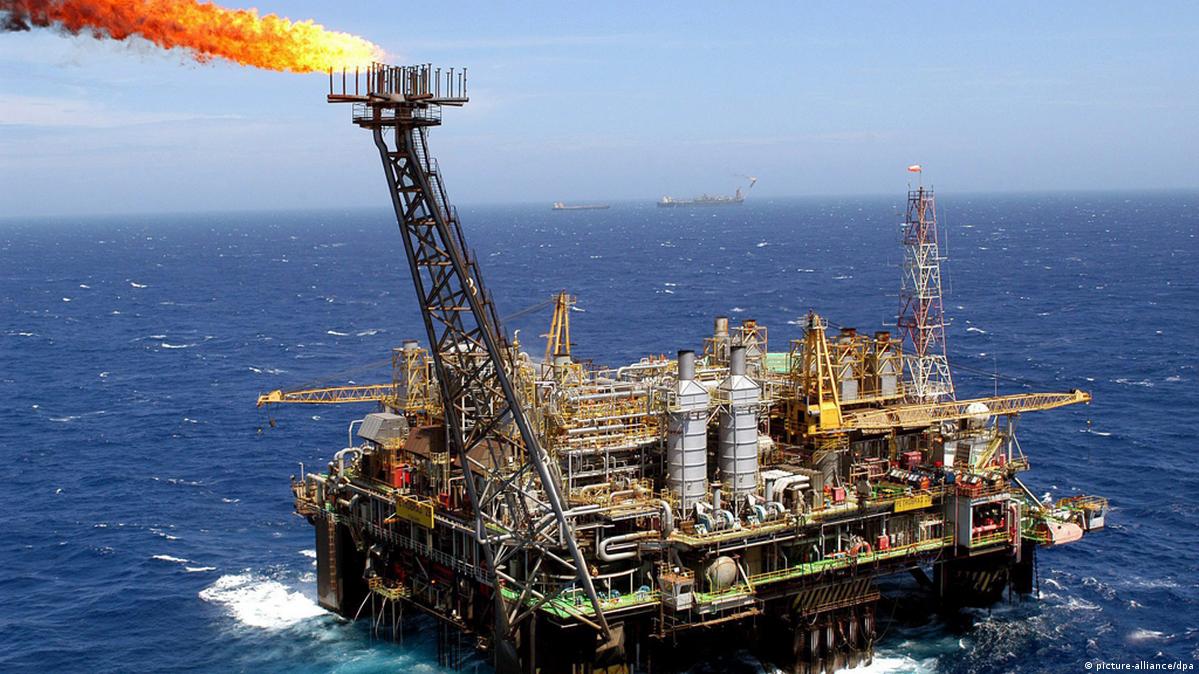
China Resumes Its Border Opening and Brings Prospects for Expansion in Demand for the Product in the Global Market. This and Other Factors Have Led to Average Oil Prices Being Elevated in the Fuel Segment This Week.
The start of 2023 has already brought significant advancements for the Chinese market, but the impacts on the fuel sector can already be observed. Average oil prices in the global market rose by more than 1% with the decision to open China’s borders last week. The country has been battling the COVID-19 pandemic and has opened its borders for the first time in three years.
China’s Border Opening Brought Great Benefits to the Domestic Market, but It Will Lead to Some Increases in Oil Prices in the Fuel Sector
The last three years have been filled with significant problems and challenges for the Chinese government regarding the COVID-19 pandemic, with the need to close the borders and distance from the global market.
However, the country has been changing some of its policies in recent months, as the pandemic situation improves.
-
Offshore industrial demand in Macaé skyrockets with the recovery of oil and gas and could grow by up to 396% by 2026 in the Campos Basin.
-
Offshore industrial demand in Macaé surges with the recovery of oil and gas and could grow by up to 396% by 2026 in the Campos Basin.
-
Brazilian giant expands borders in the Southeast: Petrobras confirms new oil discovery in ultra-deep waters in the pre-salt of the Campos Basin.

-
Alert in the global energy market: Severe tropical cyclone hits the coast and disrupts gas production at major plants in Australia, threatening global supply.


Thus, after 3 years, China has finally reopened its borders to the entry of people from all over the world, as well as continuing to open up the market in the global scenario.
Despite this being a great achievement for the country, the fuel sector is already witnessing the consequences of the decision, as average oil prices have risen by 1% since the reopening occurred. The decision increased prospects for fuel demand and overshadowed concerns about global recession.
Moreover, the hope for less aggressive increases in interest rates in the United States was another factor contributing to current prices in the global fuel market.
In this week, Brent crude rose by US$ 1.08, or 1.4%, to US$ 79.65 per barrel. Meanwhile, oil prices in the U.S. rose by US$ 0.86, or 1.2%, to US$ 74.63 per barrel.
“The gradual reopening of the Chinese economy will provide an additional and immeasurable layer of support to prices,” said PVM’s oil broker, Tamas Varga.
China’s Border and Market Opening Will Bring Strong Benefits to the Country’s Internal Economy, Even with Impacts on the Fuel Sector
The rally followed a drop last week of more than 8% for both oil benchmarks, their largest weekly declines at the beginning of a year since 2016.
The fuel sector may experience significant changes regarding average oil prices in the coming weeks, as China’s market opening will bring greater variation in market demand.
However, while it may lead to an increase in prices charged for the product in the global scenario, the country’s commercial opening will bring great benefits to the Chinese internal economy.
In the domestic market, about 2 billion trips are expected during the Lunar New Year season, nearly double last year and 70% of 2019 levels, Beijing said.
Thus, China will once again become one of the largest players in the global economy in the coming years.
Understand What Brent Is
Brent crude is named after a Shell platform of the same name. The Brent barrel is the global benchmark value, also used by Petrobras’ pricing policy.










Seja o primeiro a reagir!