





 English
  Francês
  Alemão
  Italiano
  Japonês
  Norueguês
  Portuguese
  Spanish
 3 min of reading



Petrobras, The Largest Oil Company in Brazil, Closed An Agreement with The Government of The State of Rio de Janeiro to Enable The Economic Recovery in The Oil and Gas Sector
The Government of The State of Rio de Janeiro, the city hall of Itaboraí, and The Federation of Industries of Rio de Janeiro (Firjan), signed with Petrobras, last Friday (09/10), a protocol of intentions for the industrial development of the region surrounding the GasLub Pole (formerly Comperj) in Itaboraí.
Read Also
- Job Openings for High School, Technical, and Higher Education Are Open Today (09/10) for Work at Ethanol Plant
- Petrobras Approves This Morning (09/10) New Contracts for Sale of Gasoline and Diesel to Increase Competitiveness
- Biodiesel Is Not Responsible for The High Price of Diesel, But Government Confirms Reduction in The Blend of Biofuel and End of Auctions
- Truck Drivers’ Strike Continues This Thursday (09/10) in At Least 15 States, Causing Shortages and Lines at Fuel Stations of Almost 1km
- Job Openings to Work Onboard Petrobras’ Oil Platforms in 3-Year Contracts on This September 13
According to Petrobras’ report, present at the signing ceremony were the Governor of Rio de Janeiro, Cláudio Castro, the Minister of Mines and Energy, Bento Albuquerque, the President of Petrobras, Joaquim Silva e Luna, the Mayor of Itaboraí, Marcelo Delaroli, the Vice President of Firjan, Luiz Césio Caetano, and other authorities.
Agreement Involving Areas of Comperj Will Enable Economic Recovery in The Oil and Gas Sector
The objective of the protocol is to create conditions for the implementation of an industrial hub suitable for attracting companies that can use the infrastructure and inputs available at The GasLub Pole in Itaboraí. Through mutual cooperation, the initiative aims to develop studies, as well as carry out the exchange of data and information necessary for the development of opportunities in the region.
-
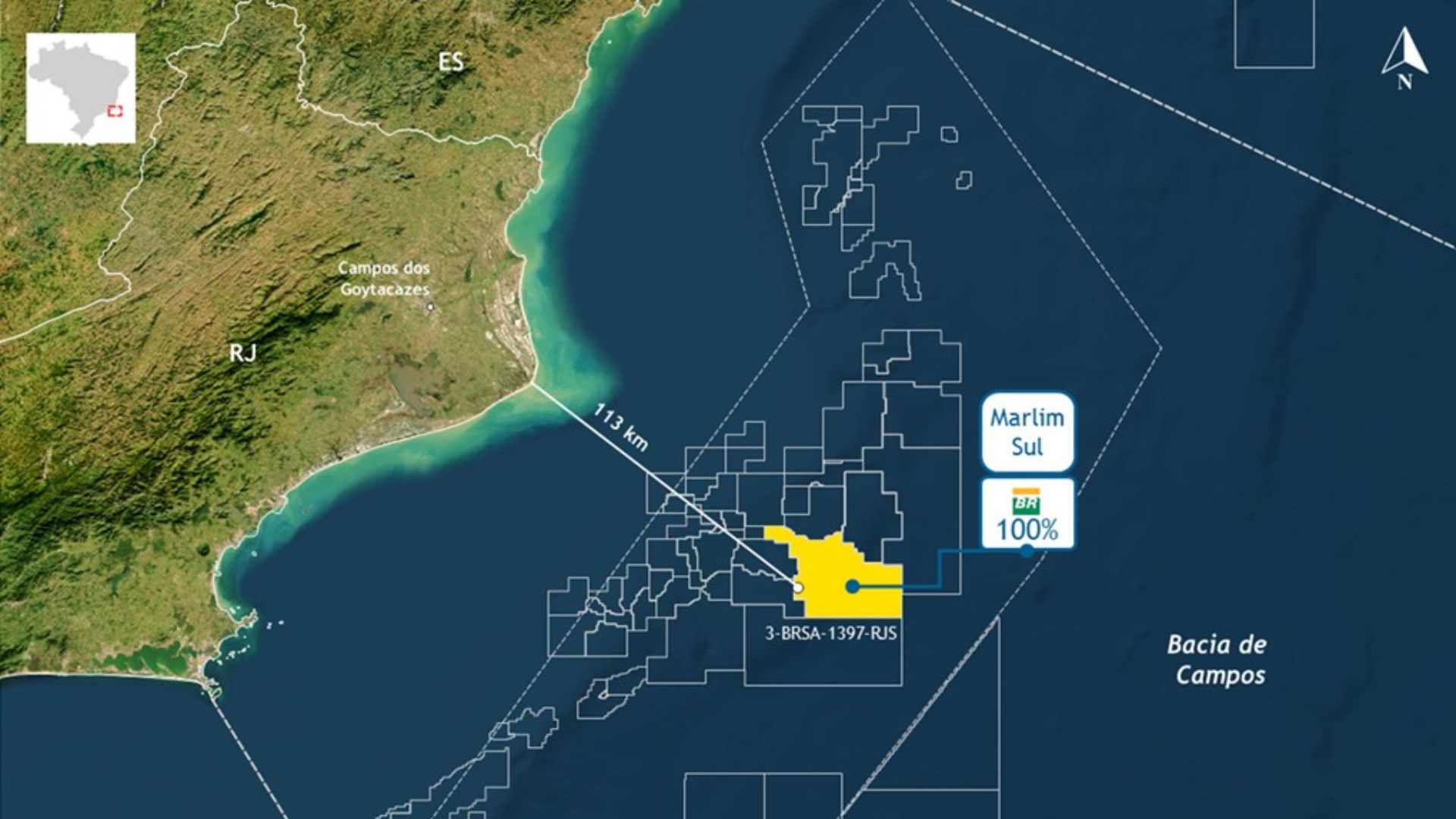
Petrobras announces new oil discovery in the pre-salt of the Campos Basin and reinforces Brazil’s prominence with high-quality reserves that can increase production and energy revenues.
-
Alert in the fuel market: Analysts and a former director of ANP warn that oil prices may worsen in the coming months due to global instability.

-
Ocyan brings executives and digital solutions to Macaé Energy 2026 and highlights offshore expansion with Nexio and a new base in Macaé.

-
Petrobras advances 4.6% with rising oil prices and the dollar, reigniting the debate on macro risks, pricing policy, and fiscal impact in Brazil.

“The result of Petrobras’ strong presence has translated into a contribution of 70 billion reais in revenue from royalties and ICMS for the State over the last five years. In 2020, even during the pandemic period, we maintained our high delivery standard. There were 26 billion reais in contracts with over 2,600 companies in the region; 70% of our investments in R&D are allocated to executed projects. Additionally, we invested 46 million reais in socio-environmental projects,” says Petrobras President Joaquim Silva e Luna.
Project Includes The Construction of A Natural Gas Processing Unit (UPGN) at The GasLub Pole in Itaboraí for The Flow of Pre-Salt Natural Gas
The Integrated Project Route 3 Will Provide Another Route for The Flow of Pre-Salt Natural Gas. This project includes The Construction of A Natural Gas Processing Unit (UPGN) at The GasLub Pole in Itaboraí, with a capacity to process up to 21 million m³ per day; and the construction of a 355 km gas pipeline connecting the pre-salt production units to the UPGN, being 307 km of marine stretch (already built) and 48 km of land stretch. Currently, Petrobras already has Routes 1 and 2 (respectively, Caraguatatuba – SP, and Cabiúnas – Macaé – RJ) to flow the gas produced in offshore fields.
The GasLub Pole Will Be Another Important Asset for Petrobras in Rio de Janeiro. Petrobras is present in various fronts in the state. From exploring oil fields off the fluminense coast in The Santos and Campos Basins, to The Duque de Caxias Refinery (Reduc), The Regasification Terminal of Guanabara Bay (LNG), and the thermoelectric plants Termorio, Termomacaé, Baixada Fluminense, and Seropédica in addition to the terminals operated by the subsidiary Transpetro (Campos Elíseos, Aquaviário Angra, Ilha D’Água, Triunfo, and Imbetiba).
In the coming years, the company plans significant investments in activities in Rio de Janeiro. Only in The Campos Basin, in the Northern Fluminense portion, US$13 billion are expected to be invested. Petrobras is sensitive to the demands of society and contributes to national development.









Seja o primeiro a reagir!