





 Portuguese
  English
  Spanish
 6 min of reading
  0 comments


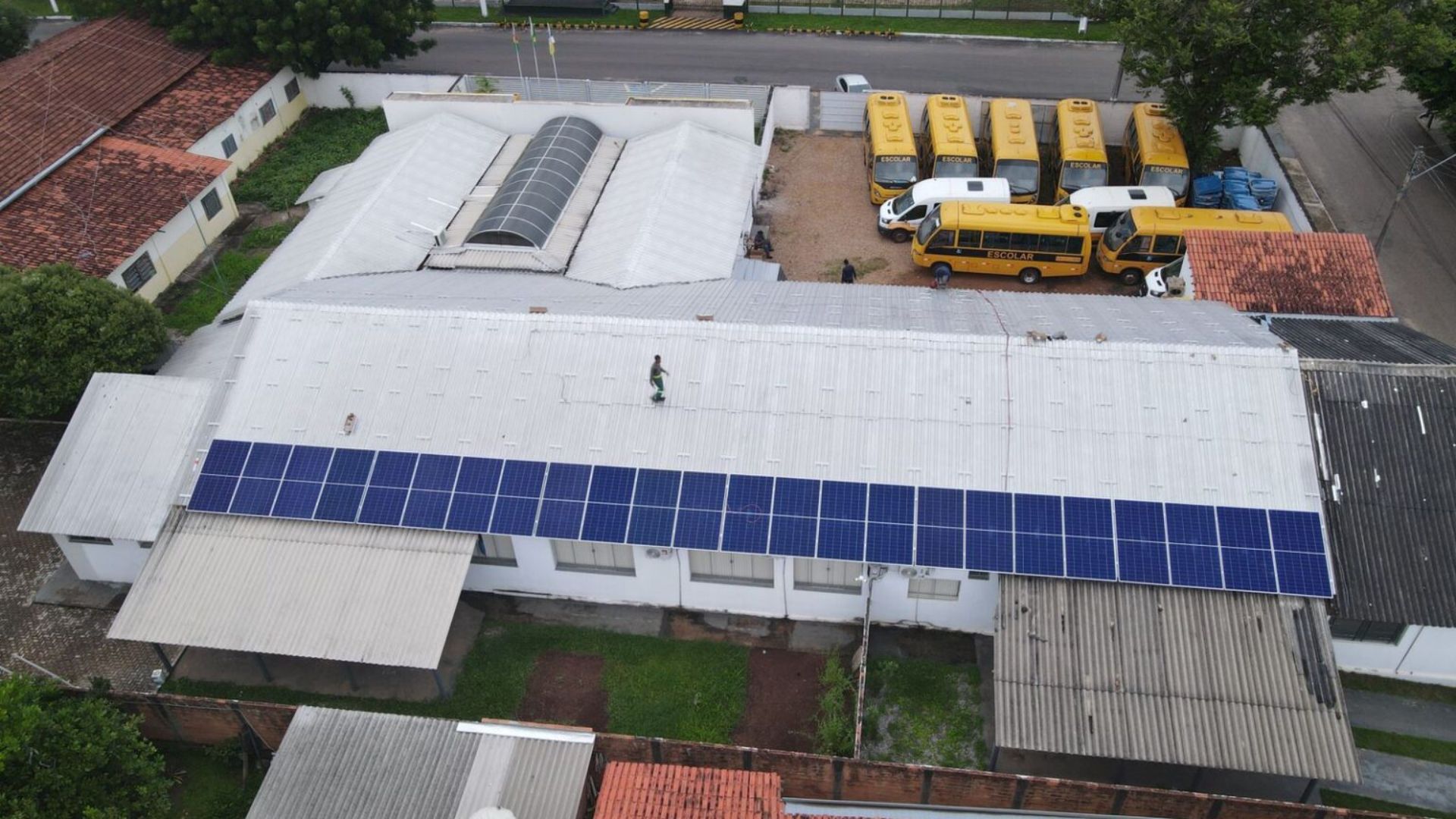
The City Hall of Miracema do Tocantins Launches Solar Energy Project in Public Buildings to Reduce Costs, Increase Energy Efficiency, and Generate Estimated Annual Savings of R$ 260 Thousand.
The City Hall of Miracema do Tocantins has begun the implementation of solar energy systems in public buildings of the municipality, in an initiative aimed at cost reduction, energy efficiency, and environmental sustainability. The project is made possible through a transfer of R$ 1 million, allocated by Senator Eduardo Gomes, and is expected to achieve annual savings of approximately R$ 260 thousand to the public coffers, according to technical surveys released by the municipal management.
City Hall of Miracema do Tocantins Invests in Solar Energy to Reduce Public Spending
This measure aligns Miracema do Tocantins with a national trend of modernization in public administration, which seeks to reduce fixed expenses, increase energy autonomy, and invest in renewable sources. The estimated savings may be directed to priority areas such as health, education, and urban infrastructure, directly benefiting the population.
The decision of the City Hall of Miracema do Tocantins to invest in solar energy arises at a time of heightened attention to public spending and the need for greater efficiency in the use of municipal resources. The electricity bill represents a significant expense for city halls, especially in administrative buildings, schools, health units, and public service structures.
-
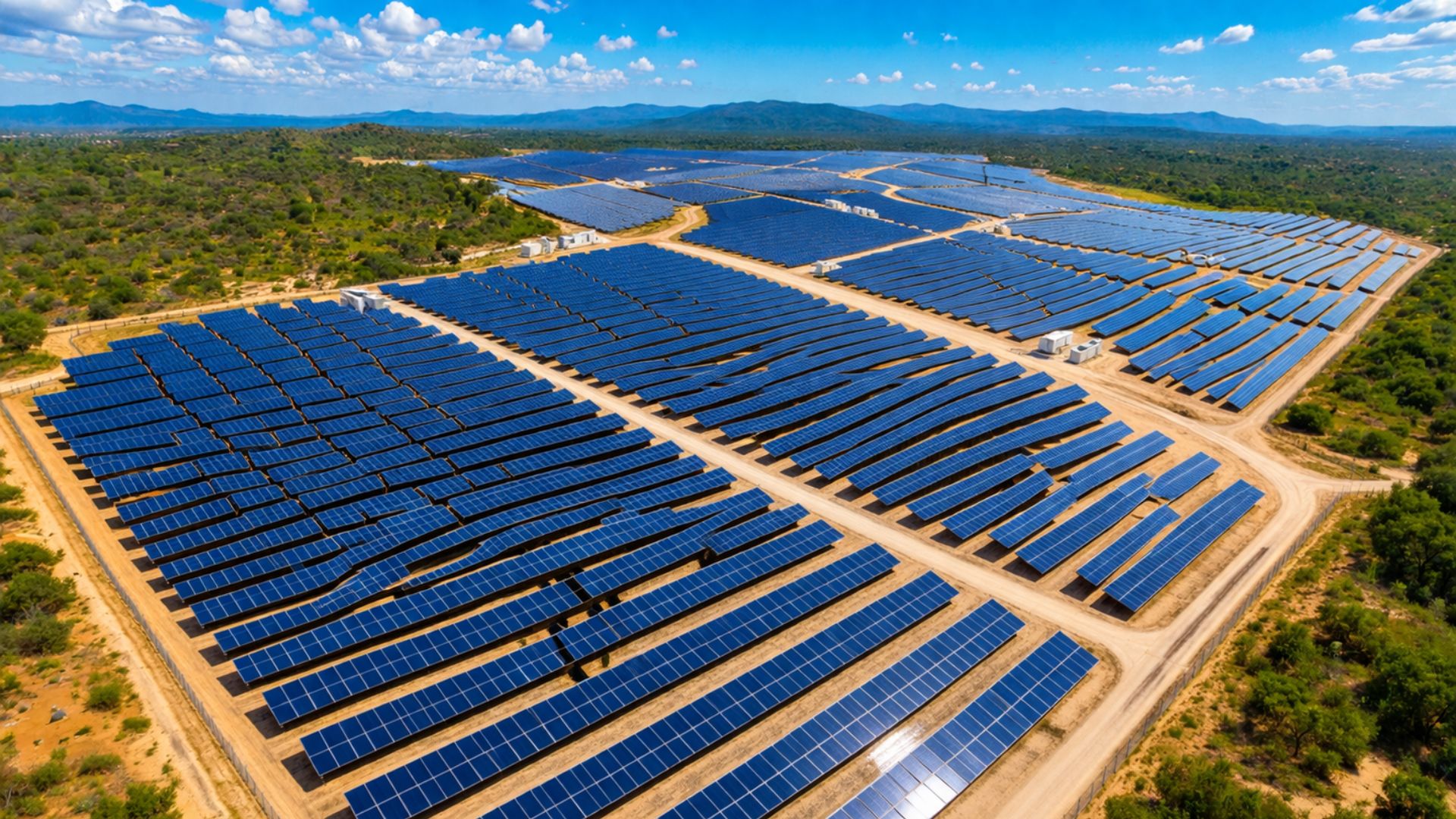
The Sol do Agreste Photovoltaic Complex begins operations in Pernambuco and accelerates the expansion of solar energy in Brazil, directly impacting the reduction of emissions and strengthening the sustainable energy matrix.
-
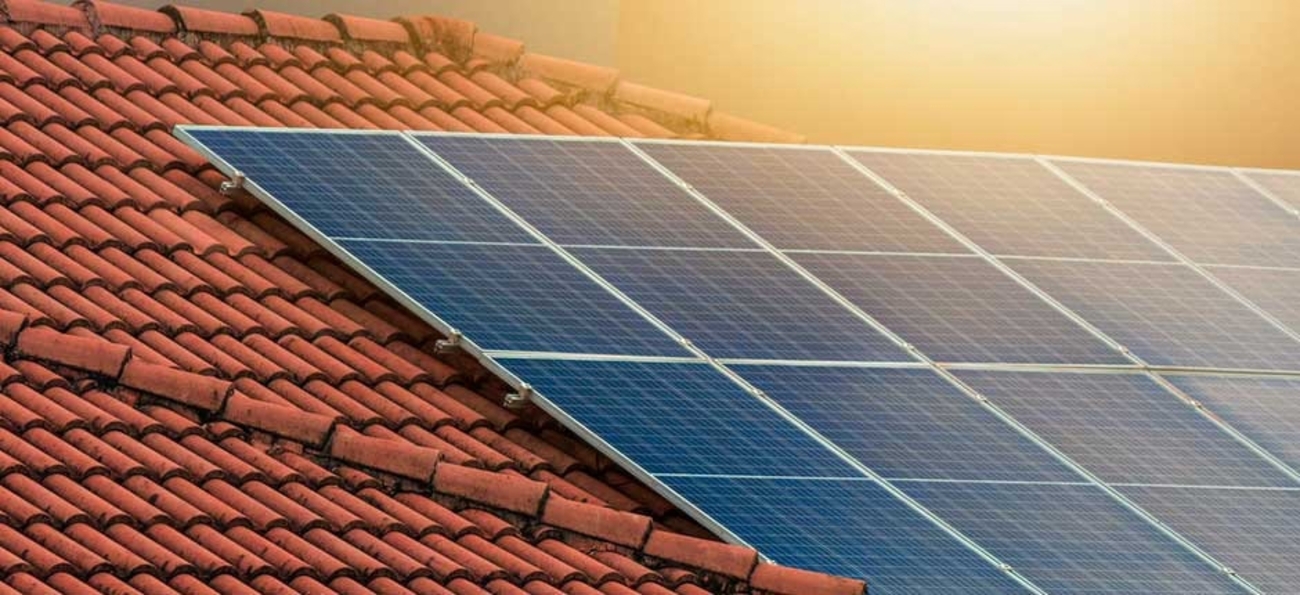
Roraima bets on the sun to escape high tariffs: Amid the energy crisis and price hikes, solar energy is growing in Roraima and transforming consumption in the North region.
-
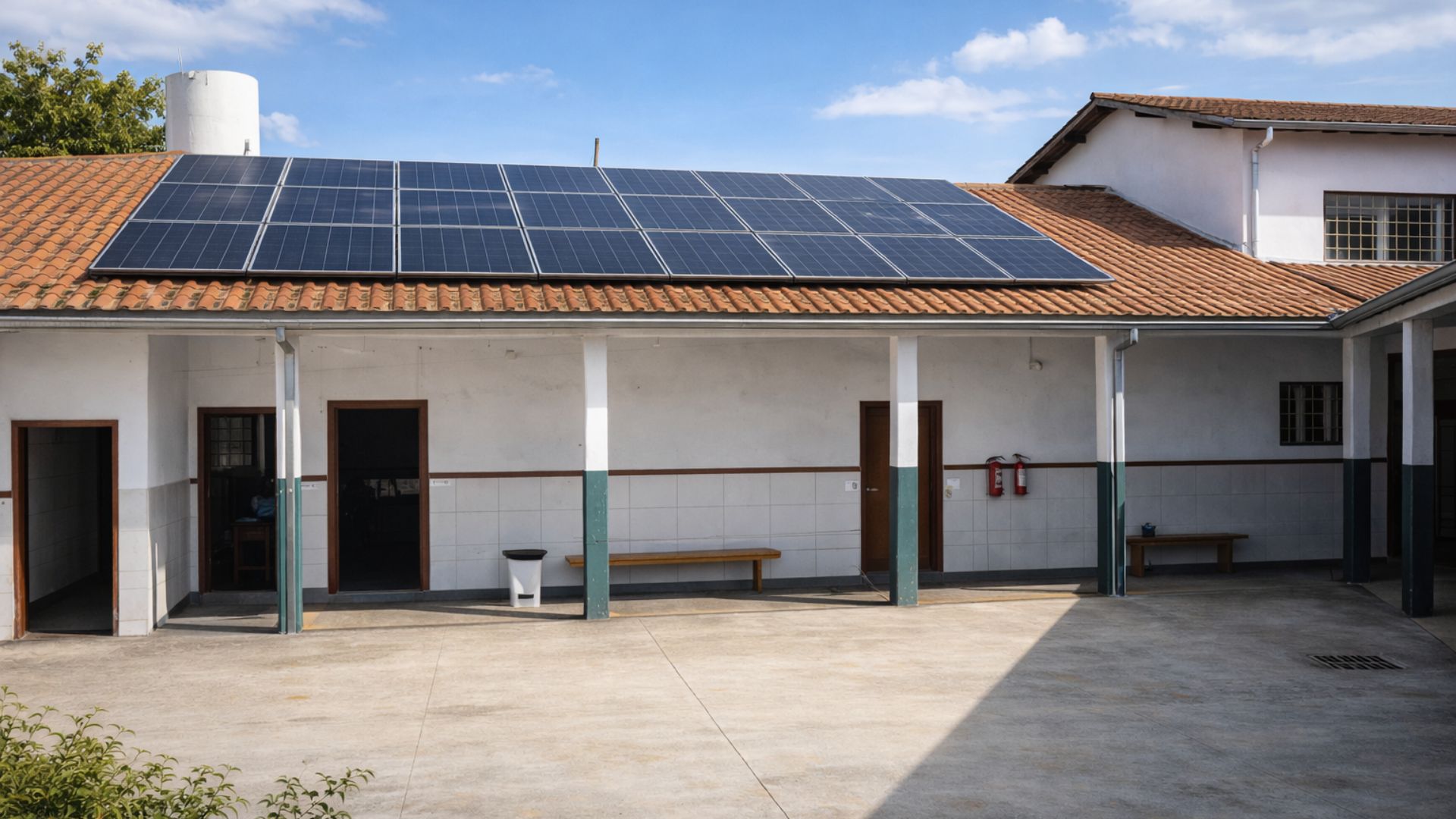
Copel boosts solar energy in Paraná and brings innovation to public schools, promoting savings on electricity bills, energy efficiency, and a direct impact on the quality of education.
-
Brazil reaches historic milestone in solar energy: Sector surpasses 2 million accumulated green jobs and generates billions in the national economy even under market pressure.
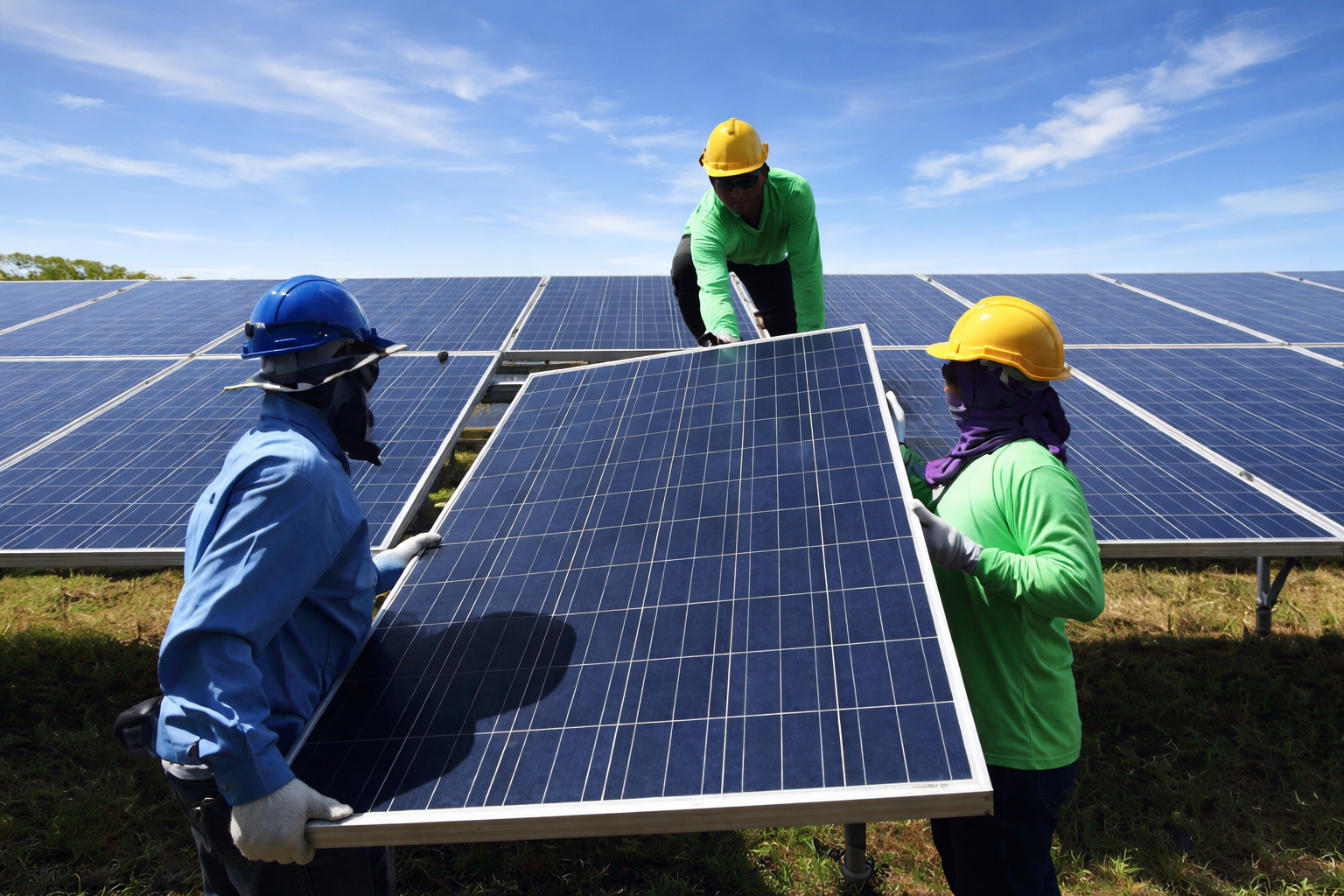

With the implementation of photovoltaic systems, the municipality aims to permanently reduce this expense, creating a self-sustaining source of clean and renewable energy.
According to the municipal administration, the estimated annual savings of R$ 260 thousand may vary up or down, depending on climatic conditions and energy consumption throughout the year. Nevertheless, the positive financial impact is considered significant, especially since this is a project with medium- and long-term benefits.
Solar Energy in Public Buildings Begins at the Municipal Palace
Work began at the Municipal Palace Eurípedes Pereira Coêlho and the Annex of the City Hall, two of the public buildings with the highest electricity consumption in the municipality. The choice follows technical criteria, prioritizing locations where financial and energy returns tend to be quicker.
The municipal administration’s strategy is to gradually expand the installation of solar energy to other public buildings, according to budget availability and the analysis of each unit’s energy consumption. In this way, the project is not limited to a one-off action, but is part of a broader plan for modernizing public infrastructure.
In addition to cost reduction, the initiative contributes to greater budget predictability, as it decreases dependence on fluctuations in the electricity sector.
Annual Savings Strengthen Investments in Essential Areas
The projected savings of about R$ 260 thousand per year provide a significant relief for the municipal budget. In small and medium-sized municipalities, amounts of this magnitude can be decisive for increasing investments in essential public policies.
With the reduction of expenses on electricity, the City Hall of Miracema do Tocantins gains more room to allocate resources to priority areas, such as school maintenance, acquisition of medications, improvements in urban infrastructure, and strengthening of social programs.
This type of recurring savings also contributes to a more balanced fiscal management, allowing for medium and long-term planning without compromising the quality of services provided to the population.
Solar Energy as a Strategic Alternative for the Public Sector
Solar energy is a renewable source derived from sunlight, used to generate electricity through photovoltaic panels. Unlike conventional sources, such as thermoelectric plants powered by fossil fuels, solar generation does not emit atmospheric pollutants or greenhouse gases during its operation.
This factor makes solar energy an important ally in addressing climate change, in addition to contributing to environmental preservation. In Brazil, photovoltaic generation has been consistently growing in recent years, driven by the abundance of solar radiation and the gradual reduction in installation costs. For the public sector, solar energy also offers advantages such as low maintenance costs, long equipment lifespan, and greater energy autonomy.
Public Buildings and Environmental Sustainability
The deployment of solar energy in public buildings goes beyond financial savings. It is an action with a strong environmental and symbolic impact, as it demonstrates the commitment of public power to sustainable and responsible practices.
By adopting clean energy sources, the City Hall of Miracema do Tocantins contributes to reducing the municipality’s carbon footprint, in addition to encouraging environmental awareness among the population. Schools, public agencies, and other municipal buildings serve as practical examples of the rational use of natural resources.
This type of initiative also strengthens the institutional image of public administration, associating the municipality with innovation, modernization, and socio-environmental responsibility.
Transfer of R$ 1 Million Enables Solar Energy Project
The initial investment necessary for the implementation of photovoltaic systems was made possible through a transfer of R$ 1 million, allocated by Senator Eduardo Gomes. This financial contribution was essential to make the project feasible, considering that solar energy installation incurs a higher initial cost.
Although the initial investment is significant, the return occurs over the years through the savings generated, making the project financially viable and sustainable. Studies in the energy sector indicate that photovoltaic systems usually pay for themselves in a few years, depending on consumption and local rates.
The partnership between the municipality and the legislator reinforces the importance of political articulation to make structuring projects aimed at sustainable development feasible.
Solar Energy and Trends in Brazil
The initiative in Miracema do Tocantins aligns with a national trend of expanding solar energy in Brazil. Data from the sector show that photovoltaic generation has been growing rapidly, both in residential systems and in public and business projects.
Municipalities investing in solar energy report significant cost reductions and greater budget stability, especially during periods of rising electricity rates.
Additionally, the decentralization of generation contributes to the security of the electrical system as a whole. In this context, the adoption of solar energy in public buildings consolidates as an efficient strategy aligned with energy transition policies.
Economy, Energy Autonomy, and Modern Management
The combination of economy, sustainability, and innovation makes solar energy a strategic tool for modern public management. By reducing dependence on the conventional grid, the municipality gains greater energy autonomy and financial predictability.
For the City Hall of Miracema do Tocantins, the project represents a significant advancement in the way public resources are managed, prioritizing long-term solutions instead of short-term measures. The expectation is that with the success of the initial implementation, the model can be expanded and serve as a reference for other cities in the region.
A Concrete Step Toward Efficiency and Sustainability
The implementation of solar energy in the public buildings of Miracema do Tocantins marks a concrete advancement in the pursuit of energy efficiency and fiscal responsibility. With investment made possible by federal transfer and expected significant annual savings, the municipality demonstrates that it is possible to combine efficient management, environmental sustainability, and improvement in public services.
By investing in clean and renewable energy, the municipal administration reinforces its commitment to the future, creating conditions for a more modern, economical, and environmentally responsible city, with direct benefits for the entire population.







Seja o primeiro a reagir!