





 English
  Francês
  Alemão
  Italiano
  Japonês
  Norueguês
  Portuguese
  Spanish
  5 min of reading
  0 comments


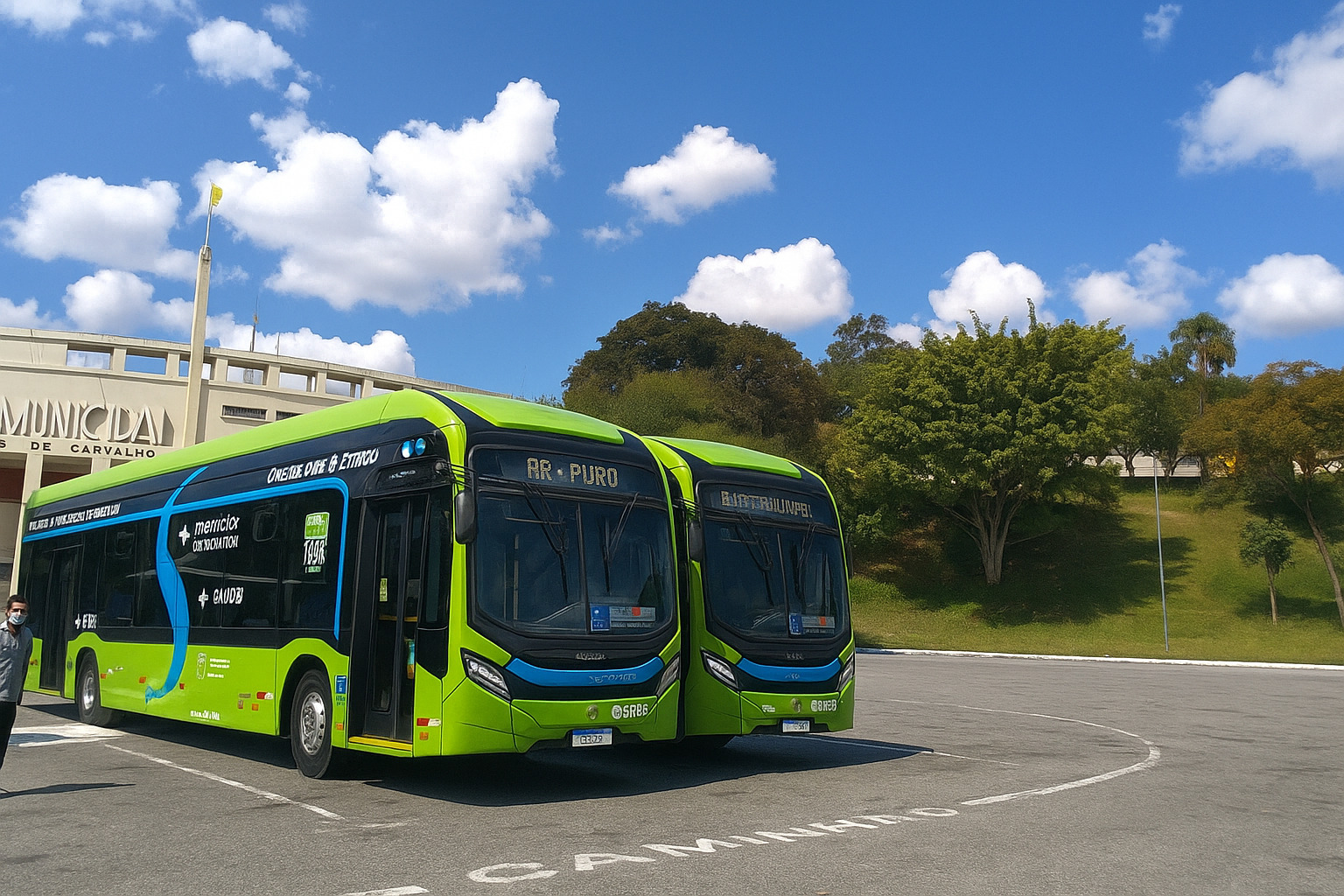
In Light Of Delays In Fleet Electrification, São Paulo Considers The Use Of Biogas As A Sustainable Solution To Accelerate Public Transport Decarbonization.
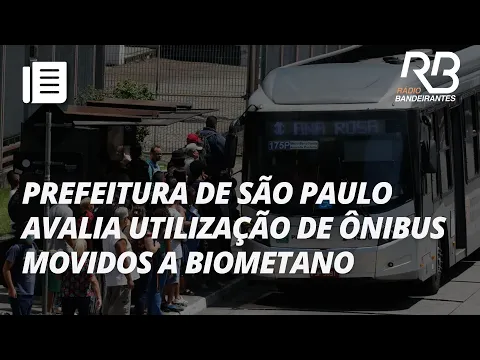
In recent years, as cities have grown, so has the concern for sustainability in public transport. In this context, São Paulo, considered the largest metropolis in Brazil, considers the use of biogas as a viable and immediate alternative to reduce pollutant emissions.
Initially, the city strongly bet on the electrification of the bus fleet. However, this process has faced significant obstacles.
The modernization of public transport requires robust infrastructure and integrated planning. However, when this process encounters technical bottlenecks, such as large-scale electrical connections, it is natural for alternatives to arise to keep environmental goals on track.
-
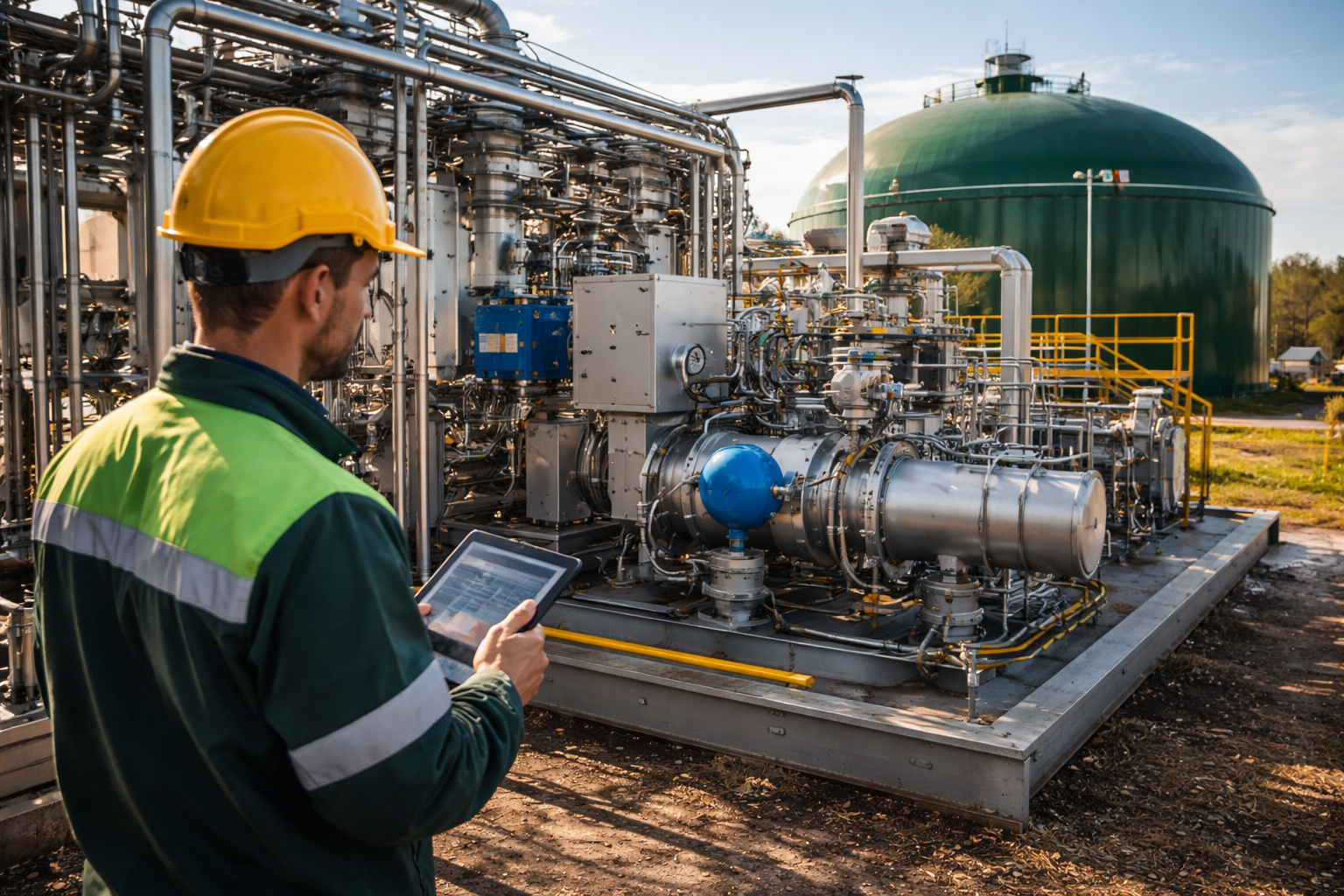
MAT Records Historic High in 2025 with Gas Compression System Installations Driven by the Advancement of Biogas in Brazil
-
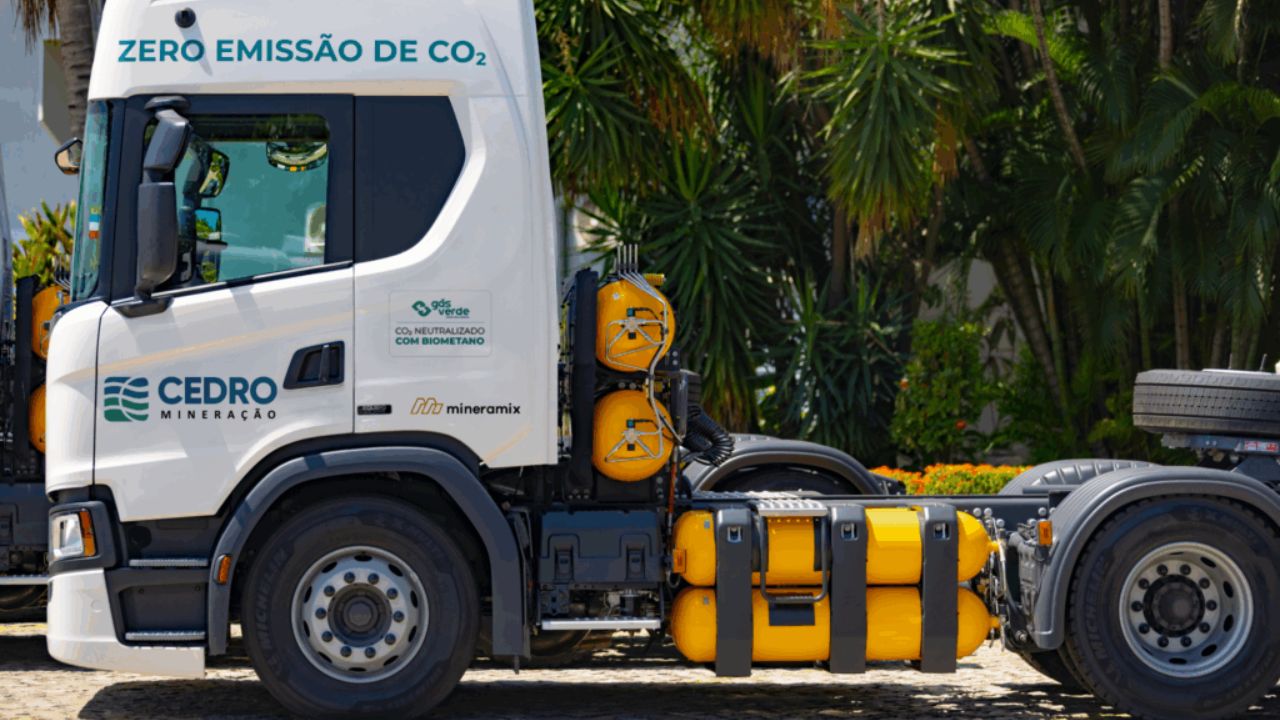
Cedro Mining and Green Gas Launch Decarbonization Pilot Project: Substituting Diesel with Natural Gas in Iron Ore Logistics in Minas Gerais
-
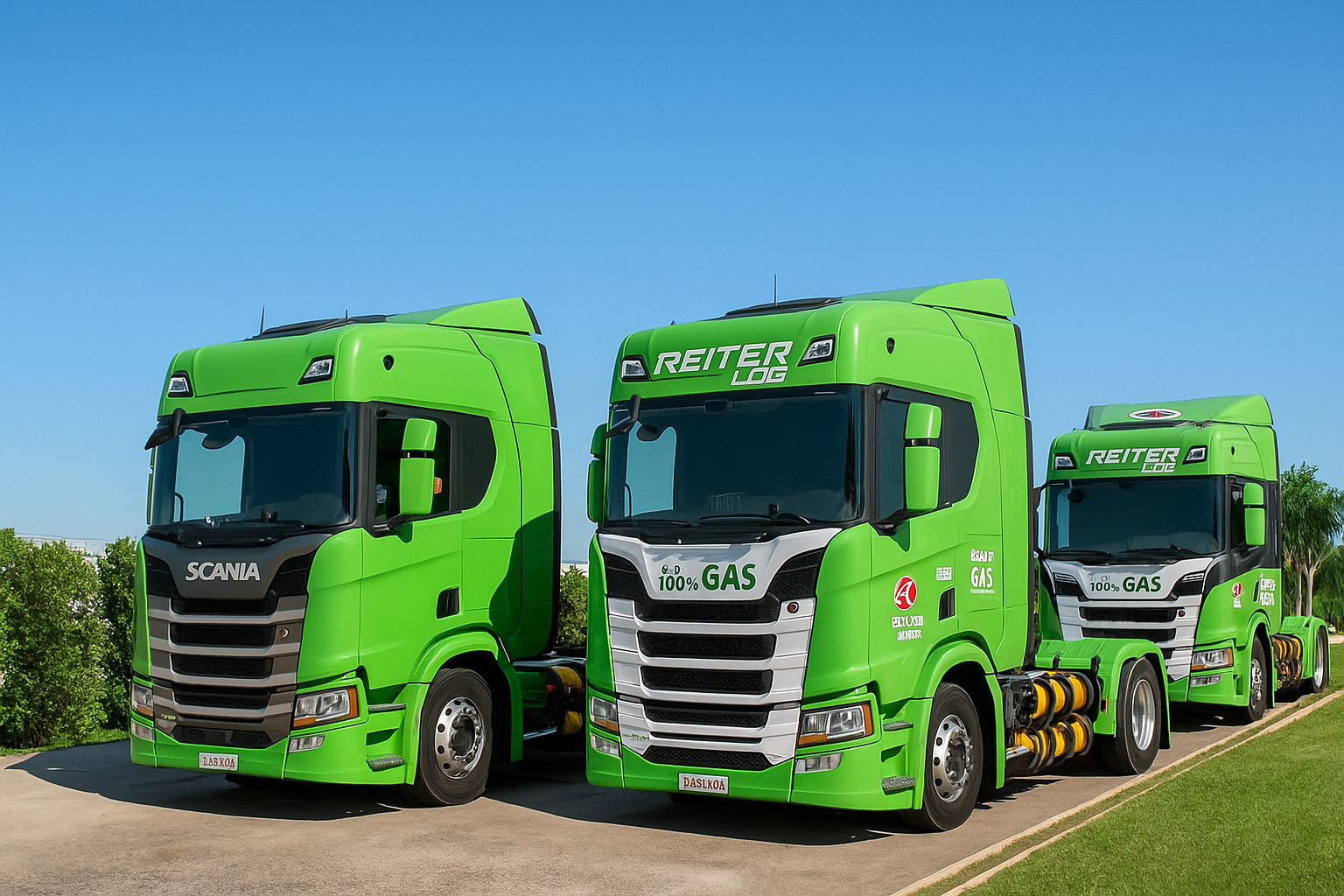
Reiter Log Group Invests In Biomethane Plant To Supply Fleet
-
Ministry of Transportation Presents Natural Gas Fueling Project for Trucks

For this reason, biogas emerges as a practical solution, especially in light of the difficulties with the energy utility responsible for the electrical infrastructure.
Enel Is Seen As An Obstacle To Electric Buses
According to Mayor Ricardo Nunes, the Enel has charged high rates to carry out energy connections, although it cannot deliver the service with the necessary agility.
As a result, many electric buses purchased by companies remain parked in garages.
Consequently, the delay directly affects decarbonization targets. Furthermore, the very timeline for fleet modernization suffers negative impacts.
For this reason, the city hall classified the utility’s actions as irresponsible and disengaged from the sustainable development of the city.
Thus, the municipal government considers the use of biogas as a way to ensure the continuity of the clean mobility plan.
By prioritizing alternatives, the city hall seeks to maintain a focus on results, even in the face of challenges posed by external factors.
The popular pressure for environmental improvements also plays a role. Increasingly, the population demands public policies aimed at health, clean air, and accessible mobility.
Thus, authorities must respond with agility and creativity, even when the initially planned paths encounter blocks.
Biogas: Practical And Sustainable Solution
First and foremost, it is important to understand what biogas is. It is a renewable gas, produced from the decomposition of organic waste such as household garbage, agricultural leftovers, and animal waste.
Through technological processes, this gas is purified and transformed into clean fuel.
Therefore, the use of biogas not only reduces pollutant emissions, but also prevents waste from being discarded.
Historically, Brazil has already developed similar solutions, such as ethanol, demonstrating the ability to create alternative energy sources with a strong positive environmental impact.
Furthermore, by opting for biogas, the city takes advantage of an abundant and low-cost resource.
This represents a gain not only for the environment, but also for the urban economy, especially if the fuel is produced locally.
By involving recycling cooperatives, waste treatment centers, and small rural producers, biogas also stimulates social inclusion and energy decentralization.
This model strengthens sustainable development in peripheral neighborhoods, creating opportunities for income, technology, and professional training.
Fleet Can Be Adapted At Lower Cost
According to the Secretary of Mobility and Transport, Celso Jorge Caldeira, diesel vehicles can be converted to operate on biogas, which accelerates the transition with lower investment.
This is particularly relevant considering that the electric bus project faces technical and logistical barriers.
Moreover, the city hall still intends to open bids to attract biogas producing and distributing companies.
With this, it is hoped to create a local productive chain, capable of supplying the fleet continuously and independently of the traditional electrical grid.
Even with delays, the goal remains: decarbonize the fleet by 2028.
Although the target has already undergone adjustments, the introduction of biogas may allow its resumption at an accelerated pace.
Currently, only 6.4% of the bus fleet is considered clean, but this number can grow rapidly with the new strategy.
Transport companies also show interest in this change, especially because biogas represents a viable, economical, and quickly adaptable solution.
Furthermore, the fuel can be stored more easily, without solely relying on complex electrical infrastructure.
Batteries Are Also Included In Emergency Plan
Alongside biogas, the city is investing in the installation of stationary batteries in seven garages.
These batteries, provided by Huawei, function as electric energy reservoirs.
Thus, they ensure the charging of buses even during peak times or where the electrical grid fails.
So far, 40 batteries have already arrived in São Paulo and will supply around 400 buses.
However, full implementation depends on authorization from SPTrans and final negotiations with Chinese partners, expected in the coming weeks.
Therefore, with coordinated efforts between biogas and batteries, the city hall aims to diversify the fleet’s supply and mitigate the risks of interruptions.
This hybrid approach seeks to ensure resilience and continuity in the advances of sustainable urban mobility.
SP Considers The Use Of Biogas: A Strategic Path For The Future Of Mobility
Thus, by considering the use of biogas, São Paulo demonstrates a willingness to innovate and adapt to circumstances.
While electrification is a promising path, it cannot be the sole pillar of the energy transition.
In this sense, biogas represents a complementary solution, which aligns with the technical and environmental conditions of the city.
With it, the city hall reinforces its commitment to sustainability, while navigating the current obstacles of electrical infrastructure.
Moreover, the utilization of organic waste as an energy source strengthens the concept of a circular economy.
Instead of generating only waste, São Paulo starts to transform its refuse into clean, efficient, and accessible fuel.
As a result, the city reduces its dependence on imported diesel, improves air quality, and stimulates job creation in new productive sectors.
Even though challenges persist, the combination of political will, technological innovation, and pragmatism paves the way for enduring solutions.
Finally, it is important to emphasize that sustainable urban mobility does not rely on a single solution.
The convergence of various clean sources — such as electricity, biogas, and stationary batteries — broadens possibilities and strengthens the long-term strategy.
Therefore, by opting for a more flexible energy model, São Paulo signals a future in which public transport becomes less polluting, more reliable, and, above all, compatible with the environmental challenges of the 21st century.









-

Uma pessoa reagiu a isso.