





 Portuguese
  English
  Spanish
 5 min of reading
  0 comments


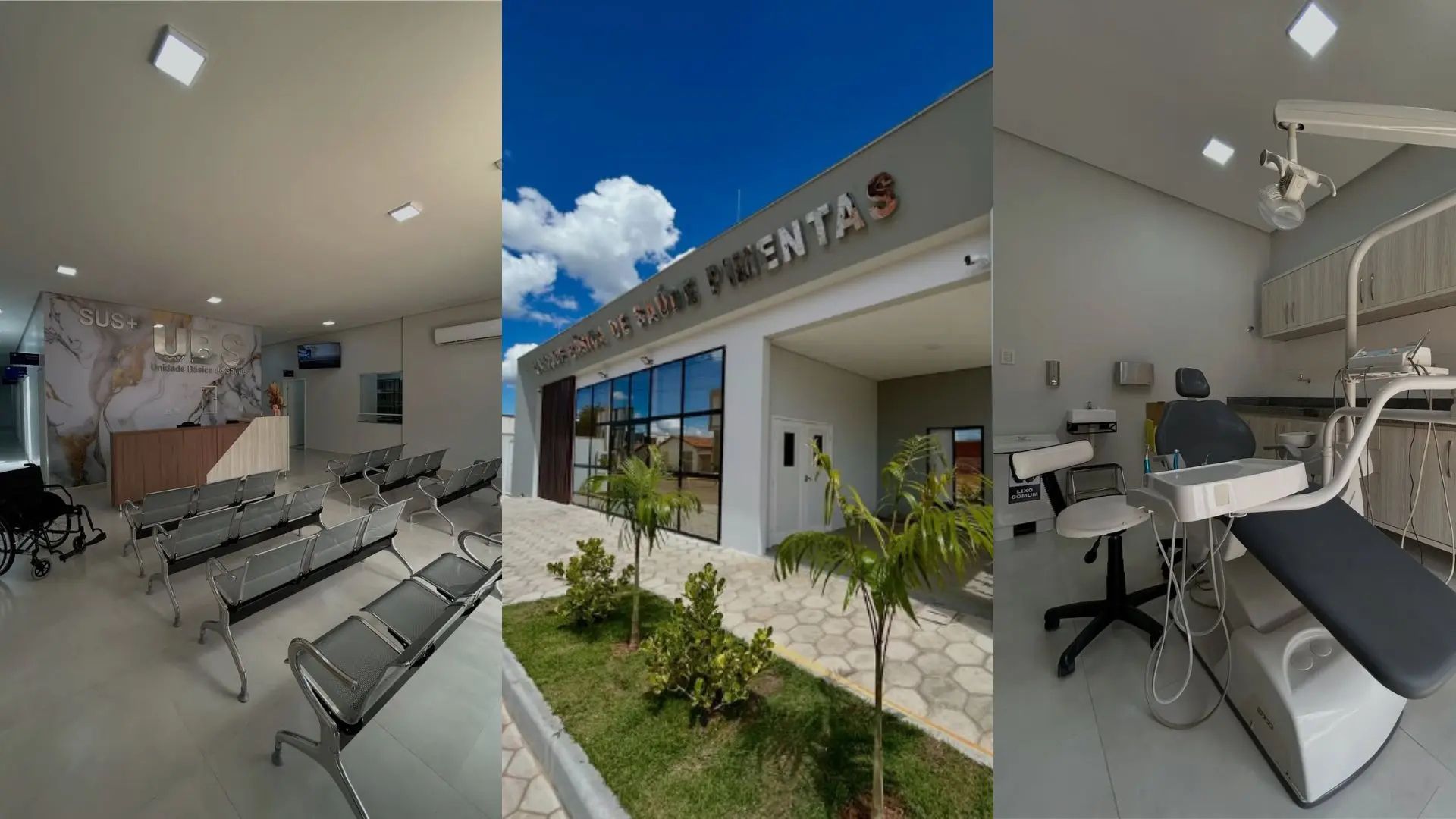
Modern Structure in Small City in Bahia Goes Viral by Displaying Uncommon Standard for Primary Care and Raises Debate About Public Investment and Transparency.
The inauguration of a health unit in Tanque Novo, in the southwest of Bahia, gained traction on social media after videos and photos showcased spacious environments, planned lighting, and finishing that internet users compared to private clinics and hospitals.
The images, shared in a sequence by local profiles and national reach pages, began to circulate with descriptions calling the building an “UPA,” although the narrative published by the municipal administration refers to the facility as a Basic Health Unit, the entry point for primary care.
According to the numbers released in the publications associated with the announcement, the structure would have capacity to serve over 4,500 people, which would correspond to around 1,350 families, focusing on services such as consultations, nursing, vaccination, and regular follow-up.
-
Friends have been building a small “town” for 30 years to grow old together, with compact houses, a common area, nature surrounding it, and a collective life project designed for friendship, coexistence, and simplicity.

-
This small town in Germany created its own currency 24 years ago, today it circulates millions per year, is accepted in over 300 stores, and the German government allowed all of this to happen under one condition.

-
Curitiba is shrinking and is expected to lose 97,000 residents by 2050, while inland cities in Paraná such as Sarandi, Araucária, and Toledo are experiencing accelerated growth that is changing the entire state’s map.

-
Tourists were poisoned on Everest in a million-dollar fraud scheme involving helicopters that diverted over $19 million and shocked international authorities.


Alongside the praise for the building’s appearance, the viral spread reignited demands for transparency regarding costs and funding, since the posts that propelled the topic did not display spreadsheets, contracts, or consolidated values that would allow immediate public verification.
UBS Structure in Tanque Novo Attracts Attention on Social Media

Modern-looking offices, well-lit corridors, and organized internal areas dominated the records that spread on social media, with emphasis on finishes and details that some users classified as “high standard” for the everyday context of the SUS.
The aesthetics became the main driver of engagement, as many users automatically associated a more refined architectural project with private services, while others pointed out that comfort, accessibility, and good organization are also part of dignified care.
Amid the visual impact, comments arose questioning whether the images were real, with suspicions about editing and even the use of artificial intelligence, which broadened the content’s reach and stimulated new posts with different angles of the same building.
Profiles linked to the municipal administration responded by highlighting that the unit was delivered to function on a day-to-day basis, stating that the goal was to provide an “impeccable” facility for everyday care, and not just for an inauguration ceremony.
Tanque Novo and the Contrast Between the Size of the Municipality and the Quality of the Construction
The surprise was also related to the size of the municipality, often described in the publications as a city of just over 17,000 inhabitants, a figure attributed to the IBGE in the material that circulated with the videos and shared texts.

This contrast, between the scale of a small city and the appearance of a building seen as sophisticated, fueled comparisons with larger centers, reinforcing the perception that a well-finished structure would be a “luxury” in lower-budget areas.
Still, the size of the municipality does not change the central function of primary care, which organizes the initial search for care, promotes prevention, sustains vaccination, and monitors chronic conditions, in addition to referring cases to more complex levels when necessary.
When the physical space is well-designed, the flow tends to be less improvised, with separation of areas, more organized reception, and better conditions for storing supplies, factors that can influence the user experience regardless of the finishing.
Pimentas Neighborhood and Estimated Coverage of 4,500 People
The disclosures associated with the inauguration indicate that the unit is located in the Pimentas neighborhood, and that care would be directed to residents of the area, using the estimated coverage of 4,500 people, or about 1,350 registered families, as a reference.
These numbers, however, appeared summarized in the posts and in records of the ceremony, without broad public detailing about team designs, the division of rooms by purpose, the complete service portfolio, and the expected operational routine.
Nonetheless, the provision of services such as medical consultations, nursing follow-up, and vaccination fits the typical role of a UBS, which usually concentrates ongoing prevention and care actions, in addition to initial care for common demands.
The ceremony, according to the shared records, was attended by the mayor and vice-mayor, mentioned as participants of the act, although the material that went viral does not uniformly bring complete details such as names, exact date, and official program.
Debate About the Construction Cost and Transparency in Public Investment
With the unit under the spotlight, part of the comments focused on praising the quality of the construction, while another part questioned how much the work cost, what sources of funding were used, and whether the municipality’s priorities were respected in the investment.
This type of discussion intensifies when a public work goes viral, as the appearance of the building becomes a shortcut to demand planning and spending control, especially when the information circulates without attachments of contracts, measurements, and values for immediate verification.
Without consolidated and easily accessible official data on total budget, funding, and timeline, it is not possible to state with certainty whether the cost was high or low relative to municipal standards, nor to compare the work with other similar deliveries.
At the same time, the repercussion showed how infrastructure influences the perception of SUS quality, as the idea of “precariousness” often imposes itself as a stigma, even when what determines the outcome is the regularity of the service and the team.
Continuous Care Is a Decisive Factor Beyond Appearance

The appearance can attract attention, but the effectiveness of a basic unit often depends on less visible factors, such as building maintenance, supply availability, team stability, and service scheduling, in addition to the capacity to follow patients over time.
In the routine of those who depend on public care, well-organized reception, available vaccination, and continuous monitoring of conditions such as hypertension and diabetes tend to be decisive, as they reduce complications and prevent unnecessary visits to emergency services.
For this reason, the real impact of a delivery like this tends to be perceived with regular operation, when queues, appointments, follow-ups, and referrals begin to show whether the physical structure, by itself, came with operational capacity.
While the images continue to symbolize a work that deviated from the visual associated with health posts, the public debate continues to revolve around the same point: the transparency of the investment and the assurance that the promised standard reflects in daily care.









Seja o primeiro a reagir!