





 Portuguese
  English
  Spanish
 4 min of reading
  0 comments


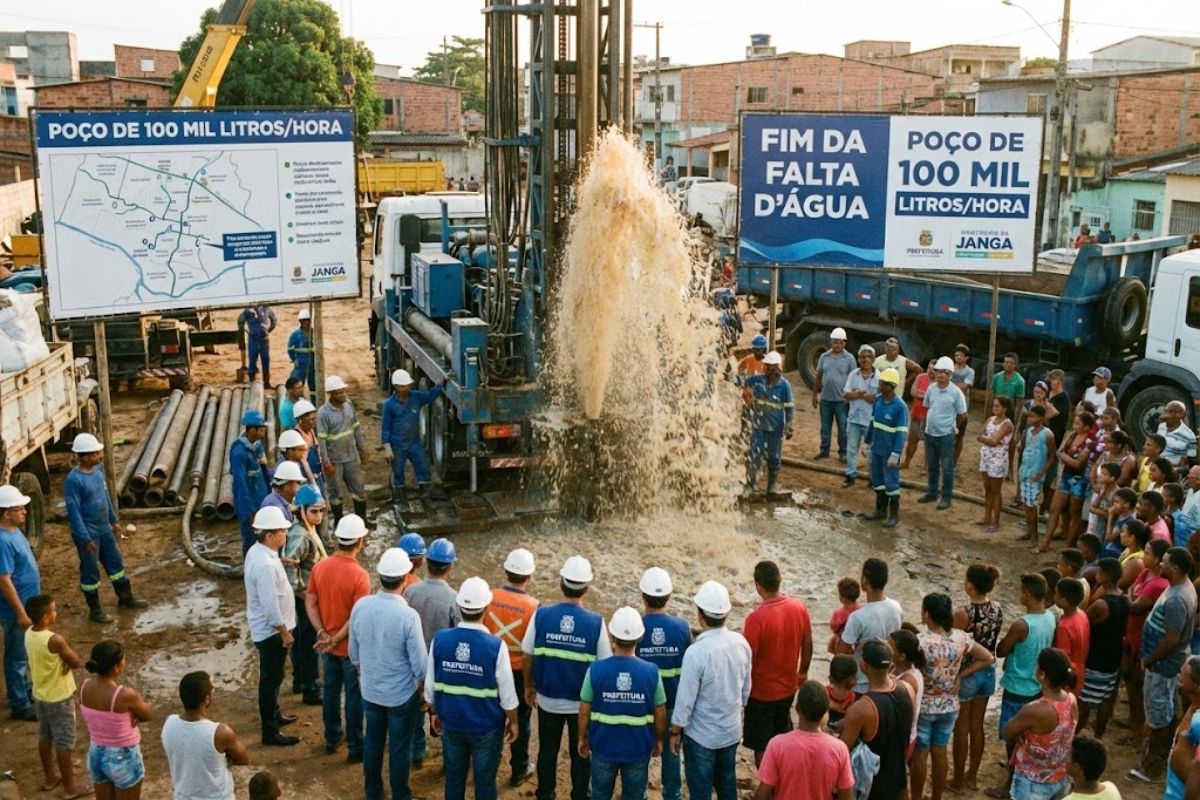
New Tubular Well in Janga, Executed by Compesa and Paulista City Hall, Is Expected to Inject 100 Thousand Liters per Hour into the Water Supply, Alleviate the Historical Water Shortage, Reinforce the Pressure in the Network, and Integrate Four Emergency Works Against the Dripping Faucet in the Neighborhood with Chronic Shortage.
In November, the Paulista City Hall announced, alongside Compesa and the Government of Pernambuco, the implementation of a tubular well in Janga to reinforce the water supply in an area marked by dripping faucets and constant complaints of water shortages, in yet another attempt to stabilize the supply for thousands of residents in the northern coast.
According to the announcement made on the 19th, the new well is expected to inject about 100 thousand liters per hour into the network serving Janga, being part of a package of four wells promised for the neighborhood, with completion of this first work scheduled for February and gradual improvements throughout the first semester. The official expectation is that the set of interventions will reduce the intermittency in supply and relieve the pressure on a system considered insufficient by residents.
Well Announcement Brings Together Paulista City Hall and Compesa in Janga

The well announcement event took place in Janga, attended by Mayor Severino Ramos, Councilman Robertinho, Government and Cabinet Secretary Fabiano Santos, and Compesa Representative Thiago Florêncio.
-
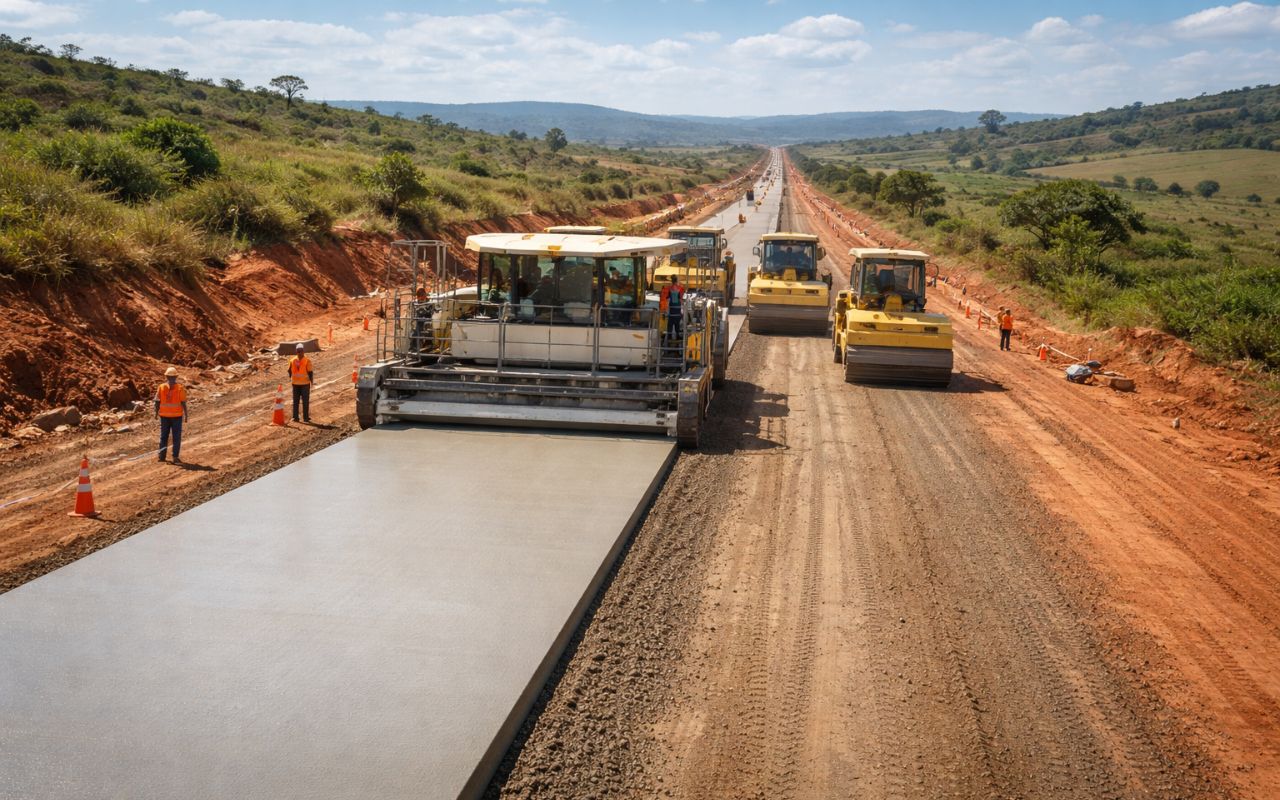
New CCR concrete paving technology promises roads up to 3x more durable, less maintenance, and cost reduction in Brazil.
-
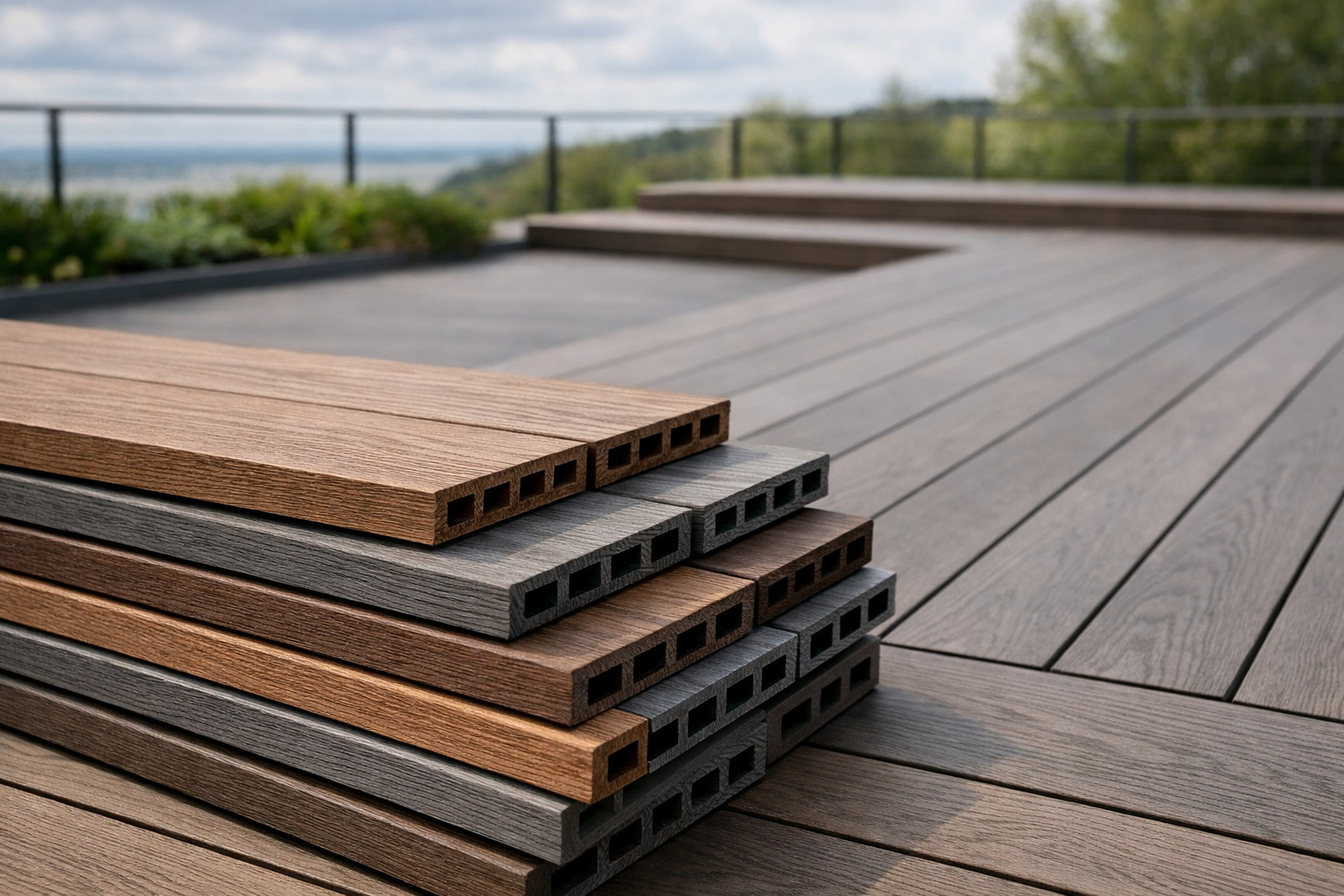
Made from recycled plastic, plastic wood is gaining space in the construction industry because it does not rot, resists moisture, and reduces maintenance costs over the years.
-
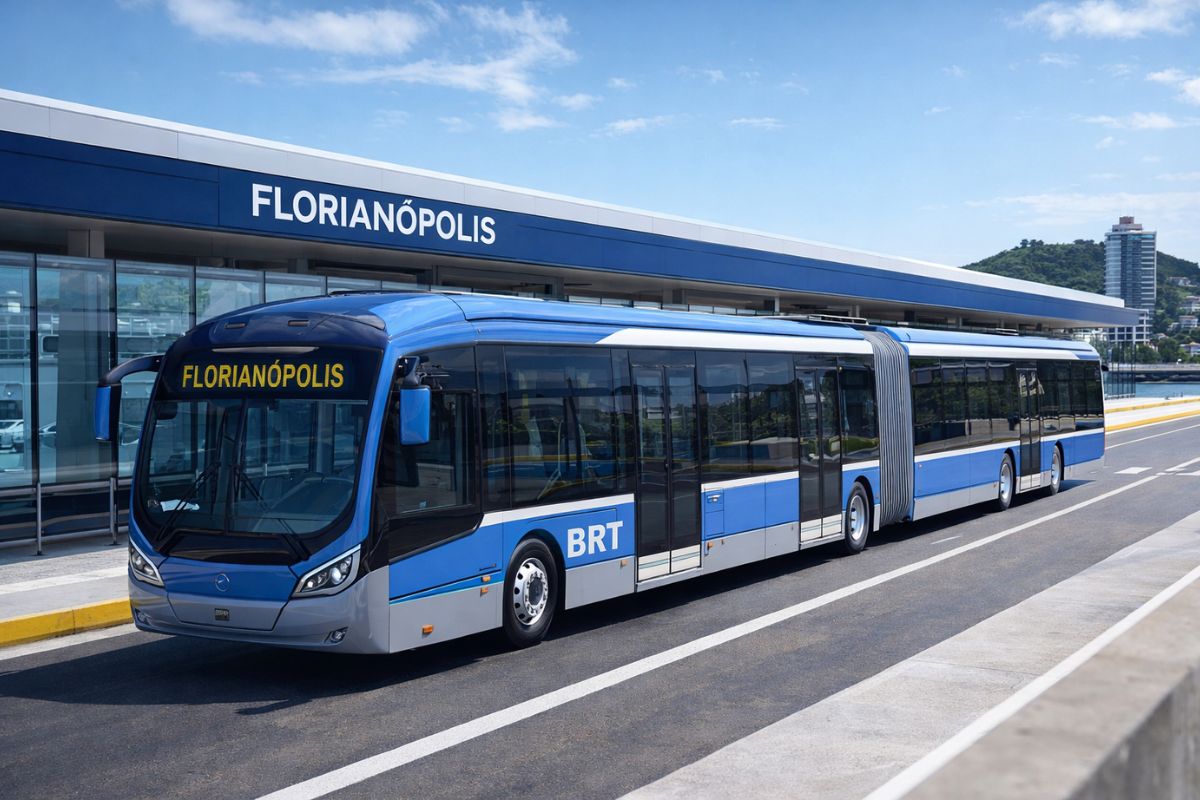
Florianópolis will receive a million-dollar BRT that will begin construction in 2026 with nearly 400 million in funding from the federal government and the Inter-American Development Bank, and the map already shows the routes for the exclusive bus corridors.
-
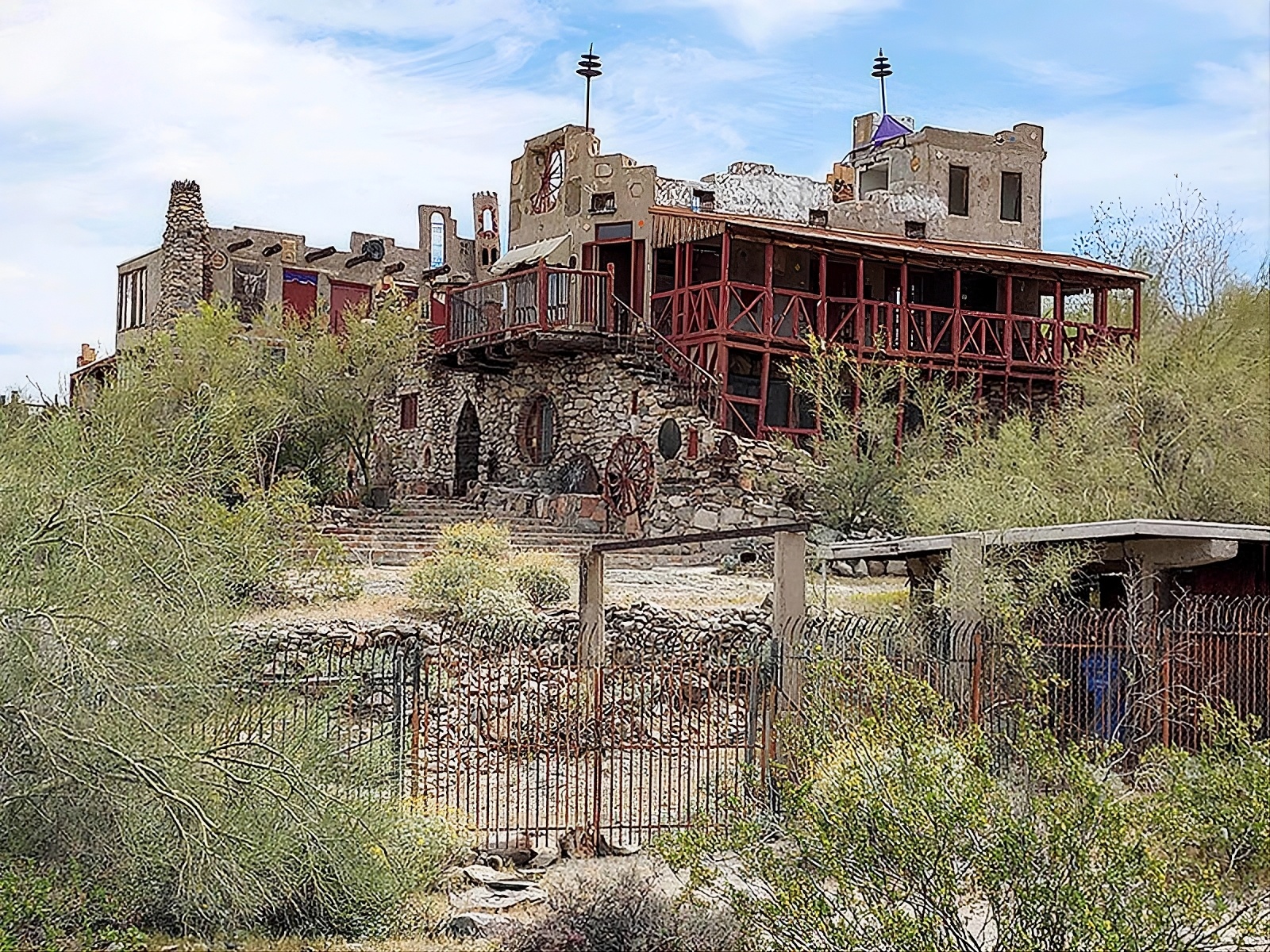
Without a blueprint, without an engineer, and using scrap from the dump, a father spends 15 years building an 18-room castle for his daughter, featuring tram tracks, 13 fireplaces, and over 700 m², which may now be demolished.

The scene reinforced the political and technical nature of the intervention, focused on one of the neighborhoods with the most critical water complaints in the city.
During the visit to the site where the well will be drilled, the mayor highlighted that the project is being executed by the State Government, through Compesa, and that the Paulista City Hall is involved in the local coordination and monitoring of the neighborhood’s needs.
For the municipal management, the well is presented as a direct reinforcement to the water supply in Janga, promising more comfort and stability for the residents.
100 Thousand Liter Per Hour Well and Package of Four Promised Works
According to Councilman Robertinho, the new well should generate 100 thousand liters of water per hour for the network that supplies Janga, volume that, according to the official discourse, will help reduce the pressure on a system that today cannot meet the neighborhood’s demand.
The councilman emphasized that the plan includes the implementation of four wells, with the first concentrated in the area visited this Wednesday.
The announced forecast is that this well will be completed in February, with the next drilling starting thereafter, forming a set of four works.
The strategy is to stagger the wells’ operational entrance so that the increase in flow is felt progressively in the water supply of Janga, without the need for major interruptions in the current supply.
Neighborhood with Dripping Faucet Awaits Relief from Water Shortage
Janga is described by the government itself as a neighborhood that lives with dripping faucets, with residents organizing to store water and cope with periods of low pressure and interruptions.
The water shortage is treated as a chronic problem, affecting daily routines, local commerce, and basic services that depend on regular supply.
With the new well, the Paulista City Hall and Compesa state that there will be a direct reinforcement in the network’s pressure, especially in higher areas and in streets where the flow is more unstable.
The declared goal is that the well will reduce the time when the faucets are only dripping and increase the number of hours with sufficient water for families’ daily use.
Technical Structure and Responsibilities for the Well’s Execution
The execution of the well will be under the responsibility of the Government of Pernambuco, through Compesa, while the Paulista City Hall acts as a local partner, signaling critical areas, enabling the land, and monitoring the timetable.
The institutional design divides responsibilities between the state and municipality, seeking to accelerate the work without compromising the technical control of the sanitation company.
According to the participants of the event, the well is part of a larger strategy to increase flow for Janga, including network studies, operational adjustments, and planning for the other three promised wells.
In practice, the new well is treated as the first concrete step of a package of four drillings that, if completed, should result in a significant increase in water supply for the neighborhood.
Expectations for the First Semester and Demand for Concrete Results
Projecting improvements for the first semester, Compesa representative Thiago Florêncio stated that the company is working to improve the water supply conditions of a neighborhood that “needs it so much”, emphasizing that the operation of four wells should directly impact the available volume in Janga’s network.
On the population’s side, the demand tends to focus on the compliance with the schedule and the actual effect of the well in daily life.
Residents have been following similar announcements for years in different regions of the Metropolitan Area, and the expectation is that this well and the others will truly deliver more hours of water at the faucets, reducing the routine of containers scattered throughout the house to store the little that arrives.
In your opinion, a well capable of 100 thousand liters per hour and the promise of four works will be enough to end the dripping faucet and water shortage in Janga?










Seja o primeiro a reagir!