





 Portuguese
  English
  Spanish
  2 min of reading



The Loss of Oi Is Causing Consternation Among the Company’s Executives and Its Shareholders.
In 2022, the company reported a net loss of R$ 17.6 billion in the fourth quarter, a result far below expectations for the last quarter of the year. These concerning numbers have raised many doubts about the company’s future and significantly impacted the stock market.
To understand the reasons behind Oi’s loss, it’s important to analyze each financial indicator individually. The company’s routine Ebitda (earnings before interest, taxes, depreciation, and amortization) totaled R$ 396 million in the last quarter, representing a 75.4% decrease compared to the same period the previous year.
This result is mainly due to the decline in revenue from the company’s discontinued operations, following the total divestment of the UPI Mobile Assets and partial divestment of the UPI InfraCo. Consequently, the consolidated net revenue from Brazilian operations also showed a 42.1% decline compared to the previous year. Compared to the third quarter of 2022, there was a 4.7% decrease in net revenue. For the entire year, the drop was 29.5%. Finally, the Ebitda margin also experienced a 19.7 percentage points decline in the annual comparison.
-
With an investment of R$ 612 million, a capacity to process 1.2 million liters of milk per day, Piracanjuba inaugurates a mega cheese factory that increases national production, reduces dependence on imports, and repositions Brazil on the global dairy map.

-
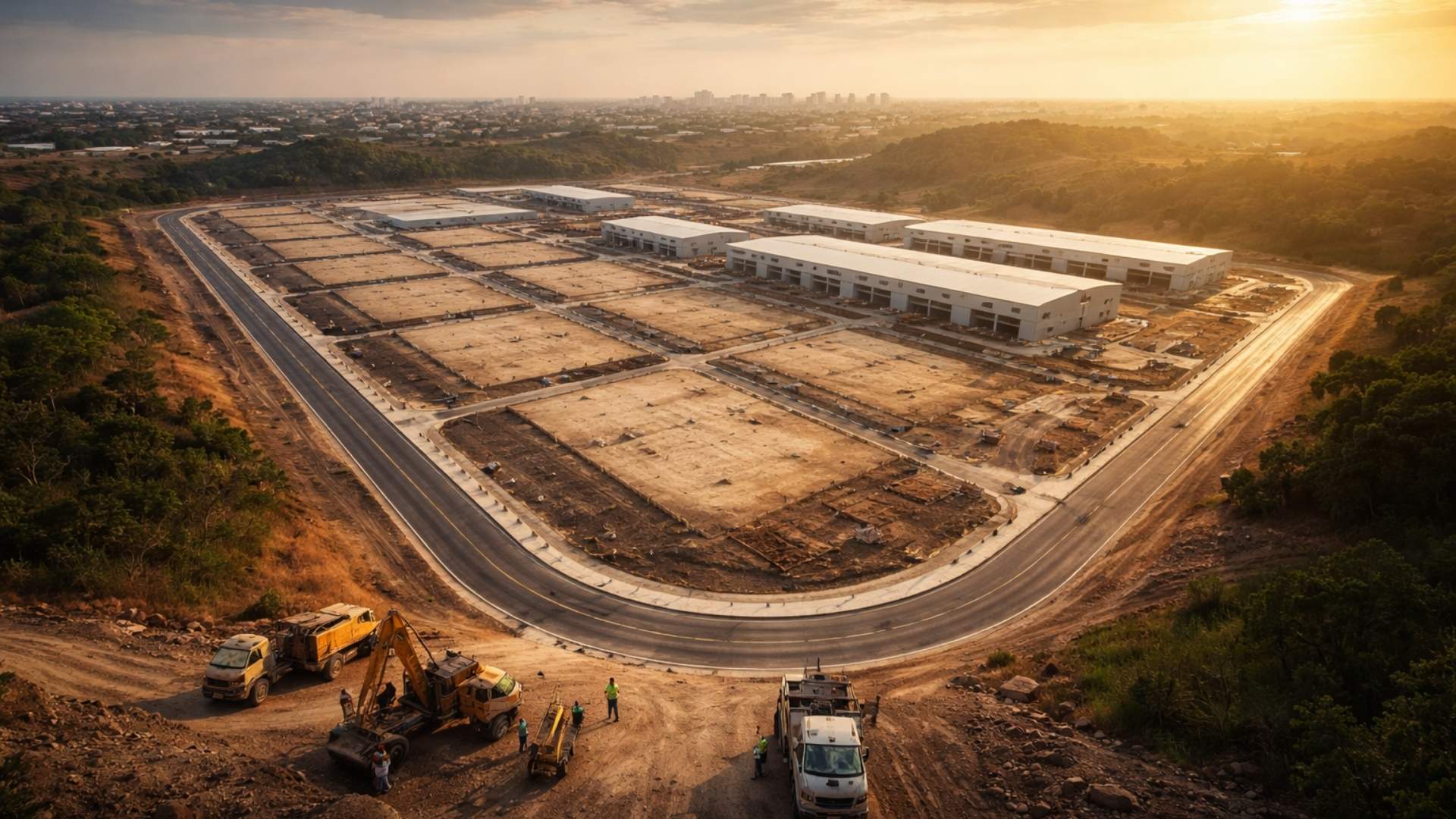
Brazilian city gains industrial hub for 85 companies that is equivalent to 55 football fields.
-
Peugeot and Citroën factory in Argentina cuts production by half and opens a layoff program for more than 2,000 employees after Brazil drastically reduced purchases of Argentine vehicles.

-
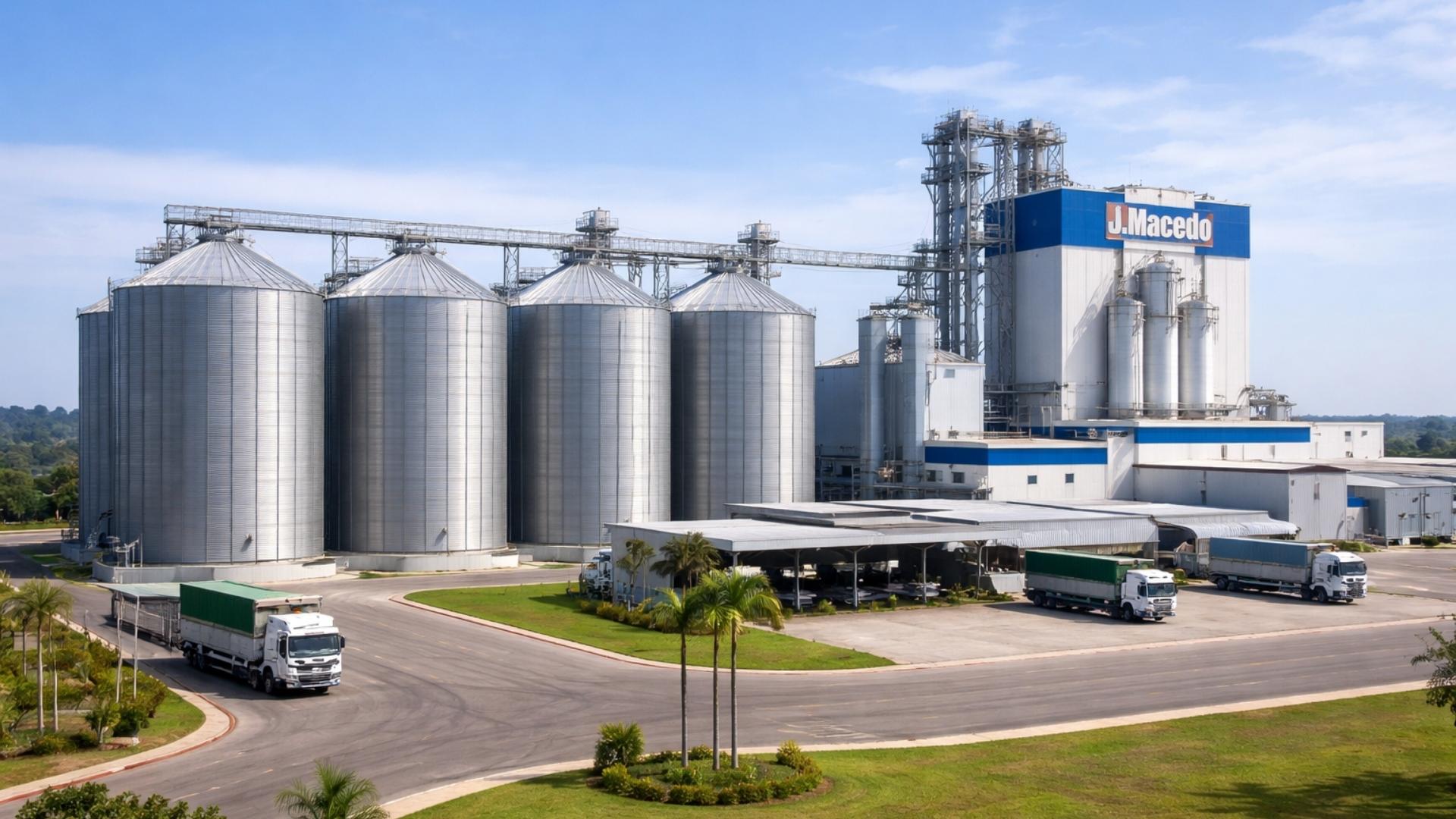
A Brazilian city gains a factory worth R$ 300 million with the capacity to process 200 thousand tons of wheat per year, a mill of 660 tons/day, silos for 42 thousand tons, and an industrial area of 276 thousand m².

What Are the Impacts of Oi’s Loss?
As expected, Oi’s loss had significant impacts on the stock market, directly affecting the company’s shareholders. The decline in financial indicators also poses a threat to the company’s future and may harm its relationships with investors and creditors.
At the same time, Oi’s losses have driven the market for the company’s asset acquisitions, as the company seeks to divest its assets to pay off its debts. This may create opportunities for new players in the telecommunications market and provide more options for consumers.
To avoid losses in companies, it is essential to have good financial management and to constantly analyze the company’s performance indicators. An efficient team in controlling and financial planning can help prevent problems and identify growth opportunities for the business.
Oi: Quarterly Balance Sheet – Debt, Loss, and the Positive Aspects of Operations










Seja o primeiro a reagir!