





 Português
  Inglês
  Espanhol
  2 min de leitura
  0 comentários


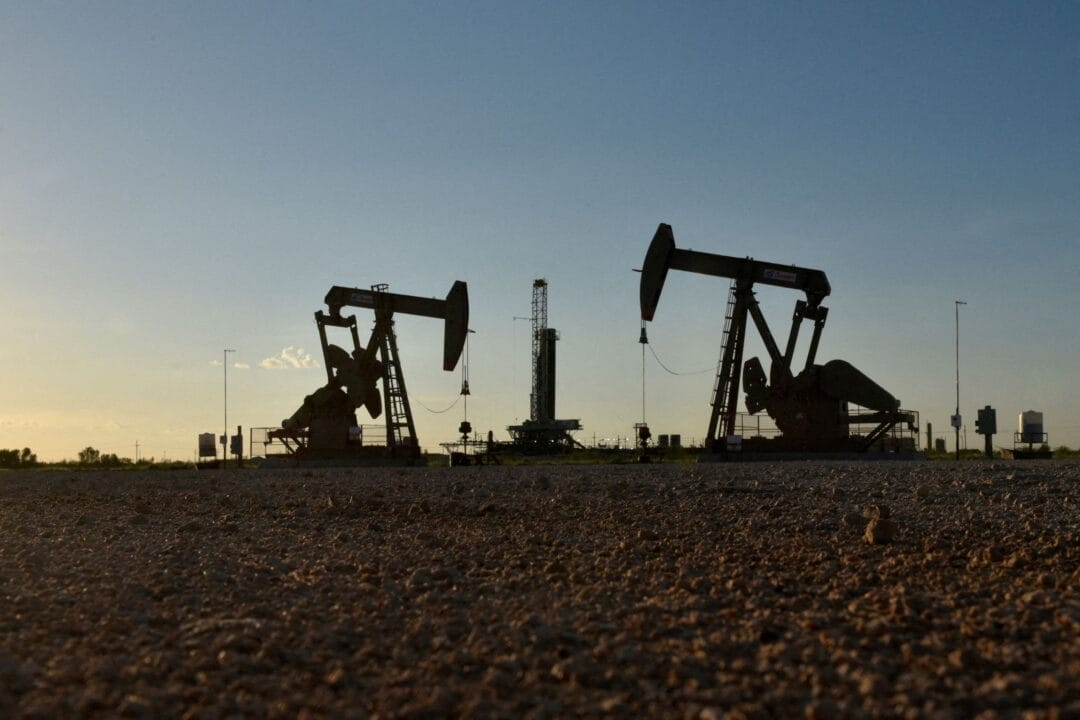
Futures Of Brent Were Priced At US$ 90.48 The Barrel, However, It Registered A Decrease Of Approximately 2% Over The Week.
Oil prices have been in the spotlight in recent days due to tensions in Israel and Gaza, raising concerns about global oil supply. On Friday, Brent crude futures rose about 3%, hitting a week’s high, while U.S. West Texas Intermediate (WTI) futures also recorded a 2.8% increase. This is due to fears that tensions between Israel and Gaza could escalate into a wider conflict, affecting oil supply worldwide.
One of the immediate consequences of this rise in tensions was the increase in the Brent Over WTI premium, which reached its highest level since March. This makes it more attractive for energy companies to send ships to the U.S. to collect oil for export. However, throughout the week, both Brent and WTI saw declines of about 2% and 4%, respectively.
Negotiations between the militant group Hamas and Israel, led by Qatar and in coordination with the U.S., have been tumultuous. At the beginning of the session, oil prices rose more than 2 dollars per barrel, after U.S. military forces hit Iranian targets in Syria. However, prices soon turned briefly negative as markets digested reports on the mediation negotiations.
-
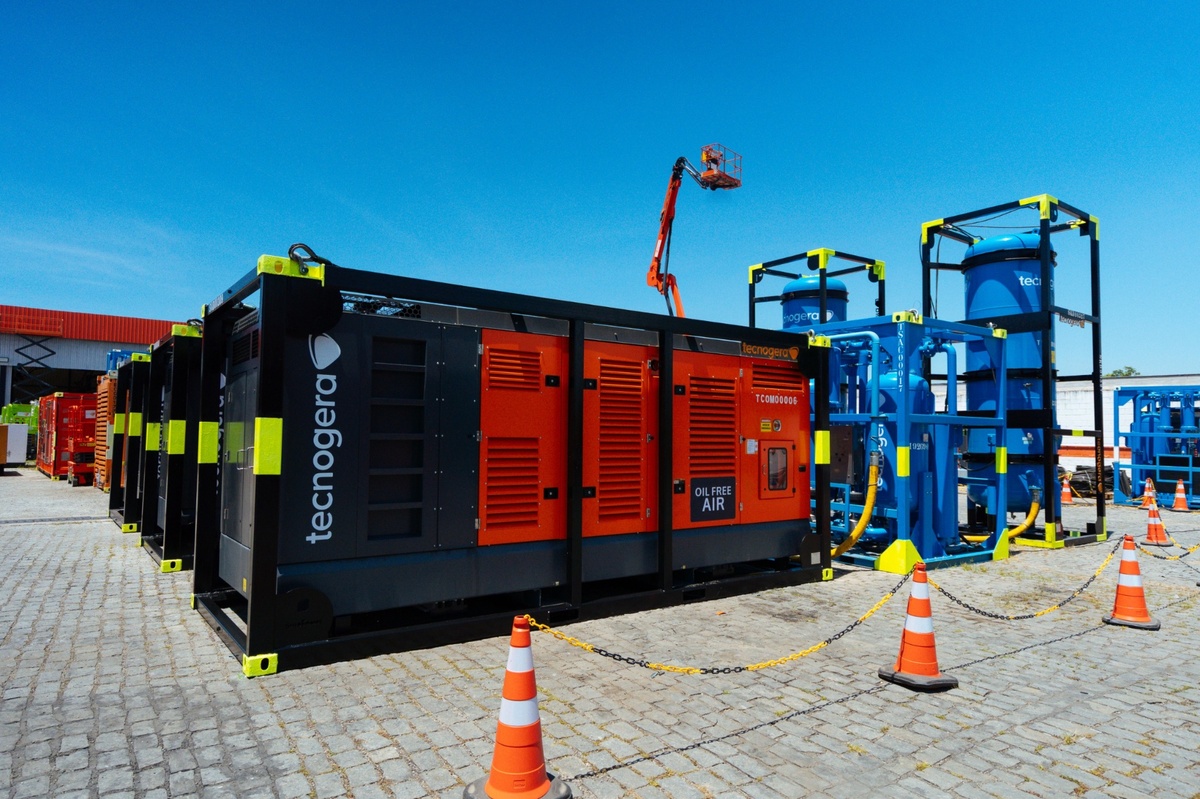
Offshore industrial demand in Macaé skyrockets with the recovery of oil and gas and could grow by up to 396% by 2026 in the Campos Basin.
-
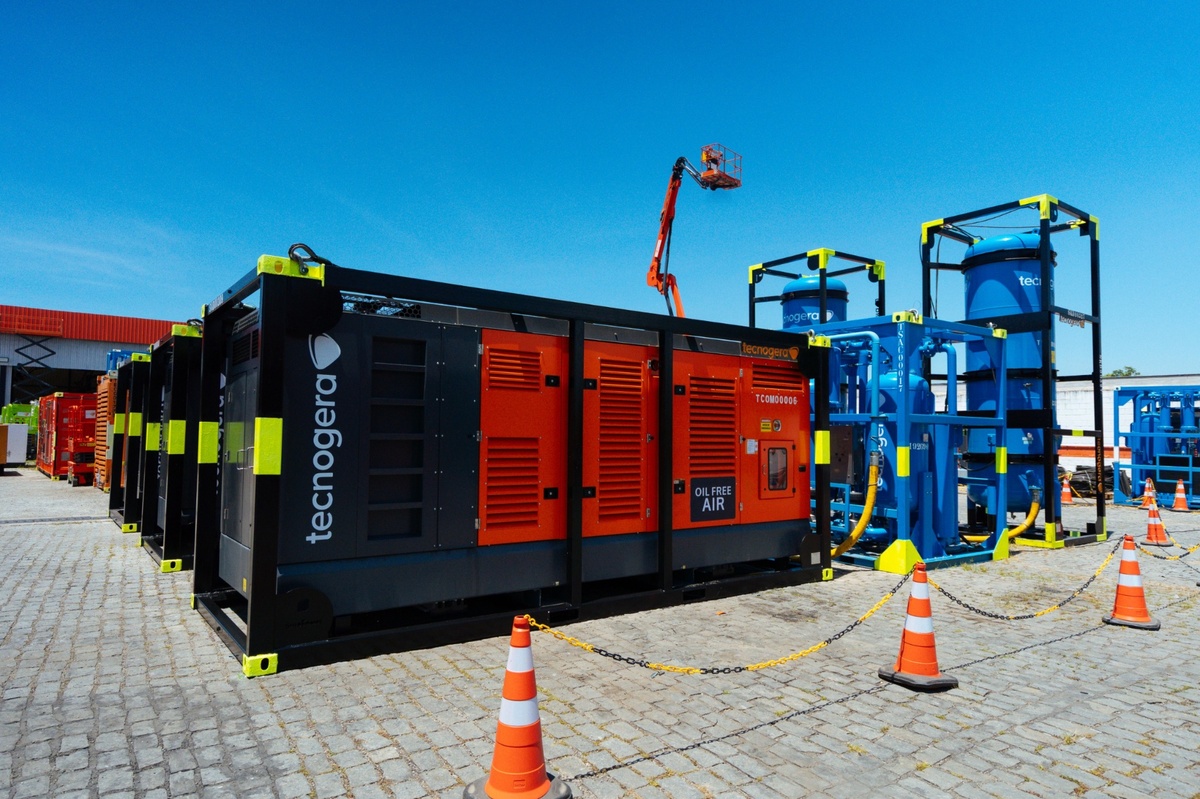
Offshore industrial demand in Macaé surges with the recovery of oil and gas and could grow by up to 396% by 2026 in the Campos Basin.
-
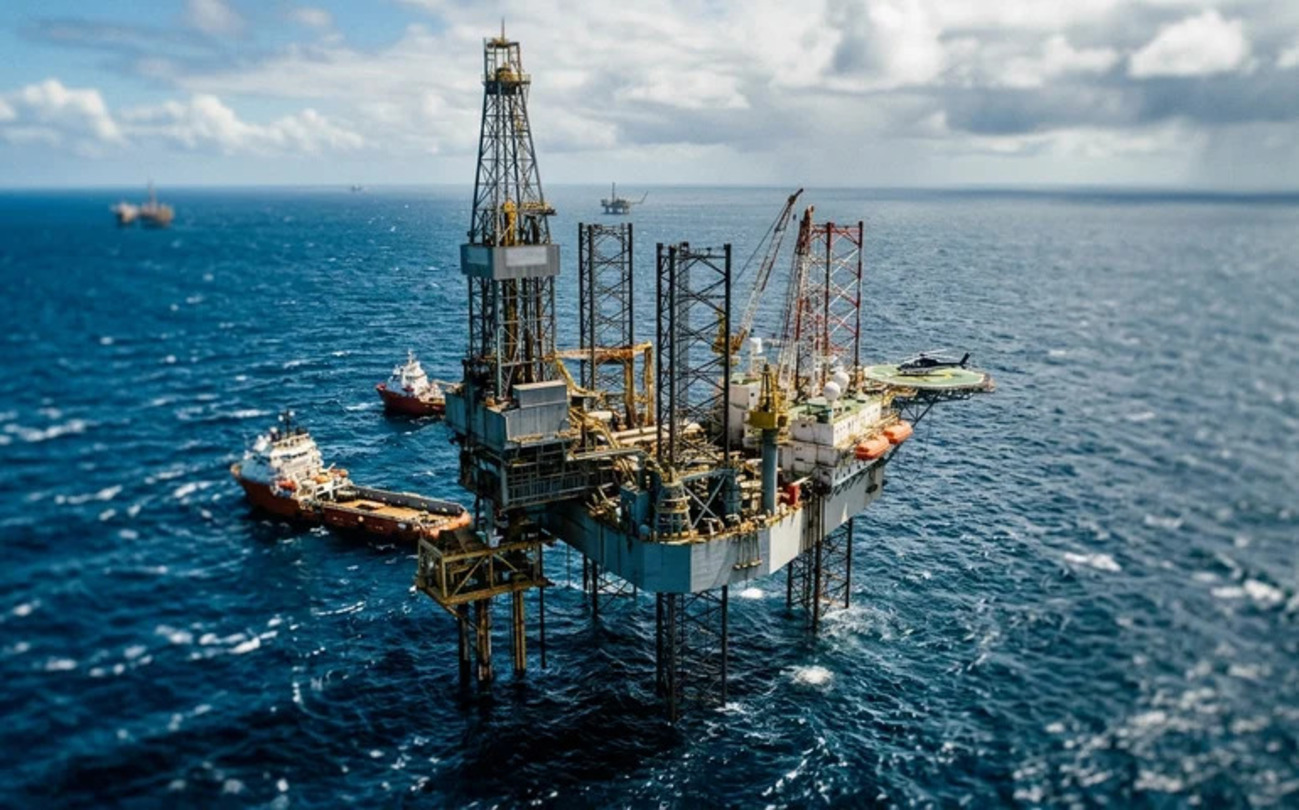
Brazilian giant expands borders in the Southeast: Petrobras confirms new oil discovery in ultra-deep waters in the pre-salt of the Campos Basin.
-
Alert in the global energy market: Severe tropical cyclone hits the coast and disrupts gas production at major plants in Australia, threatening global supply.
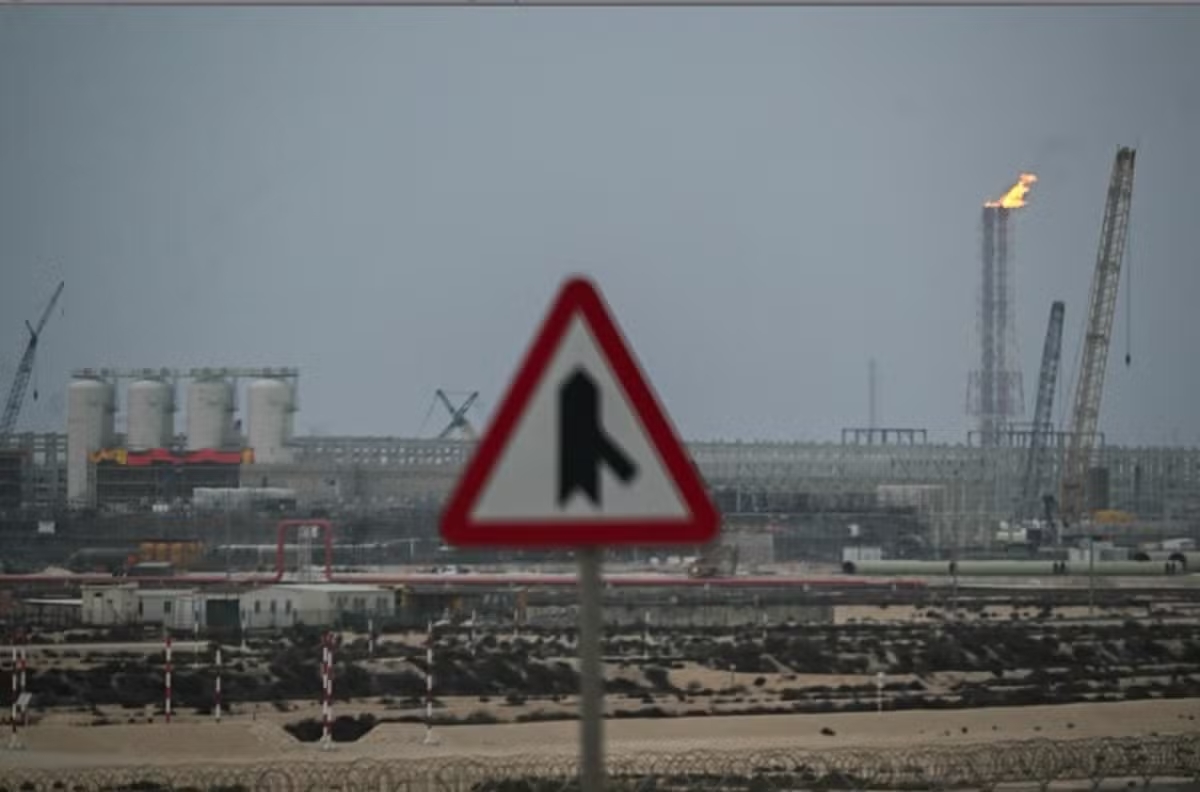

Analysts are closely monitoring headlines on the topic, as they believe tensions in the Middle East could affect oil prices. The uncertainty regarding the future of negotiations and the possibility of a broader conflict continue to influence investors. As a result, many are concerned about running out of cash over the weekend and are taking additional precautions.
As military operations in Gaza intensify, Hamas has conditioned the release of hostages on a ceasefire in the bombing of Israel against the Palestinian enclave. This condition was imposed after a deadly Hamas attack in southern Israel nearly three weeks ago. Several countries, including Arab states, are urging Israel to delay a ground invasion to avoid an increase in civilian casualties and a wider conflict.
The impact of tensions in Israel and Gaza on global oil supply is uncertain. However, investors remain alert to developments and related headlines. Any significant development could have a direct impact on oil prices and future negotiations.
It is important to note that tensions in the Middle East are a factor that always influences oil prices. Investors are constantly monitoring the situation in the region, as any unexpected event can cause price fluctuations. Therefore, it is essential to stay attuned to developments and news related to the topic.










Seja o primeiro a reagir!