





 Português
  Inglês
  Espanhol
 3 min de leitura
  0 comentários



With Severe Drought Affecting the North and Southeast Regions, Energy in Brazil May Face A Significant Price Increase in December
The electricity bill in Brazil may increase significantly in December. This scenario is due to the severe drought impacting the North and Southeast regions. As a result, hydroelectric plants, which represent the main source of electricity in the country, are unable to operate at their maximum capacity. Thus, the government is forced to activate thermoelectric plants, according to the website Olhar Digital.
Additionally, energy importation is considered a viable alternative to ensure supply. However, these measures bring high costs that must be passed on to consumers. Therefore, the current situation raises concerns about the continuity of supply and the financial impact on Brazilian families in the coming months.
Drought Worsens Energy Crisis and Activates Thermoelectric Plants
The water crisis in Brazil, especially in the North and Southeast regions, directly affects the country’s energy sector. The lack of rainfall causes hydroelectric plants to not operate at full capacity. Therefore, the government activates thermoelectric plants to ensure energy supply, which raises production costs.
-
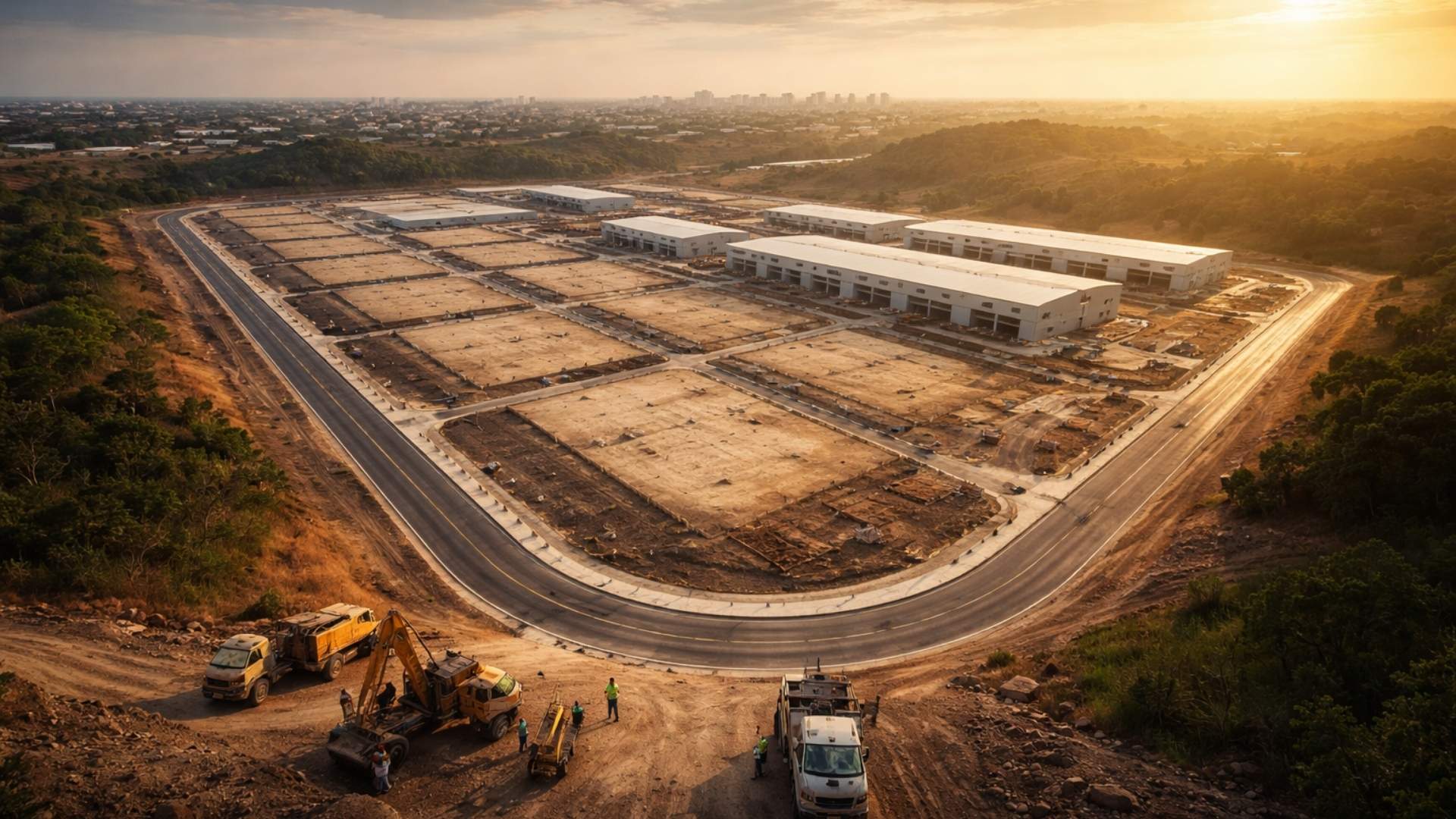
Brazilian city gains industrial hub for 85 companies that is equivalent to 55 football fields.

-
Peugeot and Citroën factory in Argentina cuts production by half and opens a layoff program for more than 2,000 employees after Brazil drastically reduced purchases of Argentine vehicles.

-
A Brazilian city gains a factory worth R$ 300 million with the capacity to process 200 thousand tons of wheat per year, a mill of 660 tons/day, silos for 42 thousand tons, and an industrial area of 276 thousand m².

-
Havan will leave the shopping mall in Blumenau to inaugurate something that the chain has never done before: a megastore in half-timbered style in the Historic Center of the city, which is expected to be completed in May and change the landscape of local retail.




These thermoelectric plants, although they ensure the stability of the electrical system, have much higher operational costs. They operate on fossil fuels, such as natural gas, diesel, and coal. This not only increases the cost of energy but also negatively impacts the environment. According to the Electric Sector Monitoring Committee (CMSE), the trend is that this crisis scenario will persist until December. Thus, more thermoelectric plants will be activated during peak demand times.
Energy Importation Is One of the Alternatives to Avoid Blackouts
In light of the scarcity of water resources, the crisis, and high demand, the Electric Sector Monitoring Committee (CMSE) is discussing alternatives. Importing energy from neighboring countries, such as Argentina and Uruguay, is a viable option. These countries have previously exported energy to Brazil during times of crisis.
Furthermore, the National Electric System Operator (ONS) should mobilize other resources to meet the growing demand. This includes flexibilizing operational rules for the electric system. Thus, more plants can come online during critical periods. Energy importation, although temporary, may increase costs and directly impact the electricity bills of Brazilians.
Rain Forecast May Alleviate the Situation of Reservoirs
Despite the current critical scenario, there is hope. Meteorologists foresee an intensification of rains in the Southeast region in the coming weeks. This change may relieve the pressure on hydroelectric reservoirs. The beginning of November is expected to bring a significant increase in rainfall, helping to recover water storage levels in the main plants.
The ONS confirmed that there has been a slight increase in rainfall in recent days. However, this is still not enough to improve the situation of the reservoirs, the electricity bill, and the crisis. For October, the expectation is that the natural inflow of energy (ENA), which measures the amount of water reaching the reservoirs, will remain below the historical average. In the worst-case scenario, this figure could be the second lowest in 94 years.








Seja o primeiro a reagir!