





 Portuguese
  English
  Spanish
  3 min of reading
  1 comment




Electricity Bill Will Rise! Rate Adjusted and Will Weigh Heavily on Brazilians’ Wallets
The new adjusted electricity rate, which came into effect in September, brings a significant increase that will directly impact families’ budgets. Aneel (National Electric Energy Agency) announced last Friday (30) that the rate has been adjusted and the red flag level 2, the highest, will be applied to electricity consumption.
The increase in the electricity bill was already anticipated, but what no one expected was that the adjusted rate would be so burdensome. Initially, the expectation was that the yellow flag would be adopted in September, but the situation of the hydropower plants worsened, and Aneel found itself compelled to implement the red flag level 2, the most expensive of all. This means that, from now on, for every 100 kWh consumed, Brazilians will pay R$ 7.877 more on their bill.
Electricity Bill More Expensive Due to Drought
The tariff flags are a way to reflect the energy generation conditions in Brazil. When it rains little and the reservoirs of hydroelectric plants are low, the plants need to use more fuel to generate electricity, which increases the cost. With the red flag level 2 in effect, we are in the worst possible scenario: little water and a lot of need for extra generation.
-
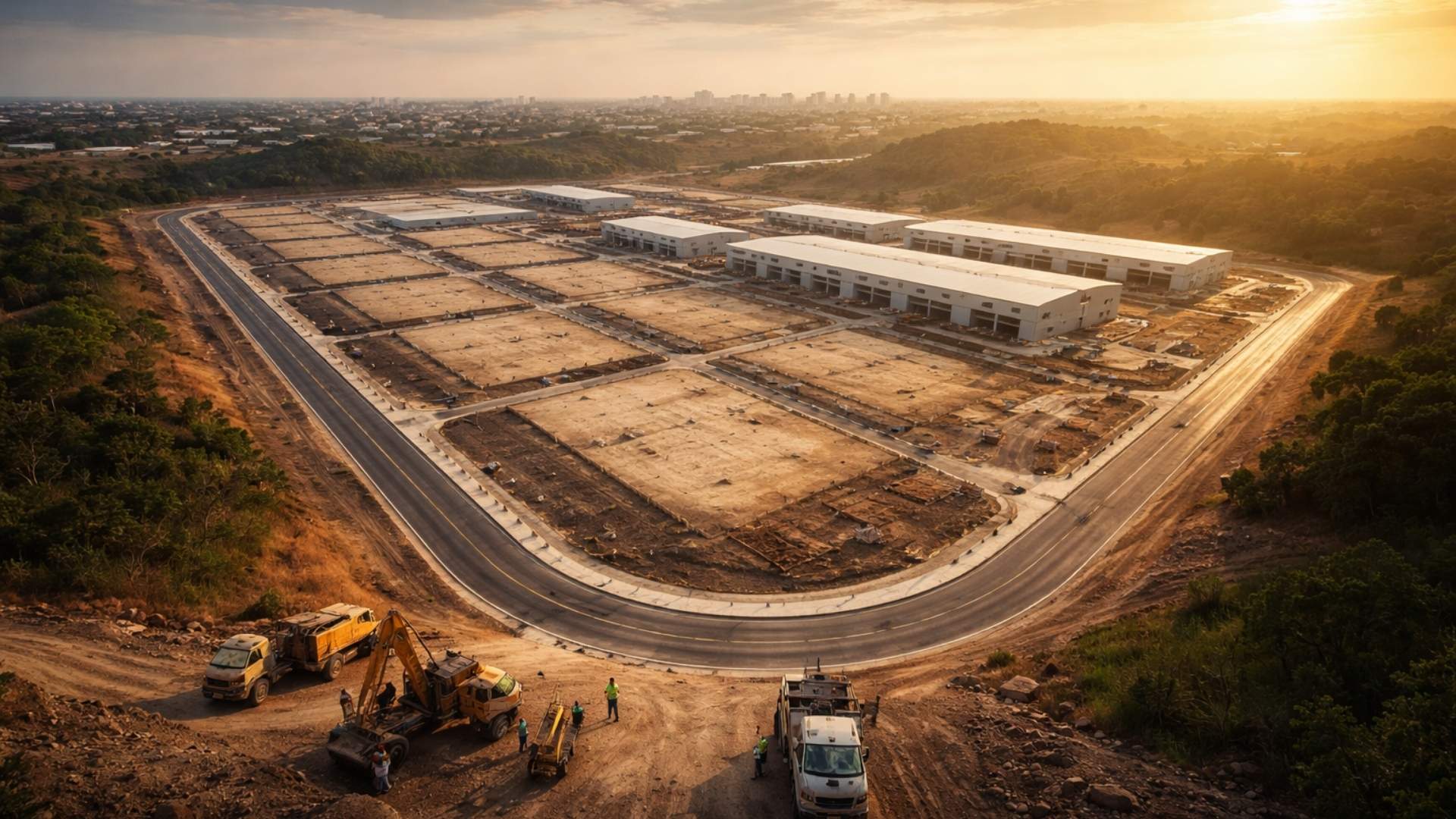
Brazilian city gains industrial hub for 85 companies that is equivalent to 55 football fields.

-
Peugeot and Citroën factory in Argentina cuts production by half and opens a layoff program for more than 2,000 employees after Brazil drastically reduced purchases of Argentine vehicles.

-
A Brazilian city gains a factory worth R$ 300 million with the capacity to process 200 thousand tons of wheat per year, a mill of 660 tons/day, silos for 42 thousand tons, and an industrial area of 276 thousand m².

-
Havan will leave the shopping mall in Blumenau to inaugurate something that the chain has never done before: a megastore in half-timbered style in the Historic Center of the city, which is expected to be completed in May and change the landscape of local retail.


Value of the red flag on the electricity bill:
Green flag: No increase, good generation conditions.
Yellow flag: Increase of R$ 1.885 for every 100 kWh.
Red flag – Level 1: Increase of R$ 4.463 for every 100 kWh.
Red flag – Level 2: Increase of R$ 7.877 for every 100 kWh.
This change has been in effect since the beginning of September, and to get an idea of the impact, the National Electric System Operator (ONS) projected that the Marginal Operating Cost (CMO) in the first week of September will be R$ 277.76 per megawatt-hour (MWh). This represents an increase of almost 200% compared to the previous week, which had a cost of R$ 94.25 per MWh. In other words, the electricity bill will be significantly more expensive.
Impact on Wallet with Rate Adjustment
This increase in energy costs will directly affect the daily lives of Brazilian families, who are already facing high inflation and other pressures on their budgets. In addition to the direct increase in the electricity bill, this adjustment may end up influencing the prices of goods and services, since the cost of energy is an important factor in many sectors.
Therefore, it’s good to prepare: with this adjusted rate, saving energy will be more than a choice; it will be a necessity for many. Keep an eye on consumption and look for alternatives to reduce the use of appliances and lights, especially during peak hours, when energy costs even more.
The expectation now is that the government and Aneel can find solutions to mitigate this impact, but for now, the outlook is one of alert. The electricity bill will rise, and every real saved can make a difference at the end of the month.
Do you have any questions or opinions about this increase in the electricity bill? Leave your comment here! Let’s exchange ideas and understand better how this adjusted rate can impact our daily lives. Your opinion is very important!









Até onde vamos chegar com esses absurdos abuso de aumento,nós temos usina de energia, nós éramos pra ter a energia mais barata do Brasil, sinceramente não dá pra entender,