





 Portuguese
  English
  Spanish
  3 min of reading
  1 comment


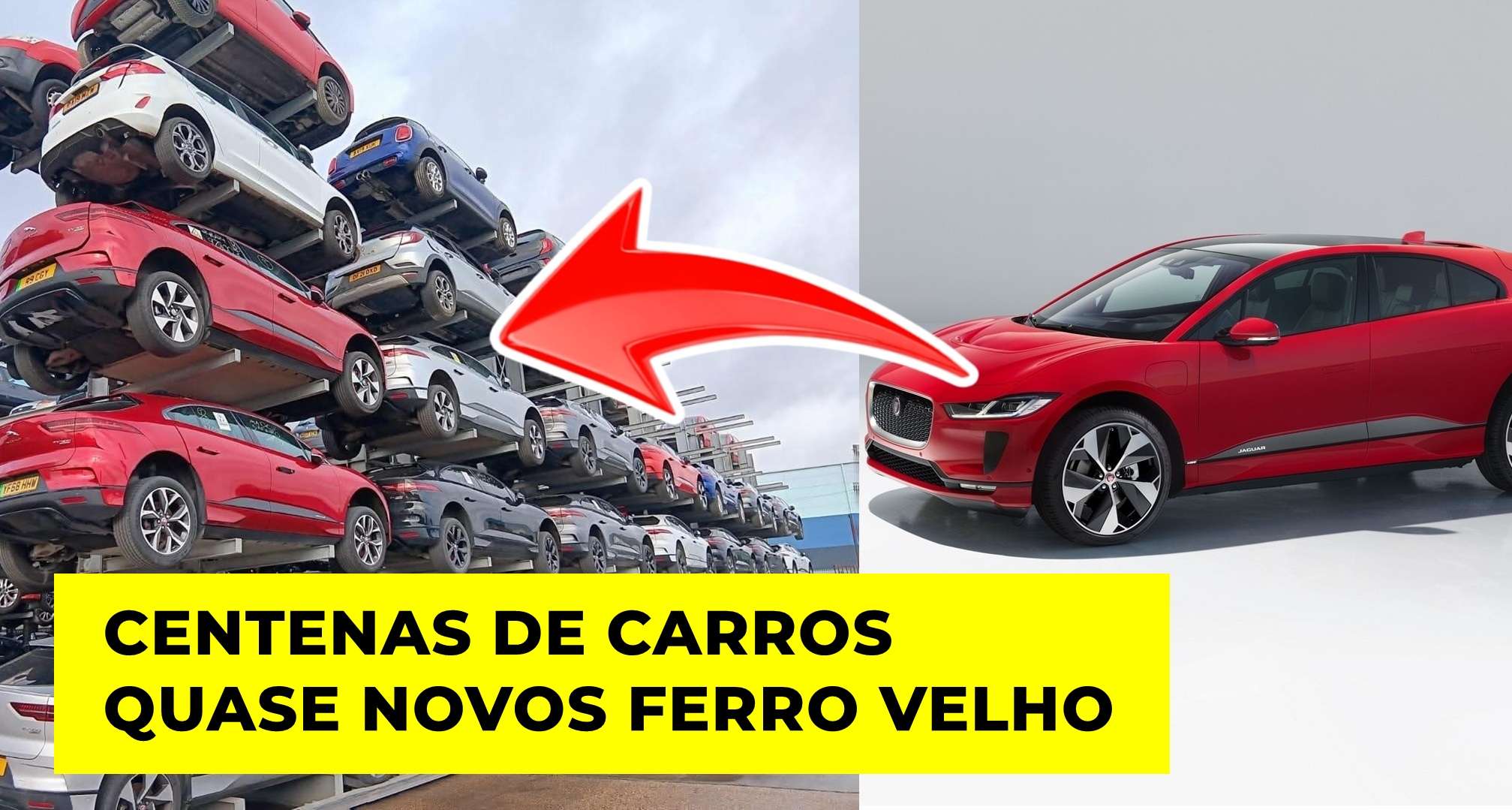


A Junkyard In The United Kingdom Is Packed With Relatively New Cars, Raising Questions About Waste, Logistics, And The Automotive Market.
Images of a junkyard filled with relatively new Jaguar cars have sparked controversy on social media.
None of the photographed vehicles are older than 2019, raising questions about the reason for their premature disposal.
Why would a renowned brand like Jaguar Land Rover (JLR) be scrapping vehicles that could still be in circulation? The answer traces back to a critical safety issue.
-
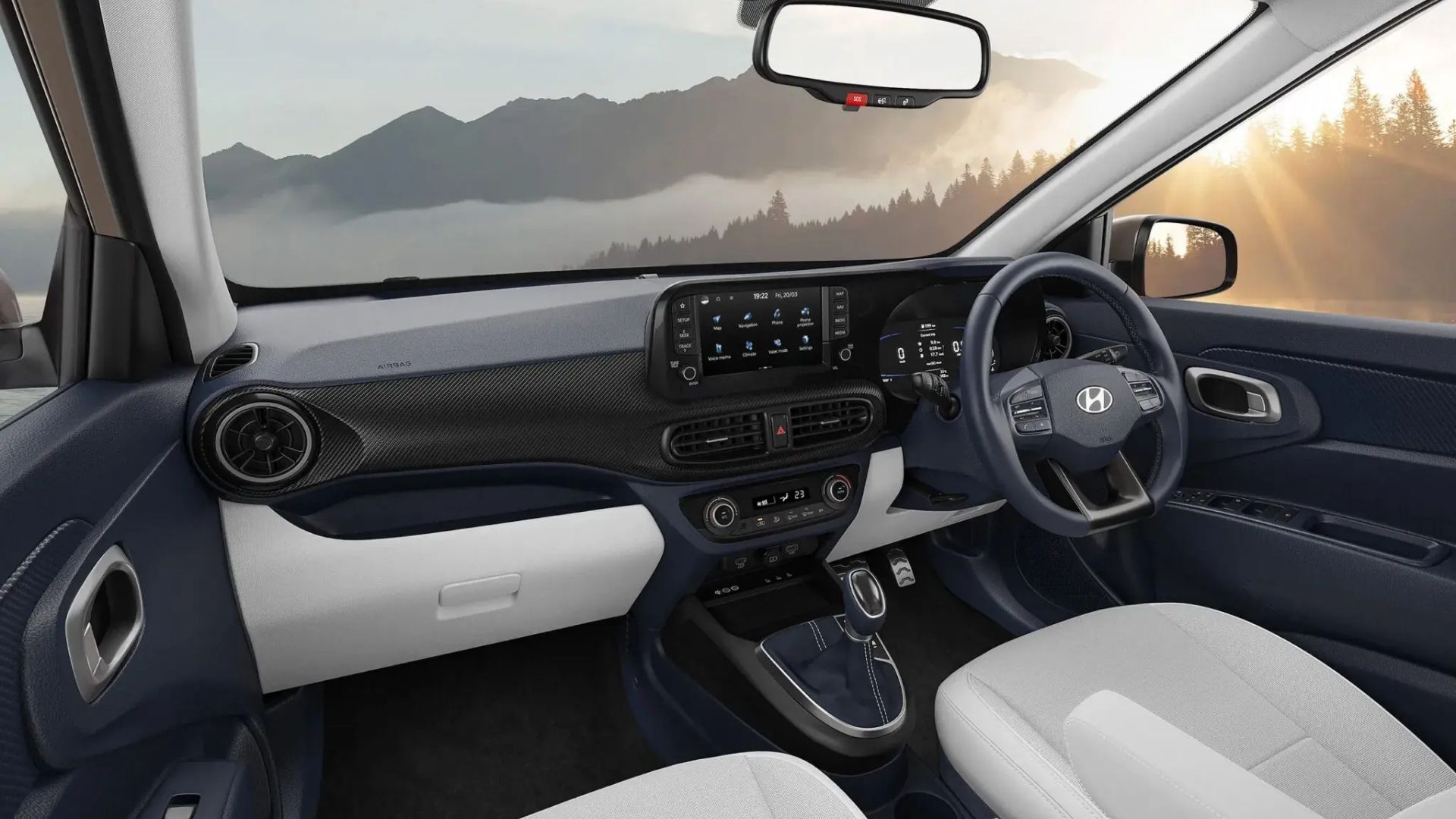
For R$ 32,000, a brand new Hyundai car is a rival to the Kwid with a 1.2 engine producing 82 hp, 6 airbags as standard, multimedia with wireless Android Auto, up to 391 liters in the trunk, and a refreshed look for 2026 in India.
-
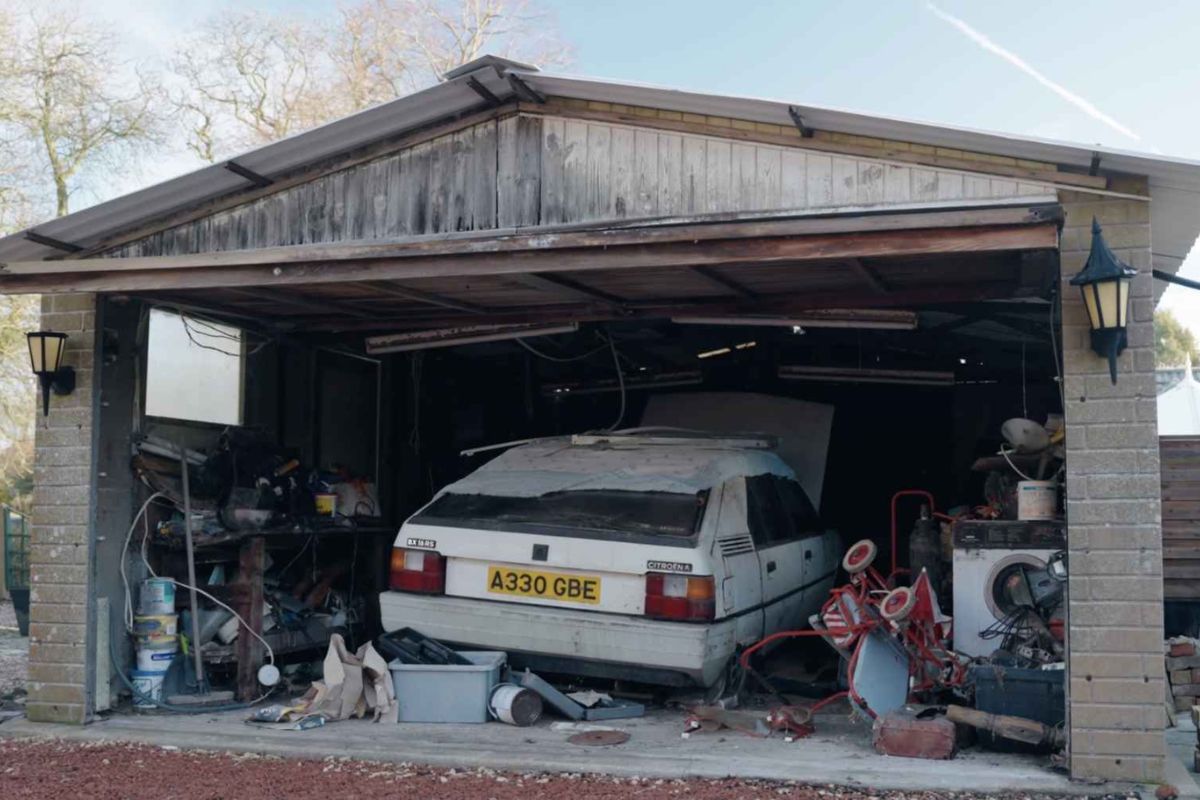
He bought a new car in 1983, locked it in the barn in 1988, and no one opened the door for 38 years until the family discovered what was stored inside and realized it looked like something out of a movie.
-
A 250cc motorcycle that can reach 560 km with a 14-liter tank, features disc brakes on both wheels and is among the most well-known in Brazil.
-
Man finds over 200 rare cars abandoned on a lot and tries to do the impossible in 8 hours with a surprise at the end.

The Problem With High-Voltage Batteries
The case began in August 2024, when JLR announced a recall of 2,760 units of the Jaguar I-Pace model due to the risk of thermal overload of the high-voltage battery.
This flaw had already prompted four previous recalls since May 2023, without the company finding a definitive solution.
Initially, dealers were instructed to install a software update that limited the maximum charge state of the batteries to 80%.
Additionally, owners were advised to park and charge their vehicles outside as a precautionary measure. However, this measure proved insufficient.

The Origin Of The Problem
The affected vehicles were manufactured between January 2018 and March 2019 at the Magna Steyr facility in Austria and used lithium-ion battery cells supplied by LG Chem.
This supplier had already faced similar issues with the Chevrolet Bolt EV and Bolt EUV models, which also reported fires due to battery failures.
Despite JLR‘s efforts to mitigate the risks, three units of the I-Pace caught fire in the United States even after the software updates were applied.
This indicated that the problem was more serious than previously thought and posed a risk to user safety.
Radical Decision – Destination Was The Junkyard
In light of the ongoing issue, the JLR Recall Determination Committee decided in November 2024 to buy back all affected vehicles.
A report from the National Highway Traffic Safety Administration (NHTSA), released on November 18, confirmed this decision.
The automaker opted to store the vehicles until a decision was made about what to do with them. However, the images that went viral on social media show that the solution was much more drastic: the total destruction of the repurchased models.
All units seen in the photos have British plates, indicating that the same fate may have been given to vehicles purchased from customers in other countries.
Some speculation arose about the possibility that some of these vehicles might consist of units damaged by floods.
In October 2023, Storm Babet caused severe flooding in the United Kingdom, affecting dealership stock, including one from Jaguar Land Rover. However, there is no confirmation that these cars in the junkyard are exclusively from the I-Pace recall.
The Impact On Jaguar Land Rover
This episode represents a significant challenge for JLR’s reputation, which was already facing difficulties in the electric vehicle market.
Battery fires are one of the industry’s biggest fears, and the failure to resolve the issue before it resulted in public incidents harmed the brand’s image.
In addition to the financial loss from the buyback and disposal of the vehicles, the company faces the need to strengthen its research and development to ensure the safety of its future models.
What Does The Future Hold?
The question of safety in electric vehicles remains a central theme in the automotive industry. The Jaguar I-Pace case underscores the need for stricter standards in battery production and more effective monitoring by automakers.
For consumers, the warning is clear: recalls are essential for safety, and seemingly minor issues can escalate into serious risks.
Those who own electric vehicles should closely monitor automaker updates and follow safety recommendations.
The Jaguar episode raises a crucial question for the future of electric mobility: how to ensure that technological innovations progress without compromising user safety? This will be an ongoing challenge for the automotive industry in the coming years.
With information from AutoEvolution.








Lixo inglês??? Tragam para o Brasil il il que vende tudo rapidamente!!
O americano e o chinês vende muito bem aqui.