





 Portuguese
  English
  Spanish
  5 min of reading
  0 comments


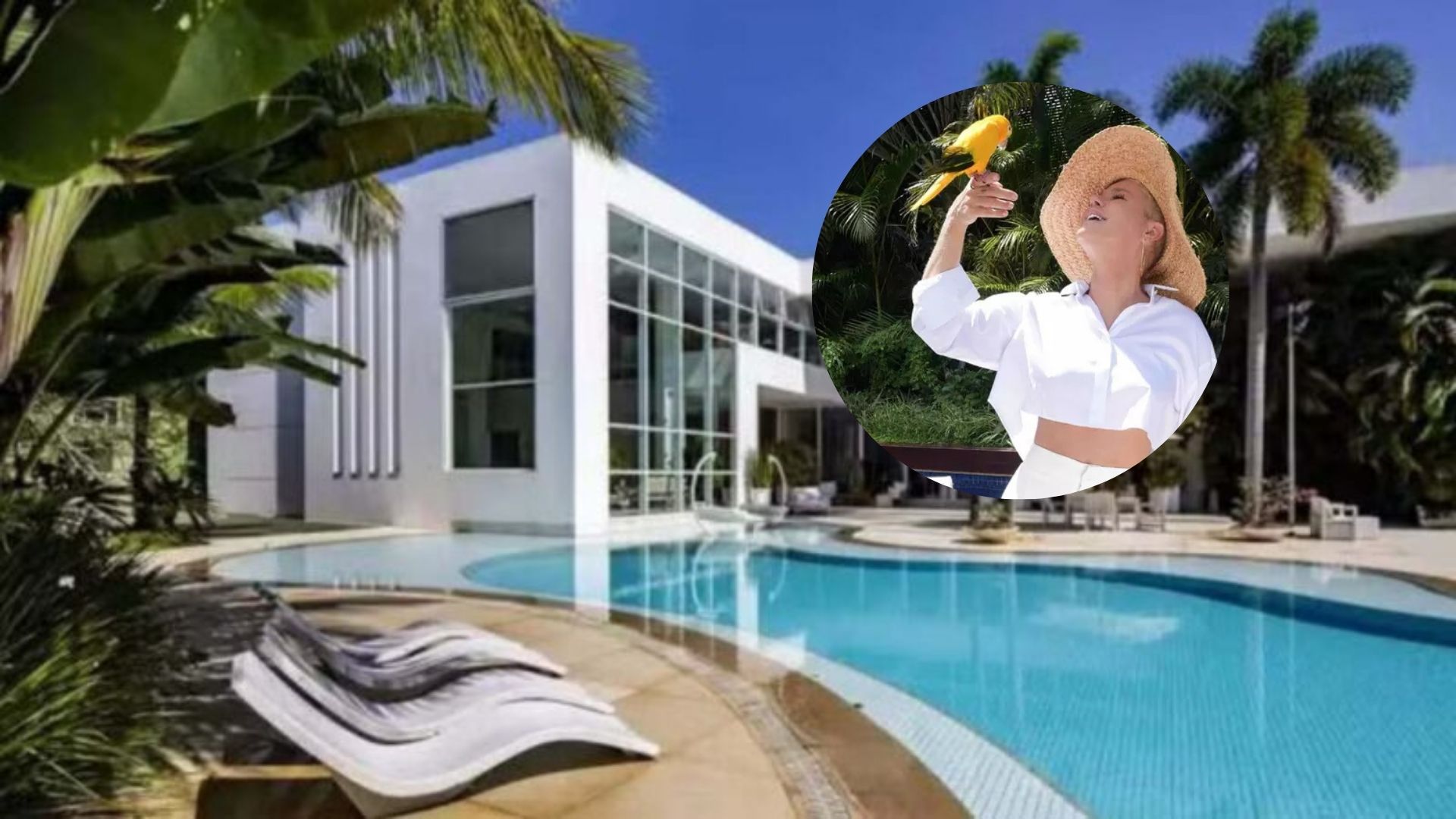
Lifestyle change marks new phase for Xuxa, who swaps iconic mansion for house integrated with nature, maintaining comfort and adopting sustainable choices aligned with current routine.
Xuxa Meneghel turns 63 years old this Friday, March 27, amidst a change that symbolizes more than just a change of address.
After living for decades in one of the most well-known properties in Barra da Tijuca, Rio de Janeiro, the presenter sold the so-called “Mother Ship” for about R$ 45 million and has been living, since 2021, in a smaller residence in the same condominium, but designed with a different logic: less scale, more integration with nature, and a routine focused on well-being.
Sale of the mansion in Barra da Tijuca and move to new residence
The mansion left behind occupied a prominent place in the imagination surrounding the artist.
-
A Brazilian thought he was making a good deal but lost R$ 125,000 while trying to buy a Toyota Hilux on Facebook.

-
With a volume of 300,000 cubic meters, an old oil depot transforms into a giant thermos, heating an entire city in Sweden and potentially changing the way energy is stored worldwide.

-
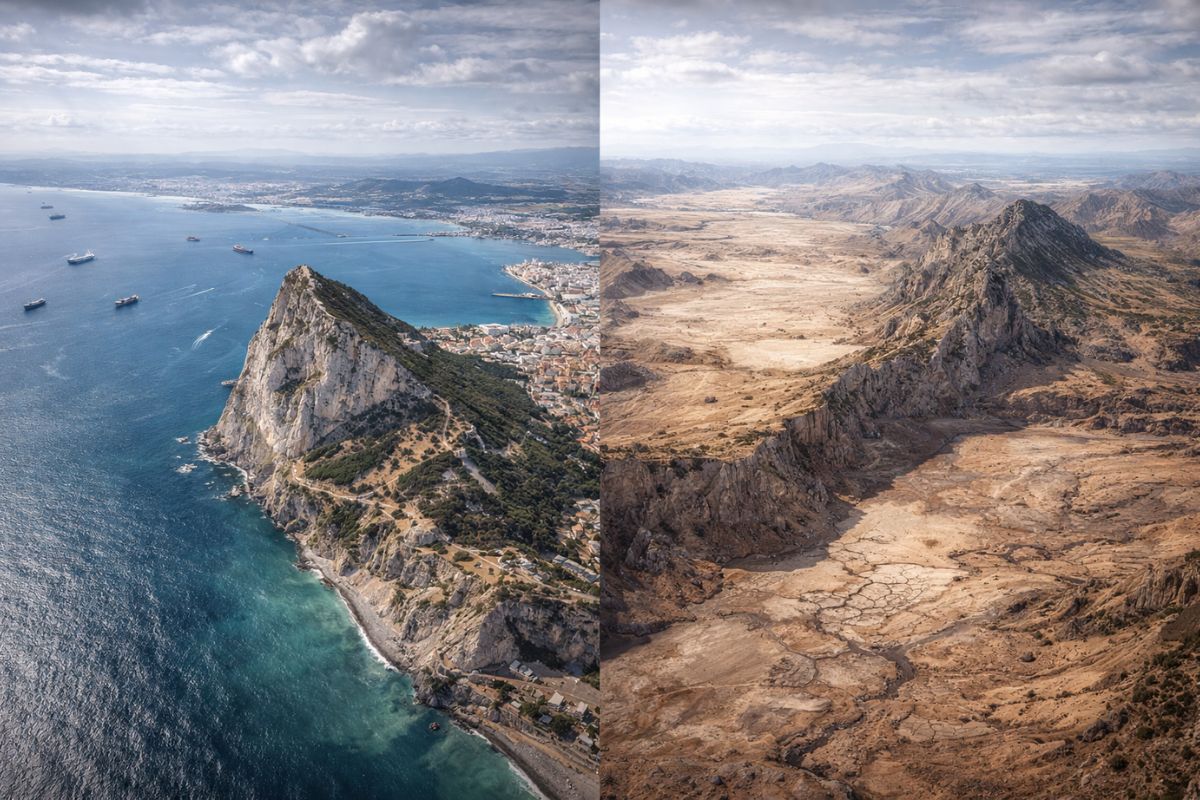
A new study suggests that the Strait of Gibraltar may disappear because the rocks beneath it are triggering a subduction process that could reshape the entire Atlantic Ocean over the next 20 million years.
-
What is it like to live inside a $13 billion aircraft carrier where 5,000 military personnel eat 17,000 meals a day and spend months sleeping in cramped bunks?


Located in the Malibu condominium, the property had 2,626 square meters, high-standard structure, large leisure areas, and environments that helped consolidate the image of a monumental house, built for a phase when family life and public exposure had another dimension.
Among the spaces mentioned over the years were a cinema, gym, swimming pools, and an area adapted to meet the health needs of the presenter’s mother.
Life change after family losses
The decision to leave the old residence did not occur impulsively nor was it presented as a break with comfort.
What changed was Xuxa’s relationship with the space.
Since the death of Alda Meneghel in 2018, the house began to represent a different dynamic from that for which it had been organized, especially after her daughter, Sasha, followed her own life.

The property, once compatible with a fuller routine, became too large for the presenter’s current phase.
New sustainable house focused on well-being
It was in this context that the artist chose to remain in the same condominium and swap grandeur for a property of approximately 900 square meters.
The new house preserves high-standard characteristics, with suites, living areas, a studio, and spaces designed to host friends and family, but the project moves away from the logic of ostentation that marked the previous residence.
Instead of monumentality, the focus has shifted to functionality, warmth, and daily connection with the environment.
Jabuticabeira in the center of the living room symbolizes integration with nature
The most symbolic element of the new phase is at the heart of the house.
In the center of the living room, a jabuticabeira has been incorporated into the design and surrounded by glass, a solution designed to bring natural light indoors and dissolve the boundary between inside and outside.
The feature appears not only as an aesthetic choice.
It summarizes the proposal of a home that seeks to bring domestic routine closer to vegetation, breathing, and a more organic idea of permanence.
Sustainability and conscious consumption in decoration
This concept extends to decoration and the way spaces are occupied.
The house has been associated, in reports about the property, with options aligned with the lifestyle that Xuxa has been advocating in recent years, with a preference for materials that dispense with animal-derived items and choices that engage in more conscious consumption.
It is not about giving up comfort, but reorganizing it on different bases, with less visual excess and more coherence with habits that the presenter has made public.
Animals maintain prominence in the routine of the house
The presence of animals continues to be a hallmark of the artist’s daily life and helps explain the atmosphere of the new address.
The circulation of birds and dogs throughout the spaces integrates into the dynamics of the house and reinforces the proposal of a less rigid space, where architecture serves not only for display but for coexistence.
In this design, the residence functions almost as an extension of the refuge that the presenter sought to build for herself, without abandoning privacy or structure.
By reducing the scale of the property, Xuxa did not leave behind the high standard of living but redefined the meaning of that standard.
The new house remains spacious by urban standards, but responds to needs distinct from those that guided the old mansion.
The current property hosts gatherings, offers comfort, and maintains areas dedicated to coexistence, although the center of the experience has shifted from visual impact to prioritize permanence, circulation, and the feeling of shelter.
Xuxa’s trajectory reinforces the dimension of the change
The relevance of this personal transformation gains another weight when viewed in light of Xuxa’s career.
Born on March 27, 1963, in Santa Rosa, Rio Grande do Sul, she built one of the most popular trajectories in Brazilian television.
Before establishing herself as a presenter, she worked as a model in the late 1970s.
At the turn of the 1980s, she was invited to host the Clube da Criança on the now-defunct TV Manchete, a step that paved the way for the consolidation of her image before the children’s audience.
The national projection turned into a phenomenon with the debut of Xou da Xuxa on TV Globo in 1986.
The program became one of the most impactful children’s attractions on the network, combining an auditorium, music, games, and characters that marked generations.
The success on television also boosted the presenter’s music career and expanded her presence into other markets, with Spanish and English versions and projects in the following years.
Over the decades, Xuxa transitioned through different formats, maintained the strength of her brand in entertainment, acted in films, licensed products, and became one of the most recognizable names in Brazilian pop culture.
In this journey, the “Mother Ship” also became a symbol of a phase of peak, prosperity, and intense family life.
However, the swap for a smaller house shows that the change in scale does not represent a retreat, but rather an adaptation to a moment when the image of refuge began to weigh more than that of a showcase.
The new address, with its jabuticabeira in the center of the living room and a proposal aimed at integration with nature, synthesizes this transition more eloquently than any speech.
Instead of the monumental house associated with celebrity, the logic of a home designed for real routine, for the circulation of animals, for more intimate gatherings, and for a daily life less marked by excesses now prevails.
The change, in this sense, accompanies not only the presenter’s age but also the way she has begun to organize her own life.







Seja o primeiro a reagir!