





 Portuguese
  English
  Spanish
  4 min of reading
  0 comments


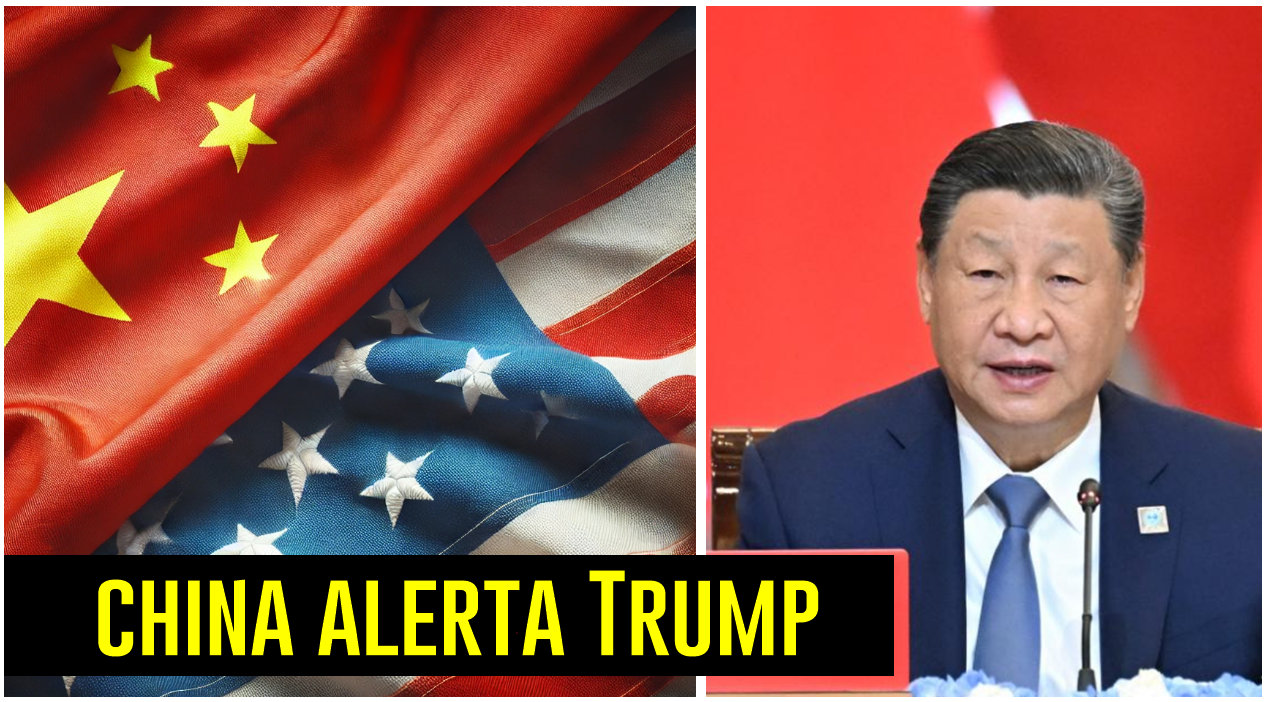
China’s President Warns Elected President Donald Trump: Confrontation Between China and the US Would Harm Both Countries
The recent communication between the President of China, Xi Jinping, and the elected president Donald Trump brings to light the trade tensions that could shape the global economic landscape in the coming years. In a phone call, Xi congratulated Trump on his election victory and at the same time warned about the potential losses that both countries would face if a new trade war were to break out.
US-China Trade Relations
In recent years, the relationship between the United States and China has deteriorated, with sources of tension in both the economic and national security areas. Trump, during his first term, imposed tariffs on over US$ 300 billion in Chinese goods, which had a significant impact on trade between the two largest economies in the world.
These sanctions, justified by the need to protect the American economy, also affected other countries and led to a restructuring of global supply chains.
-
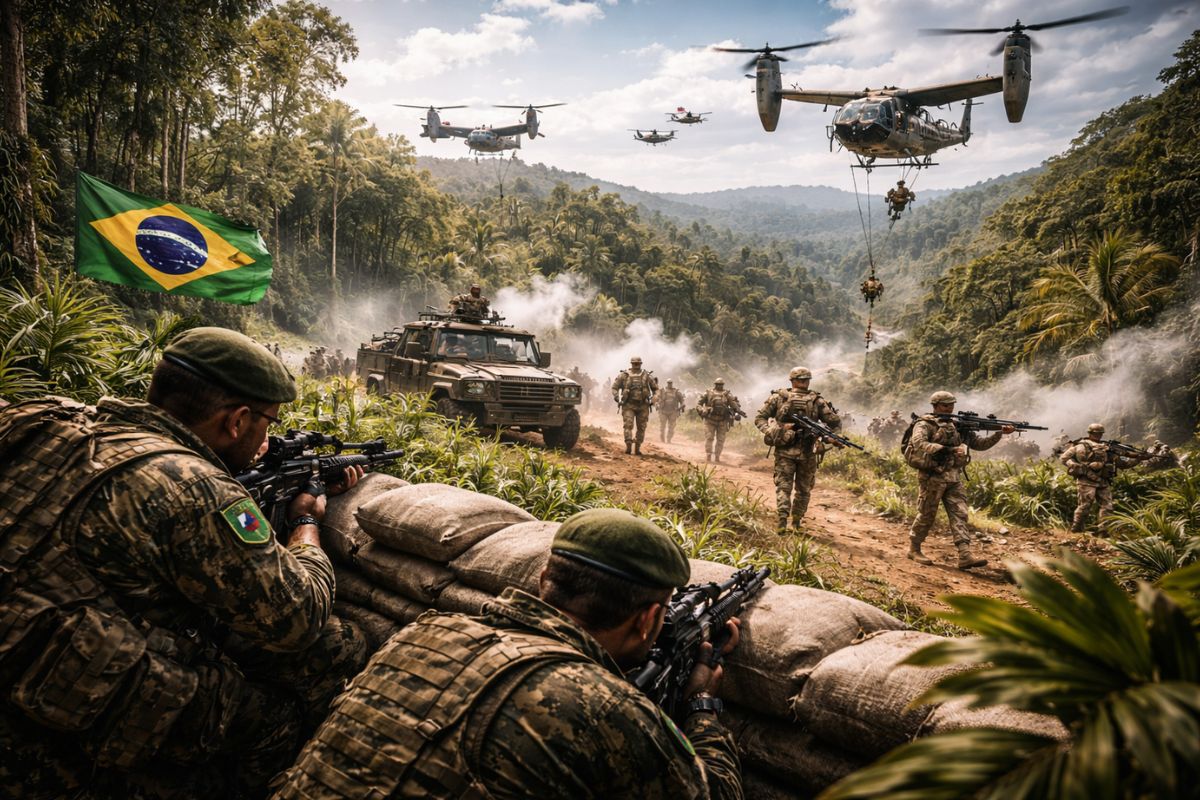
If the USA were to go to war with Brazil, Washington’s greatest fear would not be the attack itself, but facing a vast territory, prolonged resistance, and a costly, chaotic, and unpredictable occupation.
-
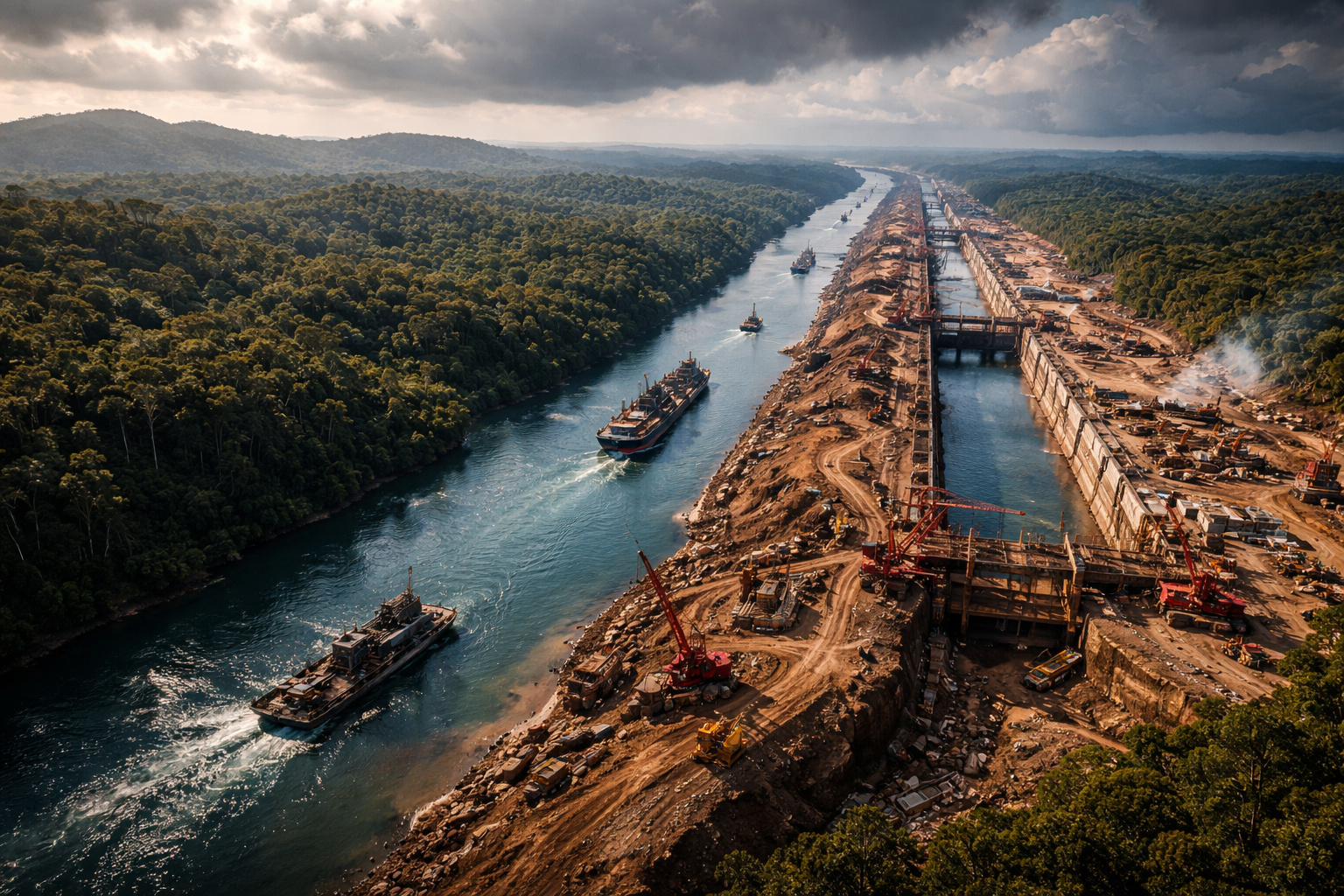
In 2013, Nicaragua sold the concession for a canal to rival Panama to a Chinese billionaire who lost 85% of his fortune, disappeared, and was declared bankrupt. Now the project resurfaces with a new route, a new Chinese partner, and a cost of $64.5 billion.
-
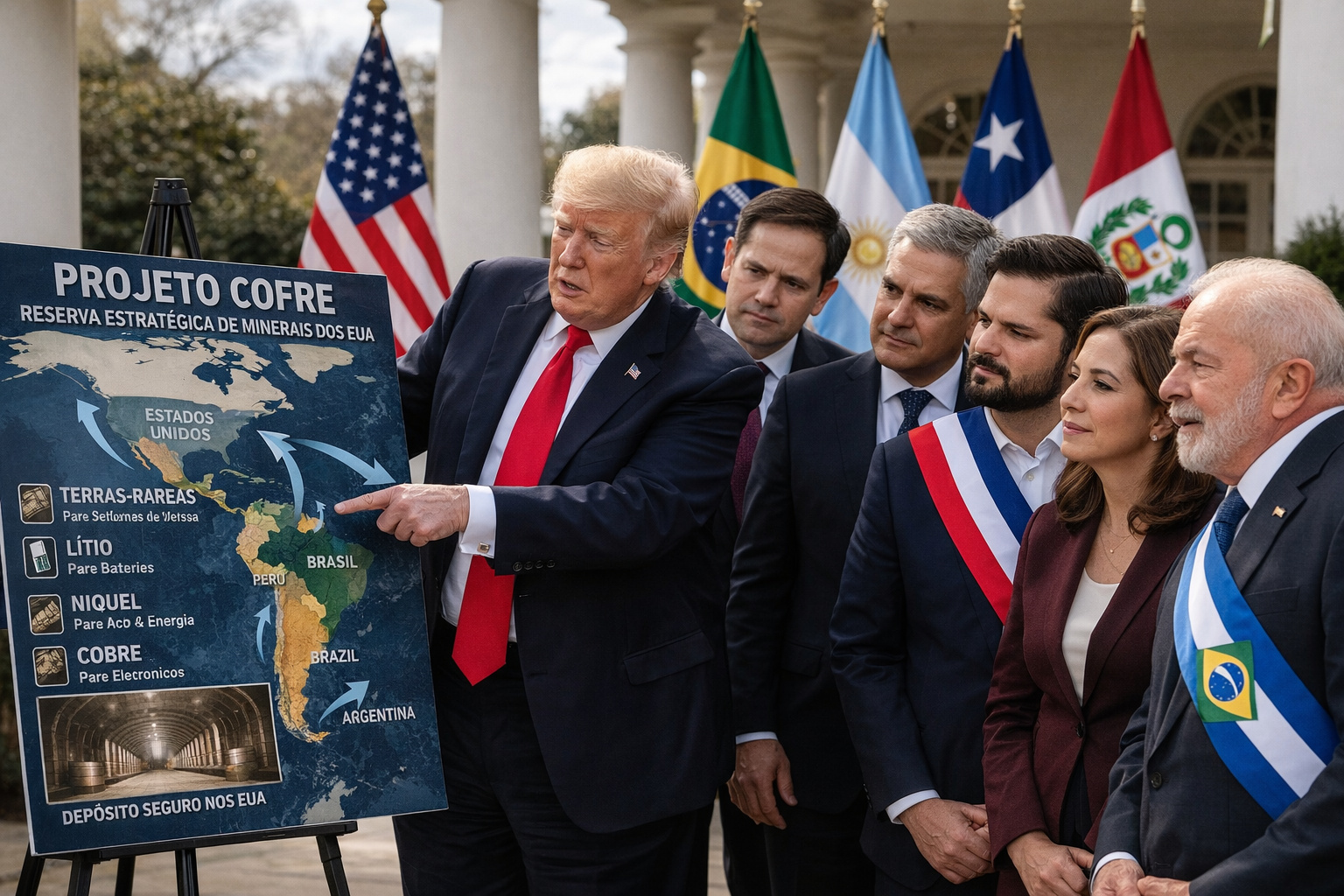
The USA announces a mysterious billion-dollar vault project to store critical minerals, but what intrigues experts is not just the plan itself, but why Latin America, including Brazil, has entered the center of this global dispute against China.
-
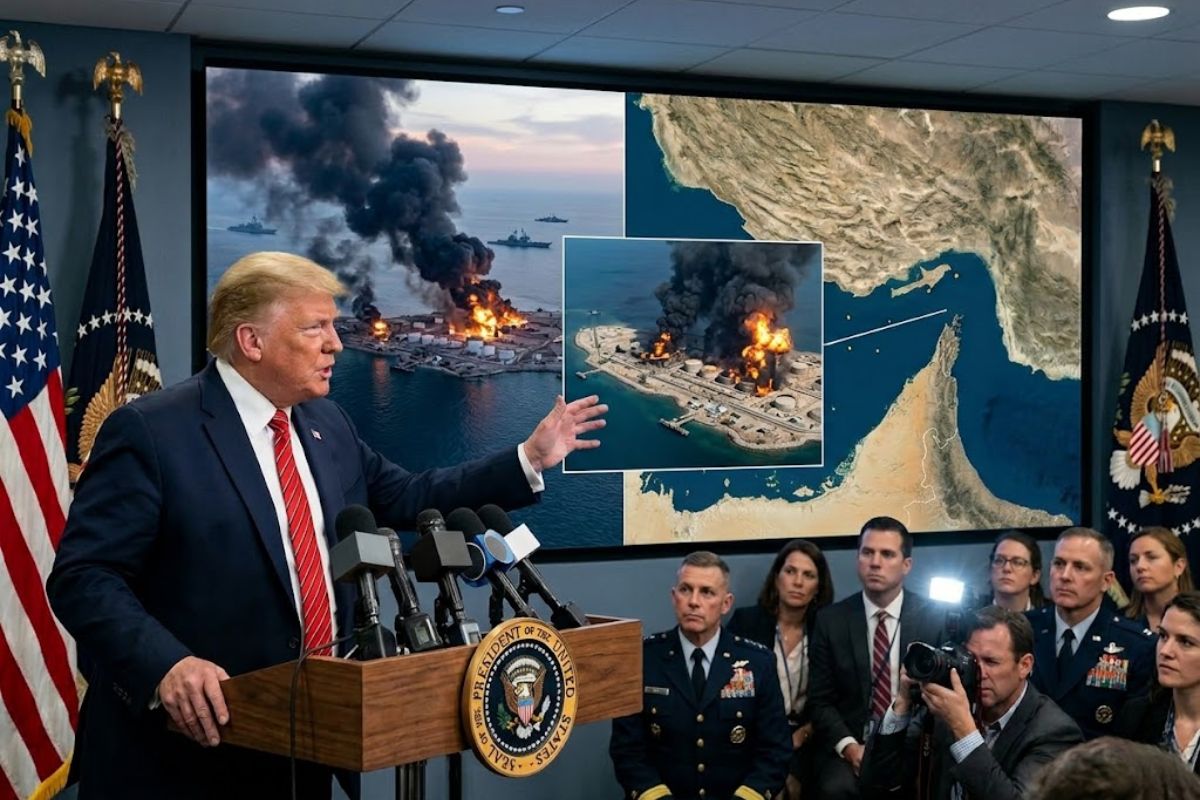
Trump Announces Bombing of U.S. Military Targets on Iranian Island Responsible for About 90% of Iran’s Oil Exports, Warns of Further Attacks if Navigation in Strategic Strait of Hormuz Is Threatened
Xi Jinping, President of China, stressed the importance of cooperation for both economies, emphasizing that confrontation could harm not only the commercial interests of the US and China, but also global economic well-being. This view is shared by the Chinese Ministry of Foreign Affairs, which highlighted the importance of a stable and cooperative relationship for world peace and development.
Main Concerns of Xi Jinping, President of China
Xi mentioned that history clearly shows that the US and China have much to gain from cooperation and much to lose from confrontation. According to the Chinese leader, a healthy and sustainable relationship between the two countries is crucial for the prosperity of their economies and for global stability. Xi’s appeal for mutual respect and dialogue underscores Beijing’s desire to manage differences peacefully.
Additionally, China seeks to explore ways to expand beneficial cooperation with the US, creating an understanding that provides mutual advantages. The conciliatory stance from China reflects an attempt to avoid more serious conflicts that could negatively impact not only the two economies but also trading partners and allies around the world.
The Impact of the Republican Senate
With Republicans controlling the Senate, Trump’s ability to act on economic and diplomatic issues is enhanced, making it easier to implement more severe sanctions and trade policies against China. The Republican victory increases the likelihood of a new round of tariffs, such as those Trump suggested during his campaign – including a 60% tax on Chinese goods.
These proposals have the potential to significantly affect the Chinese economy. Former chief economist of China’s economic planning agency, Zhu Baoliang, predicts that a 60% tariff increase could reduce Chinese exports by up to US$ 200 billion and cause a one percentage point drop in the country’s GDP.
Economic Consequences for China and the Rest of the World
Last year, China exported about US$ 500 billion in goods to the US, accounting for 15% of its total exports. The threat of new tariffs has caused Chinese and Hong Kong stocks to recently fall, while Chinese companies are accelerating the export of goods to avoid potential sanctions.
The prospect of a new trade war, moreover, pressures Beijing to take measures to protect its economy. China is expected to announce an economic stimulus package in the coming days, focusing on reversing the consumption slowdown and addressing the challenge of deflation. This package aims to cushion the impact of a possible tariff increase, as well as to sustain domestic demand and bolster strategic sectors.
Another relevant aspect is the impact of tariff increases on the automotive and technology sectors. With Europe and the US imposing additional tariffs on electric vehicles, an area dominated by China, the outlook for Chinese trade in this sector is jeopardized. This scenario further pressures China to diversify its exports and seek alternatives to ensure economic stability.
Chinese Retaliation Measures
If American tariffs are indeed expanded, China has a range of retaliation measures that could significantly affect American companies operating in Chinese territory. Among the possibilities are taxes on US agricultural products, export controls on essential minerals, and even sanctions against US companies with interests in China. These actions could make the business environment even more volatile and uncertain, creating additional obstacles for international companies.
Another factor is China’s stance on the South China Sea and its support for Taiwan, critical points of tension with the US. These conflict areas pose a threat to regional stability and, if tensions continue to rise, could provoke an escalation of diplomatic confrontations.
With the imminent threat of a new trade conflict, it is clear that both the US and China need to seek alternatives that favor cooperation. Xi Jinping’s appeal reflects a desire to avoid unnecessary confrontations that would negatively affect the global economy. However, Trump’s stance toward China indicates that the scenario of a trade conflict is far from being avoided.
The need for dialogue and mutual understanding becomes essential to avoid a new tariff war that would harm not only the two economies but also the well-being of millions of people around the world.









Seja o primeiro a reagir!