





 Portuguese
  English
  Spanish
  4 min of reading
  0 comments



In The Midst Of The Administrative Reform Debate, Supreme Court President Edson Fachin Expressed Support For A Comprehensive And Republican Change, But Warned That Altering The Constitutional Guarantees Of Magistrates May Weaken The Independence Of The Judiciary And Put Fundamental Rights Of Citizens At Risk
According To Agência Brasil, The President Of The Supreme Federal Court (STF), Edson Fachin, Stated This Tuesday (7) That The Judiciary Supports The Administrative Reform, But Warned That Changes To The Constitutional Guarantees Of Magistrates May Compromise The Independence Of Justice And The Protection Of Individual Liberties. The Statement Was Made After A Meeting With Congressman Pedro Paulo (PSD-RJ), The Reporter Of The Proposal In The Chamber Of Deputies.
Fachin Emphasized That The Changes Need To Be Comprehensive, Republican, And Balanced, Covering All Branches Of Government And Seeking Efficiency Without Sacrificing Institutional Principles. According To Him, Rights Such As Lifetime Tenure, Irremovability, And Non-reduction Of Salaries Are Not Privileges, But Essential Mechanisms To Ensure Impartial Decisions And Protect Citizens Against Arbitrary Actions By Political Power.
STF Supports Modernization With Respect For Constitutional Guarantees
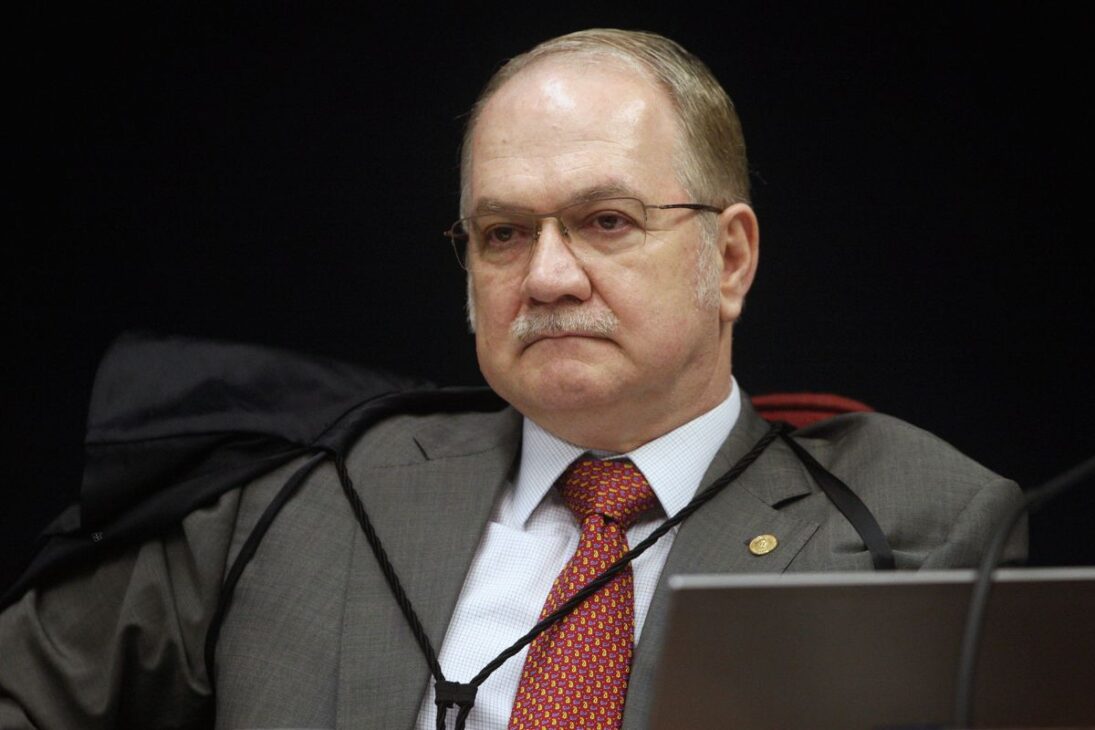
In An Official Statement, The President Of The STF Reinforced That The Supreme Does Not Oppose The Modernization Of The Public Administration, As Long As The Process Preserves The Autonomy And Impartiality Of The Justice System.
-
A new Brazilian shopping center worth R$ 400 million will be built in an area equivalent to more than 4 football fields, featuring 90 stores, 5 cinemas, a supermarket, a college, and parking for 1,700 cars, potentially generating 3,000 jobs.

-
Larger than entire cities in Brazil: BYD is building a 4.6 km² complex in Bahia with a capacity for 600,000 vehicles per year, but the discovery of 163 workers in conditions analogous to slavery has shaken the entire project.

-
With an investment of R$ 612 million, a capacity to process 1.2 million liters of milk per day, Piracanjuba inaugurates a mega cheese factory that increases national production, reduces dependence on imports, and repositions Brazil on the global dairy map.

-
Brazilian city gains industrial hub for 85 companies that is equivalent to 55 football fields.


Fachin Argued That A Balanced Administrative Reform Should Prioritize Merit, Transparency, And Diversity In Public Service, But Without Dismantling The Pillars That Ensure Judicial Independence.
He Highlighted That These Guarantees Are Not Personal Privileges, But Democratic Instruments For Protecting Society, Especially In Times Of Polarization And Political Pressure.
The Minister Also Announced That The Judiciary Will Send A Formal Statement To The National Congress, With Suggestions And Technical Analyses On The Points Of The Proposal That Directly Affect The Justice System.
What The Administrative Reform Under Discussion Proposes
The Proposed Amendment To The Constitution (PEC) Reported By Pedro Paulo Establishes A Series Of Structural Changes In Public Careers. The Text Provides For:
Single Salary Table For Federal, State, And Municipal Employees.
Mandatory Performance Goals And Evaluation By Results.
End Of Benefits Such As Extra Leave And Vacations Exceeding 30 Days.
Limit Of 10% For Allowances For Food, Health, And Transport For Those Earning Above 90% Of The Constitutional Ceiling.
The Proposal Also Suggests The End Of Compulsory Retirement As A Disciplinary Punishment, Replacing It With Loss Of Position In Cases Of Serious Misconduct.
In Addition, The Text Restricts The Power Of The National Justice Council (CNJ) And The National Public Ministry Council (CNMP) To Create Benefits Or Bonuses Without Legislative Authorization.
These Changes Raise Concerns Among Employees And Magistrates, Who See Risks Of Undermining State Careers And Functional Independence.
Fachin Calls For Republican Reform, With A Balance Between Efficiency And Justice
During The Meeting With The Reporter, Fachin Stated That The STF Supports An Administrative Reform That Reaches All Branches And Institutions, And Not Just The Executive.
For Him, It Is Necessary To Combine Fiscal Responsibility With Valuing Employees And Focusing On Concrete Results For Society.
The Minister Advocated That Administrative Modernization Should Be An Instrument For Strengthening The State, Not Just For Cost Reduction.
According To Him, The Goal Is To Rebuild The Public Capacity To Plan And Execute Policies In A Modern, Transparent, And Just Manner.
Behind The Scenes, Fachin’s Statement Was Interpreted As A Gesture Of Political Balance. The Supreme Indicates That It Does Not Intend To Block The Reform, But Requires Institutional Safeguards To Avoid Impacts On The Autonomy Of The Judiciary And The Public Ministry.
Debate Over Administrative Reform Goes Beyond Salaries
Experts Emphasize That The Administrative Reform Goes Beyond The Discussion Of Remuneration. It Is About Rethinking The Structure And Efficiency Of Brazilian Public Service, Reconciling Productivity And Protection Of Rights.
By Emphasizing The Importance Of Constitutional Guarantees, Fachin Expands The Debate To The Field Of Democracy And Citizenship, Affirming That Judicial Independence Is A Essential Pillar Of Social Trust In Institutions.
Reducing These Protections, According To Him, Could Compromise The Balance Among The Branches And The Impartiality Of Justice.
The Position Of The STF Reinforces The Idea Of Technical Collaboration, With Attention To The Limits That Preserve The Rule Of Law And Legal Security.
Administrative Reform And The Political Context
The Debate Takes Place At A Time Of Re-acceleration Of The Economic Agenda In Congress, Driven By The Government’s Team.
The Proposal Aims To Simplify Rules, Reduce Costs, And Improve The Efficiency Of The State, But Faces Resistance From Unions And Categories Of Public Employees.
For The Judiciary, The Challenge Is To Participate In The Reform Without Giving Up Independence.
Fachin Tries To Position The Supreme As A Responsible Mediator, Advocating For Structural Adjustments, But Without Allowing Setbacks In The Guarantees That Sustain Brazilian Democracy.









-

Uma pessoa reagiu a isso.