





 Portuguese
  English
  Spanish
  3 min of reading


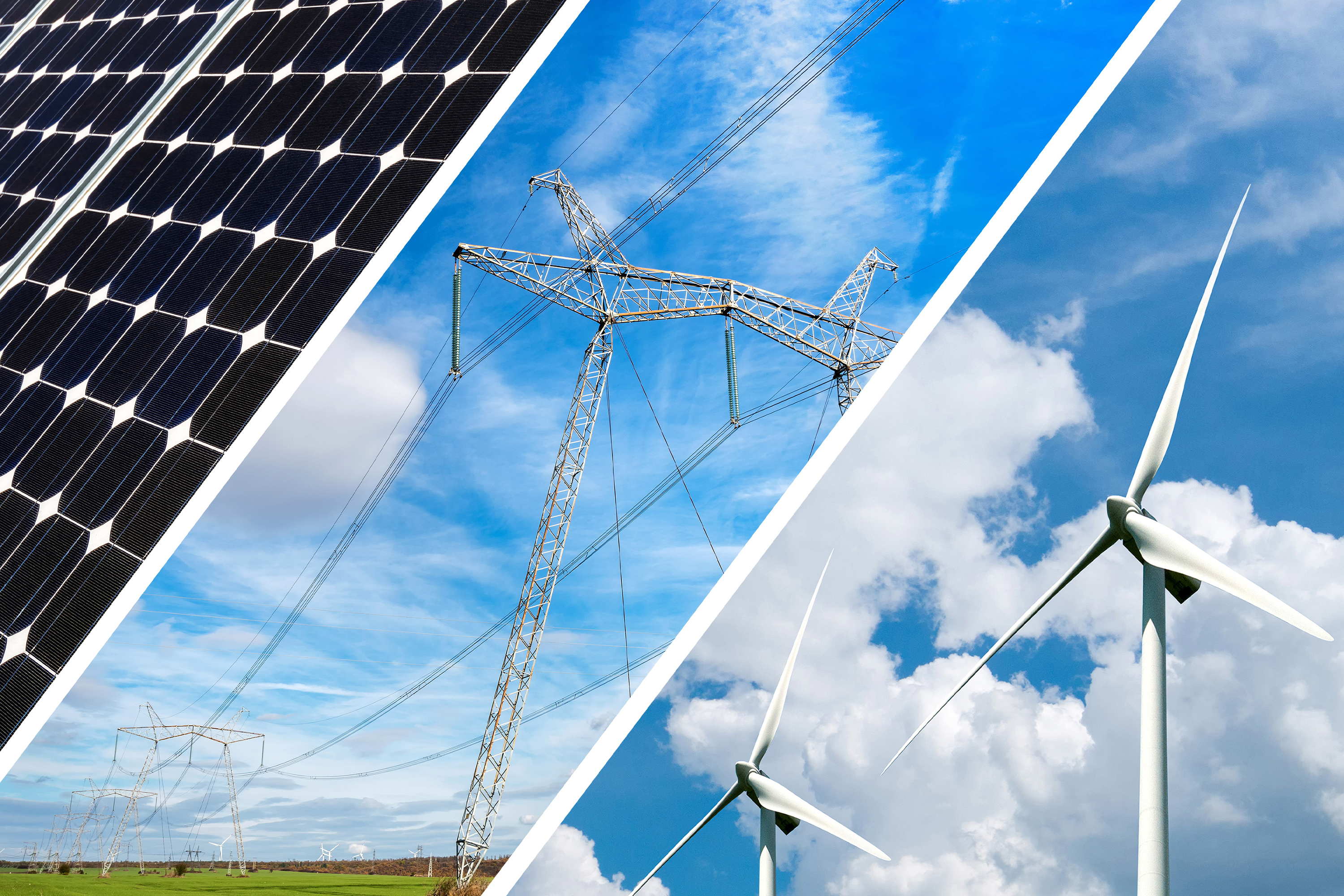
The Service Provider KPMG Points Out That the Main Challenge for Brazil to Become a Competitive Country in the Hydrogen Sector Is Currently the High Cost of Production, but Highlights the Great Potential of Utilization of the Resource in the National Territory.
In a scenario of strong investment expansion in the hydrogen sector this Thursday, (04/28), the service company KPMG highlights the strong potential for resource utilization in Brazil and points out the main challenges in the sector for the country to become more competitive. Among them is the high cost of hydrogen production and the need for more investment in infrastructure, aiming to place the segment at the top of current energy production, as occurs with solar and wind energy.
Brazil Has Strong Potential to Become a Major Competitor in Hydrogen Production, Focusing on the States of the Northeast Region, Points Out KPMG
The hydrogen sector in Brazil has become one of the most attractive currently due to the resource production potential in the country, and this week the groundbreaking ceremony for a green hydrogen project in the state of Bahia will be launched. Thus, the debate about the sector’s needs and how the country can become a major competitor in resource production is growing.
Thus, the service provider KPMG commented on the sector in the national territory and highlighted that Brazil is a country with great production potential and can start to take advantage of this capacity for hydrogen generation.
-
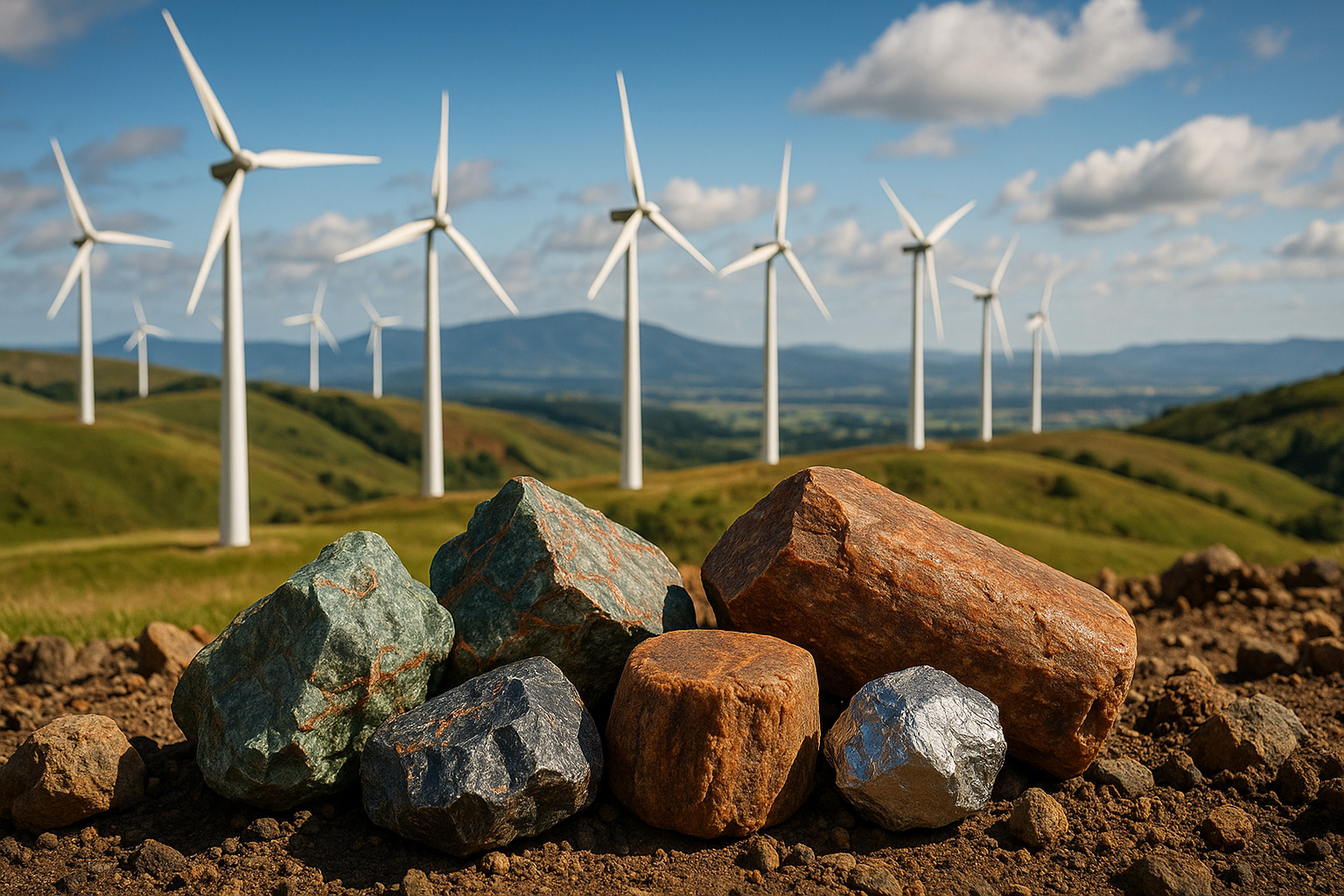
The Brazilian state accelerates industrial competitiveness with a focus on the extraction of strategic minerals to boost the energy transition in Goiás.
-
A Canadian retiree creates a hydroelectric system on a real river, generating energy continuously throughout the day and demonstrating how the power of water can supply a house with stability even in a simple structure.

-
Petrobras reaffirms its commitment to the market and ensures that it will carry out the energy transition safely to maintain national sovereignty.

-
Researchers discover a possible hydrogen deposit of up to 46 million tons beneath an ancient coal basin, and the volume could exceed half of the entire global production.


This is a completely clean energy source and, in a scenario of strong discussion about environmental impacts and a drive for the industry to adopt renewables, the company believes it is the moment to attract investments and overcome the sector’s challenges in the country.
Furthermore, there is strong potential for the export of clean energy using hydrogen, and the co-leader of KPMG’s Energy and Natural Resources sector in South America, Manuel Fernandes, highlighted: “I think there is a great opportunity for Brazil and the Latin American region as a whole, which can play an important role on the electric energy map, producing and even exporting clean energy. If we do the right things, Brazil can become a clean energy exporter. We need to take a step forward, have a policy for industrialization, and even export clean energy.”
High Cost of Production Is Still the Biggest Challenge in the Hydrogen Sector in the Country and Brazil Needs to Overcome This Problem
KPMG also commented on Brazil’s main challenges currently in the race for competitiveness in the hydrogen sector and highlighted that the biggest issue is the high cost of production, given that strong investments are necessary for projects of this type.
Thus, Manuel Fernandes stated that Brazil still does not have an adequate infrastructure to reduce production costs to the level of a competitive country in the international scenario.
The executive further highlighted that technological and structural investment is necessary for the country to be able to receive these projects. However, he stated that he already sees movement in the Federal Government to reduce these costs and stimulate this sector, especially after the launch of the Energy Decadal Plan 2031, which will also contribute to attracting projects in this area.
Finally, the KPMG representative stated that the main focus of the hydrogen sector is still decarbonization and that, to achieve the 2050 plan for reducing gas emissions, it is not enough just to wait for investors to come to the country; the Federal Government needs to pursue this scenario.









Seja o primeiro a reagir!