





 Portuguese
  English
  Spanish
  4 min of reading
  71 comments


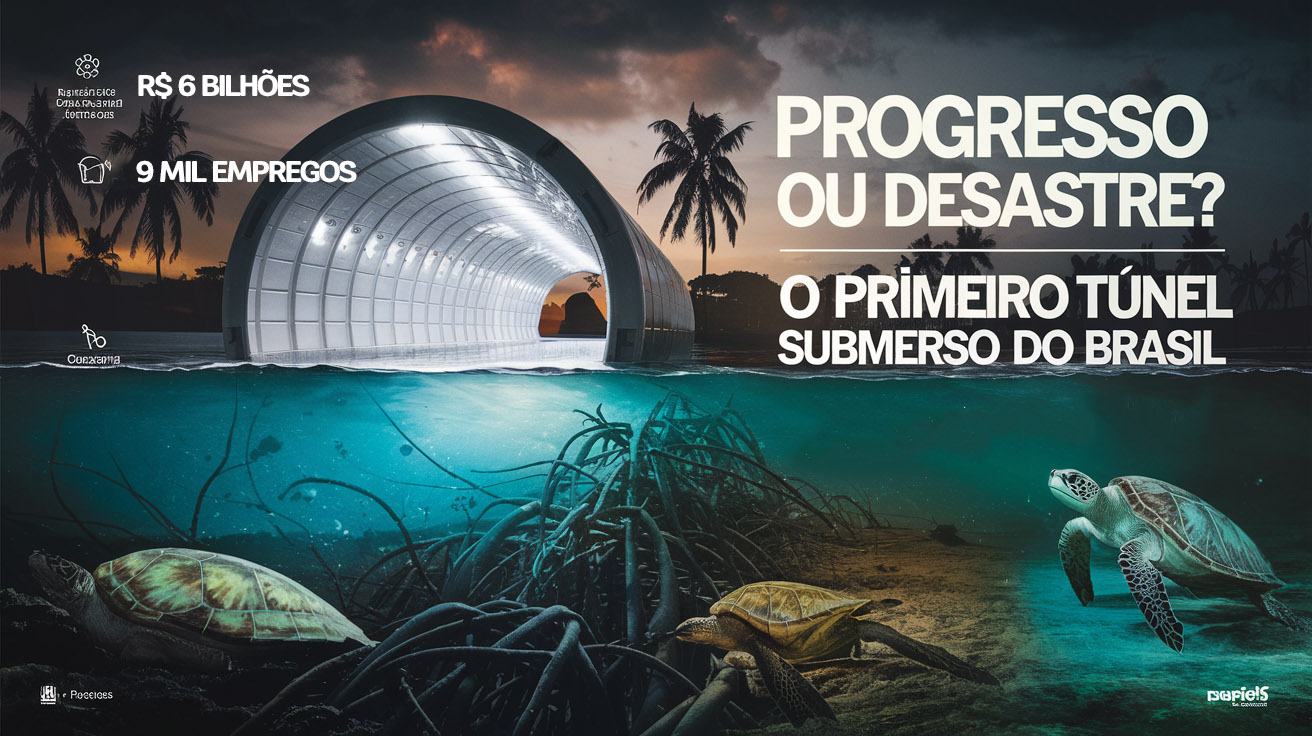


The First Submerged Tunnel In Brazil Promises To Revolutionize The Connection Between Santos And Guarujá, But At An Alarming Environmental Cost. With R$ 6 Billion Invested, The Work Threatens Mangroves, Marine Fauna, And The Swimmability Of Beaches. Is Progress At The Expense Of Biodiversity? Environmentalists Question The Impacts Of This Mega Structure And The True Cost Of Modernity.
In The Coastal Region Of The State Of São Paulo, An Ambitious Project Promises To Transform Mobility And Boost The Local Economy.
However, Under The Shine Of Modernity, Disturbing Doubts Arise Regarding The Environmental And Social Impacts Of This Monumental Construction.
The First Submerged Tunnel In Brazil, Connecting Santos And Guarujá, Carries A Promise Of Progress, But Also A High Environmental Cost That Challenges Experts And Concerns The Population.
-
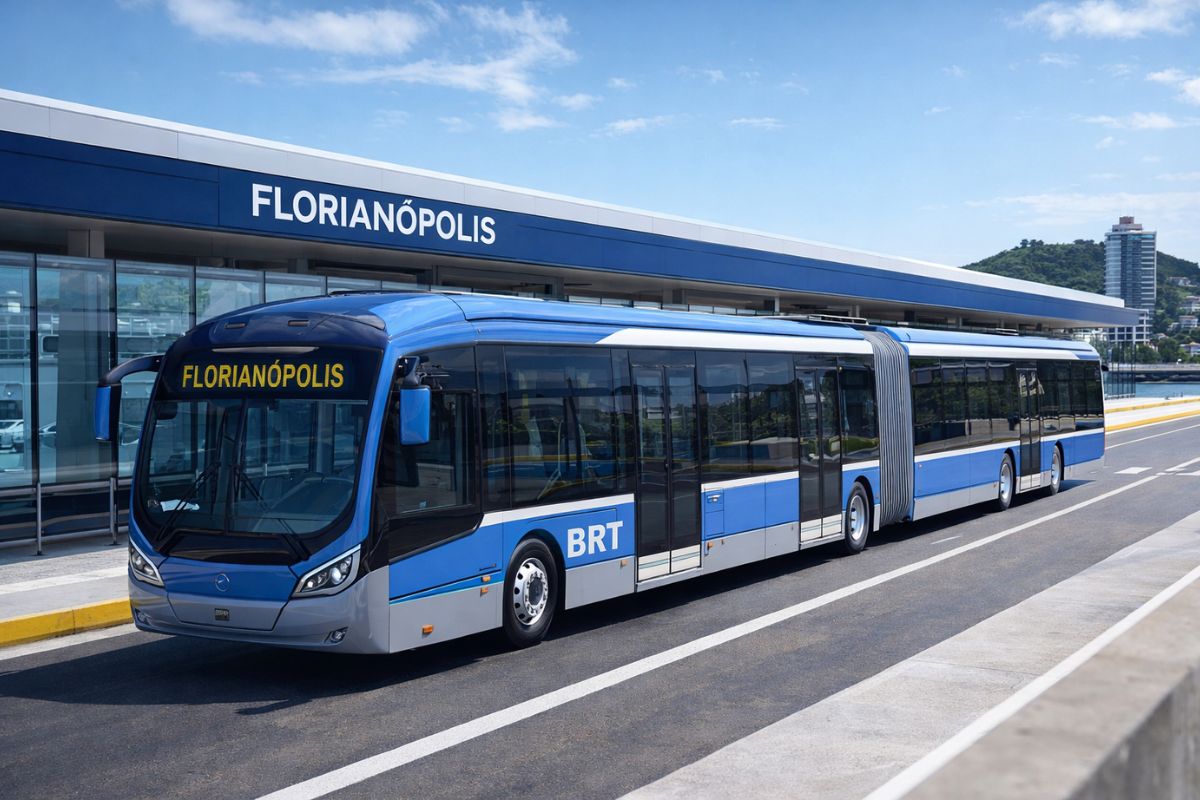
Florianópolis will receive a million-dollar BRT that will begin construction in 2026 with nearly 400 million in funding from the federal government and the Inter-American Development Bank, and the map already shows the routes for the exclusive bus corridors.
-
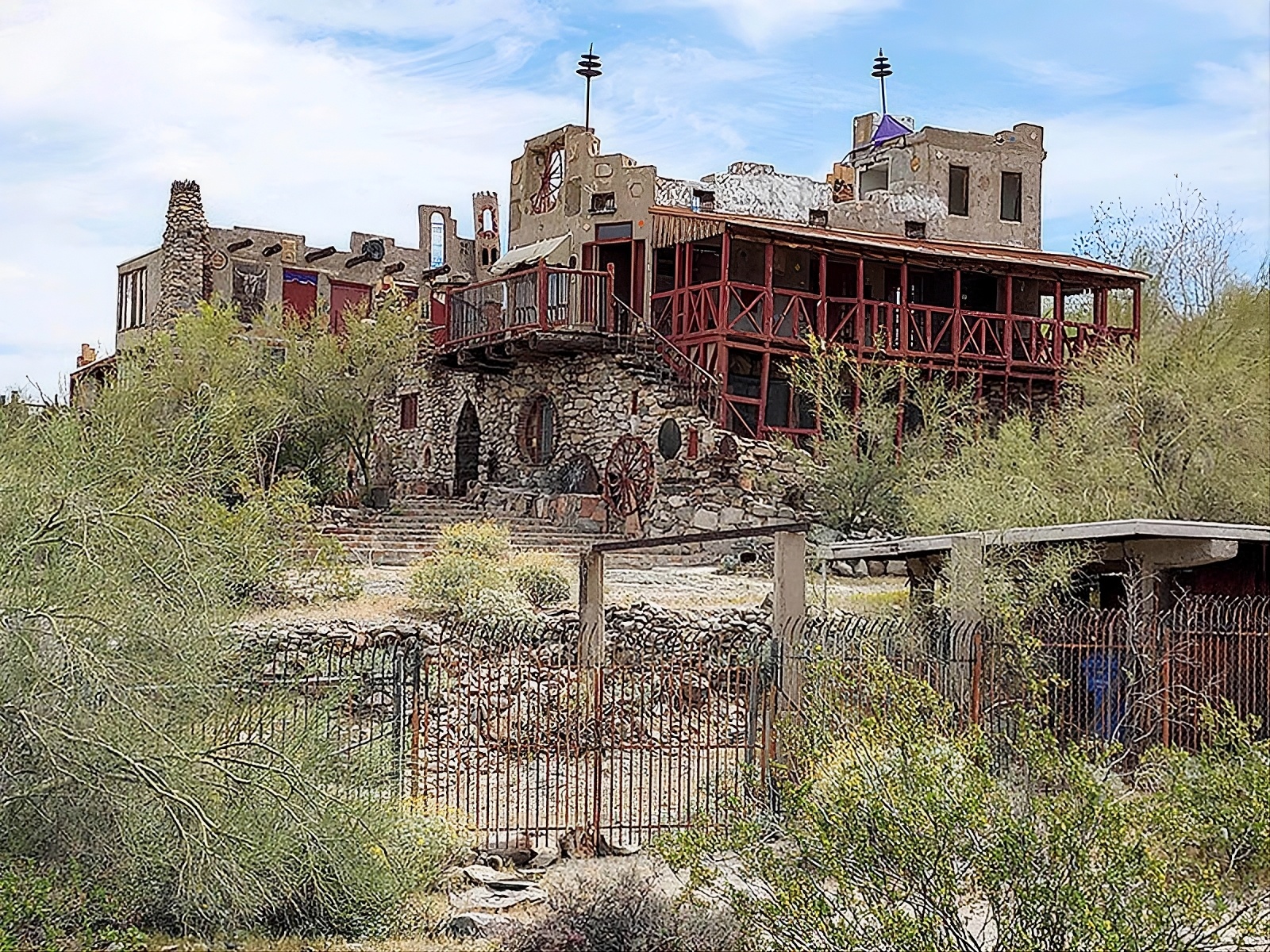
Without a blueprint, without an engineer, and using scrap from the dump, a father spends 15 years building an 18-room castle for his daughter, featuring tram tracks, 13 fireplaces, and over 700 m², which may now be demolished.
-
Larger than entire cities in Brazil: BYD is building a 4.6 km² complex in Bahia with a capacity for 600,000 vehicles per year, but the discovery of 163 workers in conditions analogous to slavery has shaken the entire project.

-
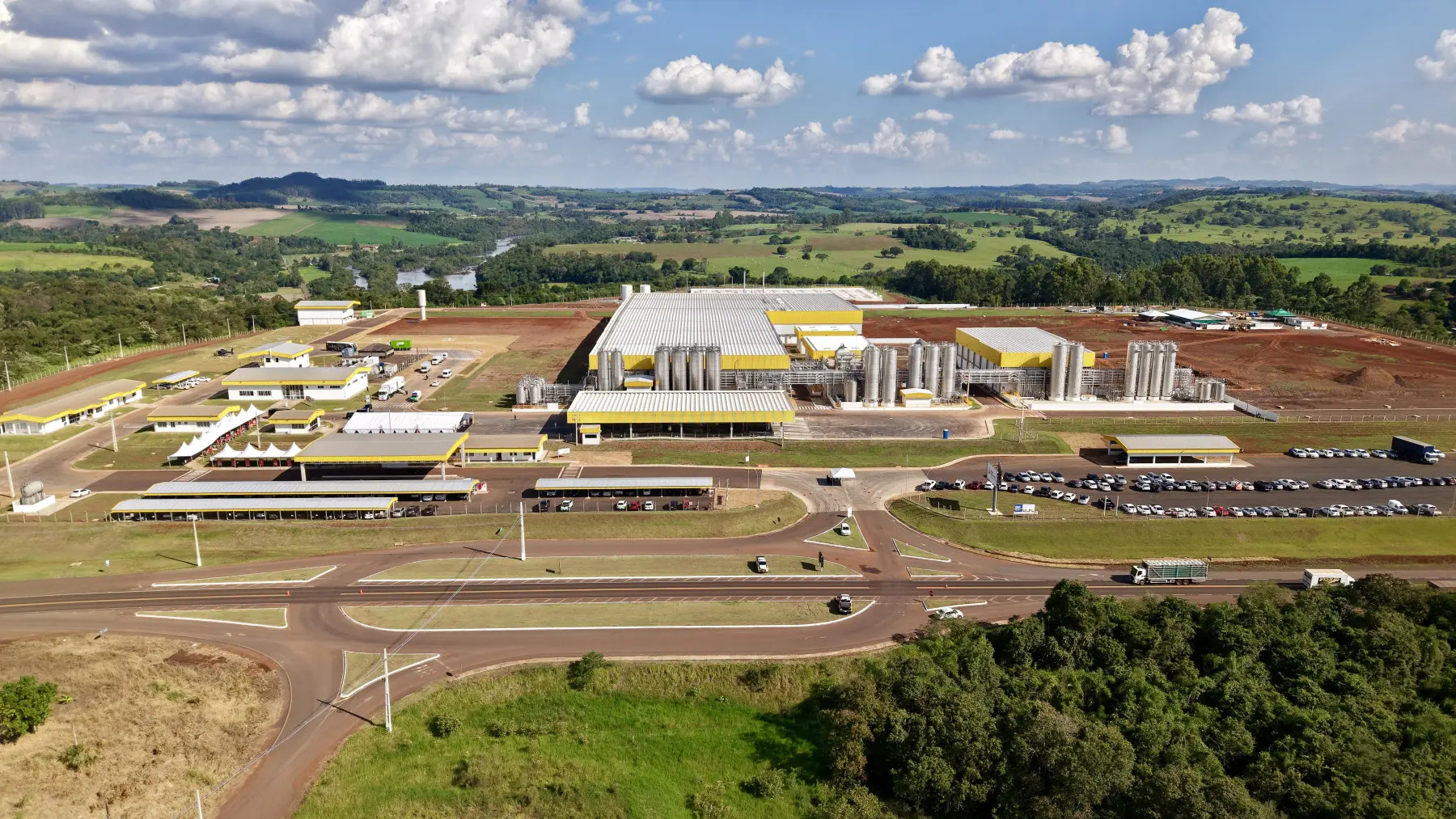
With an investment of R$ 612 million, a capacity to process 1.2 million liters of milk per day, Piracanjuba inaugurates a mega cheese factory that increases national production, reduces dependence on imports, and repositions Brazil on the global dairy map.

According To The Diário do Litoral, The Project Foresees Investments Of R$ 6 Billion And Aims To Generate Approximately 9,000 Direct And Indirect Jobs.
However, The Magnitude Of This Work Also Implies The Deforestation Of About 105,000 Square Meters Of Atlantic Forest, Including Mangroves And Restinga Areas.
These Regions Are Essential For Biodiversity And Coastal Protection, Which Has Raised Alerts Among Environmentalists And Local Residents.
Worrying Environmental Impacts
According To The Environmental Impact Report (Rima), Prepared By FIPE (Fundação Instituto de Pesquisas Econômicas), The Construction Of The Tunnel Requires The Deforestation Of 44,000 Square Meters Of Mangroves, Including Areas Located Within The APA (Environmental Protection Area) Of Serra De Santo Amaro.
In Addition, Approximately 3,640 Square Meters Of Highly Preserved Mangroves Will Also Be Removed.
These Mangroves Play A Vital Role In Feeding Green Turtles (Chelonia mydas), Especially The Young Specimens That Depend On Seaweed.
The Diário do Litoral Highlights That The Suppression Of This Vegetation Could Compromise The Sustainability Of Various Marine Species, In Addition To Aggravating The Risks Of Coastal Erosion And Flooding.
The Report Also Warns Of The Loss Of Habitats For Endemic Terrestrial Species Of The Atlantic Forest, Such As Anteaters And Sloths.
Additionally, The Removal Of Native Vegetation May Aggravate The Problem Of Local Warming, As Vegetative Cover Plays A Crucial Role In Climate Regulation.
Marine Life Under Threat
The Work Also Poses Serious Risks To Aquatic Fauna.
According To FIPE, The Dredging Of The Estuary Bottom Will Increase Water Turbidity, Suspending Sediments Contaminated By Heavy Metals, Such As Those Discharged By Industries In Cubatão For Decades.
This Turbidity Will Compromise The Swimmability Of The Beaches Of Santos And Affect The Health Of Marine Species, Ranging From Small Crustaceans To Dolphins And Whales.
According To The Technicians Consulted By The Report, There Is A Possibility Of Bioaccumulation Of Heavy Metals In The Food Chain, Affecting Both Marine Species And Human Health Through The Consumption Of Contaminated Seafood.
The Increased Sedimentation At The Bottom Of The Estuary May Also Harm Natural Fish Nurseries, Impacting The Artisanal Fishing Activity In The Region.
According To The Diário do Litoral, Another Concern Is The Increased Risk Of Collisions Between Vessels And Marine Animals Due To Low Visibility.
For Tourists And Locals, This May Directly Impact Ecotourism, One Of The Main Attractions In The Region.
Pollution And Side Effects
The Environmental Impact Report Also Points To A Significant Increase In Air And Water Pollution Levels During The Execution Of The Project.
The Excavations And Transportation Of Materials Generate Worrying Levels Of Dust, While The Paving Of Access Roads May Release Gases Such As Nitrogen Dioxide (NO2) And Sulfur Dioxide (SO2), Which Affect Air Quality.
According To The Study, There Is Also The Risk Of Oil Spills And Other Fuels From The Machines Used In The Work, Which May Contaminate Mangrove Areas And Watercourses.
This Contamination, Combined With The Sediments Rich In Heavy Metals Raised During Dredging, Represents A Significant Threat To The Quality Of Groundwater And Local Supplies.

Logistics And Port Interruptions
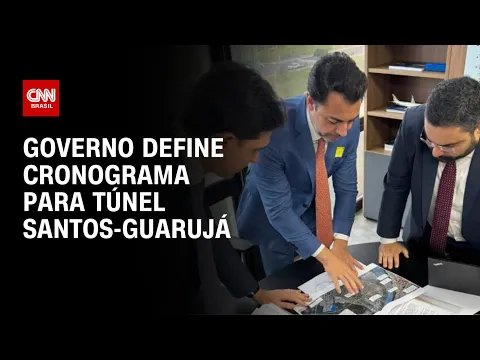
The Construction Will Also Cause Direct Impacts On The Port Of Santos, One Of The Most Busy In Brazil.
During The Installation Of The Tunnel Modules, Traffic In The Estuary Canal Will Be Partially Blocked, Which May Require Redirection Of Cargo To Other Ports In The Country.
According To The Diário do Litoral, This Detour May Generate Additional Costs And Affect Export Schedules.
Additionally, The Increased Traffic Of Heavy Trucks And Machinery During Construction May Overload The Urban Infrastructure Of Santos And Guarujá.
The Report Highlights The Risk Of Traffic Jams And Increased Wear Of Urban Roads, Causing Disturbances To The Local Population.
Assessment And Future Of The Tunnel Works
Currently, The Project Is Under Analysis By CETESB, Responsible For Environmental Licensing.
In A Statement, The State Secretariat For Partnerships In Investments Stated That The Contributions Received In Public Hearings Are Being Considered For Project Review.
In Light Of So Many Implications, The Question Remains: Is It Worth Sacrificing Valuable Natural Resources And Quality Of Life For Infrastructure Improvements? For Many Experts, The Answer Depends On Solutions That Mitigate Environmental Damage And Ensure Real Compensation For Affected Communities.
According To Environmentalists, One Alternative Would Be To Adopt Less Invasive Techniques, Such As Using Engineering Technologies That Minimize Deforestation.
Complementary Studies Could Also Evaluate The Feasibility Of Alternative Routes Or Transportation Systems That Cause Less Environmental Impact.
The First Submerged Tunnel In Brazil, Though Grand, Is A Work That Highlights The Constant Tension Between Economic Development And Environmental Preservation. The Outcome Of This Story Will Undoubtedly Be A Milestone For Infrastructure Projects In The Country.
What Other Alternatives Could Meet The Mobility Needs Of The Region Without Compromising The Ecosystem?






E as queimadas na Amazônia? Vão bem obrigado! Não poluem? Quanto é queimado intermitantemente?
No túnel serão 105 mil m2?
Serão 10 hectares, o equivalente a 10 quadras de 100m X 100m, 0,3ha de mangue, que equivalente a dez terrenos de 10m X 30m.
Onde carajos esse túnel vai passar que vai desmatar tudo isso? Morei no Guarujá desde 2013 e vi todo o desenrolar do projeto e por onde ele passará (saindo da praça 14 bis, sentido macuco em Santos e a pergunta que não quer calar é? Onde é que esse pessoal viu 100 mil metros quadrados de mata atlântica aí? Mds. É só dar uma olhada na **** do mapa que você vai ver que não vao derrubar nada de mata atlântica, só se for os prédios e parte do manguezal que é bem ralinho que fica no Guarujá. Poluição? Meu amigo o rio que passa pelo porto de santos é IMUNDO, tem direito ate a **** boiando, kkkk. Só pegar a catraia, perto da barca de Vicente de Carvalho que tu vai ver na hora que tu descer no ponto dos barquinhos catraia em Santos, só fedorzao. Cada uma…