





 Portuguese
  English
  Spanish
 4 min of reading
  0 comments


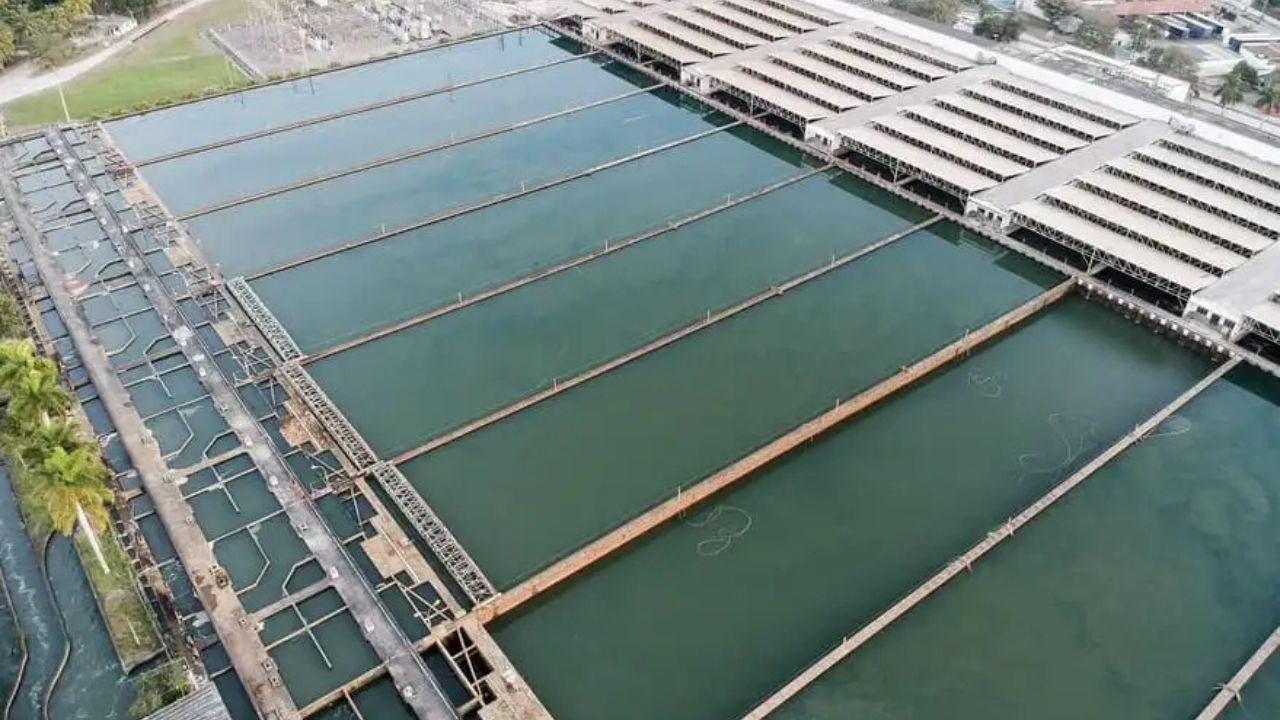
Privatization of Copasa is Authorized and Company Announces R$ 21 Billion in Investments in Sanitation in Minas Gerais by 2030.
The privatization of Copasa was officially authorized in Minas Gerais following the enactment of new state legislation, while the company announced a robust investment plan of R$ 21 billion in sanitation for the next five years.
The measure was adopted by the state government, sanctioned this week, and aims to enable the company’s privatization, increase investment capacity, and ensure the universalization of water and sewage services by 2033.
The decision originated from Governor Romeu Zema, who sanctioned Law No. 25.664/2025, authorizing the Executive Branch to promote the total or partial alienation of control of Copasa.
-
Historic bankruptcy of Centauro shocks the market, and the century-old company puts more than 500,000 products, machines, and complete infrastructure up for online auction.

-
New shoe factory in Ceará is expected to create 400 jobs and strengthen the local economy.
-
No one imagined it, but a mixture of sawdust with a mineral that fights fires surprises scientists with a result that changes the course of fire-resistant construction.
-
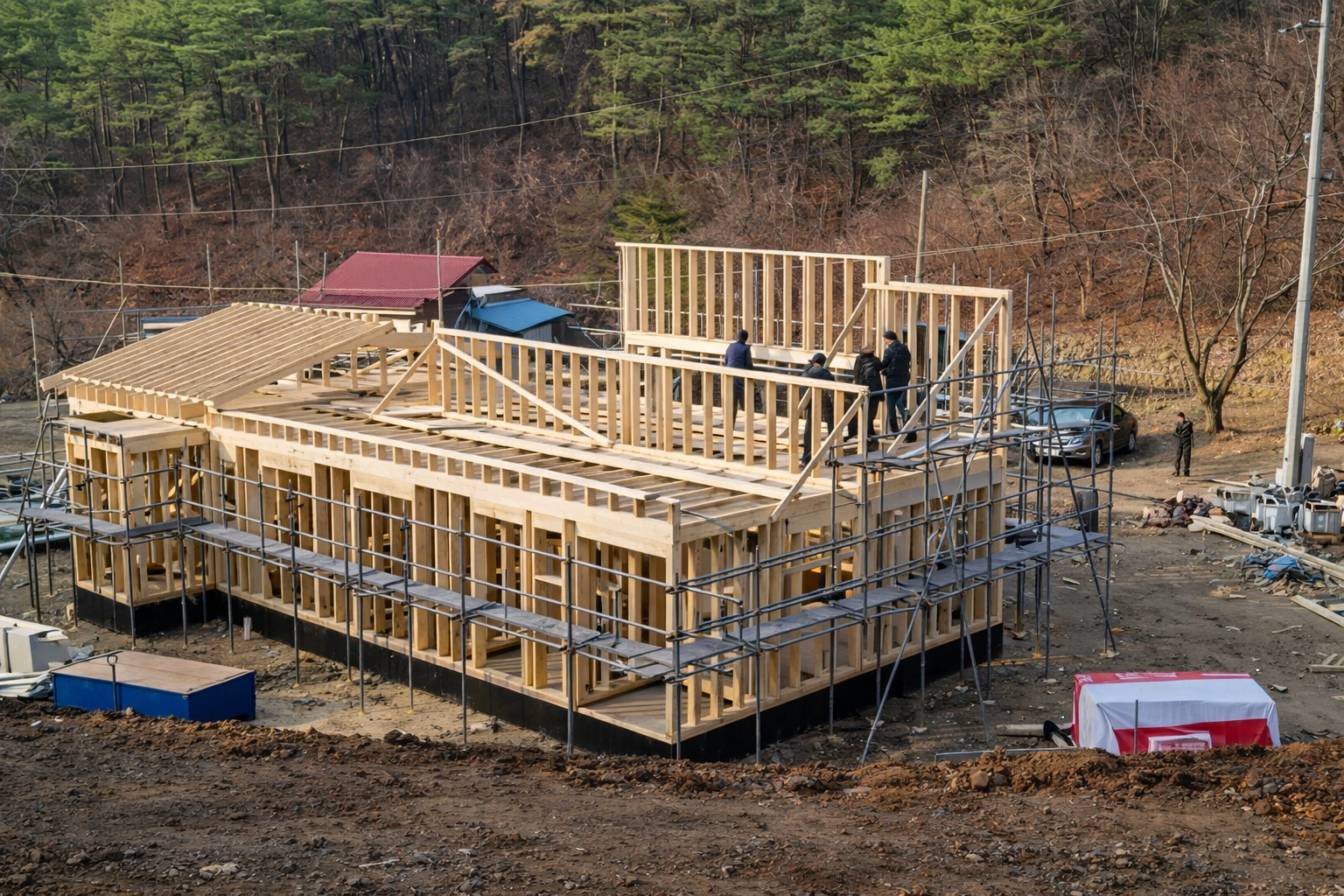
From empty land to a high-end house, wooden construction uses a lightweight system, metal structure for the foundation, ventilated ceramic cladding, and special windows to create an efficient and comfortable living space throughout the year.

The legislation was published in the Official Gazette of Minas Gerais and is already in effect, establishing the legal foundations for the privatization process and for increasing investments in the sanitation sector.
Law Authorizes Privatization and Defines Destination of Resources
The new legal framework is the result of Bill No. 4,380/2025, definitively approved by the Legislative Assembly of Minas Gerais (ALMG).
During the voting in the second round, the proposal received 53 favorable votes and 19 against, surpassing the minimum required for approval.
According to the law, the funds raised through the privatization of Copasa must be used primarily for the amortization of the state’s debt with the Union or to fulfill obligations under the State Full Debt Payment Program (Propag).
The norm also highlights the possibility of allocating part of the funds to a state basic sanitation fund, to be created by specific legislation.
The legislation also authorizes an increase in the company’s capital by renouncing or granting subscription rights through a public offering of securities.
Additionally, it permits the incorporation of the subsidiary Copanor, responsible for serving municipalities in Northern Minas Gerais.
State Maintains Strategic Veto Power
Even with privatization, the state of Minas Gerais will maintain a strategic control mechanism. The corporate statute of the company resulting from the process must provide for the creation of a special class preferred stock, exclusively owned by the state.
This instrument guarantees veto power in decisions considered sensitive, such as changes to the corporate name, relocation of headquarters, and other strategic issues, preserving public interests even after the transfer of shareholder control.
Mandatory Goals for Sanitation Universalization
Whoever takes control of Copasa will be required to meet strict performance goals. Among them is the universalization of water and sewage services by 2033, covering urban, rural, and consolidated informal areas.
The legislation also establishes rules for program contracts and concessions currently in effect in the municipalities served by the company.
These contracts may be replaced after the conclusion of the privatization process.
Regarding workers, the plan provides for the maintenance of employment contracts for 18 months after privatization, except in cases of dismissal for just cause.
After this period, the government may promote the relocation of employees to other state agencies.
New Copasa Investment Plan Reaches R$ 21 Billion
In parallel with the advancement of privatization, Copasa announced a new and more ambitious investment plan in sanitation.
The Board of Directors approved R$ 3.1 billion for 2026 and R$ 17.9 billion between 2027 and 2030, totaling R$ 21 billion.
According to a relevant fact disclosed by the company, the priority will remain aligned with the New Sanitation Framework, focusing on the universalization of sewage, reduction of losses, modernization of treatment plants, and strengthening of water security, especially in the Metropolitan Region of Belo Horizonte.
The new plan surpasses the previous one, which anticipated R$ 16.9 billion between 2025 and 2029. Between January and September of this year, Copasa has already invested R$ 2.003 billion, a growth of 26% compared to the same period in 2024.
Investment Schedule Until 2030
According to the Multiannual Investment Program, investments will follow a growing trajectory until 2028. The schedule foresees:
- 2026: R$ 3.1 billion;
- 2027: R$ 3.9 billion;
- 2028: R$ 4.8 billion;
- 2029: R$ 4.7 billion;
- 2030: R$ 4.5 billion.
Currently, Copasa serves about 11.8 million people in approximately 75% of the municipalities in Minas Gerais, with 8.8 million also having sewage services.
Tariff Review Takes Effect in 2026
The Arsae-MG announced the result of the 3rd Periodic Tariff Review of Copasa, valid from January 2026 to December 2029.
The Average Tariff Effect (ETE) set was 6.56%, effective from January 22, 2026.
The announcement had been temporarily suspended due to a strike by agency employees but was resumed after the normalization of the procedural schedule.









-

Uma pessoa reagiu a isso.