





 English
  Francês
  Alemão
  Italiano
  Japonês
  Norueguês
  Portuguese
  Spanish
  3 min of reading


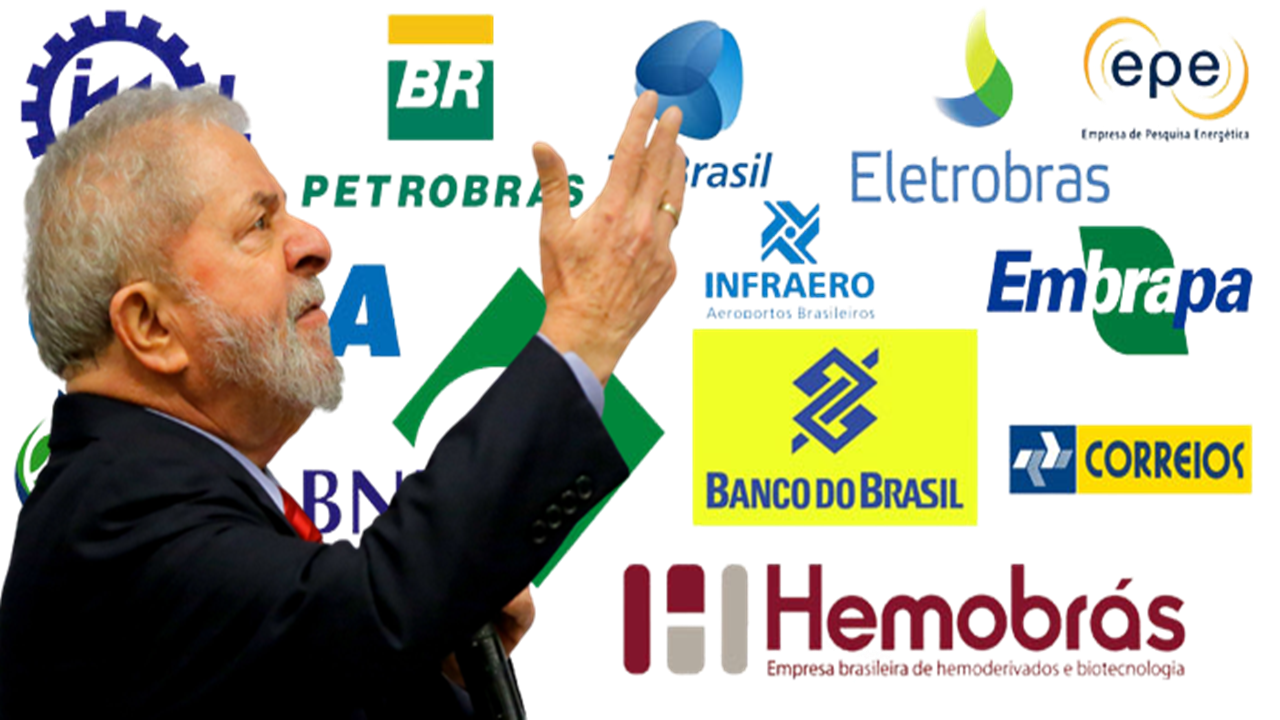
Privatizations Of Public Companies Are At The Center Of The Political Debate In Brazil. On One Side, Neoliberalists Who Argue That State-Owned Companies Should Be Privatized And On The Other, The Opposition That Promises The Re-Nationalization Of Large Companies.
The Year 2022 Is A Presidential Election Year. A Dispute That Is Already Proving To Be Quite Intense, With Two Opposing Sides In Public Administration Ideologies. On The Neoliberal Side, Which Includes President Jair Bolsonaro Under The Coordination Of The Minister Of Economy, Paulo Guedes, Whose Goal Is The Privatization Of Dozens Of State-Owned Companies. On The Other Side, The Pre-Candidate And Former President Lula Who Discards The Privatization Of Several Public Companies.
- Privatization Of Eletrobras Should Happen Between March And April 2022, According To BNDES
- Privatization Of Ports Initiated. Auction Notice For Codesa Published Today By BNDES. Understand The Situation
- If Elected, Lula Says Dollar Will Not Serve As A Basis To Define Gasoline Prices In Brazil, As Is Currently Practiced By Petrobras
At Least 90 Public Companies Are In The Crosshairs Of The Current Government For Privatization. Among Them Are Correios, Eletrobras, Telebras, And CBTU. Since 2019, 15 State-Owned Companies Have Already Come Under The Total Control Of The Private Sector, Such As BR Distribuidora. Currently, There Are 203 Public Companies In Brazil, Including State-Owned Companies And Subsidiaries.
Contrary To What He Calls The Dismantling Of The State, Former President Lula Has Taken Advantage Of The Current Moment Of Fuel Price Adjustments To Emphasize His Position Against Privatizations, Bringing The Rise In Gasoline And Diesel Prices, Along With Bank Profits, To The Forefront.
-
Expansion of Federal Institutes: 38 new campuses and R$ 200 million for public education; see the cities included.

-
Lula’s government changes rule in important benefit and thousands of Brazilians will no longer receive it; see what has changed.

-
New Gripen fighter makes Argentines surrender to Brazil, and the heavy reaction exposes envy, frustration, and shock at Brazil’s technological leap.

-
This discovered deposit near the Andes could change the future of Argentina, attract billions, and even shake up the global metals market.




“Petrobras Will Return To Being Owned By The Brazilian People. We Will Not Privatize Correios, We Will Not Privatize Banco Do Brasil, Or Caixa Econômica. We Will Not Dismantle BNDES (National Bank For Economic And Social Development). We Will Not Privatize Eletrobras. We Need To Talk About What We Want To Do Now Because I Am No Longer Of An Age To Lie To The Brazilian People,” Said Lula During An Event For The Membership Of Former Senator Roberto Requião To The PT, On Friday (18).
Privatization Of Public Companies Vs. Profit
The Privatization Of State-Owned Companies, Known As Dismantling, Is Considered A Way To De-Monopolize A Market With Less State Intervention. This Process Aims To Modernize The Companies, Increase The Participation Of Private Capital, And Reduce Costs For The Government.
The Year 2021 Saw Record Profits For Major Brazilian State-Owned Companies. Petrobras Alone Made Over R$ 106 Billion, Which Represents 1,400% More Than In 2020.
According To An Economic Analyst, The Rise In Oil Prices In The International Market And The Passing Of Costs Through Fuel Prices Would Have Driven These Gains. In Other Words, It Would Be Profit At The Expense Of The Consumer.
The Profit Of Banco Do Brasil Reached Over R$ 21 Billion In 2021, Even With The Closure Of About 7,000 Jobs. BNDES Also Had Record Profits (R$ 34.1 Billion – 65% More Than The Previous Year), And Caixa Econômica Federal Made R$ 17.3 Billion.
Is It Possible To Re-Nationalize The Companies?
The Bolsonaro Government Believes That All State-Owned Companies Are Subject To Privatization. There Is A Special Secretariat For Privatization, Divestment, And Markets Run By The Presidential Palace. The Working Group Believes That The Creation Of State-Owned Companies Violated Article 173 Of The Federal Constitution, Which States That “The Direct Exploitation Of Economic Activity By The State Shall Only Be Permitted When Necessary For National Security Imperatives Or For Relevant Collective Interest.”
Regarding The Re-Nationalization Of Companies, It Is Understood That Each Case Should Be Considered By The National Congress. In An Attempt For Something More Comprehensive About The Process Itself, A Legislative Idea Was Created In 2016 To Evaluate The Creation Of A Possible Project On The Matter. The Idea Has Only Received 2 Supports To Date.









Seja o primeiro a reagir!