





 Portuguese
  English
  Spanish
 4 min of reading
  0 comments


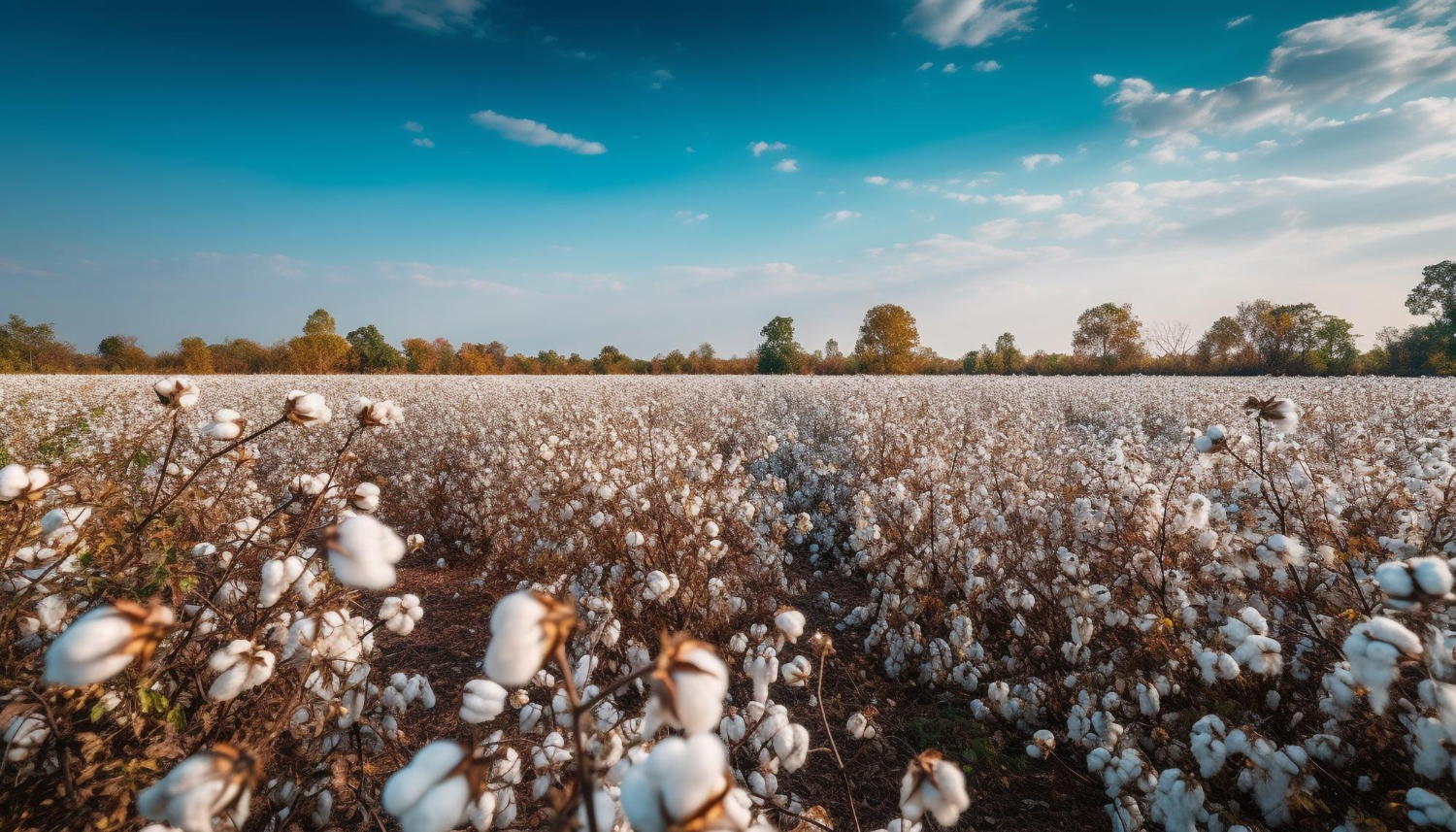
The Brazil Green Path Program Was Presented to AMPA and Promises to Stimulate Cotton Production in Mato Grosso by Encouraging Sustainable Practices and Accessible Credit for Rural Producers
The cotton production in Mato Grosso has stood out nationally and internationally, consolidating the state as a reference in productivity, technology, and sustainability, according to a report published.
During the meeting held in Cuiabá (MT), the special advisor to the Minister of Agriculture and Livestock and coordinator of the Brazil Green Path Program, Carlos Augustin, presented to the board of the Mato Grosso Association of Cotton Producers (AMPA) the new federal government proposal for the recovery of degraded areas and the expansion of sustainable production systems.
The meeting reinforced the strategic role of the state in the transition to a greener and more competitive agribusiness model.
-
Brazil has just secured a secret route through Turkey to save agribusiness exports that were threatened by the closure of the Strait of Hormuz amid violent clashes in the Middle East.

-
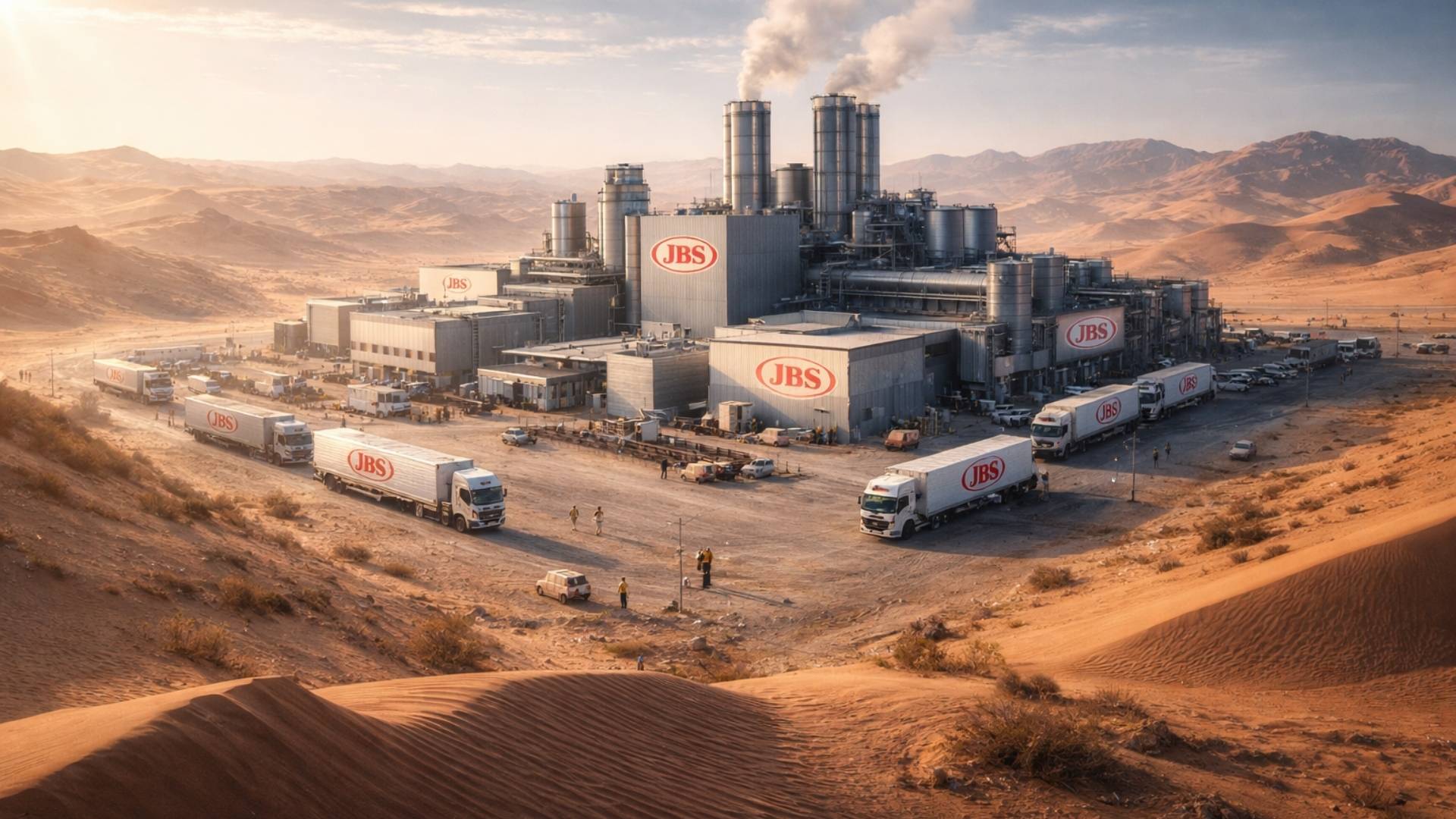
JBS, founded by the Batista brothers, continues to conquer the world: the entrepreneurs built a ‘factory in the desert’ with 3,000 jobs.
-
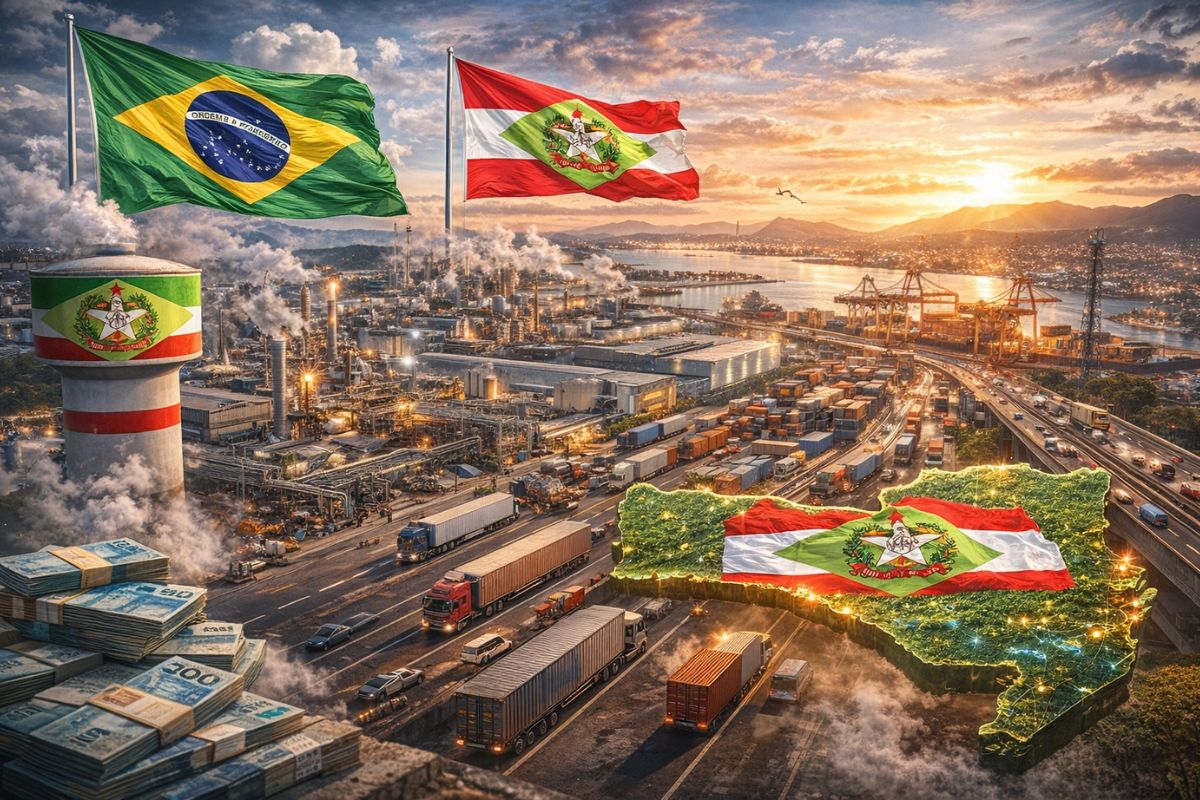
With only 1% of Brazilian territory, Santa Catarina has built one of the most competitive industrial parks in the country with 64,000 companies, nearly 1 million jobs, and a growth of 5.3% while the national industry is practically stagnant.
-
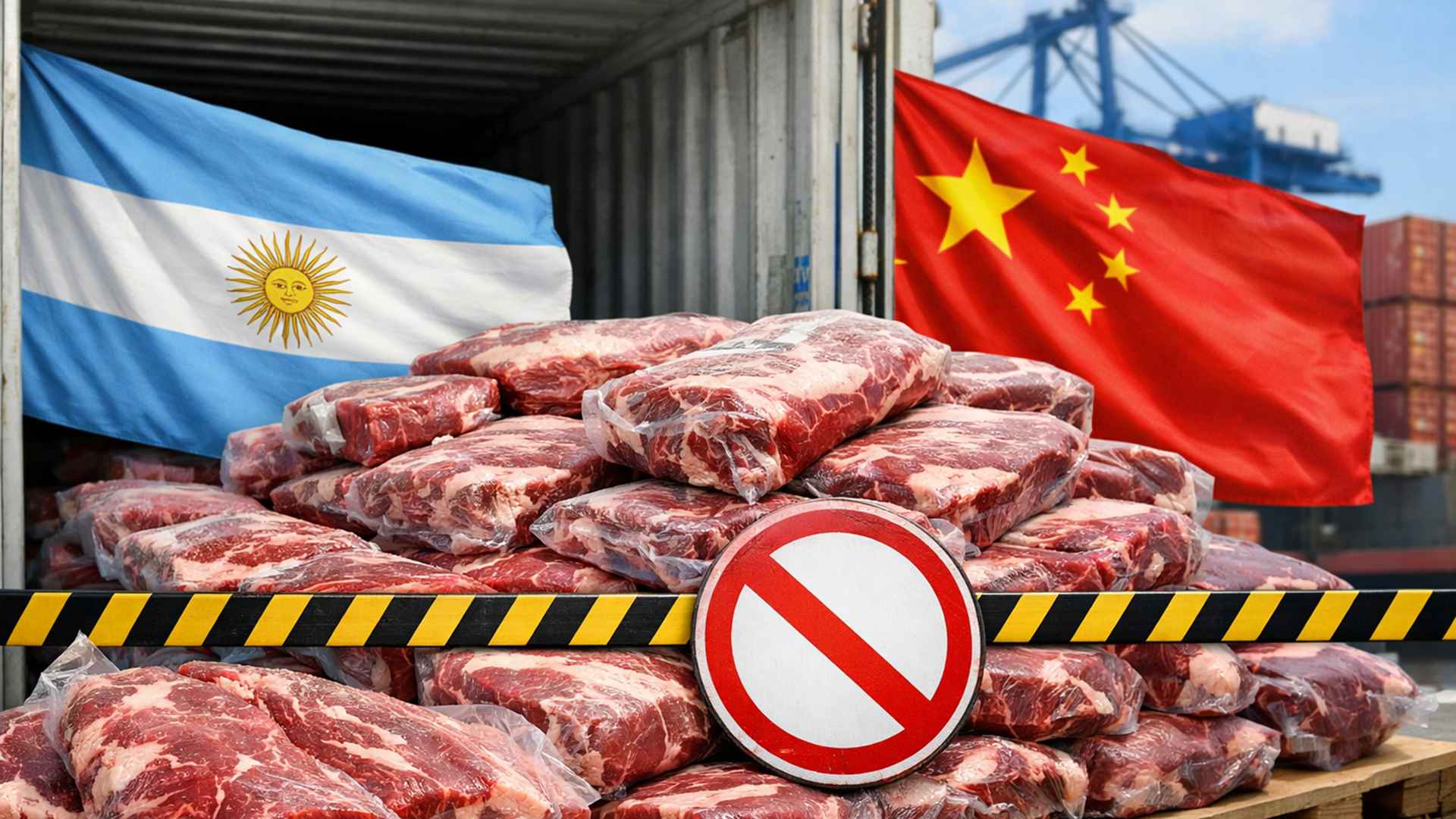
China banned the export of 22 tons of meat from Argentina.

With a focus on reducing environmental impact and ensuring access to new international markets, the Brazil Green Path Program offers credit lines with interest rates below the national average.
According to Augustin, the goal is to consolidate the country as the largest producer of food and fibers in the world with a high level of sustainability.
This initiative may mark a new stage for the agribusiness in Mato Grosso, especially for cotton producers, who already account for significant numbers in the Brazilian economy.
Brazil Green Path and Sustainable Financing in the Field
Among the main attractions of the Brazil Green Path is the offer of facilitated credit, available through ten financial institutions, including Banco do Brasil, BNDES, Caixa Econômica Federal, Itaú, Bradesco, and Rabobank.
Interested producers will have to commit to environmental responsibilities, such as avoiding deforestation of new areas and presenting annual carbon balances.
This requirement reinforces the program’s commitment to sustainable development and compliance with emission reduction targets.
The coordinator emphasized that the project’s goal is to recover 40 million hectares of degraded areas in ten years, allocating them to integrated agricultural and forestry production systems.
This approach promotes income generation and diversification of production, strengthening food security and the energy transition.
The cotton production in Mato Grosso will be directly benefited, as the state combines ideal conditions for productivity, technology, and environmental conservation.
The president of AMPA, Orcival Guimarães, emphasized during the meeting that more accessible credit will allow a larger number of producers to participate.
He highlighted that the main local challenge remains the recovery of degraded pastures, which represent a large portion of the areas with potential for productive renewal.
Growth of Productivity and Expansion of Agricultural Area
The data from the National Supply Company (Conab) confirm the continuous progress of agriculture in Mato Grosso.
The 2024/2025 cotton crop reached 6.92 million tons of seed cotton and lint, an increase of 8.3% compared to the previous cycle.
The cultivation occupied 1.46 million hectares, with 2.87 million tons just in lint, consolidating the state as the largest national producer in the sector.
Moreover, the total area for grain cultivation increased from 21.6 million hectares in the 2023/2024 harvest to 22.3 million in 2024/2025, a growth of 2.9%.
The productivity gain per hectare was 15.4%, with an average of 5,020 kilograms, compared to 4,349 kilograms in the previous cycle.
These results reinforce the state’s role as a agricultural powerhouse. If it were a country, Mato Grosso would rank third in the world for soy production.
This performance is a direct reflection of investment in technology, efficient water resource management, and incentive programs, such as the Brazil Green Path, that encourage low-carbon emission practices and responsible land use.
Sustainability and the Future of Brazilian Agribusiness
The advancement of cotton production in Mato Grosso aligns with the global trend of valuing sustainable and traceable products.
The Brazil Green Path Program acts as a bridge between productivity and environmental preservation, expanding Brazilian producers’ access to markets that require proof of clean origin.
The initiative also contributes to Brazil solidifying its strategic position in international climate agendas while driving modernization in the field.
The increasing adoption by Mato Grosso farmers demonstrates that sustainability and profitability can walk hand in hand when there are well-structured public policies and access to fair financing.
<pThus, the state continues to establish itself as a symbol of innovation in agribusiness and a model reference for other regions of the country, showing that the balance between production, green credit, and environmental conservation is the safest path for the future of the sector.








-

Uma pessoa reagiu a isso.