





 Portuguese
  English
  Spanish
 4 min of reading
  0 comments


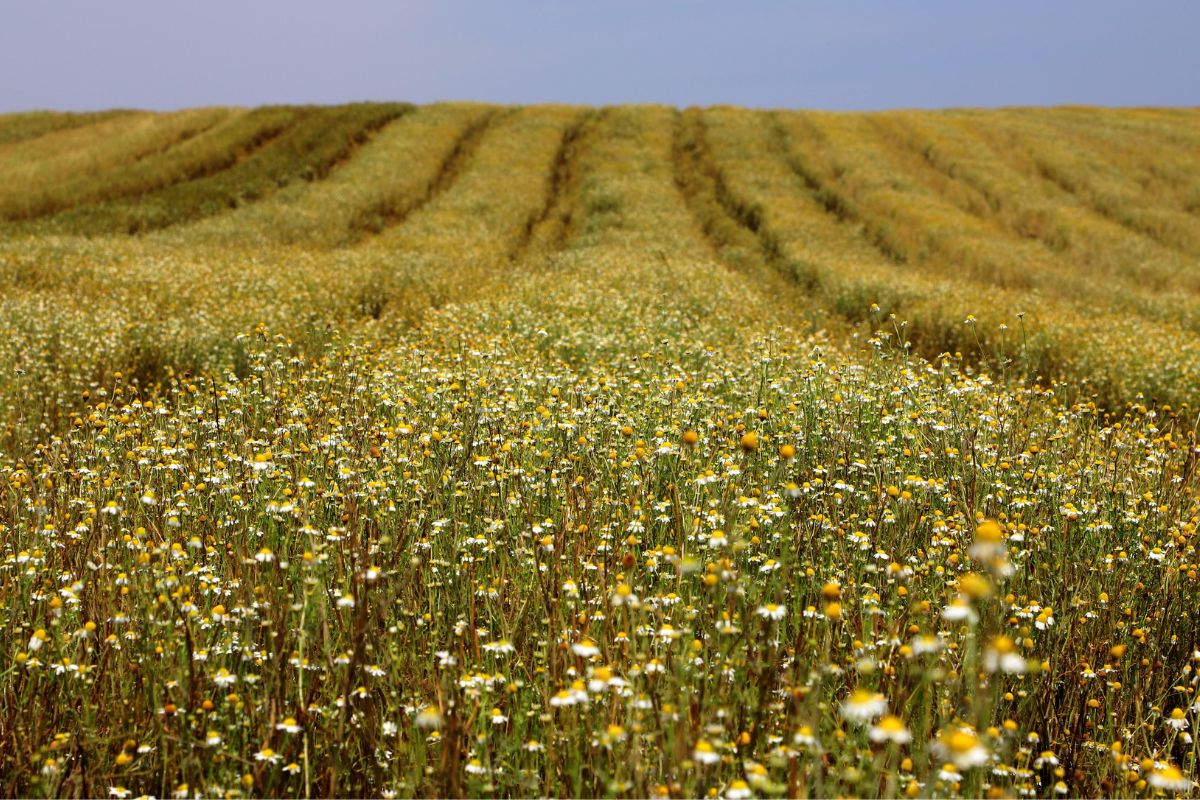
With National Highlight, Paraná Strengthens Its Chamomile Production in Paraná, Generating R$ 15 Million and Expanding Opportunities for Family Farmers and Sustainable Markets
The chamomile production in Paraná has been consolidating as one of the pillars of the state agribusiness, generating R$ 15 million and ensuring national prominence in the medicinal plants chain, according to a news article published.
The leadership is supported by a sustainable model, driven by family farming and the growing demand from industry and foreign trade.
With cultivation concentrated in Mandirituba, São José dos Pinhais, and Contenda in the Metropolitan Region of Curitiba, the State reaffirms its productive vocation, maintaining over 70% of the national harvest.
-
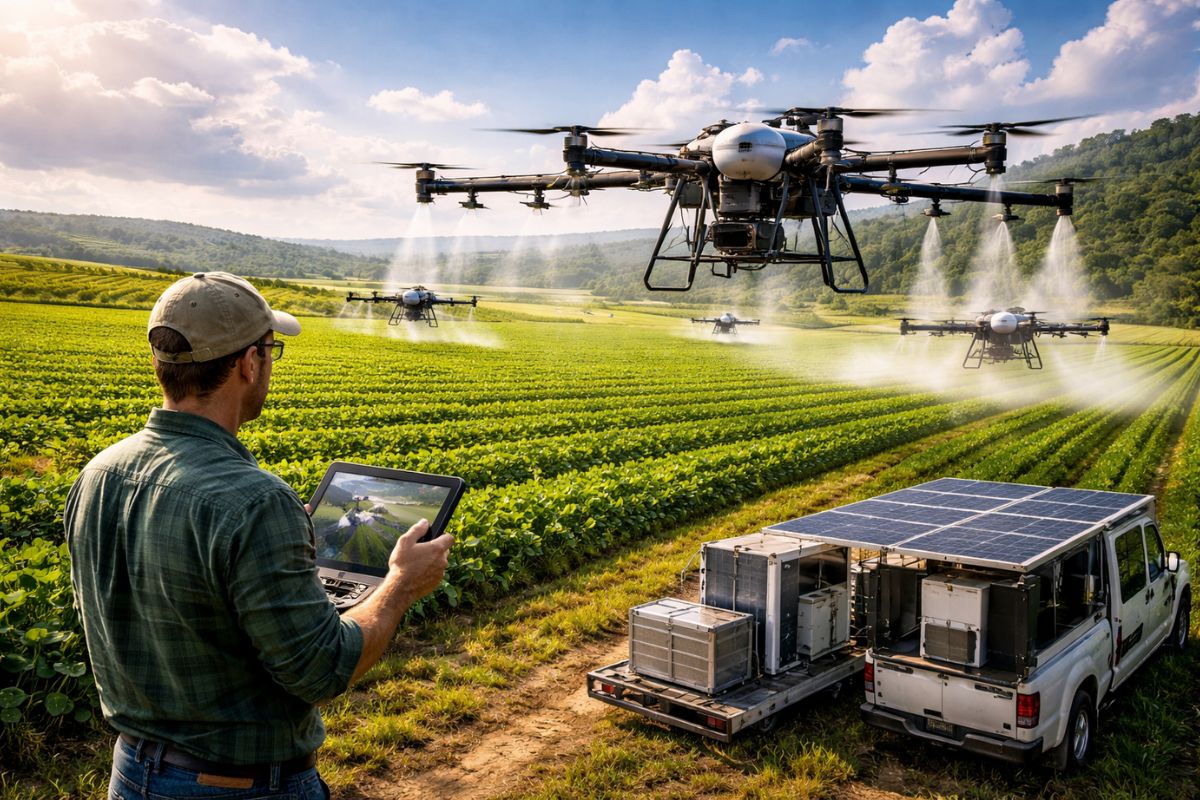
Alone, the producer applies 7,400 hectares with the T100 drone in an optimized structure, replaces the generator with a silent battery, and demonstrates how technology reduces costs, increases productivity, and even challenges the uniport in the field.
-
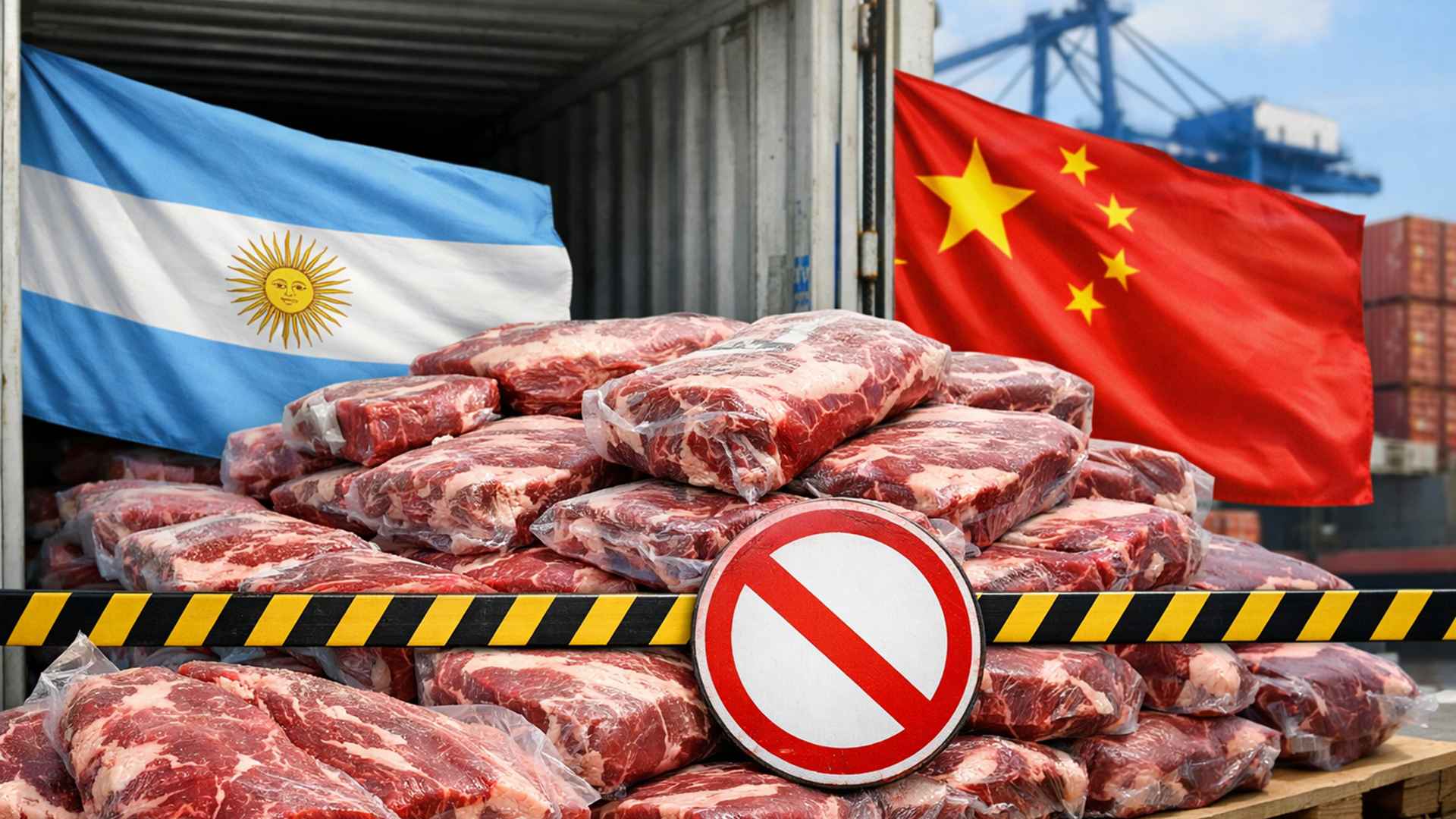
China banned the export of 22 tons of meat from Argentina.
-
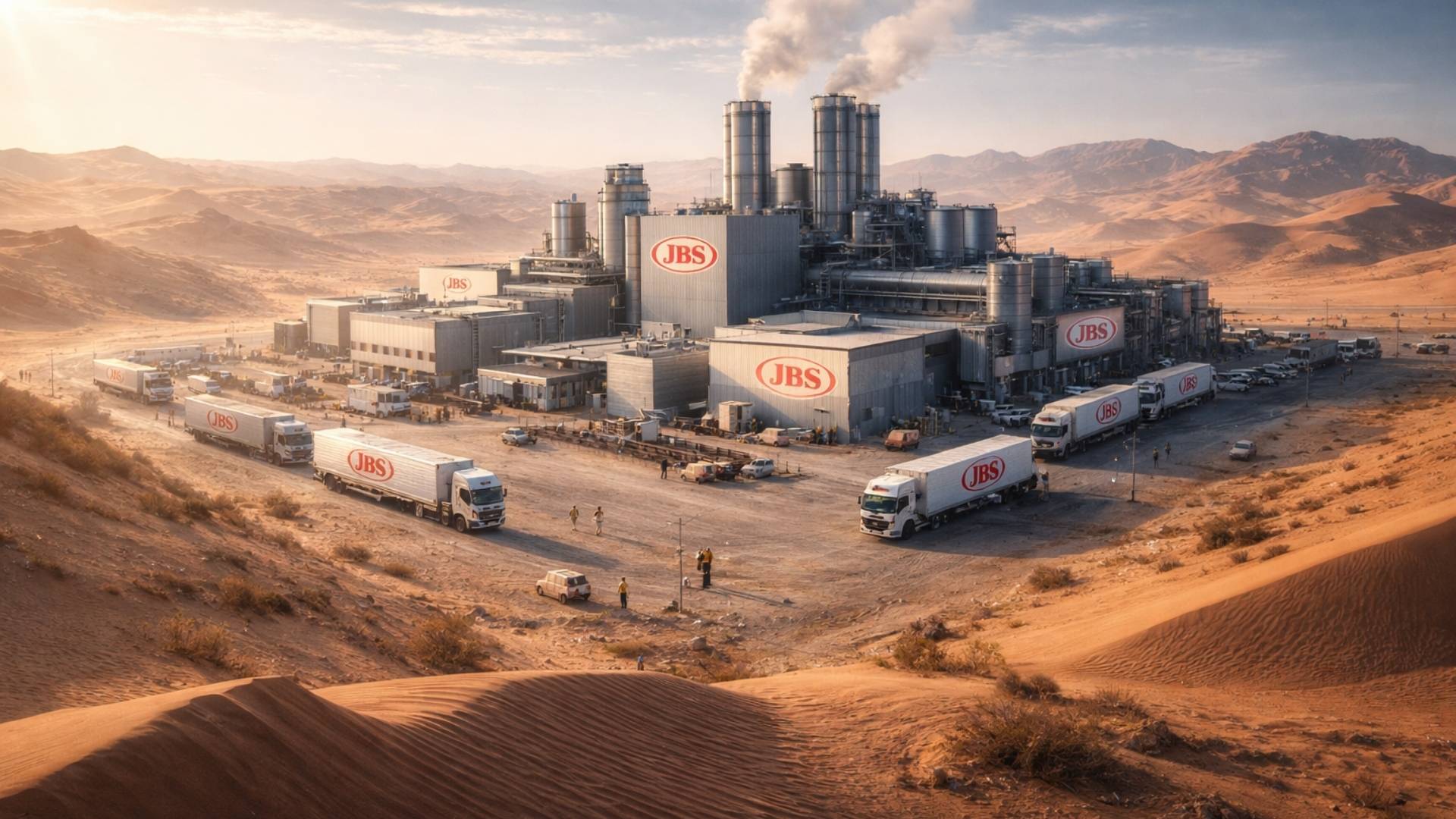
JBS, founded by the Batista brothers, continues to conquer the world: entrepreneurs built a ‘factory in the desert’ creating 3,000 jobs.
-
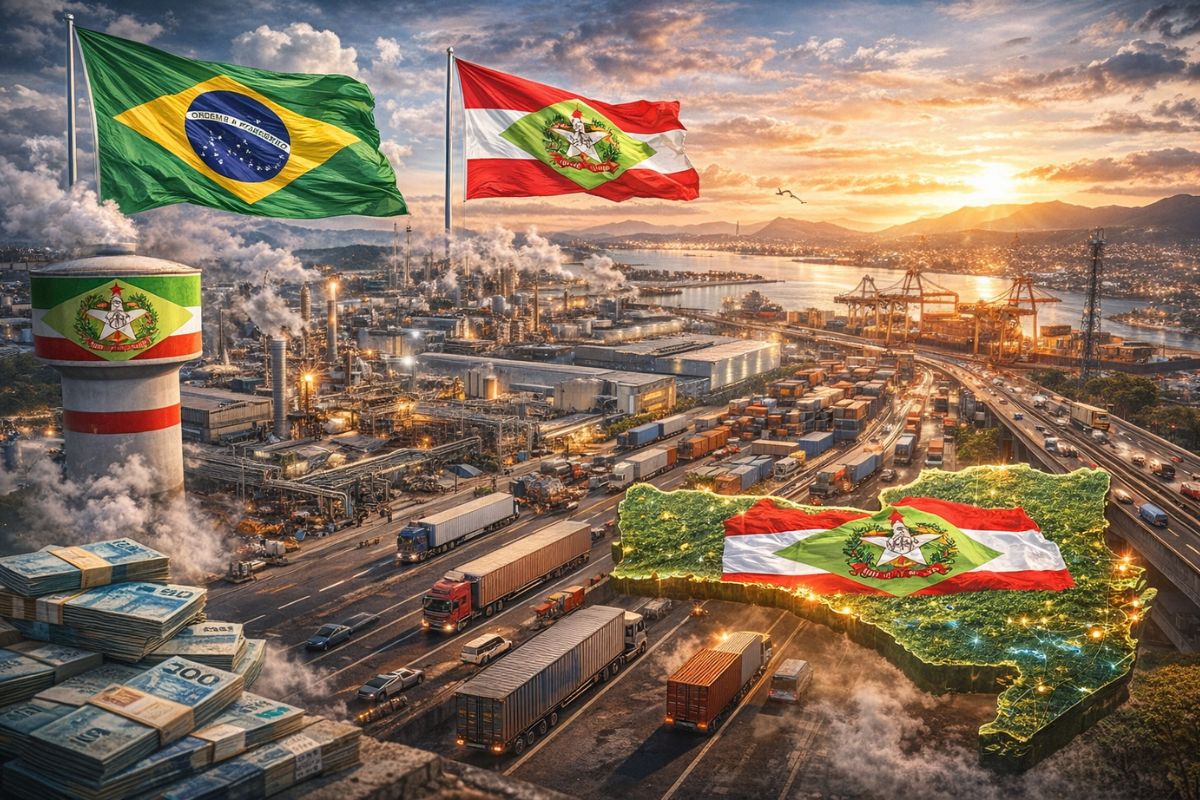
With only 1% of Brazil’s territory, Santa Catarina has built one of the most competitive industrial parks in the country, with 64,000 companies, nearly 1 million jobs, and a growth rate of 5.3% while the national industry is practically stagnant.

The report from the Department of Rural Economy (Deral), linked to the Secretary of Agriculture and Supply (Seab), highlights that chamomile not only generates local income but also strengthens field diversification, associating tradition, innovation, and regional development.
Sustainable Production and Family Farming Strengthen the Chamomile Chain
The basis of chamomile production in Paraná is in the hands of small producers, directly responsible for transforming cultivation into a high value-added activity.
In 2024, the State harvested 1,100 tons of the plant on 2,300 hectares, confirming the economic and social potential of the sector.
The municipalities of Mandirituba, São José dos Pinhais, and Contenda account for over 70% of the state crop, establishing themselves as a national reference in the culture.
Family farming in Paraná is the driving force behind this success. Small properties utilize sustainable management techniques and prioritize environmental balance, which enhances the quality and value of the final product.
Commercialization occurs throughout the year, keeping pace with industrial demand and exports.
Even with a smaller scale than major crops like soybeans and corn, chamomile stands out as a stable source of income and a viable alternative for agricultural diversification, especially in regions with favorable climate and tradition in cultivation.
Chamomile and the Global Medicinal Plants Market
The production of chamomile in Paraná also connects to the expansion of the medicinal plants market in Brazil, which is consistently growing due to the appreciation of natural and phytotherapeutic products.
The Deral bulletin indicates that, in 2024, the Gross Value of Production (VBP) for chamomile reached R$ 15 million, reinforcing the state’s prominence on the national scene.
This performance reflects the increase in demand for natural ingredients by the pharmaceutical, cosmetic, and food industries, segments that see chamomile as a highly versatile asset.
The State has also excelled in product quality and the ability to meet specific export niches, particularly in Europe and Asia, markets that value traceability and sustainable cultivation.
The success of the crop exemplifies how the Parana agribusiness can balance competitiveness and sustainability, with the support of public policies that value small producers and the rational use of land.
Agricultural Diversification and Regional Economic Impact
The growth of chamomile production in Paraná occurs in parallel with other expanding sectors, such as fruit farming, mate tea, and pig farming.
The Deral reports that, in 2024, state fruit farming generated R$ 3.9 billion in VBP, with 1.3 million tons harvested on 53,800 hectares. Citrus farming leads, accounting for 39% of the total segment value.
Meanwhile, mate tea, a symbol of Parana culture, generated R$ 1.2 billion and represents up to 25% of agricultural wealth in municipalities like Cruz Machado.
These numbers demonstrate that diversification is one of the main strengths of the Parana rural economy.
In pig farming, the state maintains the second lowest production cost in the country, at R$ 5.77 per live kilo, according to Embrapa Swine and Poultry.
Even with a 0.7% increase in September, the sector remains competitive, driven by productive efficiency and integrated management.
This plurality of chains, combined with the consolidation of chamomile, positions Paraná as a national reference in productive balance and economic sustainability.
The model adopted by the State encourages integration among small producers, cooperatives, and industries, promoting regional development and food security.
Expansion and Prospects of Paraná Chamomile Production
The production of chamomile in Paraná is expected to continue growing in the coming harvests, supported by factors such as price stability and increasing international demand.
The 2025 harvest has already been completed, and according to the Seab bulletin, the pace of commercialization remains strong.
Technological advances, the use of good agricultural practices, and institutional support have contributed to improving productivity and product quality.
This combination allows the State to maintain national leadership and increase the added value of the production chain.
The trend is for the sector to continue attracting investments and consolidating the role of chamomile as a strategic product in Paraná agribusiness, especially in the context of family farming and the green economy.
With a production model that combines tradition and innovation, Paraná reaffirms its commitment to sustainability and regional development, factors that strengthen its presence in national and international markets and ensure the promising future of chamomile production in Paraná.








Seja o primeiro a reagir!