





 Português
  Inglês
  Espanhol
 3 min de leitura
  0 comentários


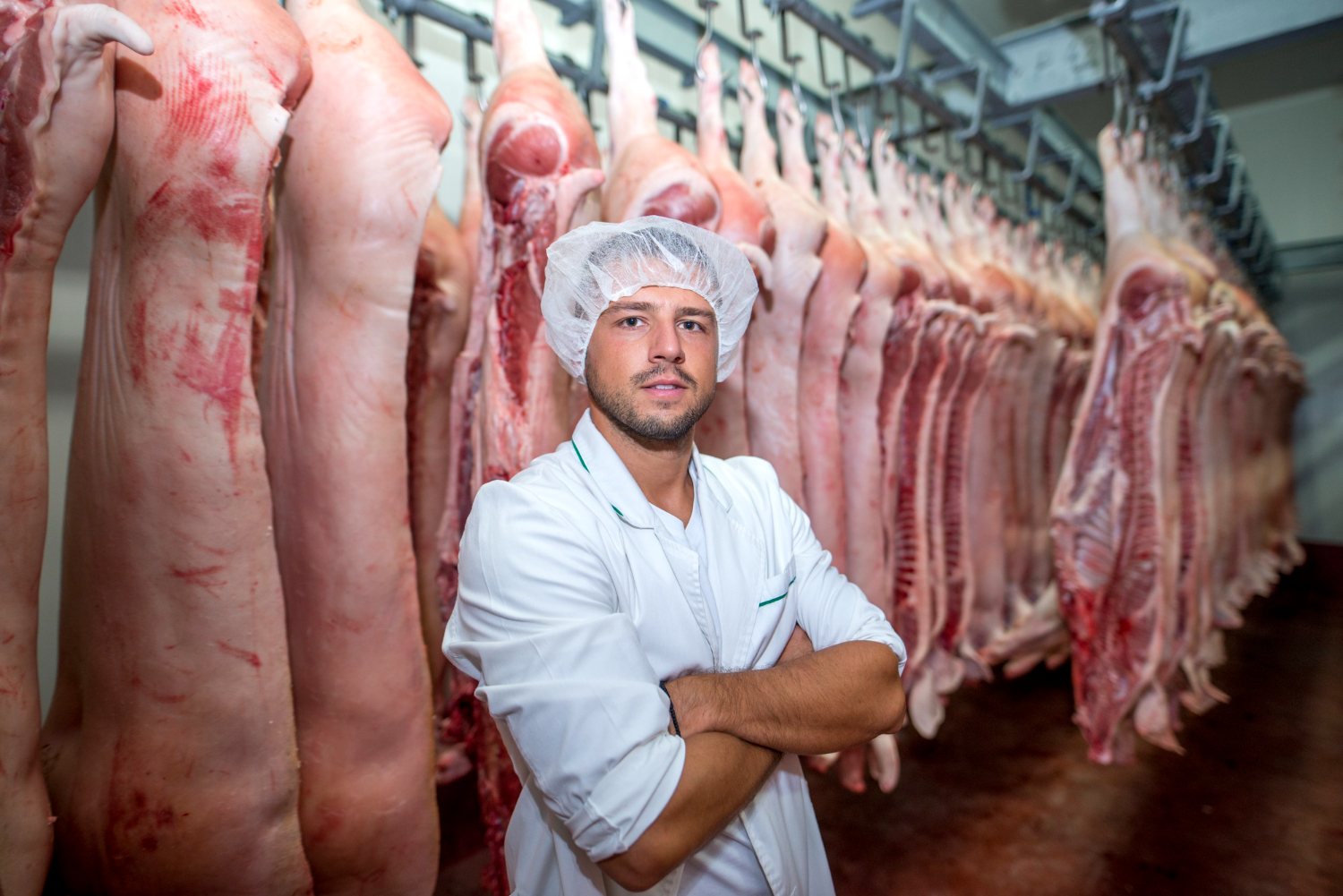
In September, The Costs of Pork and Chicken Production Increased Again, Driven by the Rise in Feed and Embrapa Indices That Show Growing Challenges for the Rural Producer
The production of pork and chicken recorded an increase in costs in September, according to a survey by Embrapa Swine and Poultry, released by the Poultry and Swine Intelligence Center (CIAS), available here.
The report indicates increasing pressure on producers’ margins, especially in the states of Santa Catarina and Paraná, national benchmarks in the sector, according to an article published.
The rise in input prices, such as feed, the main cost component, and the increased price of day-old chicks contributed to the rise in indices.
-
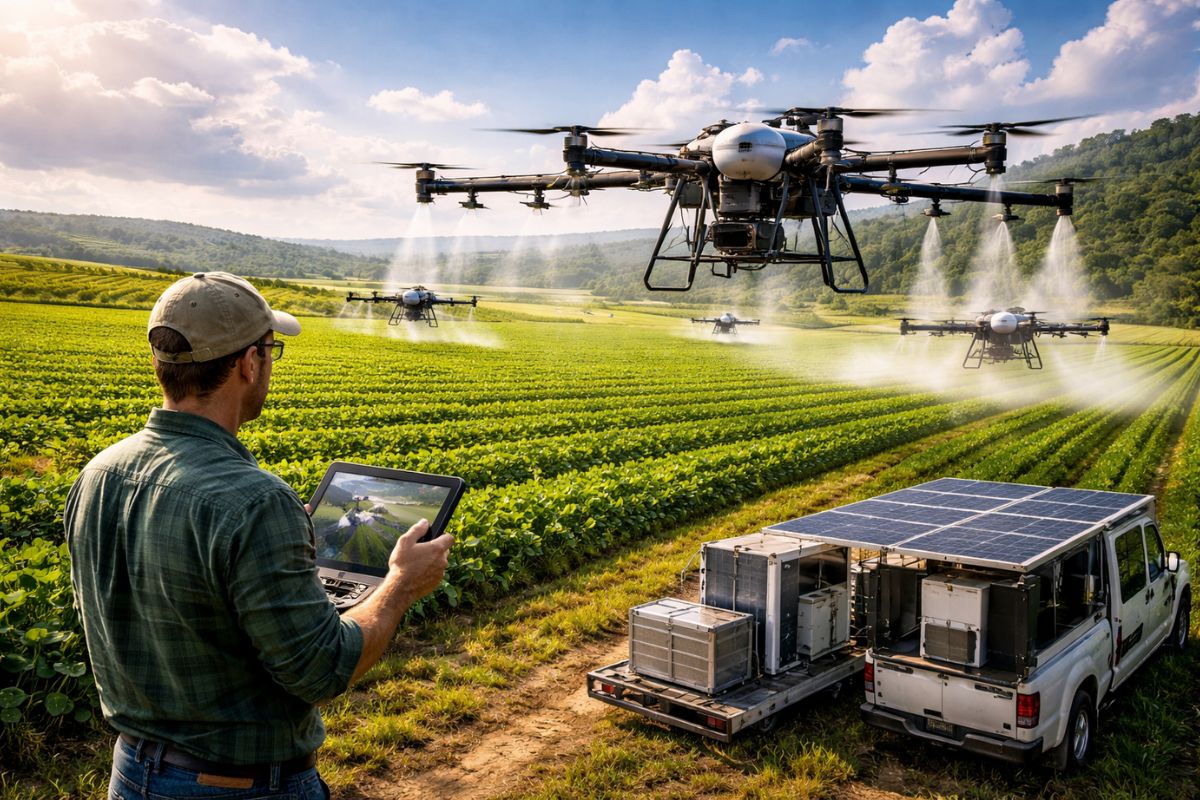
Alone, the producer applies 7,400 hectares with the T100 drone in an optimized structure, replaces the generator with a silent battery, and demonstrates how technology reduces costs, increases productivity, and even challenges the uniport in the field.
-
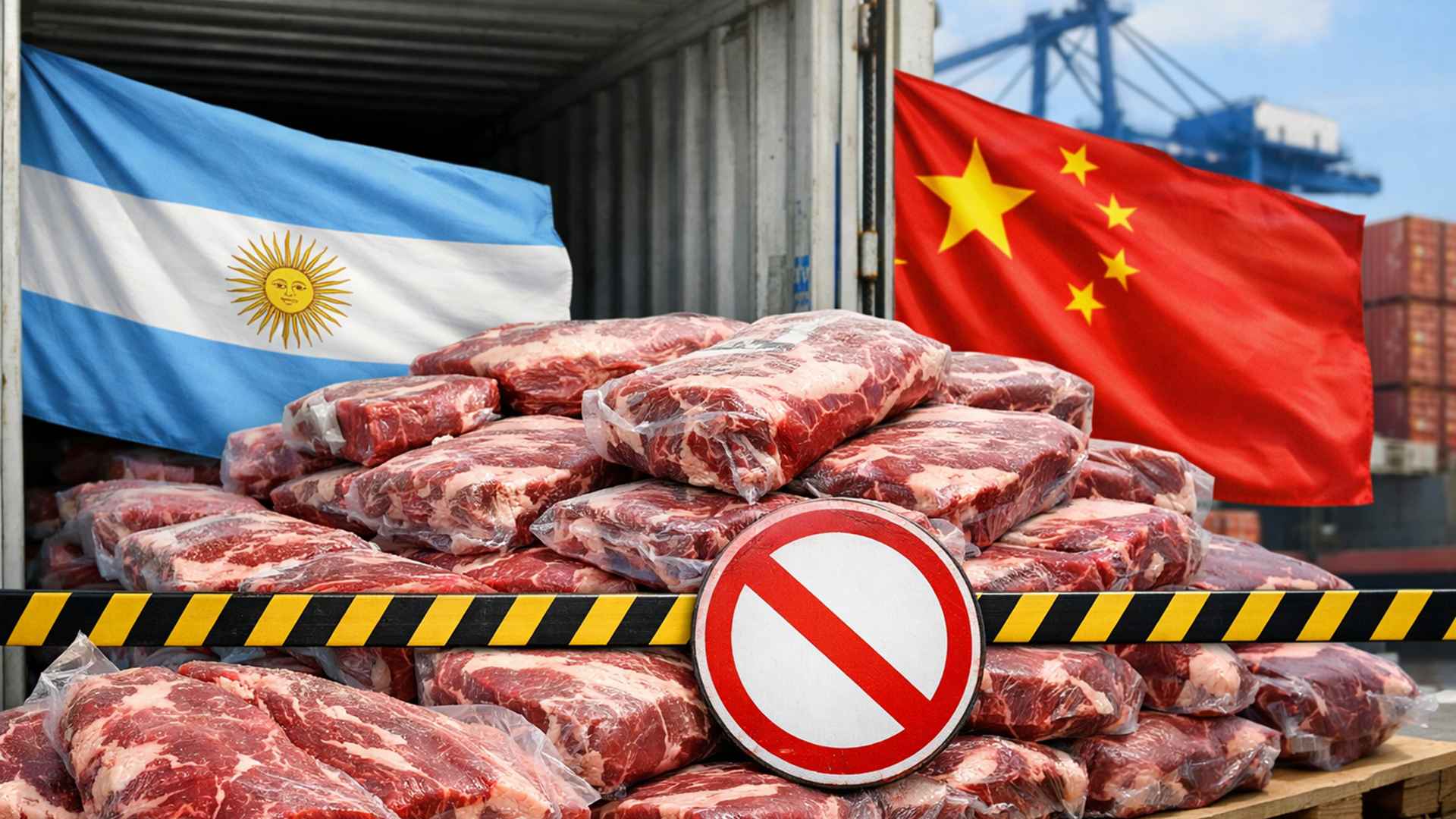
China banned the export of 22 tons of meat from Argentina.
-
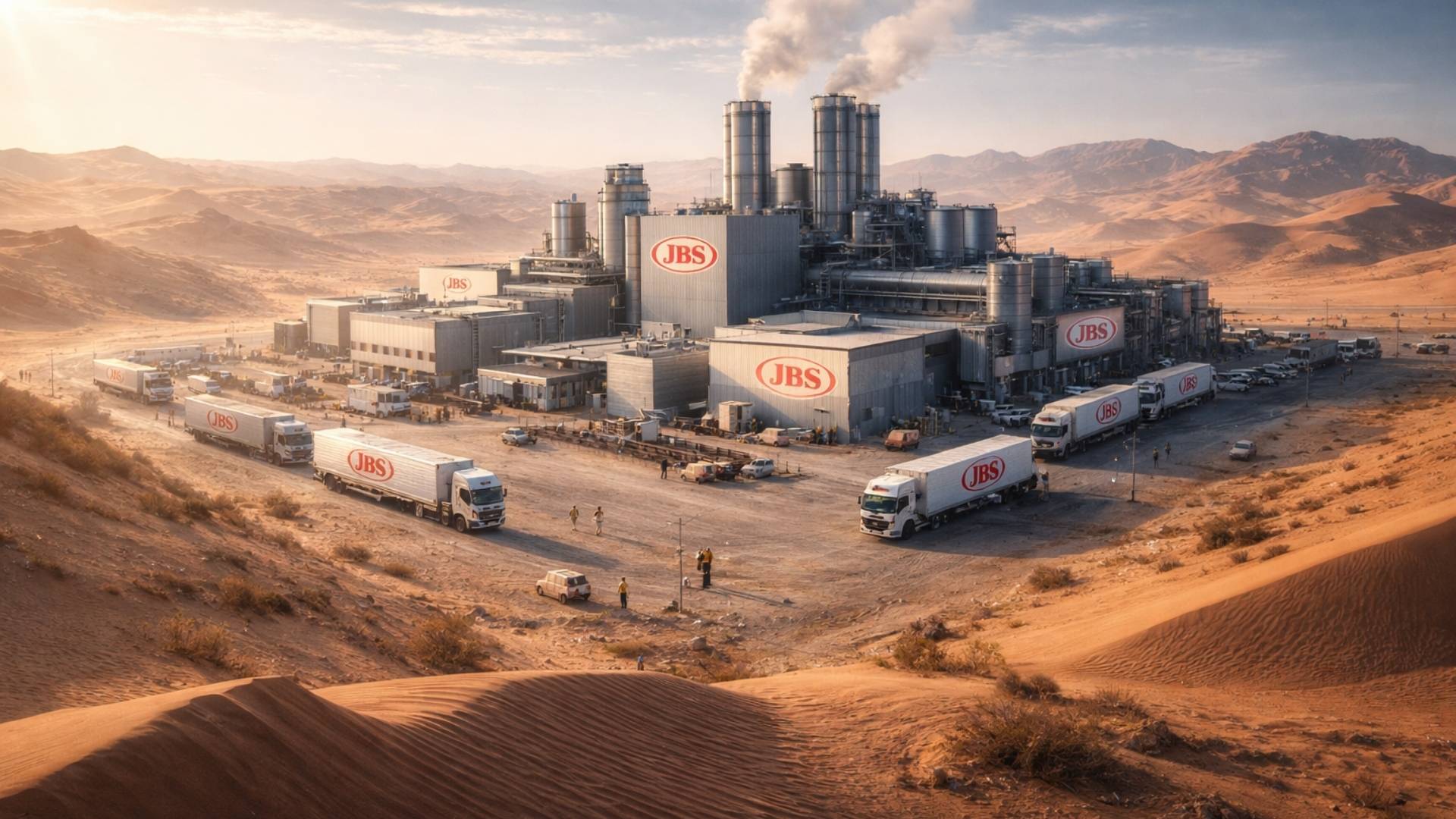
JBS, founded by the Batista brothers, continues to conquer the world: entrepreneurs built a ‘factory in the desert’ creating 3,000 jobs.
-
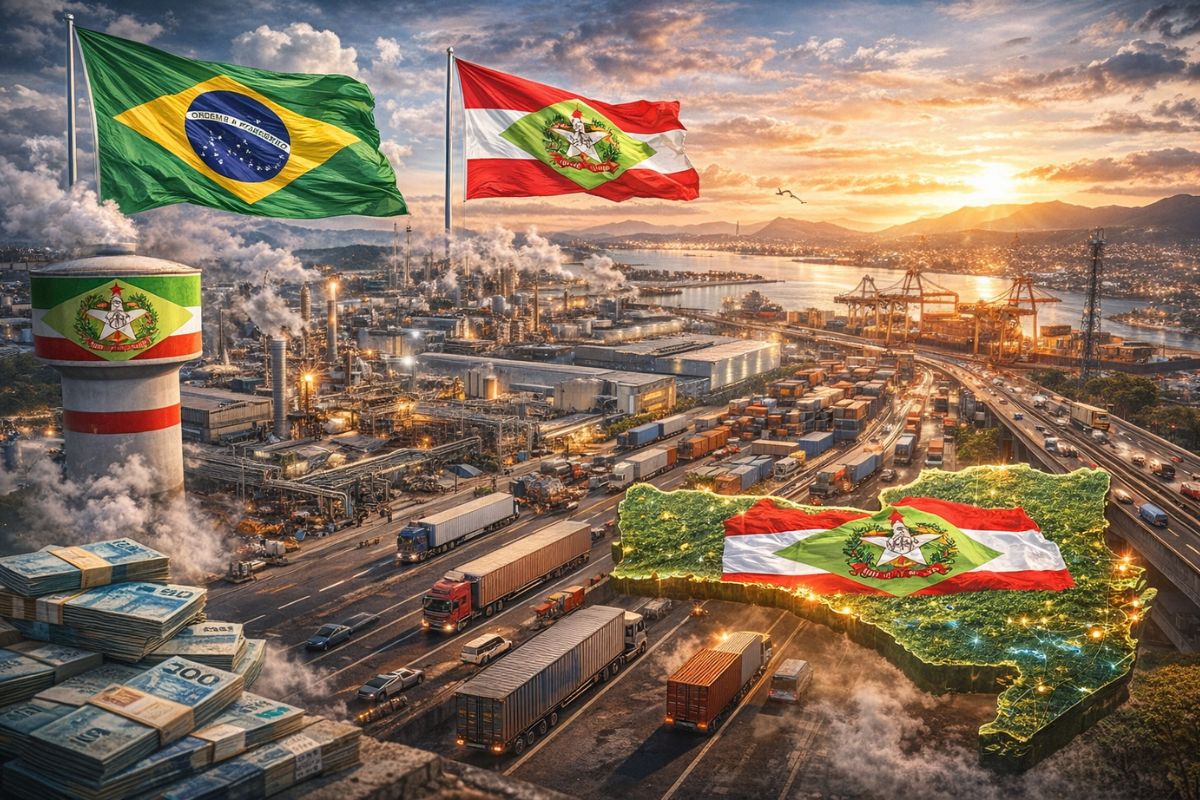
With only 1% of Brazil’s territory, Santa Catarina has built one of the most competitive industrial parks in the country, with 64,000 companies, nearly 1 million jobs, and a growth rate of 5.3% while the national industry is practically stagnant.

In a scenario of tight margins and market fluctuations, the adjustment reinforces the challenge of the economic sustainability of the production chain.
Feed Costs Impact Pork and Chicken Production
In Paraná, where the state stands out for its strong representation in pork and chicken production, the cost of a kilo of broiler chicken rose by 0.88% in September compared to August, reaching R$ 4.63 per kilo.
The ICPChicken reached 355.49 points, with a negative variation of -3.25% in the accumulated for 2025, but an increase of 0.45% in the last 12 months. Feed, responsible for 63.95% of the total cost, showed an increase of 0.83% during the period.
The price of day-old chicks also increased by 1.21%, which reinforces the impact of inputs on the final production cost.
These variations, although small in percentage, represent a significant difference in the economic outcome for the farms, especially when added to fixed and logistics expenses.
ICP Pork Reflects Cost Increases in the Production Chain
In Santa Catarina, the CIAS survey shows that the production cost of a kilo of live pork reached R$ 6.28 in September, with an increase of 0.61% compared to the previous month.
The ICPSwine index reached 359.10 points, registering an accumulated increase of 1.13% in 2025 and significant growth of 6.27% in the last 12 months.
The production of pork and chicken in a complete cycle is heavily impacted by the cost of feed, which represents 70.58% of the total and had an adjustment of 0.36% in the month.
This cost composition highlights the weight of inputs on the sector’s profitability and the need for more efficient technical and economic management strategies to mitigate market fluctuations.
Logistical Challenges and Technical Management of Production Systems
Both Santa Catarina and Paraná serve as national references for the calculation of the Production Cost Indices (ICPs) of CIAS.
These parameters guide the production of pork and chicken in other states, such as Goiás, Minas Gerais, Mato Grosso, and Rio Grande do Sul, where the data is also used for comparative analyses and strategic planning.
Embrapa emphasizes that these indicators provide valuable support for management adjustments, expense control, and resource optimization.
In the current scenario, the combination of rising costs and reduced margins reinforces the importance of technical monitoring and technological innovation in animal protein production, with a focus on efficiency and sustainability.









Seja o primeiro a reagir!