





 Portuguese
  English
  Spanish
  5 min of reading
  0 comments


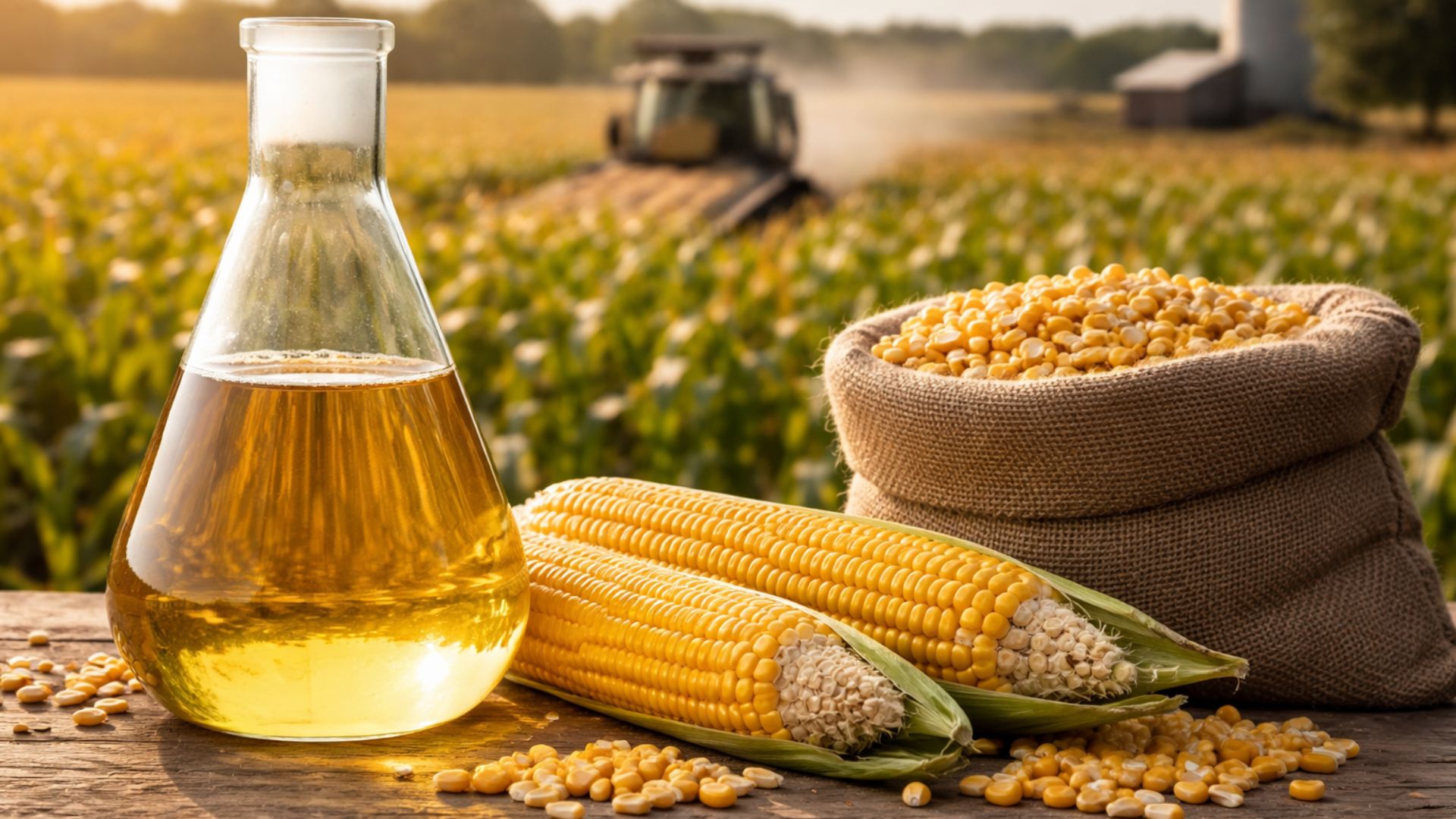
Brazil Should Close The Harvest With 10 Billion Liters In Corn Ethanol Production, Boosting Bioenergy, Expanding Renewable Biofuels And Strengthening The National Market.
The corn ethanol production in Brazil is expected to end the current harvest year with 10 billion liters, consolidating one of the fastest growth cycles in the recent history of the national bioenergy sector. According to an article published by CNN on Tuesday (10), the projection was confirmed by the president of the National Corn Ethanol Union (UNEM), Guilherme Nolasco. The volume represents approximately one-third of the entire national ethanol market, reinforcing the prominence of corn within the matrix of renewable biofuels.
Corn Ethanol Production Transforms The National Renewable Biofuels Market
In the past eight years, the sector has advanced at rates exceeding 30% per year. For the upcoming harvest, starting in April, preliminary projections indicate an additional growth of about 20%, potentially raising production to something close to 12 billion liters. The pace of expansion is considered historic within the renewable biofuels sector in Brazil.
The current harvest marks a turning point for corn ethanol production. The projected volume of 10 billion liters consolidates the cereal as one of the main pillars of Brazilian bioenergy. Until a few years ago, ethanol was predominantly associated with sugarcane. However, the agricultural expansion of second crop corn and the relocation of industries have changed this landscape.
-
The Economist states that Brazil has a “secret weapon” against expensive oil and highlights how the country can reduce economic impacts even in international scenarios of high volatility.

-
Brazil accelerates decarbonization in the South: International forum in Foz do Iguaçu gathers leaders to discuss the advancement of biomethane in the energy matrix and the potential of “caipira pre-salt.”

-
As diesel prices soar due to conflicts in the Middle East, a Brazilian city decides to test a little-known biofuel that promises to completely replace fossil fuel without adaptation and could change the future of energy in the country.

-
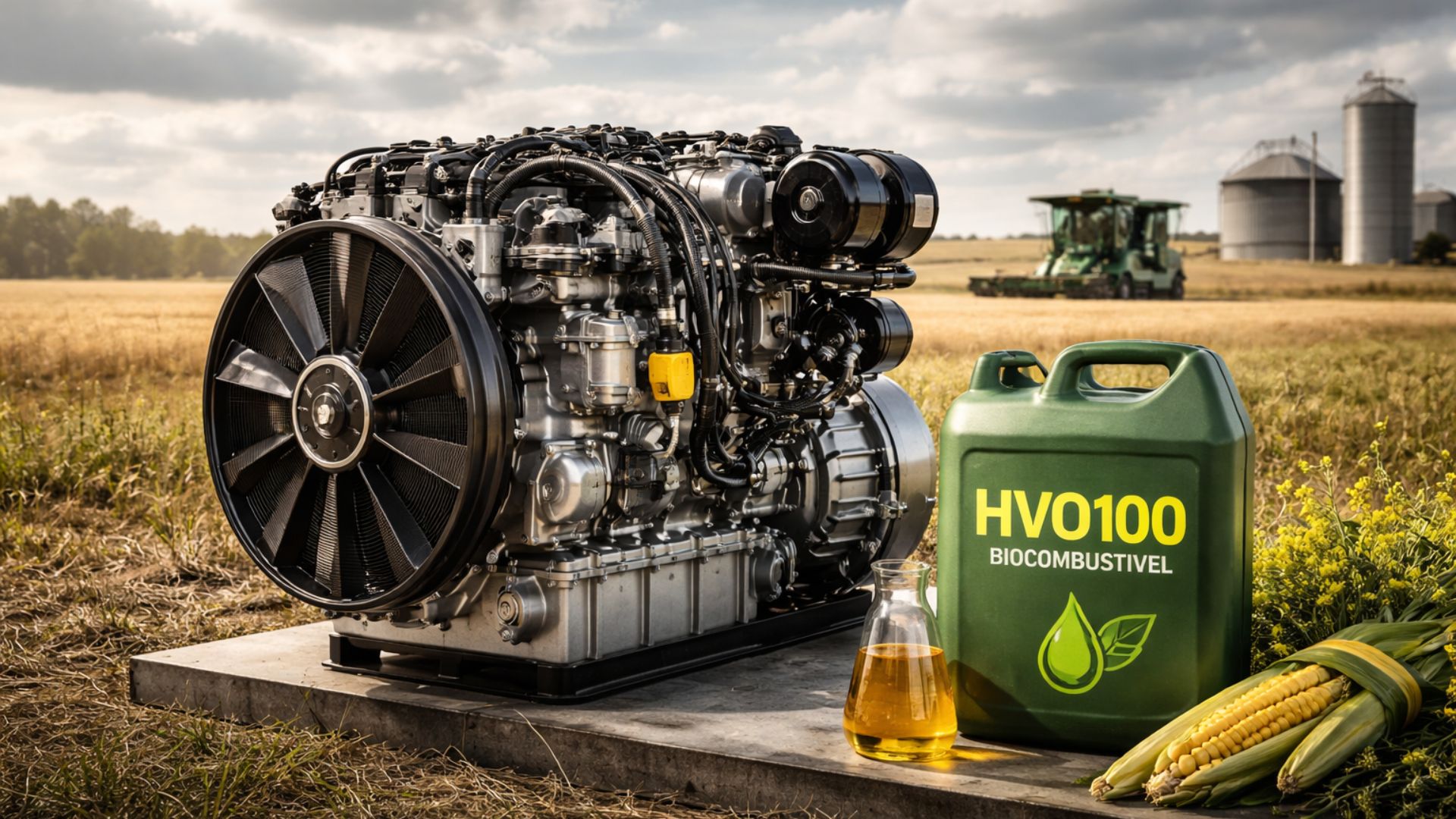
Innovation with biofuel engines transforms agribusiness by replacing diesel without the need for major adaptations, ensuring energy efficiency and helping to reduce dependence on oil.

According to UNEM, the accumulated growth exceeding 30% per year over the past eight years demonstrates structural consistency. This is not a one-time advance, but a permanent transformation in the matrix of renewable biofuels.
Moreover, the forecast of reaching 12 billion liters in the next harvest reinforces the relevance of corn ethanol production within the national market. This growth increases the supply of bioenergy and strengthens the competitiveness of ethanol against fossil fuels.


Bioenergy Expansion And Strengthening Of The National Market
The advancement of bioenergy in Brazil occurs parallel to the increase in the productive capacity of biorefineries. Currently, the country has 25 operational units, a number that is expected to reach approximately 33 industrial plants by the end of 2026.
The estimate is that Brazil could double corn ethanol production by 2032, reaching something close to 20 billion liters. However, this growth will depend on the consolidation of consistent demand both in the national and foreign markets.
The projection for the 2026/2027 harvest indicates a significant increase in the total ethanol supply, potentially adding between 10% and 12% to the available volume in just one production cycle. This movement reinforces Brazil’s prominence in the production of renewable biofuels.
On the other hand, projected consumption is growing at a more moderate pace, around 2% per year, while supply can advance above 10%. The balance between production and demand will be crucial for the sustainability of the sector.
Corn Ethanol Production And Demand Challenges In The National Market
Although corn ethanol production is in strong expansion, consumption still shows regional concentration. Currently, hydrated ethanol is significantly used in only six producing states: São Paulo, Mato Grosso, Mato Grosso do Sul, Goiás, Paraná And Minas Gerais.
In regions such as the North, Northeast, and part of the South, consumption faces obstacles related to price. Where there is no relevant local supply, ethanol tends to be priced close to gasoline, reducing the economic incentive for the consumer.
According to Guilherme Nolasco, there are three main fronts to absorb the growth of supply: increasing internal consumption in underserved regions, substituting gasoline in established markets, and expanding international applications.
The sustainability of the sector depends on the balanced expansion of the national market. Additionally, the relocation of industrial plants could reduce logistical costs, increase competitiveness, and stimulate consumption in new regions.

Relocation Of Biorefineries Boosts Renewable Biofuels And Bioenergy
The geographical expansion of biorefineries is one of the pillars of the growth of corn ethanol production. Only this year, eight new plants are expected to be inaugurated in different regions of Brazil.
Investments are mainly concentrated in the Midwest, the largest corn producer in the country. However, they are also advancing to the South and the Matopiba area, which includes parts of Maranhão, Tocantins, Piauí, and Bahia. Cities like Balsas (MA), Luiz Eduardo Magalhães (BA), and Uruçuí (PI) already have projects in implementation.
In the South, three new units will use wheat and triticale out of the standard for baking. This means they are not grains intended for human consumption but raw materials without noble destination that will now integrate the bioenergy chain.
Industrial decentralization strengthens the national renewable biofuels market and broadens access to ethanol. Consequently, it stimulates regional development and job creation.
New Applications Broaden The Horizon Of Corn Ethanol Production
Besides the domestic market, the sector sees strategic opportunities in the international scenario. The production of corn ethanol can meet demands related to global decarbonization, especially in maritime transport and aviation.
Ethanol is identified as a potential input for the production of sustainable aviation fuel (SAF). There are also discussions about its use in blends aimed at maritime transport, a segment that seeks to reduce carbon emissions.
According to UNEM, even though Brazil may seem large in the domestic market, it is still small compared to the global potential. A partial substitution of fossil fuels in international shipping could surpass all current Brazilian production.
Furthermore, countries that are expanding the mandatory blend of ethanol with gasoline represent export opportunities. Brazilian bioenergy could gain prominence in the international trade of renewable biofuels.
The New Strategic Level Of Brazilian Bioenergy
The mark of 10 billion liters in the current harvest symbolizes a structural transformation in the Brazilian energy sector. Corn ethanol production has ceased to be a complementary alternative and has become central to the strategic core of bioenergy in the country.
The accelerated growth, sustained by industrial investments and increased agricultural productivity, strengthens the national renewable biofuels market. At the same time, it enhances energy security and reduces dependence on fossil fuels.
However, the future of the sector depends on expanding internal consumption, regulatory predictability, and opening new external markets. With planning and responsibility, Brazil can double its production capacity by the early next decade.
Corn ethanol establishes itself as a vector of economic development, industrial innovation, and environmental prominence. Thus, Brazilian bioenergy enters a new phase, marked by the diversification of raw materials and the consolidation of the national market as a basis for the global expansion of renewable biofuels.









-

Uma pessoa reagiu a isso.