





 Portuguese
  English
  Spanish
 3 min of reading
  0 comments


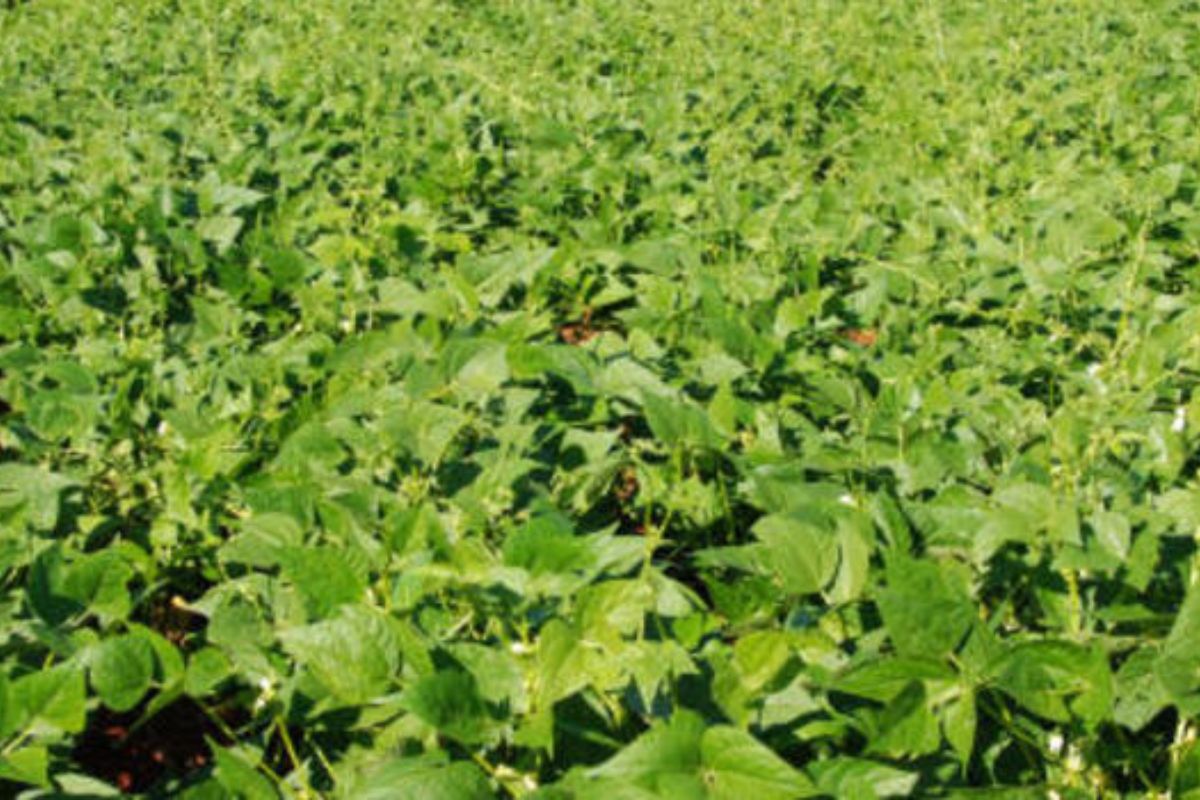
Bean Production In Minas Gerais Grows With Support From Sanitary Measures From The IMA, Which Strengthen White Fly Control And Ensure Sustainability For The Minas Crops
The bean production in Minas Gerais is one of the most significant in the country, supporting thousands of families and boosting the regional economy, according to a report published.
In 2025, the state reached the mark of more than 476 thousand tons harvested, consolidating itself as the second-largest national producer, according to the Secretary of Agriculture, Livestock and Supply (Seapa).
This result is not only the product of Minas Gerais’ agricultural tradition but also of the phytosanitary actions coordinated by the Institute of Agricultural Defense of Minas Gerais (IMA).
-
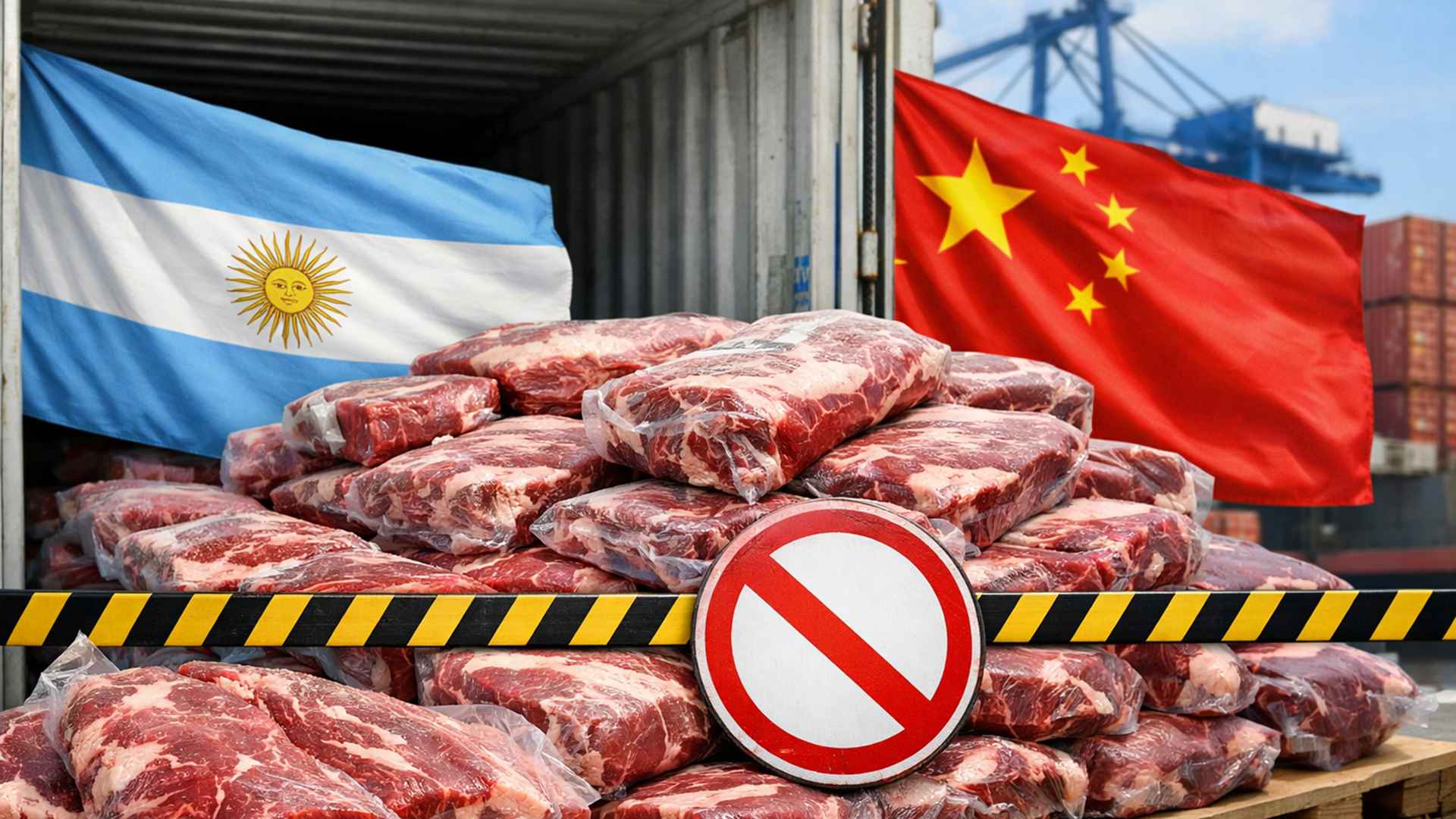
China banned the export of 22 tons of meat from Argentina.
-
While Russia dominates the global wheat market, Brazil emerges as an unexpected competitor in the Cerrado, offering grain available in July and August when stocks in the Northern Hemisphere are at their lowest point of the year.

-
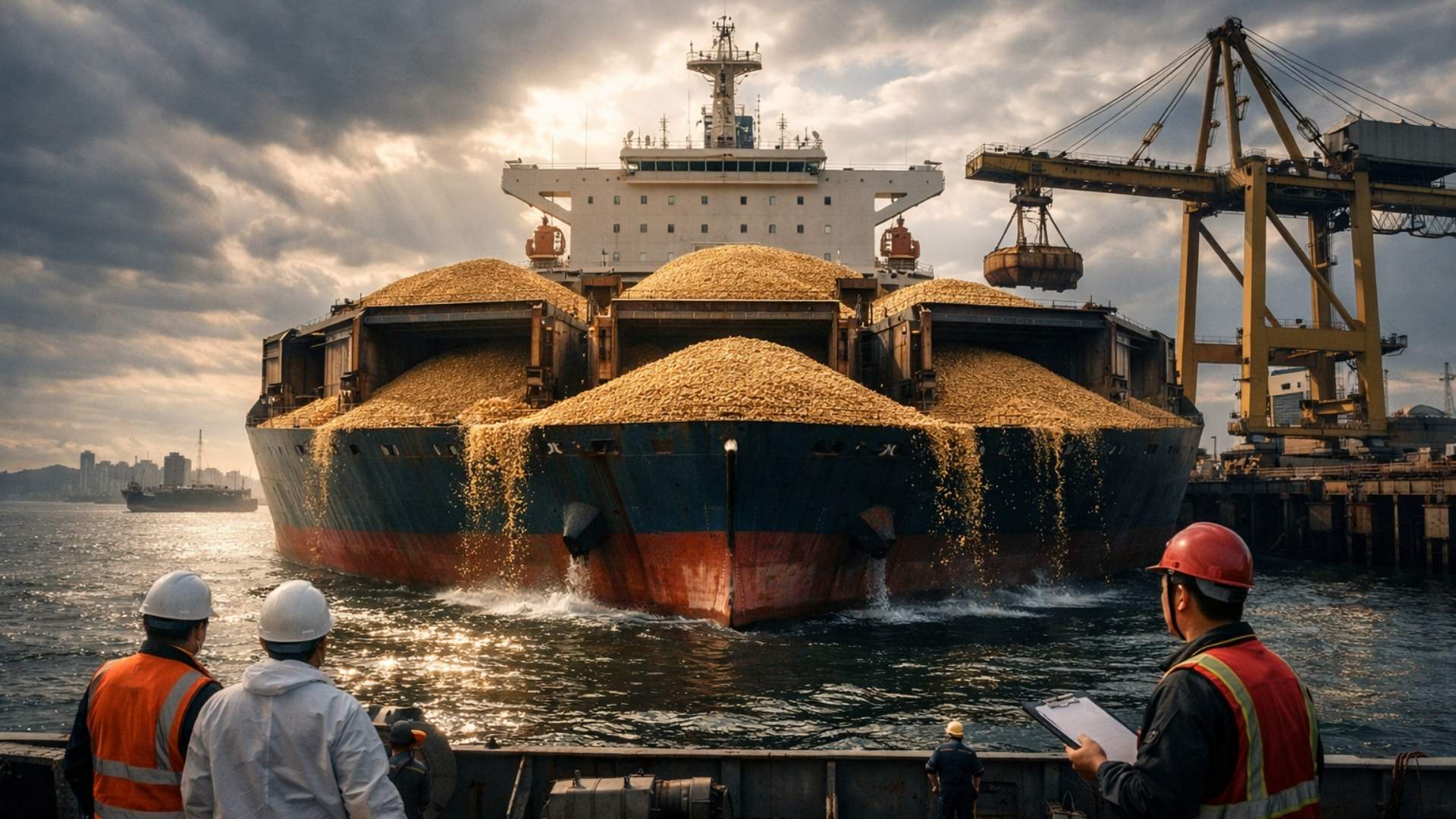
China returned almost 20 Brazilian ships with soybeans, but now everything could change: the country that buys 80% of the grain is considering relaxing regulations after impurities held up shipments of thousands of tons and caused million-dollar losses.
-
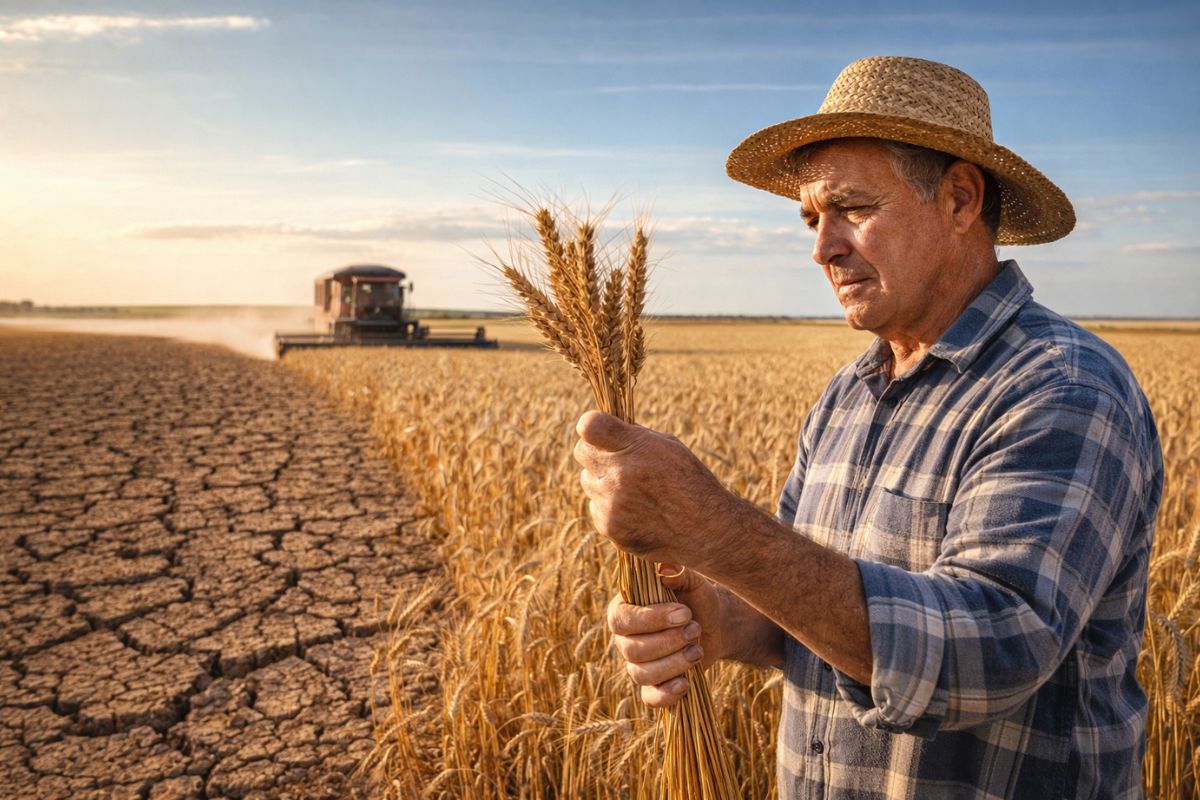
The drought of the cerrado was considered an enemy of wheat, but Brazilian scientists turned the lack of rain into a competitive advantage by creating a grain with quality that is already attracting the attention of international mills around the world.

The agency has been reinforcing measures such as the sanitary void and the producers’ registration, essential for ensuring productive, safe, and competitive crops in both domestic and foreign markets.
These public policies play an essential role in preserving the health of the plantations and in protecting against pests that threaten productivity, such as the feared white fly.
Sanitary Void of Beans And White Fly Control In Minas
Among the most important actions is the sanitary void of beans, carried out annually from September 20 to October 20.
This strategic pause in cultivation, determined by the Ministry of Agriculture and Livestock (Mapa), prevents the white fly, the main transmitter of the golden mosaic virus, from finding food and reproducing.
According to the IMA’s Plant Health Defense Manager, Leonardo do Carmo, adhering to this period is essential for maintaining the sustainability and competitiveness of the crop.
The municipalities of Buritis, Cabeceira Grande, Formoso, Guarda-Mor, Paracatu, and Unaí are among those required to adopt the measure.
In Unaí, for example, bean production in Minas Gerais exceeds 66 thousand tons; in Paracatu, it is 61.8 thousand; and in Guarda-Mor, 28.8 thousand tons.
During the sanitary void, no live bean plants can remain in the fields, and crop residues must be eliminated within 15 days after harvest.
Non-compliance with the rule may result in fines and property interdiction, reinforcing the sanitary commitment of the agricultural sector in Minas Gerais.
Rural Registration Strengthens Traceability And Food Security
Another advancement that has transformed the bean production in Minas Gerais is the registration of producers and rural properties, regulated by Portaria No. 2.324/2024 of the IMA.
The registration is mandatory for all producers, whether individuals or legal entities, and aims to map cultivation areas, facilitating monitoring and response to potential pest and disease outbreaks.
This database strengthens traceability, increases food security, and adds value to Minas products in the national and international market.
According to the IMA, the process is simple: the producer must fill out the form available on the agency’s website and send it by email or deliver it in person at the responsible Regional Office.
Economy And Sustainability In Bean Production In Minas Gerais: Pillars Of The Minas Production Chain
The set of sanitary measures and territorial management ensures that bean production in Minas Gerais continues to grow sustainably.
Besides protecting crops, these actions consolidate market confidence and strengthen the production chain.
In 2025, with 476 thousand tons harvested, Minas bean continues to symbolize the strength of the regional agribusiness, representing one of the main sources of agricultural income in the state.
The combination of technology, oversight, and environmental responsibility has made the IMA’s policies a successful model for other production hubs in the country, showing that productivity and sustainability can go hand in hand.






Seja o primeiro a reagir!