





 Português
  Inglês
  Espanhol
  4 min de leitura
  0 comentários


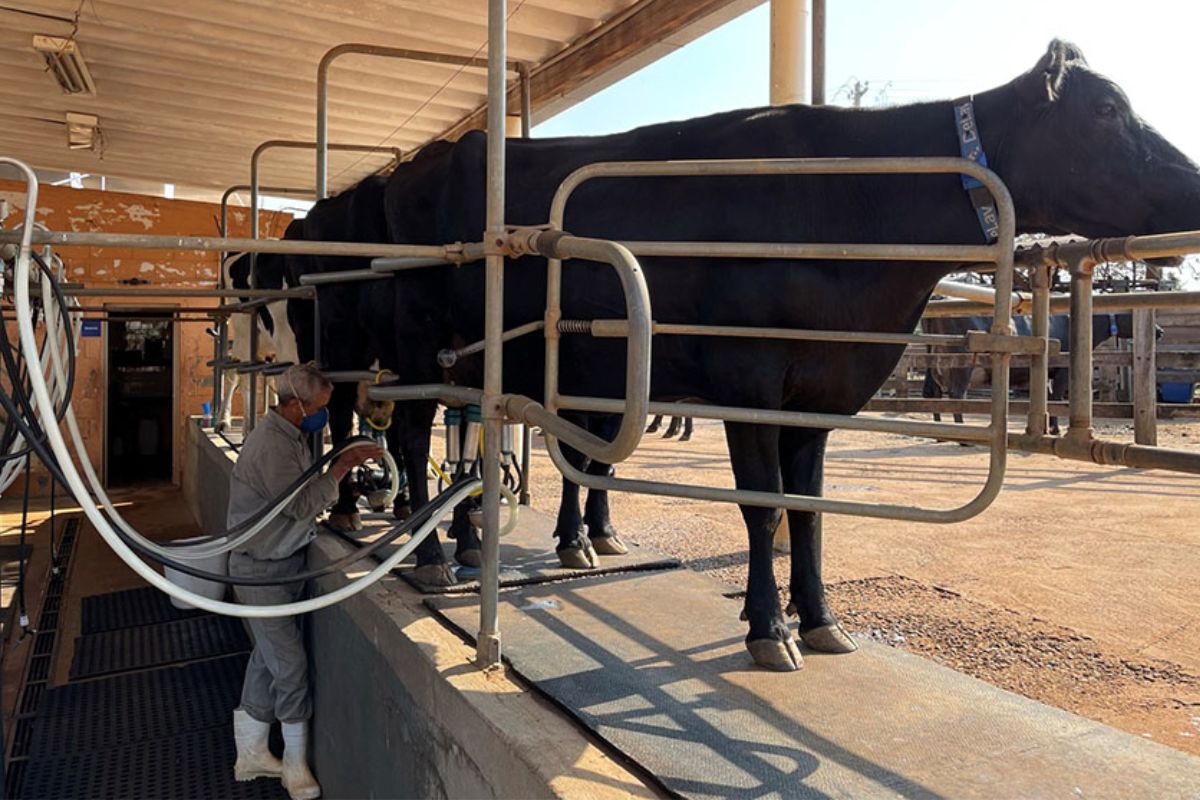
Research Shows How Global Warming and Management Practices Influence the Efficiency of Milk Production in Brazil, Reducing Water Footprint and Promoting Sustainability in the Field
The milk production in Brazil faces one of the greatest challenges in its history: balancing the growing demand for food with sustainable water use amid climate change, according to an article published.
A recent study conducted by Brazilian and German researchers analyzed 67 properties in Rio Grande do Sul and revealed unprecedented data on the water efficiency of milk production.
In total, 192 combinations of good practices and climatic scenarios were made to assess how global warming and management influence water footprint.
-
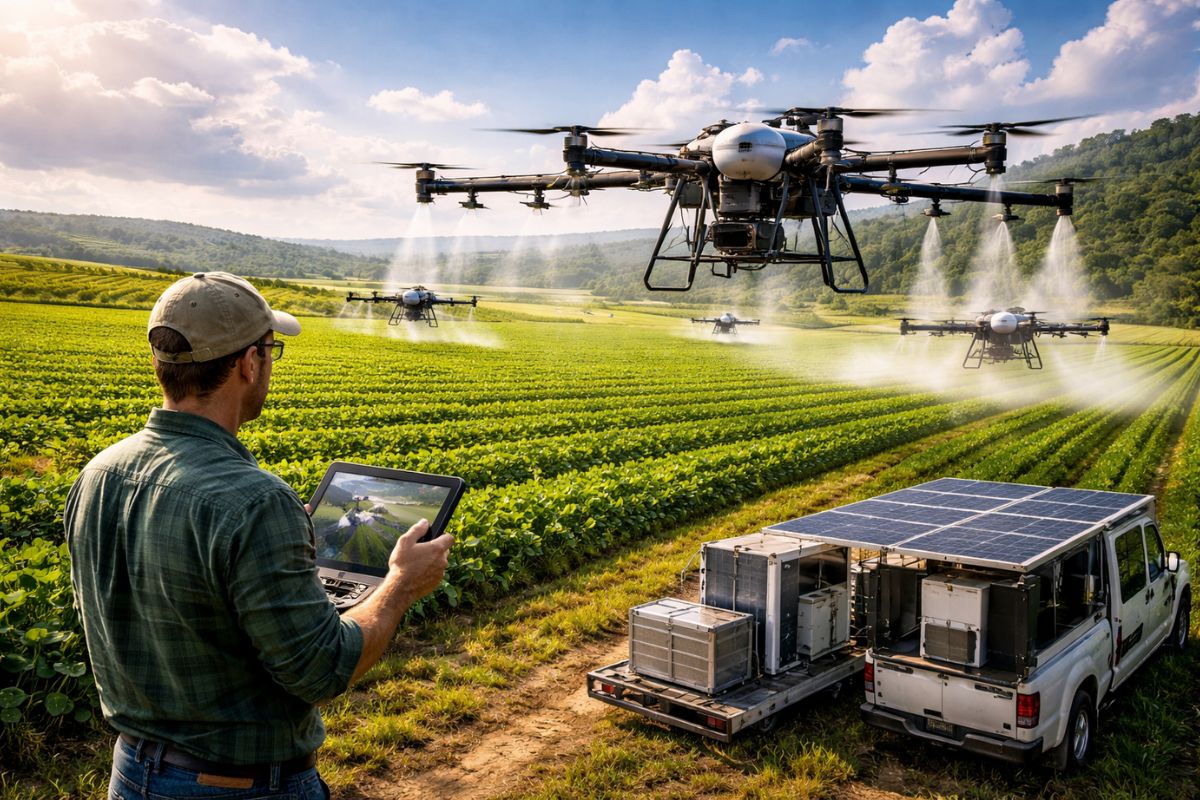
Alone, the producer applies 7,400 hectares with the T100 drone in an optimized structure, replaces the generator with a silent battery, and demonstrates how technology reduces costs, increases productivity, and even challenges the uniport in the field.
-
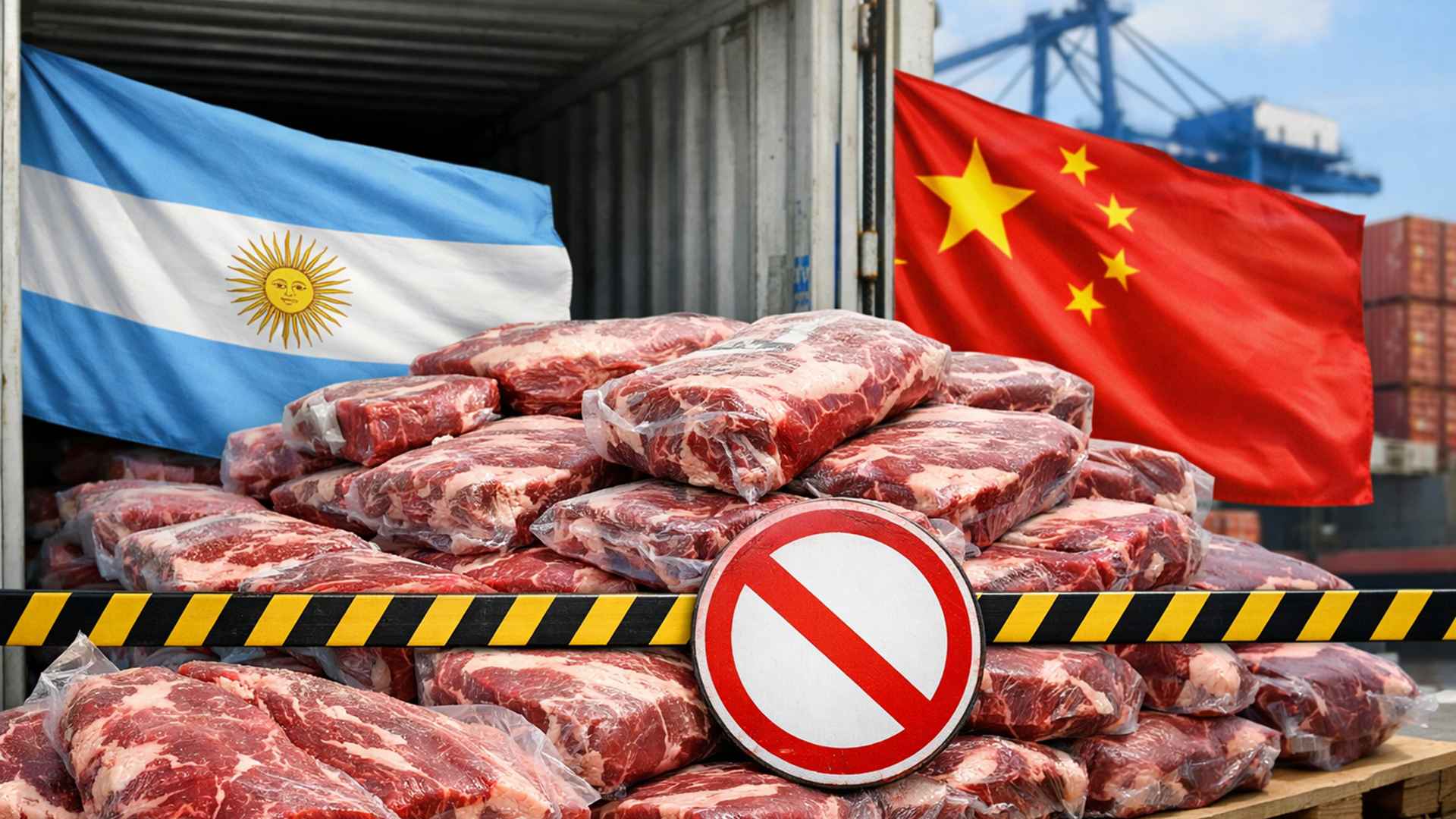
China banned the export of 22 tons of meat from Argentina.
-
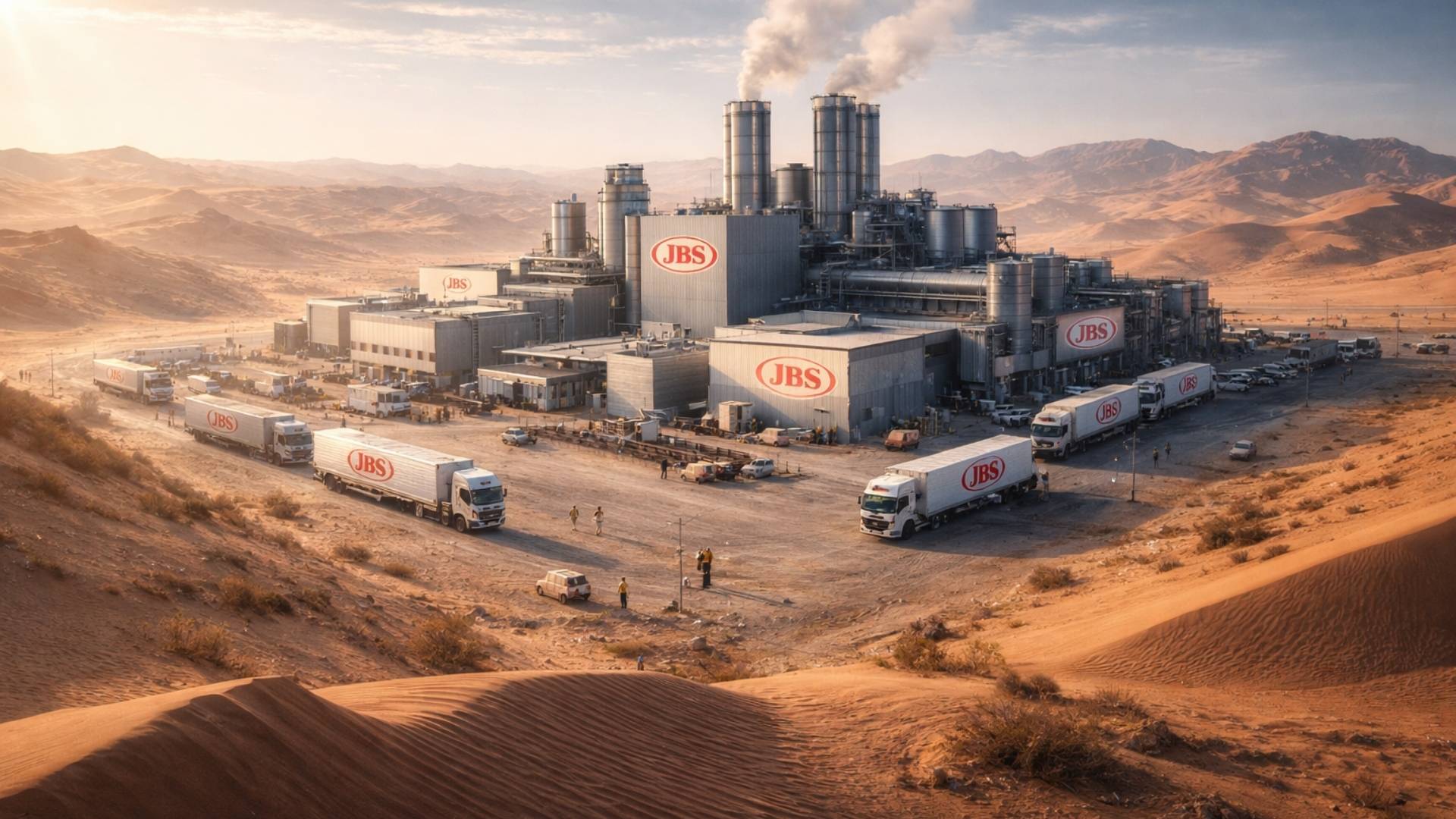
JBS, founded by the Batista brothers, continues to conquer the world: entrepreneurs built a ‘factory in the desert’ creating 3,000 jobs.
-
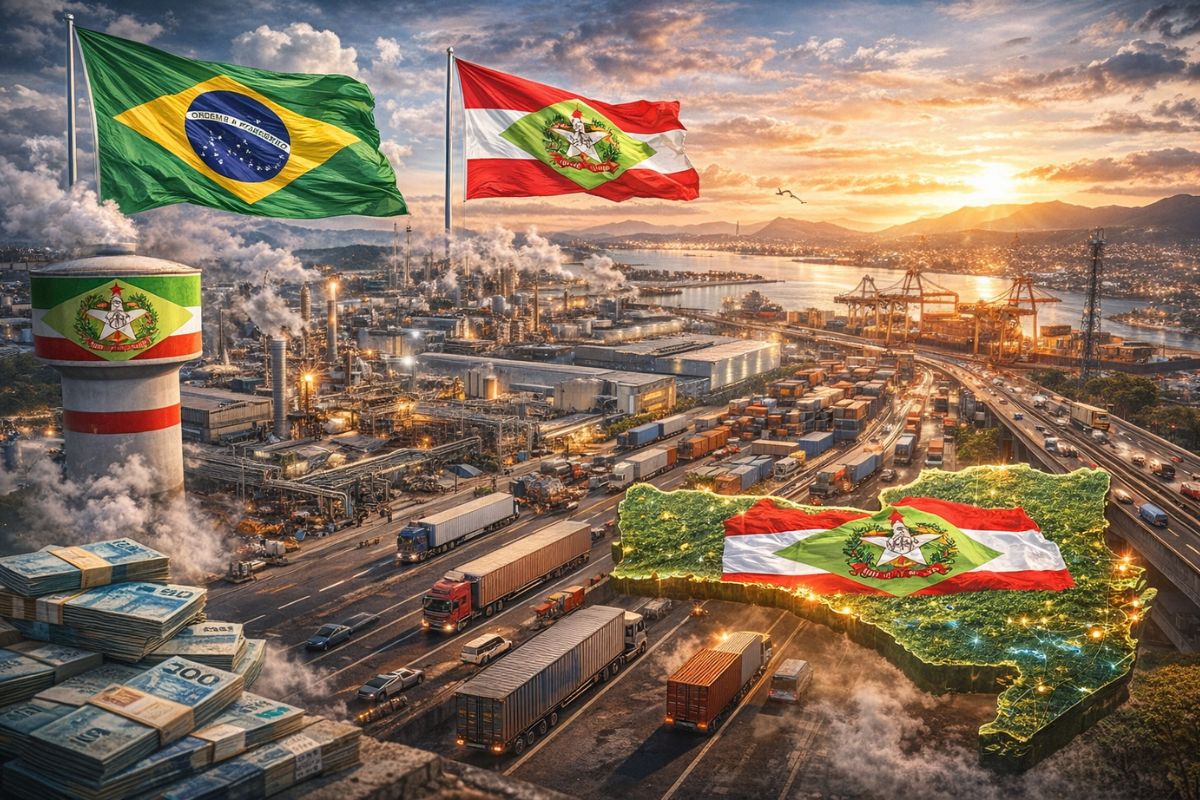
With only 1% of Brazil’s territory, Santa Catarina has built one of the most competitive industrial parks in the country, with 64,000 companies, nearly 1 million jobs, and a growth rate of 5.3% while the national industry is practically stagnant.

The findings show that small changes in management can reduce hundreds of liters of water per kilogram of milk produced, while also improving the productive performance of cows and ensuring sustainability for rural properties.
Water Efficiency and Sustainable Management in Dairy Farming
Among the main conclusions, researchers highlight that increasing agricultural productivity of crops such as corn and soy, as well as proper waste management, play a central role in the efficiency of milk production in Brazil.
According to the study, the average water footprint was 704 liters of water per kilogram of milk adjusted for protein and fat, ranging from 299 to 1,058 liters, depending on the production system.
On pasture farms, the values ranged from 299 to 1,058 liters, while in confined systems varied between 562 and 950 liters.
Semi-confined systems showed intermediate values, from 656 to 965 liters per kilogram of milk. These differences are mainly linked to feed conversion efficiency and daily productivity per cow.
In confined properties, where there is better control of diet and environment, cows can produce up to 23 liters of milk per day, while in semi-confined farms the average drops to 15 liters.
This variation explains part of the difference in blue and green water footprint between the systems.
The study followed the guidelines of the Water Footprint Assessment Manual, considering both direct and indirect water use, from animal consumption to irrigation and washing of milking parlors.
Green water (from rain and soil), blue water (from surface and groundwater), and gray water (necessary to dilute pollutants) were assessed.
Impacts of Global Warming and Animal Feed on Water Footprint
The results indicate that global warming tends to increase the water footprint of milk production in Brazil.
Temperature increases between 1.5 °C and 2.5 °C reduce corn yield, increasing the consumption of green water and causing cows to drink more water, thus expanding the blue footprint.
This combined effect can increase total water demand by up to 2%.
On the other hand, proper management practices can offset much of these impacts. Increasing corn and soy yields by 25%, used in cattle feed, significantly reduces the green water footprint.
Similarly, reducing water consumption in cleaning milking parlors and properly treating wastewater helps lower the blue and gray footprints.
Researcher Julio Palhares from Embrapa Pecuária Sudeste emphasized that actions such as recycling washing water and treating manure are crucial for the water sustainability of livestock.
These measures not only save resources but also reduce the pollutant load released into the soil and surface waters.
The green water footprint accounted for more than 98% of the total in pasture and semi-confined systems and 99% in confined systems.
This predominance is linked to the use of feed and forage crops, which require a large volume of water for cultivation.
The study also showed that in scenarios of increased agricultural productivity, the average green footprint values were 519 liters per kilogram of milk in pasture systems, 580 liters in semi-confined systems, and between 313 and 549 liters in confined systems.
Sustainable Practices and Global Goals for Reducing Water Footprint
The report also linked milk production in Brazil to the United Nations Sustainable Development Goals (SDGs), especially goals number 2 (zero hunger and sustainable agriculture), 12 (responsible consumption and production), and 13 (climate action).
Among short-term strategies, increasing agricultural yields stands out as one of the most effective measures to reduce water use, since the green footprint dominates the total activity.
Mitigation actions include adopting efficient irrigation systems, rational water use in milking, and genetic selection of animals with better feed efficiency.
On farms where these measures were implemented, the reduction of the water footprint reached 30%.
The research reinforces that, regardless of the production system, whether on pasture, semi-confined, or confined, sustainability depends on efficient water management and productivity.
If well managed, even properties with lower technology can achieve good environmental and economic indices.
The focus, according to researchers, should be on balancing production and conservation, ensuring that each liter of milk generated uses the least amount of water resources possible.
The findings have direct relevance to the future of agribusiness, especially in regions vulnerable to climate change.
Measures that enhance water performance not only reduce production costs but also reinforce the sector’s image as an ally of sustainability and food security.
Milk production in Brazil, when guided by good practices and conscious management, can become a global reference in water efficiency and low environmental emissions, contributing to the fulfillment of the UN 2030 Agenda.









-

-

-

4 pessoas reagiram a isso.