





 Portuguese
  English
  Spanish
 4 min of reading
  0 comments


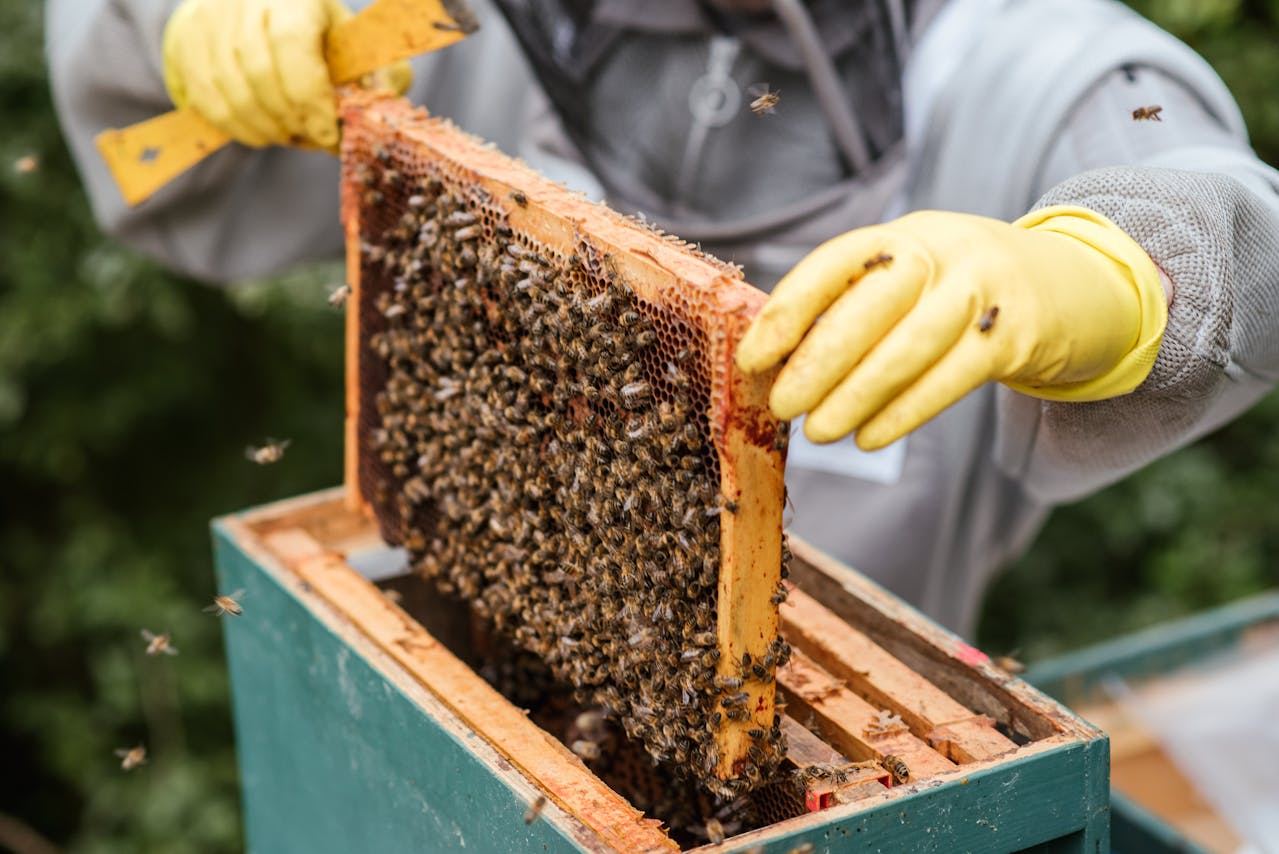
With 14.6% of Honey Production in Brazil, Paraná Takes National Leadership. Arapoti and Ortigueira Stand Out as the Beekeeping Sector Grows with Sustainability and Records
The honey production in Paraná has stood out on the national scene and consolidated the state as the leader of the beekeeping sector in 2024, according to a report published.
According to data from IBGE (Brazilian Institute of Geography and Statistics), Paraná accounted for 14.6% of the total produced in the country, equivalent to 9.8 thousand tons, surpassing all other states for the first time.
This volume represents a 16% increase compared to the previous year and marks the best result of the historical series initiated in 2016.
-
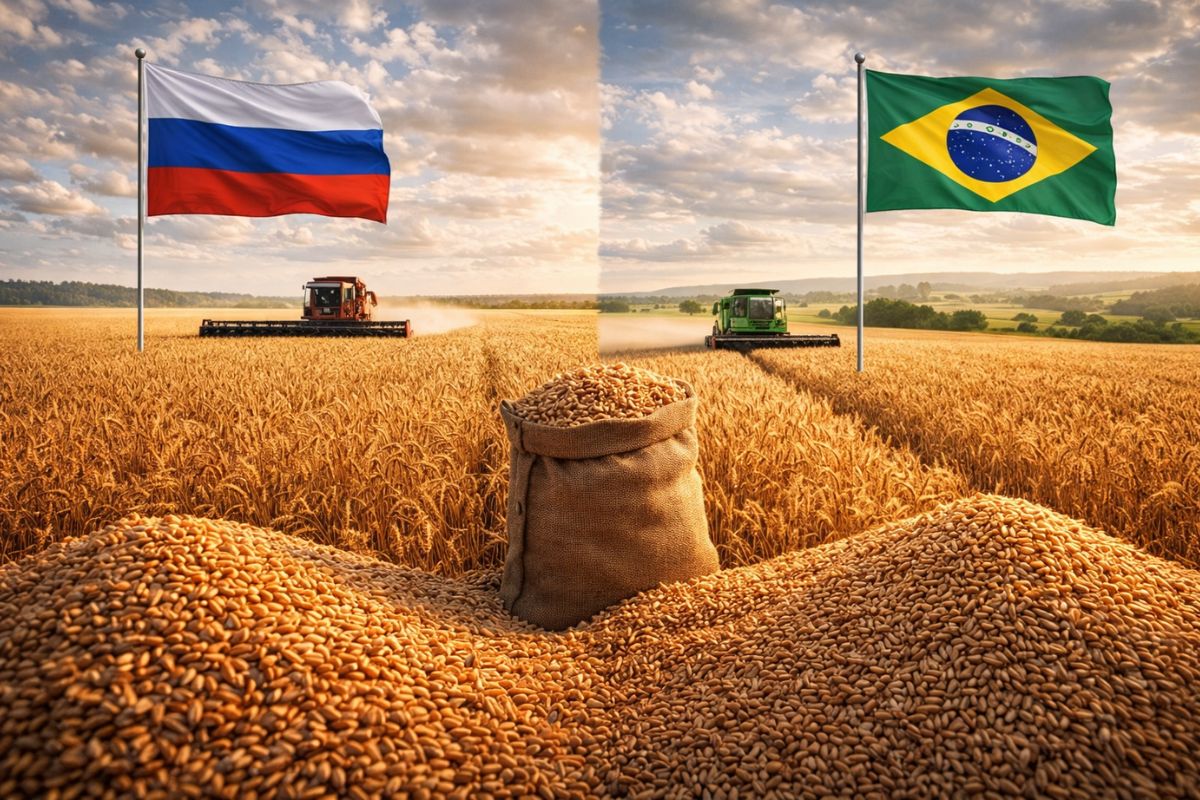
Brazil has just secured a secret route through Turkey to save agribusiness exports that were threatened by the closure of the Strait of Hormuz amid violent clashes in the Middle East.

-
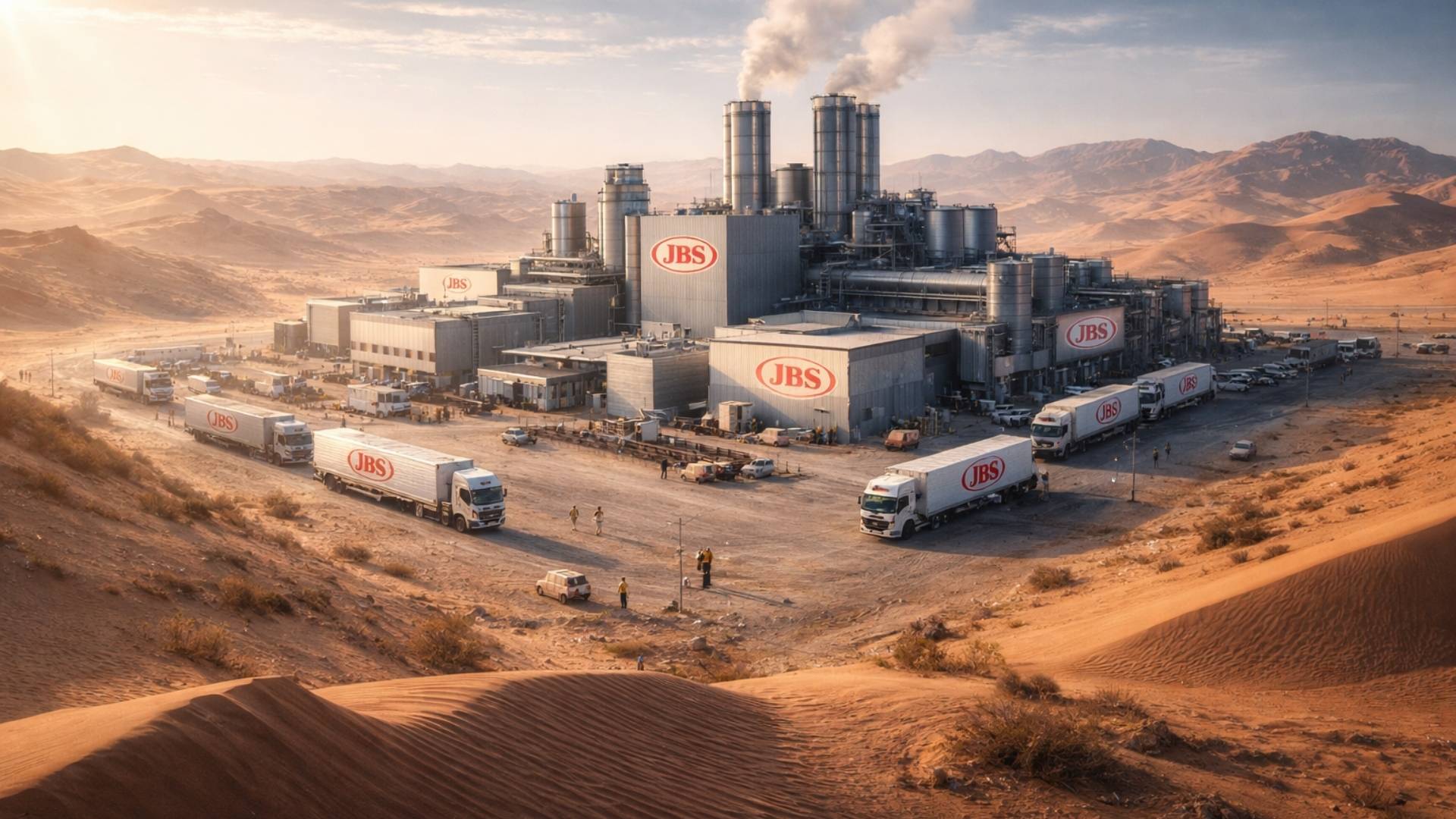
JBS, founded by the Batista brothers, continues to conquer the world: the entrepreneurs built a ‘factory in the desert’ with 3,000 jobs.
-
With only 1% of Brazilian territory, Santa Catarina has built one of the most competitive industrial parks in the country with 64,000 companies, nearly 1 million jobs, and a growth of 5.3% while the national industry is practically stagnant.

-
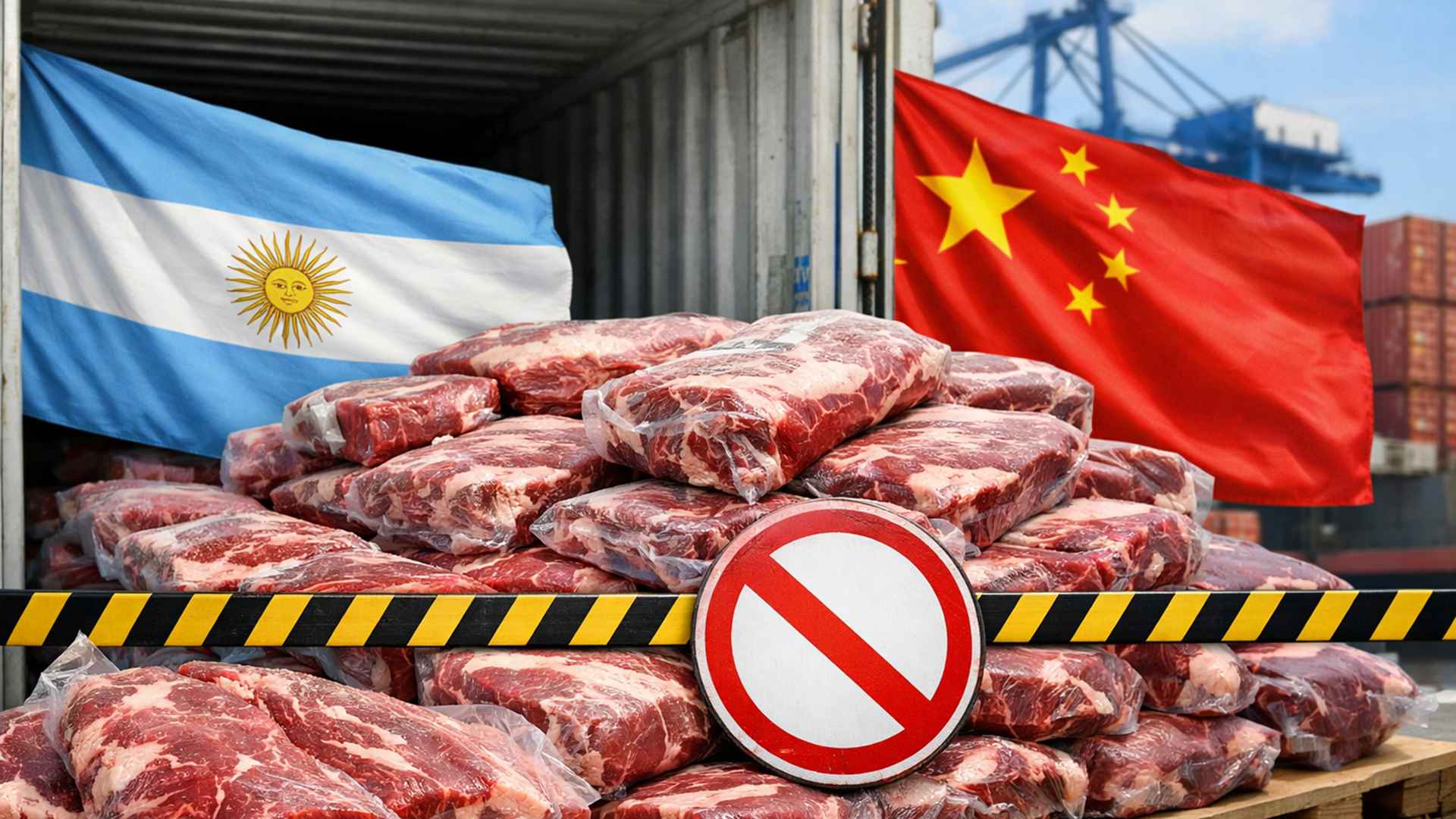
China banned the export of 22 tons of meat from Argentina.

This advancement places Paraná ahead of states like Piauí, which accounted for 12.6% of production, Rio Grande do Sul (12%), Minas Gerais (10.9%), São Paulo (10%), and Ceará (9%).
Despite Paraná’s prominence, the Northeast remains the main producing region, with 26,527 tons, showcasing the strength of beekeeping activity in different biomes of Brazil.
Growth of Beekeeping in Paraná Driven by Arapoti and Ortigueira
One of the factors reinforcing Paraná’s leadership is the performance of the municipalities of Arapoti and Ortigueira, located in the Campos Gerais region.
Arapoti reached second place in the national production ranking, with 1,125,130 kilograms of honey, while Ortigueira appears in fifth place, with 805 thousand kilograms.
These two reference hubs have helped boost the state’s representation, consolidating a solid and strategic production chain.
The sector faces significant challenges, such as climate change, intensive use of pesticides, deforestation, and environmental pollution.
Still, experts from Deral (Department of Rural Economics) highlight the resilience of beekeeping in Paraná, which has managed to maintain high levels of productivity.
This adaptation demonstrates how local producers have invested in good practices and technology to ensure quality and food safety.
Record Production Data for National Honey and Its Impacts on the Market
IBGE’s survey recorded, in 2024, a national production of 67,304 tons of honey, the largest volume ever recorded since the beginning of the historical series.
This achievement highlights the strength of the sector, which has been hitting annual records. For Paraná, which accounts for almost 15% of this total, the result reinforces its prominence in the internal and external market.
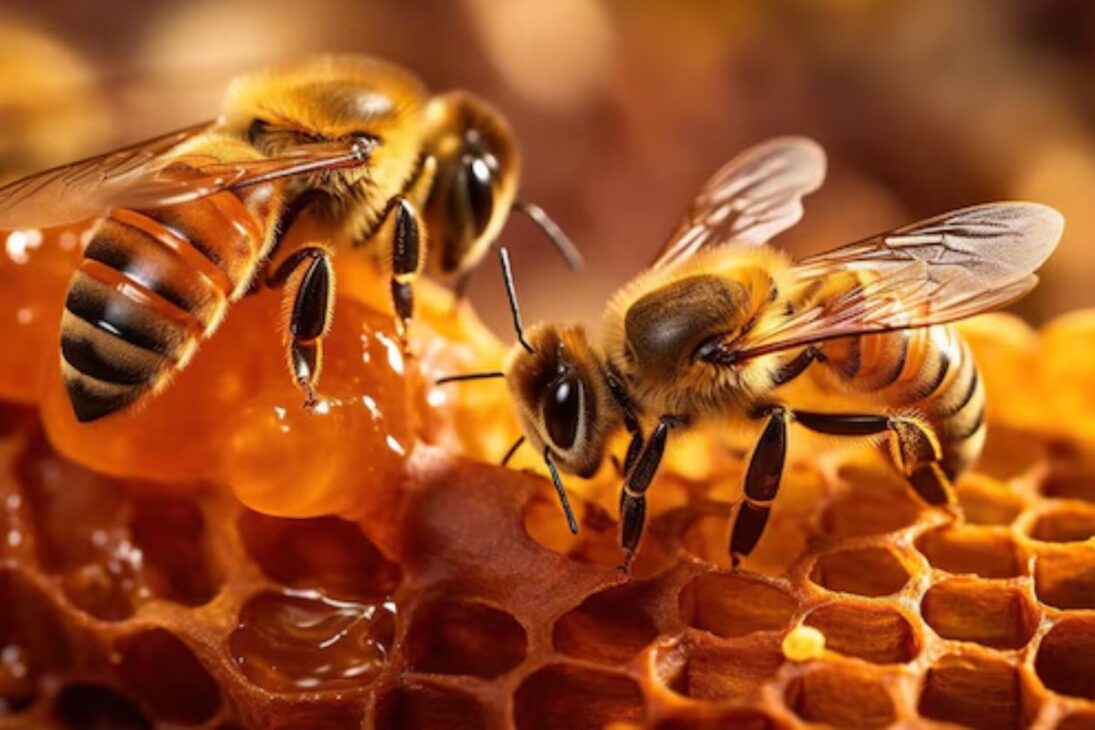
Paraná honey has great acceptance in the international market due to its quality and export standards.
This recognition allows the state to increase its participation in global negotiations, benefiting local producers and cooperatives.
Moreover, the growth of beekeeping interacts with other rural production chains, such as soy and wheat, strengthening regional agricultural diversification.
Exports, Soy, and Wheat Strengthening Paraná’s Economy
While the focus is on honey production in Paraná, Deral’s Weekly Bulletin also highlights the relevance of other agricultural sectors.
Between January and August 2024, soybean exports reached 11.15 million tons, while the planting of the new crop had already reached 26% of the estimated area, about 5.77 million hectares.
Wheat also appears as a strategic product, with 825 thousand hectares planted and an expected yield of 2.68 million tons harvested this cycle. In September, more than half of the area had already been harvested, reaching 1 million tons.
The average price for the sack was quoted at R$ 65, a value that still faces pressure due to harvests in neighboring states, such as Rio Grande do Sul and Argentina.
These figures reinforce how Paraná maintains a prominent position in the national agribusiness, balancing diverse productions ranging from beekeeping to large export crops.
Sustainability, Swine Farming, and Floriculture in the Paraná Scenario
Another area of focus in the agricultural sector is sustainability, which has also become essential in the beekeeping chain.
The maintenance of bees in balance with the environment ensures natural pollination, benefiting not only honey production but also various agricultural crops.
In swine farming, the state registered a 33.9% increase in the breeding of animals for reproduction, with highlight on Ouro Verde do Oeste (21.6% of the state total), Toledo (16.7%), and São Pedro do Iguaçu (8.9%).
The Gross Value of Production (VBP) of breeding male pigs had a 145% jump, reaching R$ 395.5 million in 2024.
Additionally, floriculture is also gaining ground, with R$ 164.7 million in gross revenue just from the production of lawns and ornamental plants.
Maringá and Curitiba appear as the leading regions in this sector, generating millions and creating local jobs.
This scenario shows that honey production in Paraná is part of a broader context, where various agricultural activities interconnect and strengthen the state economy.
With investments in technology, quality, and sustainability, the state advances in competitiveness and productive diversification.





Seja o primeiro a reagir!