





 Português
  Inglês
  Espanhol
  4 min de leitura
  0 comentários


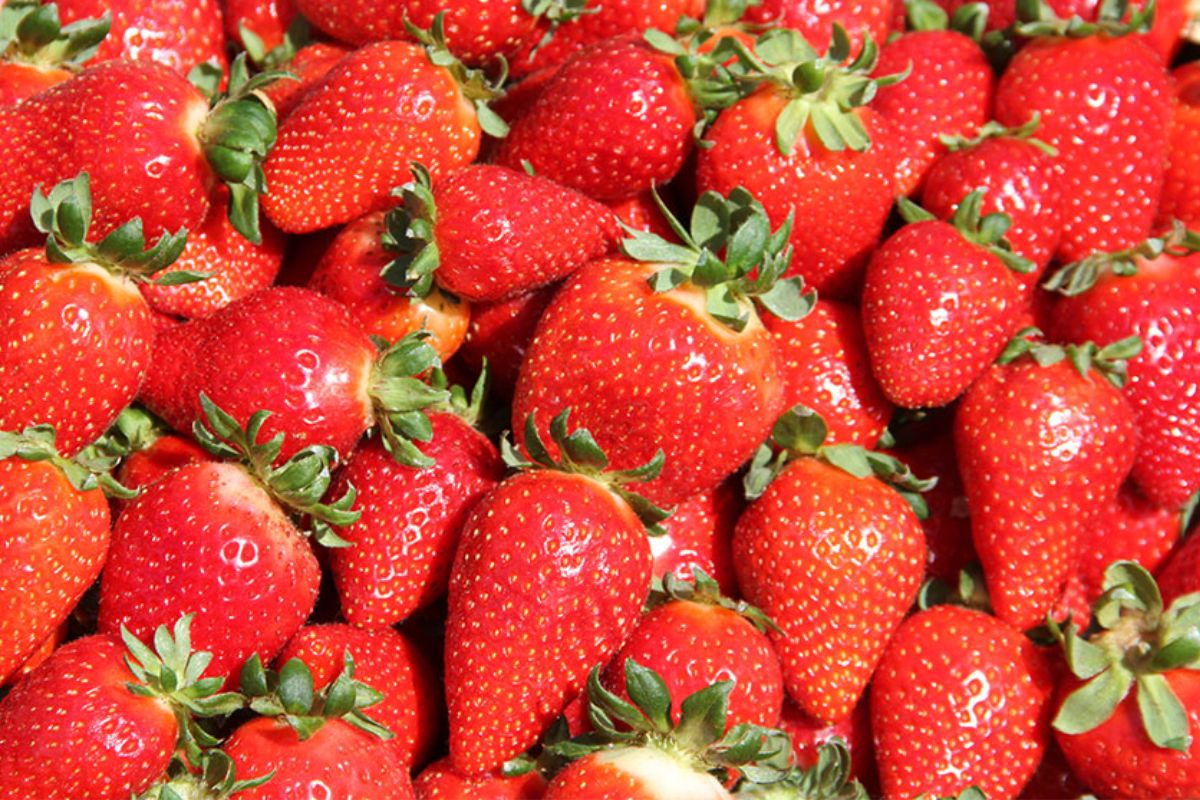
The Fênix Cultivar, Developed by Embrapa, Transforms Strawberry Production in Brazil, Doubling National Seedlings and Strengthening the Market with Sustainable Agricultural Technology
The production of strawberries in Brazil is undergoing a turning point. In just two years, the national cultivar BRS Fênix, created by Embrapa, has increased the number of seedlings from 2.5 to 5 million and is projected to reach 10 million by 2026, according to a report published.
With high productivity characteristics, balanced flavor, and intense coloration, this variety is gaining traction among producers and consumers in different regions of the country, representing a decisive step toward independence from foreign cultivars.
Today, about 98% of the strawberries consumed nationally still come from American varieties, and 30% of the seedlings are imported from Chile, Argentina, and Spain.
-
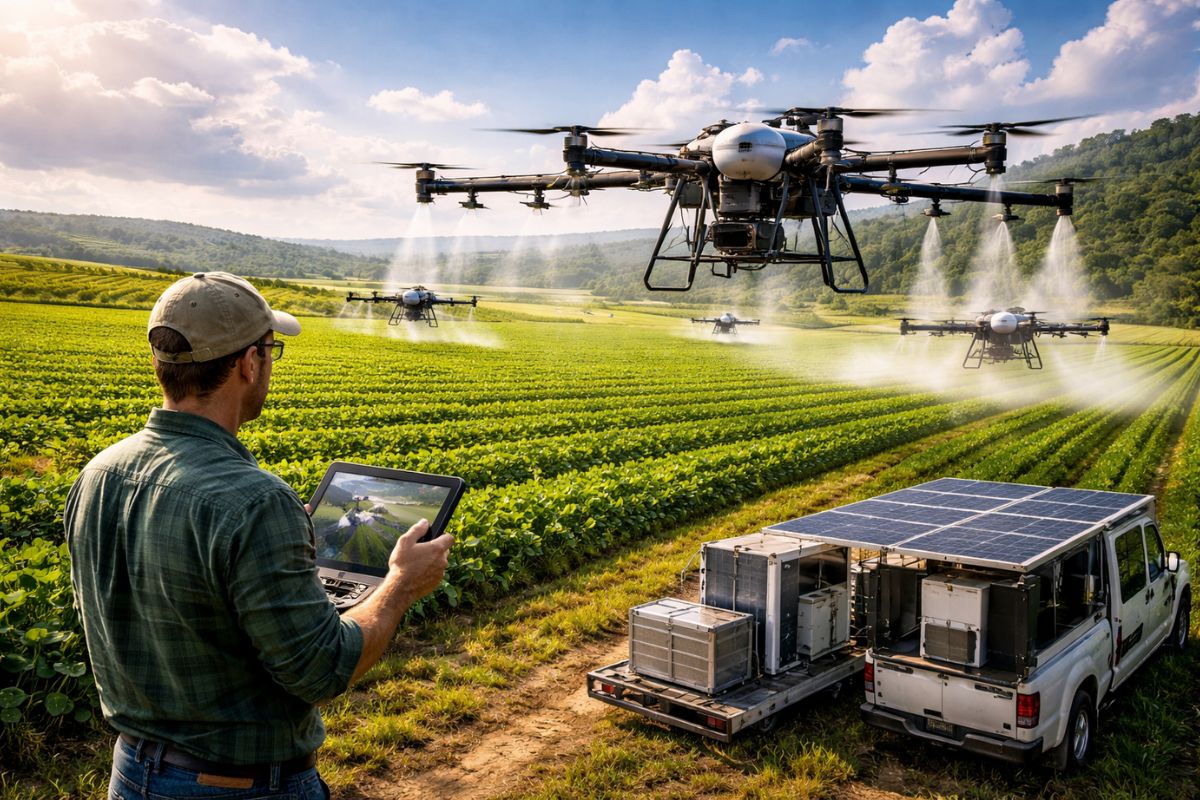
Alone, the producer applies 7,400 hectares with the T100 drone in an optimized structure, replaces the generator with a silent battery, and demonstrates how technology reduces costs, increases productivity, and even challenges the uniport in the field.
-
China banned the export of 22 tons of meat from Argentina.

-
JBS, founded by the Batista brothers, continues to conquer the world: entrepreneurs built a ‘factory in the desert’ creating 3,000 jobs.

-
With only 1% of Brazil’s territory, Santa Catarina has built one of the most competitive industrial parks in the country, with 64,000 companies, nearly 1 million jobs, and a growth rate of 5.3% while the national industry is practically stagnant.


Developed for Brazilian climate and soil conditions, the Fênix combines early maturity, durability, and post-harvest quality, factors that ensure excellent commercial returns.
According to Embrapa Temperate Climate, the expansion of the new cultivar is expected to reduce costs and increase access to national strawberry seedlings, strengthening the local production chain and paving the way for a more competitive and sustainable scenario.
Embrapa Strawberry Cultivars Establish Themselves as a Strategic Alternative for the Sector
The growing acceptance of Embrapa’s strawberry cultivars reflects a significant shift in the agricultural landscape.
When launched in 2023, Fênix had 18 licensed nurseries; in 2024, that number rose to 22, and in 2025, an additional 14 contracts were signed.
This substantial increase demonstrates the interest of producers and companies in multiplying national technology.
According to researcher Sandro Bonow, this advancement is related to the scarcity of easily accessible national options in the market.
Embrapa, by offering a cultivar adapted to Brazilian climatic conditions and with commercial quality comparable to imports, has provided a concrete solution to reduce dependence on foreign seedlings.
Prices have also become more competitive. While imported seedlings cost between R$ 2.30 (fresh) and R$ 3.60 (potted), those produced in Brazil are more affordable and available at the ideal planting time.
The combination of lower costs and superior quality boosts strawberry production in Brazil and improves the economic balance for small and medium farmers.
National Strawberry Seedlings Strengthen Sustainable Agricultural Technology
The multiplication of national strawberry seedlings has boosted traditional regions such as Pelotas (RS), Atibaia (SP), and Araucária (PR).
In these locations, the Fênix cultivar is now a reference in performance. Its yield can range between 900 grams in a semi-hydroponic system and 1,600 kg per plant in the field, under low tunnels, with harvest extended for up to seven months.
Moreover, its early maturity allows producers to harvest earlier and access the market before the peak season, obtaining better prices.
This characteristic, combined with shelf life and intense coloration, has also pleased consumers.
The combination of productivity and quality reinforces Fênix’s role as an example of sustainable agricultural technology, capable of reducing costs, optimizing resource use, and enhancing national genetics.
Researcher Luís Eduardo Antunes, also from Embrapa, emphasizes that the cultivar represents a step toward Brazilian productive sovereignty.
According to him, “one hectare can accommodate about 50,000 seedlings, and the country has 7,000 hectares dedicated to strawberries, which represents a potential of 350 million seedlings per year.”
Currently, around 70 million are still imported, but the trend is for the proportion of national seedlings to grow rapidly.
Brazilian Strawberry Varieties Gain Space in the Market for Strawberries in the Country
Brazilian strawberry varieties, led by Fênix, are garnering interest from producers and even foreign companies.
The national genetics is already being studied by representatives from Europe, who see the Brazilian cultivar as an opportunity for adaptation to climate change in Mediterranean regions.
Producers like Darceli and Ilóivia Chassot from Cerro Largo (RS) report consistent results in the field: 100% seedling take rate, flowering in 45 days, and large, stable fruits throughout the harvest.
Even after successive harvests in reused substrates, Fênix maintained firmness, flavor, and quality standards, an important differential in times of intense climate fluctuations.
These results reinforce the cultivar’s role as a driver of strawberry production in Brazil, opening new planting frontiers.
In 2025, the Ministry of Agriculture and Livestock officially recommended Fênix for the Brazlândia region (DF), after validation with local producers.
New tests are being conducted in areas of Bahia, such as Chapada Diamantina, to evaluate performance in tropical climates.
With advancing technology, the country is beginning to consolidate its position as a reference in strawberry production and in the development of own cultivars.
Fênix symbolizes this rebirth, a true agricultural “bird” that represents innovation, sustainability, and technological independence in strawberry production in Brazil.









Seja o primeiro a reagir!