





 English
  Francês
  Alemão
  Italiano
  Japonês
  Norueguês
  Portuguese
  Spanish
  3 min of reading


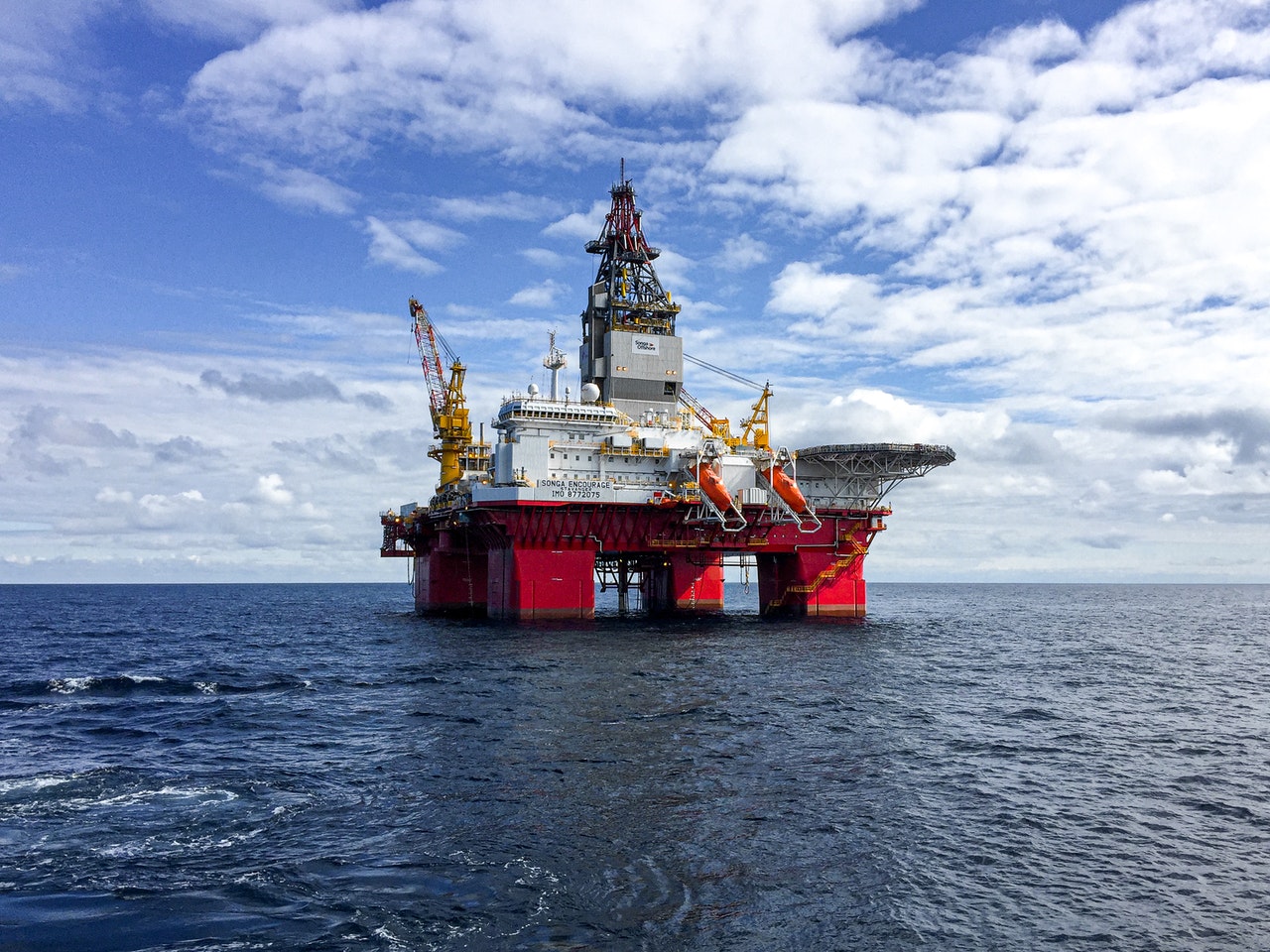
In March, There Was an Increase in Oil and Gas Production, While the Pre-Salt Represented 75.2% of Brazilian Production in Boe
In March of this year, Brazil produced 2.981 MMbbl/d (million barrels per day) of oil, which represents a growth of 2.2% compared to February and 4.8% in relation to March 2021. Additionally, 134 MMm³/d (million cubic meters per day) of natural gas was produced, a number also higher than observed in February (increase of 0.9%) and in the same period of the previous year (increase of 6.6%). Overall, 3.827 MMboe/d (million barrels of oil equivalent per day) were produced.
Regarding production in the pre-salt – sector with blocks for auction –, in March a volume of 2.876 MMboe/d (million barrels of oil equivalent per day) was recorded, of which 2.267 MMbbl/d correspond to oil and 96.7 MMm³/d correspond to natural gas. Such productivity values in the pre-salt account for 75.2% of national production. A productive increase of 1.2% was observed compared to February and 8.1% in relation to March 2021, and the production in the pre-salt was generated in 131 wells.
Utilization of Natural Gas Also Saw an Increase
Still considering the month of March, the utilization of natural gas was 97.8%, with the availability of 51.7 MMm³/day to the market. Thus, gas flaring during the period was only 2.9 MMm³/d, which represents a decrease of 2% relative to February and 6.2% compared to March of last year.
-
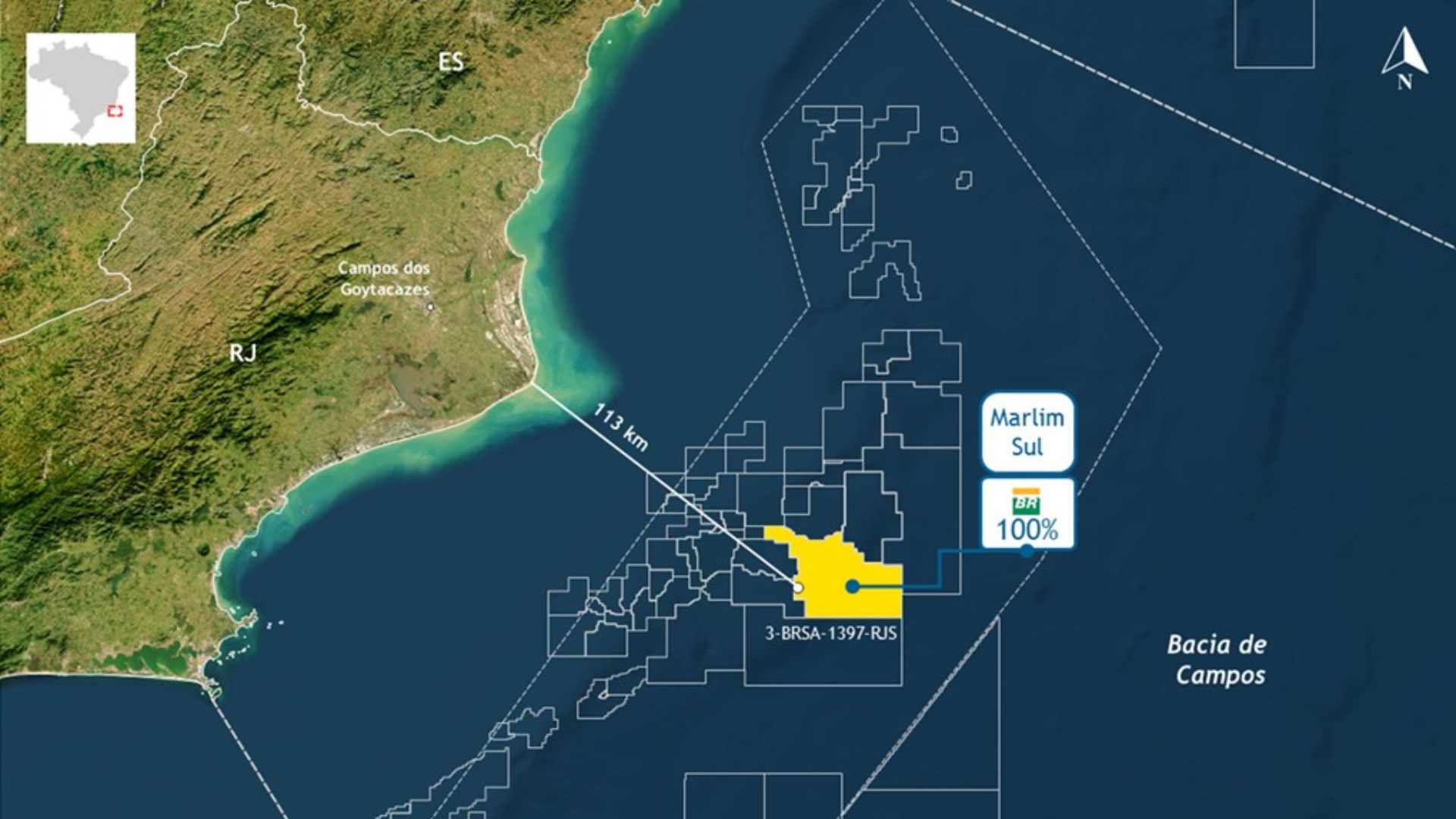
Petrobras finds high-quality oil in the pre-salt at 113 km from RJ and reignites expectations about strategic reserves in the Campos Basin.

-
Ocyan opens registrations for startups focused on innovation in the oil and gas sector and will select projects for Innovation Day with the support of Nexio.

-
Petrobras announces new oil discovery in the pre-salt of the Campos Basin and reinforces Brazil’s prominence with high-quality reserves that can increase production and energy revenues.
-
Alert in the fuel market: Analysts and a former director of ANP warn that oil prices may worsen in the coming months due to global instability.


Regarding the source of production, offshore fields were responsible for 97.1% of the oil and 86.9% of the natural gas produced in March. Among these fields, those operated by Petrobras accounted for the majority of Brazilian production, corresponding to 94.2% of the oil and natural gas generated in the country.
The Tupi field, in the pre-salt of the Santos Basin, was the main producer of oil and natural gas, having recorded 906 MMbbl/d of oil and 43 MMm³/d of natural gas.
The Petrobras 77 platform, which produces in the Búzios field through five interconnected wells, produced 156.496 Mbbl/d of oil, making it the installation with the highest production of this material.
The FPSO Cidade de Itaguaí, in turn, was the installation with the highest production of natural gas. It produces in the Tupi field, through 7 interconnected wells, and was responsible for the production of 7.794 MMm³/d of gas.
The highest number of onshore producing wells (949) is in Estreito, in the Potiguar Basin. Meanwhile, the offshore field with the highest number of producing wells (61) is Tupi, in the pre-salt of the Santos Basin.
The marginal accumulation fields produced 293 barrels of oil equivalent per day, with oil accounting for 92.3 bbl/d and natural gas accounting for 31.9 Mm³/d. Among these, the Iraí field, operated by Petroborn, was the main producer, as its production of 191.2 boe/d can be attributed to it.
Most Production Wells Are Onshore
In March 2022, national production was carried out in 273 granted areas, five areas of onerous cession, and six of sharing, operated by 41 companies. Among these areas, 63 are offshore and 221 onshore, with 12 of them referring to agreements involving marginal accumulations. Production occurred in 6,143 wells, of which 466 are offshore and 5,677 are onshore.
Regarding the API degree, the average oil extracted in Brazilian territory was 28.2. Furthermore, 2.1% of production was considered light oil (with API greater than or equal to 31), 92.6% as medium oil (API greater than or equal to 22 and less than 31), and 5.3% as heavy oil (API less than 22).
Mature onshore basins (long-term fields/tests of the Espírito Santo, Potiguar, Recôncavo, Sergipe, and Alagoas basins) were responsible for the production of 95,385 boe/d, of which 73.485 Mbbl/d correspond to oil and 3.482 MMm³/d correspond to natural gas. Of the total number of barrels of oil equivalent produced per day, 51,000 were produced by Petrobras and 44,400 were attributed to non-operated concessions, of which: 20,424 boe/d in Rio Grande do Norte, 16,475 boe/d in Bahia, 5,979 boe/d in Alagoas, 1,329 boe/d in Espírito Santo, and 175 boe/d in Sergipe.







Seja o primeiro a reagir!