





 Portuguese
  English
  Spanish
  5 min of reading
  0 comments


ANP Data Shows Significant Growth in Oil and Gas Production in Brazil in November, Led by Pre-Salt, Petrobras Operations, and Direct Impacts on the Energy Sector
On January 5, 2026, the National Agency of Petroleum, Natural Gas and Biofuels (ANP) published official data confirming a significant advance in oil and gas production in Brazil. According to an article published by Agência Eixos, in November 2025, the country reached 4.921 million barrels of oil equivalent per day (boed), a growth of 14.4% compared to the same month in 2024, despite a 6.36% decline compared to October.
Oil and Gas Production Maintains Consistent Annual Growth
The result reinforces the structural strength of the sector, mainly driven by pre-salt, which accounted for nearly 80% of total production. Petrobras, the largest operator in the country, also showed relevant growth in annual comparison, even with monthly declines associated with scheduled maintenance shutdowns.
The numbers released by the ANP highlight the significance of Brazil’s performance in the energy sector, in a global context focused on supply security and stability of supply.
-
Brazilian giant expands borders in the Southeast: Petrobras confirms new oil discovery in ultra-deep waters in the pre-salt of the Campos Basin.

-
Alert in the global energy market: Severe tropical cyclone hits the coast and disrupts gas production at major plants in Australia, threatening global supply.

-
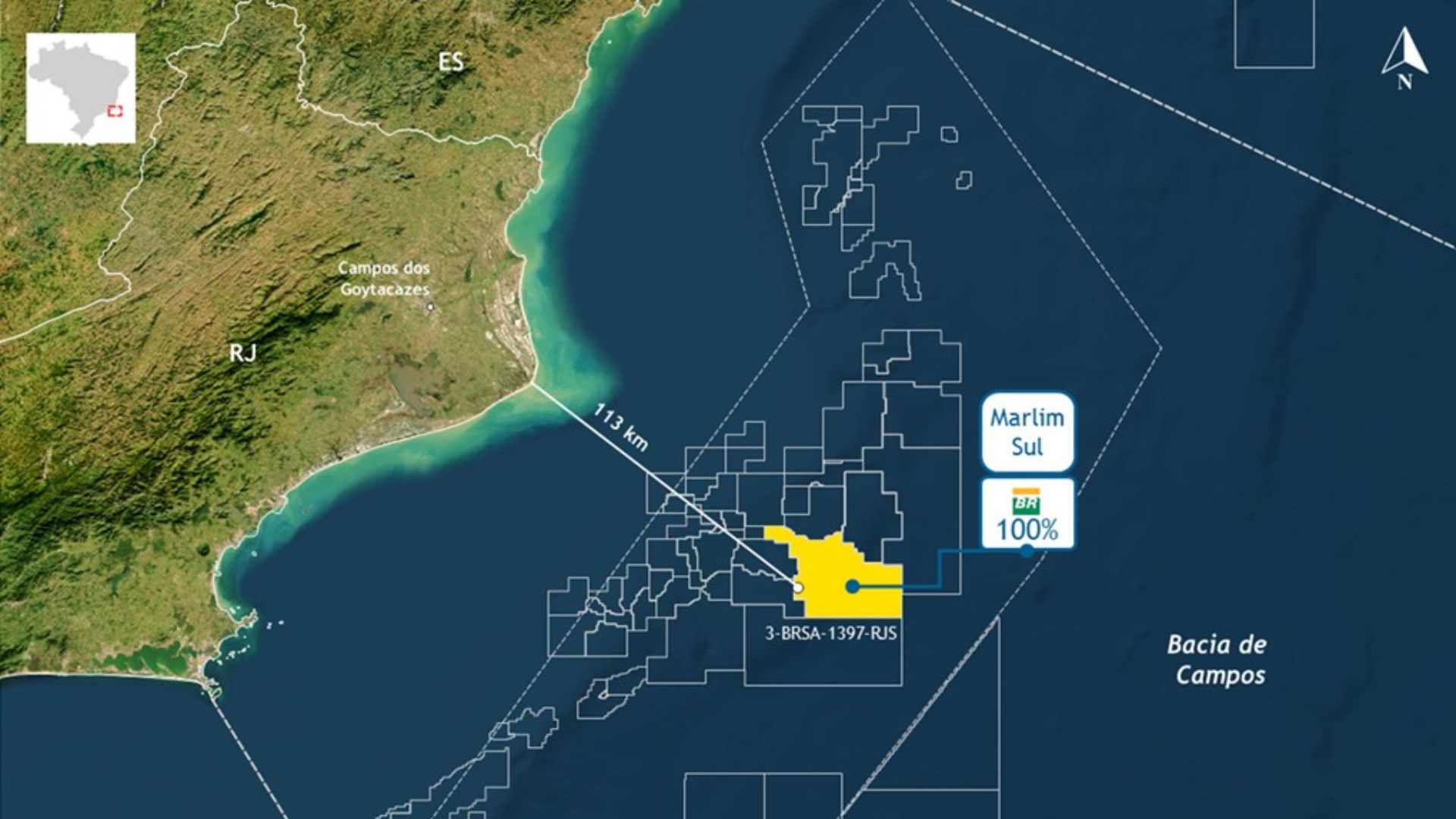
Petrobras finds high-quality oil in the pre-salt at 113 km from RJ and reignites expectations about strategic reserves in the Campos Basin.

-
Ocyan opens registrations for startups focused on innovation in the oil and gas sector and will select projects for Innovation Day with the support of Nexio.


The production of oil and gas in Brazil exhibited typical behavior of a mature and highly regulated sector. Although it registered a monthly retraction in November, the annual growth confirms the consolidation of the national industry and the ability to sustain high production volumes over time.
According to the ANP, the decline compared to October is directly related to operational factors, such as technical interventions and adjustments on offshore platforms. This type of fluctuation does not alter the structural growth trend, which remains supported by continuous investments, efficiency gains, and increased productivity of the fields.
The annual performance strengthens Brazil’s role in the energy sector, both in domestic supply and exports, in addition to contributing to public revenue and the balance of trade.
Oil Leads Volumes and Sustains the National Energy Sector
When considering only oil, production reached 3.773 million barrels per day in November. The volume represents a 13.9% increase compared to November 2024, according to official data from the ANP. Compared to the previous month, there was a 6.39% decline, reflecting temporary shutdowns in production units.
Oil remains the country’s main energy asset, with a significant share in Brazilian exports. Even in a global energy transition scenario, the resource maintains strategic relevance, especially for emerging economies and international markets that demand supply stability. The leadership of oil within the Brazilian energy sector is also reflected in attracting investments and expanding logistical and port infrastructure.
Natural Gas Production Advances and Increases Relevance in the Energy Sector
The production of oil and gas also showed significant growth in the natural gas segment. In November, production reached 182.5 million cubic meters per day, an increase of 15.7% in annual comparison, as reported by the ANP.
Compared to October, there was a retraction of 6.27%, mainly associated with operational interventions and adjustments in flow systems. Nonetheless, the annual growth indicates consistent expansion of supply, reinforcing the role of natural gas as a strategic source.
Within the energy sector, natural gas stands out for its versatility, being used both in electricity generation and industrial processes, and acting as a vector for the transition to cleaner energy matrices.
Pre-Salt Concentrates the Largest Part of Oil and Gas Production
The pre-salt continued to be the main pillar of oil and gas production in Brazil. In November, the region accounted for 79.5% of total production, equivalent to 3.913 million boed, according to the ANP.
Of this volume, 3.024 million barrels per day corresponded to oil, while 141.2 million cubic meters daily came from natural gas. In the monthly comparison, pre-salt production declined 8.60% in oil and 8.10% in gas, variations linked to technical shutdowns and operational adjustments.
Despite occasional fluctuations, pre-salt remains Brazil’s greatest competitive advantage, due to the high productivity of wells and relatively low operating costs, factors that sustain its leadership in the energy sector.
Petrobras Maintains Prominence in Oil and Gas Production
Petrobras continued as the main operator of oil and gas production in the country. In November, the state-owned company recorded total production of 2.989 million boed, being 2.292 million barrels per day of oil and 110.8 million cubic meters daily of natural gas.
In comparison to November 2024, Petrobras showed growth of 14.2% in oil production and 11.5% in natural gas, according to ANP data. Compared to October, there was a decline of 8.5% in total production, resulting from scheduled shutdowns for maintenance of offshore units.
These interruptions are considered normal in the industry and are part of the strategy to preserve operational integrity. Nonetheless, Petrobras remains a central player in the energy sector, influencing investments, revenue, and long-term planning.
Impacts of Production on the Brazilian Energy Sector
The annual advance of oil and gas production strengthens Brazil’s position in the international scenario and can enhance the predictability of the energy sector. According to the ANP, the combination of abundant reserves, advanced technology, and production scale creates a favorable environment for the continuity of investments.
The performance of the pre-salt and the actions of Petrobras contribute to supply stability, a crucial factor in a global context marked by geopolitical tensions and volatility in energy commodity prices.
Moreover, high production sustains productive chains, skilled jobs, and public revenues, reinforcing the strategic role of the energy sector in the national economy.
Oil and Gas Production: What ANP Data Indicates for the Coming Months
The numbers released by the ANP indicate that the monthly decline observed in November is likely to be temporary. With the completion of maintenance cycles, the expectation is for a gradual recovery of volumes in the following months.
The annual growth trend remains solid, primarily supported by the performance of the pre-salt and the operational capacity of Petrobras. This scenario reinforces the importance of technical and regulatory planning to maintain the competitiveness of Brazilian oil and gas production.
For the energy sector, the data signal continuity of investments and greater stability in the medium term, even amid the challenges posed by the global energy transition.








Seja o primeiro a reagir!