





 English
  Francês
  Alemão
  Italiano
  Japonês
  Norueguês
  Portuguese
  Spanish
  5 min of reading
  0 comments


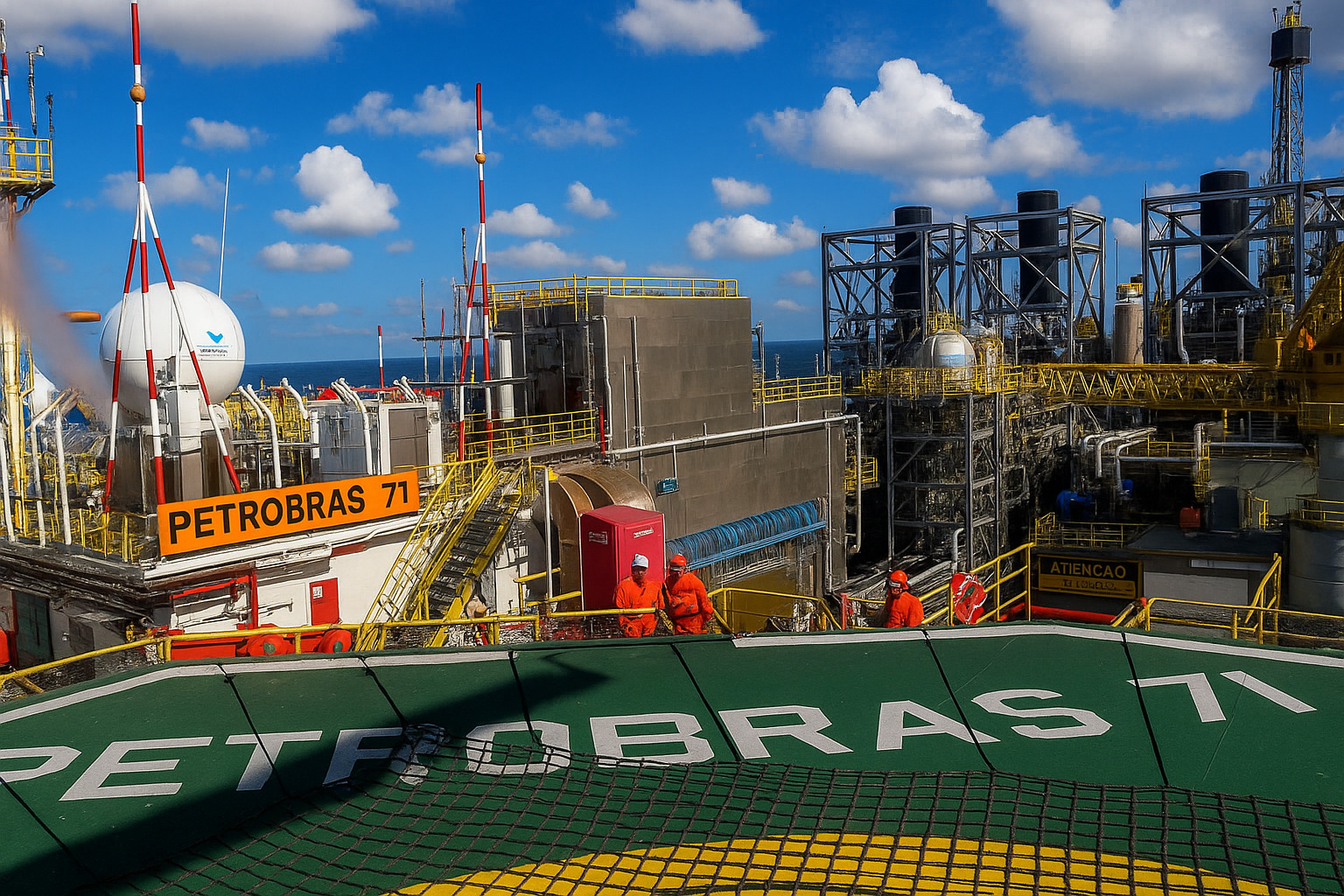
Brazil Achieves Historical Record in Oil and Gas Production, Driven by Pre-Salt and Consolidating Its Position Among the Largest Global Producers
The history of oil and gas production in Brazil shows how the country managed to transform previously underexplored reserves into a central pillar of its economy. Since the first discoveries in the 20th century, the sector has faced ups and downs.
The consolidation mainly came with the exploration of the pre-salt. Thus, Brazil reached a landmark in July by surpassing the mark of 5 million barrels of oil and gas per day.
This result, announced by the National Agency of Petroleum, Natural Gas and Biofuels (ANP), reinforces the country’s relevance on the global stage. Furthermore, it reflects the technological evolution and the expansion of production capacity.
-
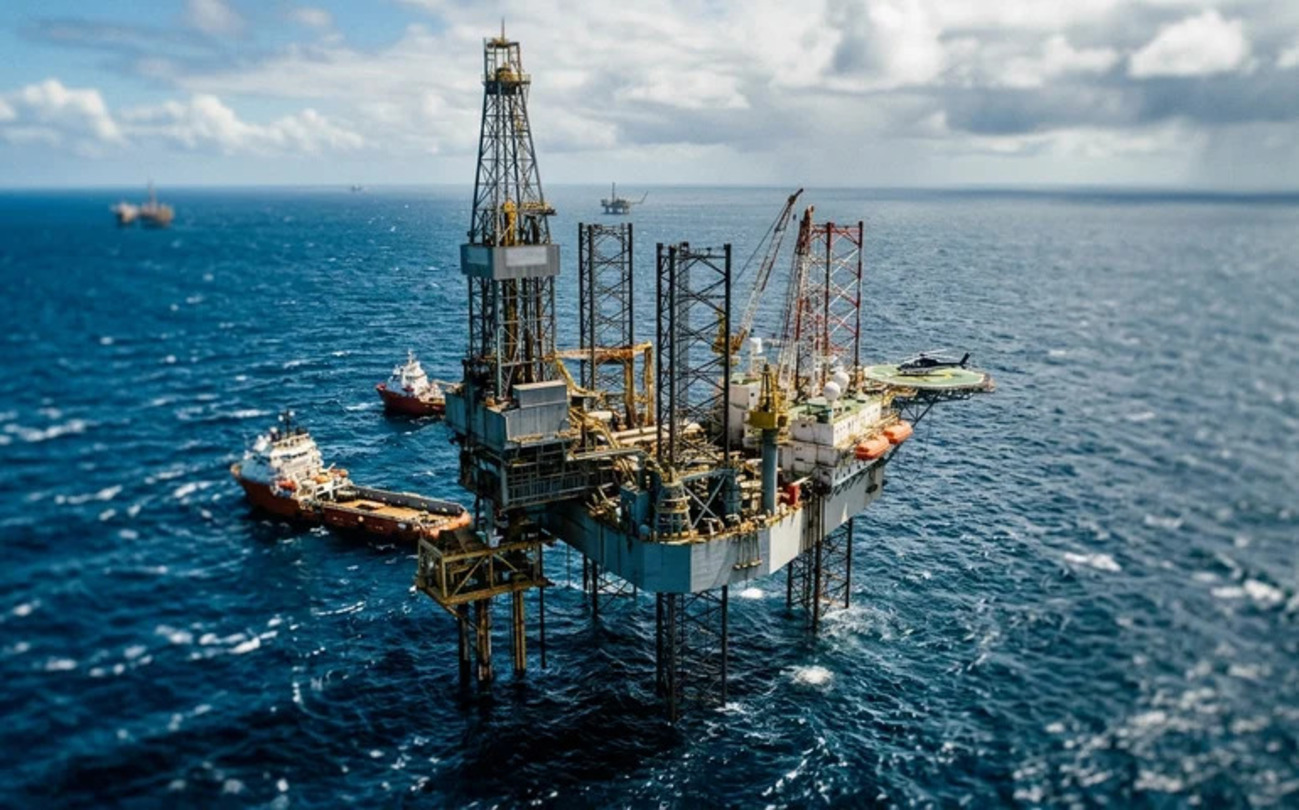
Brazilian giant expands borders in the Southeast: Petrobras confirms new oil discovery in ultra-deep waters in the pre-salt of the Campos Basin.
-
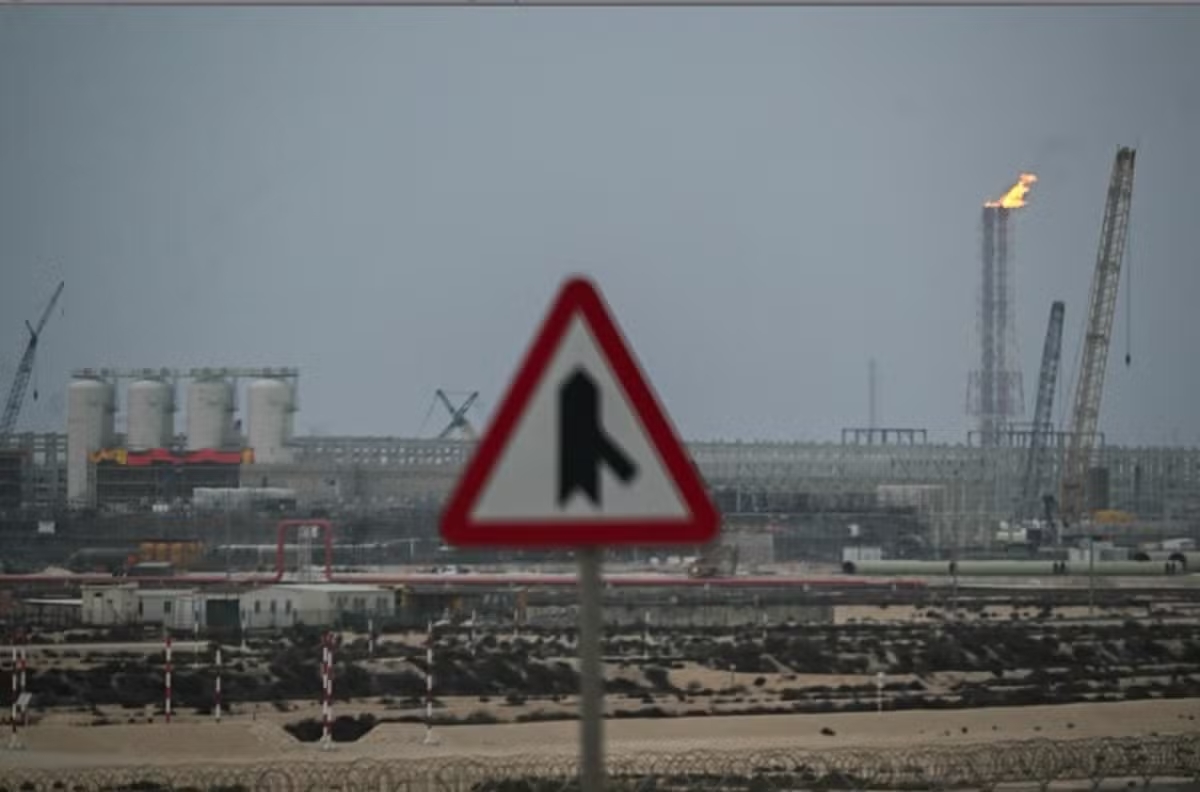
Alert in the global energy market: Severe tropical cyclone hits the coast and disrupts gas production at major plants in Australia, threatening global supply.
-
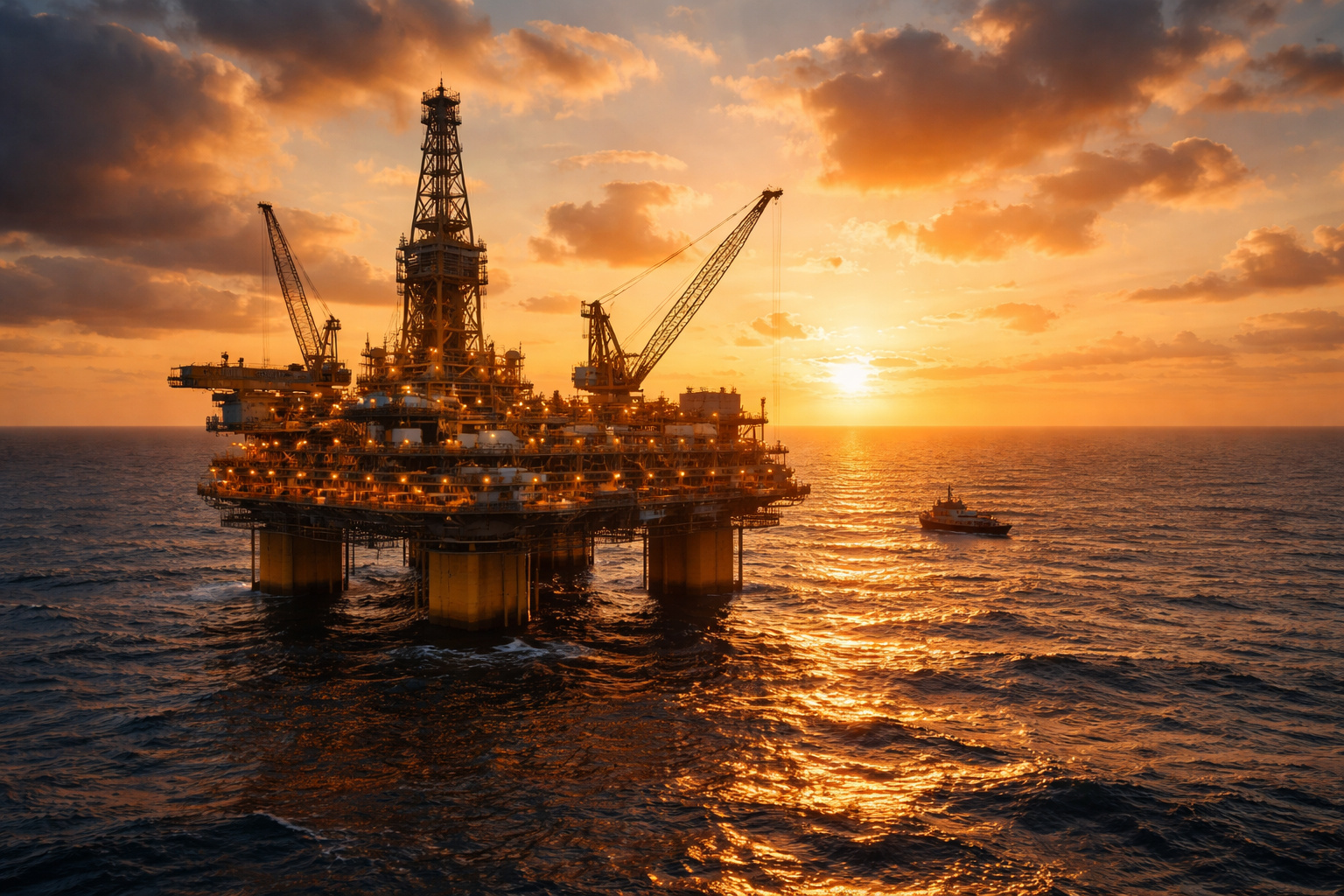
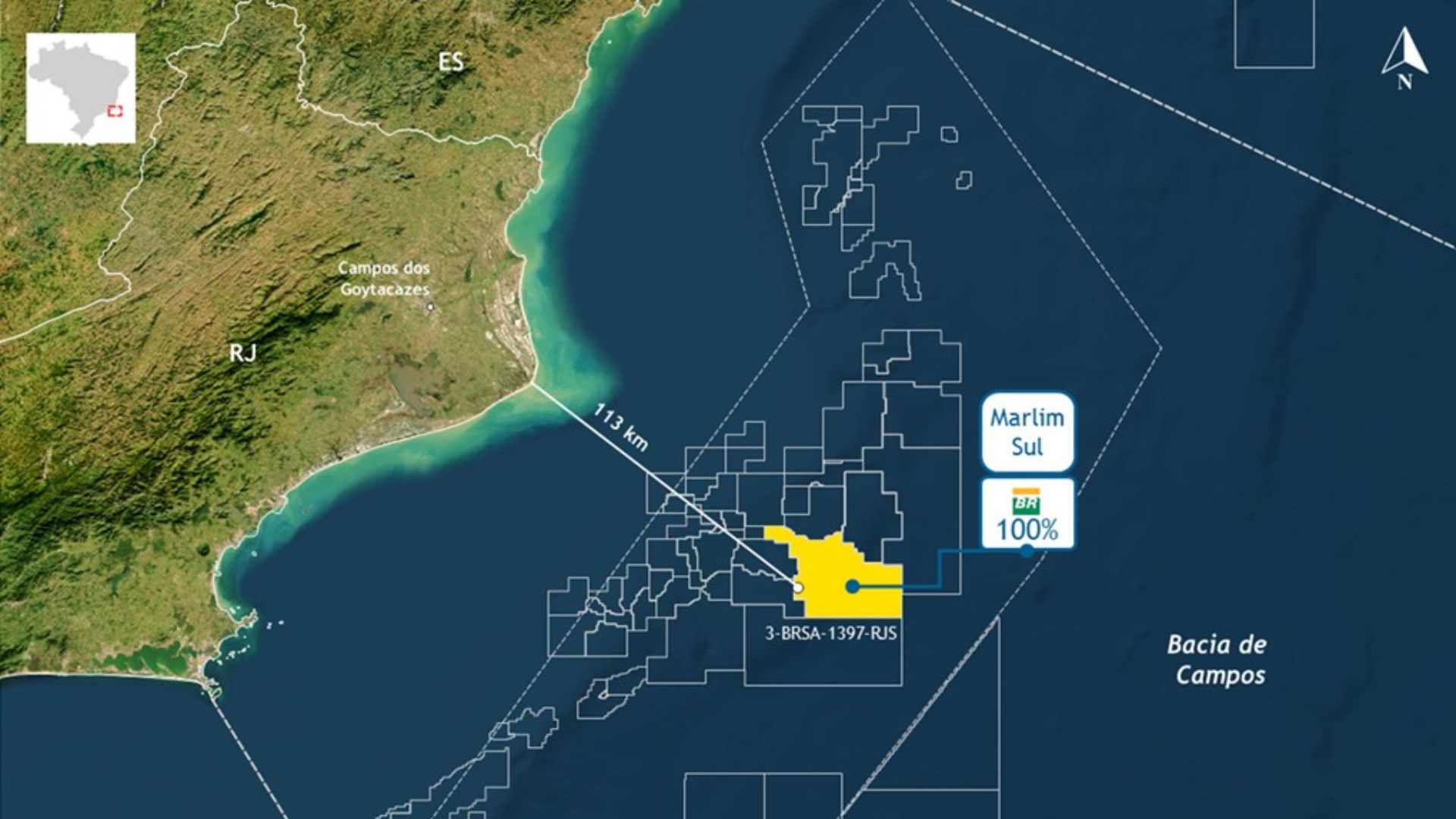
Petrobras finds high-quality oil in the pre-salt at 113 km from RJ and reignites expectations about strategic reserves in the Campos Basin.
-
Ocyan opens registrations for startups focused on innovation in the oil and gas sector and will select projects for Innovation Day with the support of Nexio.


As a result, Brazil is getting closer to the world’s major leaders in the energy industry.
The Advancement of Pre-Salt and Its Impact on the Numbers
In July, Brazilian production totaled 5.160 million barrels of oil and gas per day. Just in oil, the volume was 3.959 million daily barrels, with a growth of 22.5% compared to the same month of the previous year.
Additionally, natural gas reached 190.89 million cubic meters per day, a jump of 26.1% compared to July 2024.
A large part of this advance came from the pre-salt, which accounted for 79.1% of the total. Therefore, this geological layer has solidified as the heart of national production.
To achieve these numbers, 169 wells were responsible for the extraction. The highlight was the Tupi field in the Santos Basin, which alone accounted for nearly 800 thousand daily barrels.
Another highlight was the FPSO Guanabara in the shared reservoir of Mero, also in the Santos Basin. This unit produced 184.3 thousand barrels of oil per day, confirming the efficiency of modern platforms.
Thus, Brazilian offshore technology gained prominence in the international market.
The growth of production also directly impacts local and national economies. Municipalities near extraction areas receive resources from royalties and special participations, which finance public services, infrastructure, and social development.
Moreover, the sector generates thousands of direct and indirect jobs, stimulating universities, research centers, and technology companies to develop innovative solutions. Thus, the industry contributes not only to energy but also to the country’s socioeconomic progress.
Factors That Influence Production
According to the ANP, production volumes undergo variations due to multiple factors. Scheduled maintenance, the entry of new wells into operation, and the installation of platforms alter monthly numbers.
However, the growth trend remains stable, because investments continue and recent discoveries expand perspectives.
In addition, the location of reserves is a differentiating factor. Almost 98% of the oil produced comes from offshore areas. In the case of natural gas, the percentage exceeds 86%.
Therefore, the Brazilian coast has become the country’s main energy frontier.
Another relevant factor is the role of Petrobras. The state-owned company accounted for almost 90% of total production, showing that the company remains the central engine of the industry.
Nonetheless, international partnerships have also strengthened the production chain, bringing in technology, investments, and expertise essential for deepwater exploration.
Brazil in the Global Context of Oil and Gas
On the global stage, Brazil currently ranks eighth among the largest oil producers. This performance places the country alongside powerhouses such as the United States, Russia, Saudi Arabia, Canada, and Iran.
Although these five giants concentrate half of global production, Brazilian growth reinforces its strategic weight.
Moreover, the Brazilian Institute of Oil and Gas (IBP) emphasizes that the country has the potential to climb even higher in the ranking. This occurs because investments in new platforms and technologies are likely to maintain the upward curve.
Thus, Brazil’s presence in the international oil and gas market is expected to strengthen in the coming years.
Historically, Brazil relied on importing fossil fuels, which generated economic vulnerability. However, with the strengthening of the pre-salt, that reality has changed.
Today, the country not only ensures domestic supply but also exports significant volumes, increasing its geopolitical relevance.
Additionally, production growth contributes to strengthening the trade balance, allowing Brazil to compete more strategically in international energy markets.
Utilization of Gas and Sustainability
Another important aspect of this advance is how the country deals with the natural gas extracted. According to the ANP, Brazil utilized 97.1% of the total produced in July, burning less than 3%.
This shows a significant improvement in efficiency. Part of the gas is re-injected into the wells, another part supplies the market, and the remainder serves as energy source for the platforms themselves.
Thus, this model reduces waste and reinforces the commitment to sustainable practices.
Although oil remains a fossil fuel source, the responsible use of natural gas contributes to the energy transition, as it emits fewer pollutants than other sources.
Furthermore, companies in the sector have invested in carbon capture solutions and renewable energy projects. This way, the country balances oil exploration with initiatives that reduce environmental impacts.
This combination is crucial for maintaining economic growth without compromising climate commitments.
Efficient exploration also paves the way for the use of gas in new industrial and energy applications, such as hydrogen production and biofertilizers, reinforcing energy diversification.
Prospects for the Future of the Sector
The record of 5 million daily barrels marks only a stage in the development of the oil and gas industry in Brazil.
The prospects indicate new advances with the operation of modern platforms and the continued interest of foreign investors.
Moreover, global demand for energy continues to expand, especially in emerging countries. In this scenario, Brazil can play an even more relevant role.
This happens not only as a crude oil supplier but also as a natural gas and derivatives exporter.
However, the future demands balance. While production increases, the world is moving towards a low-carbon economy.
Thus, the Brazilian challenge will be to expand production while also investing in clean technologies, maintaining long-term competitiveness.
Therefore, the milestone of July should not be seen merely as a numerical record. It also represents a symbol of the maturity of the national energy sector.
This milestone shows that the country has reached a new level. Furthermore, if it continues to invest in innovation and sustainability, it could establish itself as one of the global leaders in energy.










Seja o primeiro a reagir!