





 Portuguese
  English
  Spanish
 4 min of reading
  0 comments


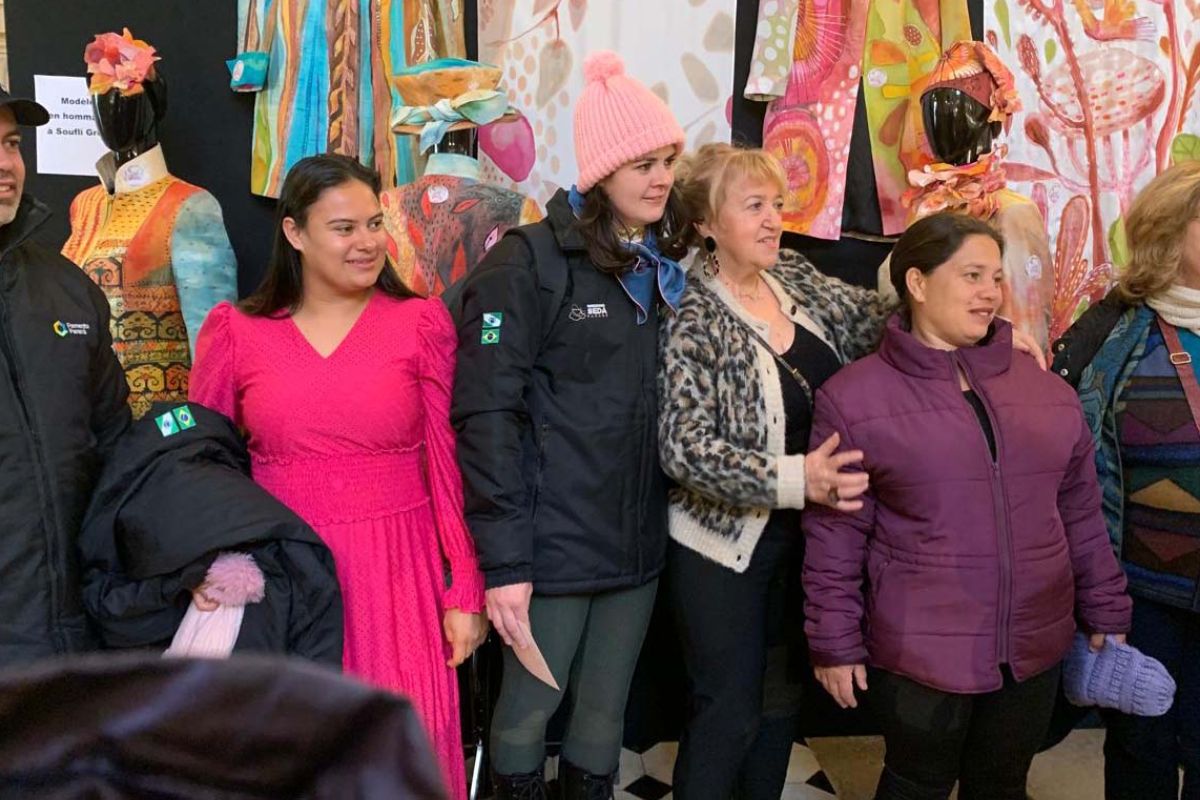
The Experience of Sericulture Farmers from Paraná at the Silk in Lyon Festival Gained International Notice and Showed How Silk Production in Paraná Dialogues with Culture, Sustainability, and Artisanal Tradition
The silk production in Paraná was at the center of an international trip that deeply marked two family farmers from the countryside of the State, according to a news article published.
The winners of the Seda Paraná Contest, Diovane Plep Machado Moro, from Palmital, and Maria Rosa Pires de Sousa, from Godoy Moreira, participated in three days of activities at Silk in Lyon, held between November 20 and 23 in France, considered one of the largest global events dedicated to silk.
The immersion brought the producers closer to artisans, artists, and international researchers, in an environment where the history of silk, technique, and culture intersect vibrantly.
-
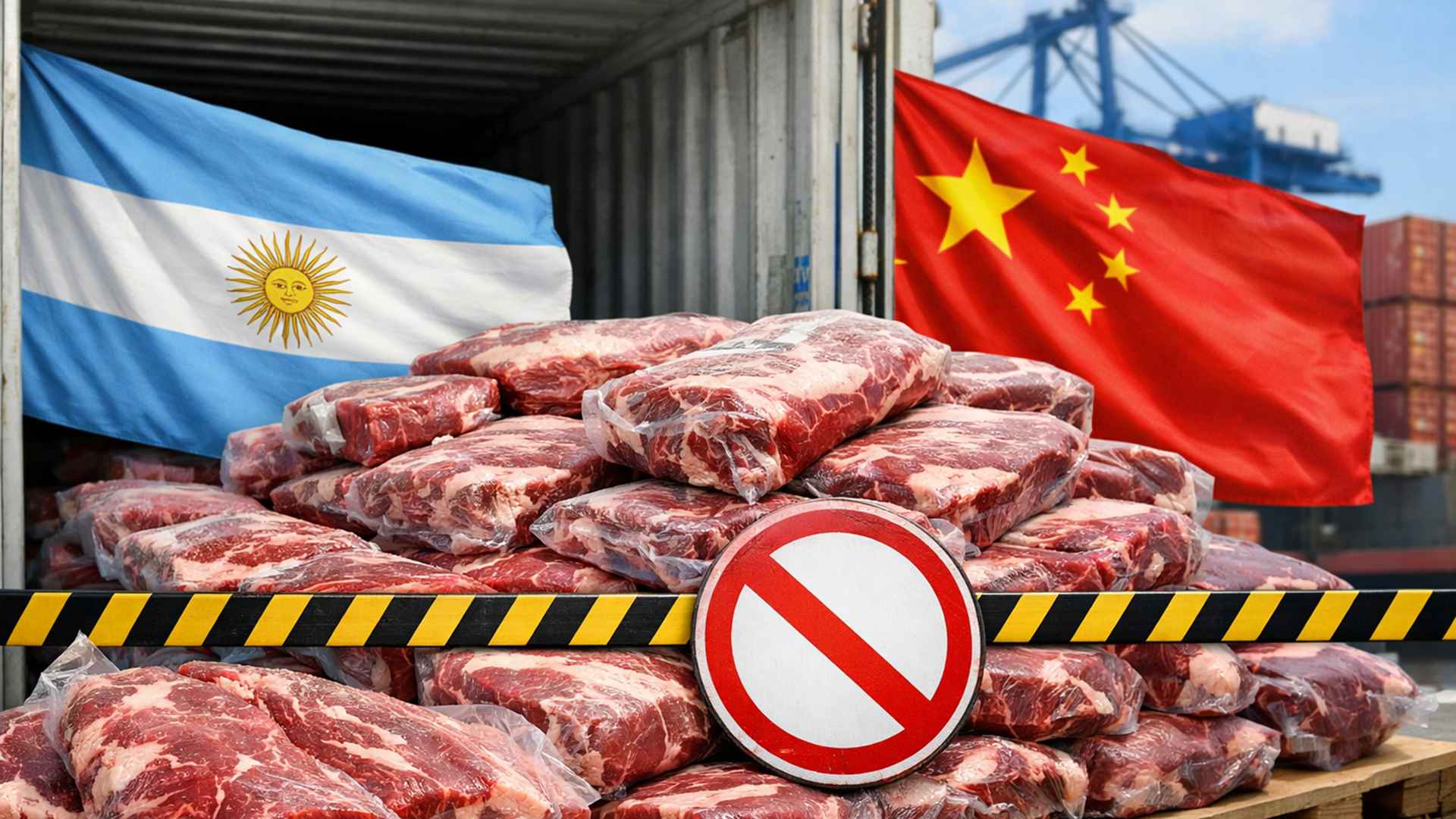
China banned the export of 22 tons of meat from Argentina.
-
While Russia dominates the global wheat market, Brazil emerges as an unexpected competitor in the Cerrado, offering grain available in July and August when stocks in the Northern Hemisphere are at their lowest point of the year.

-
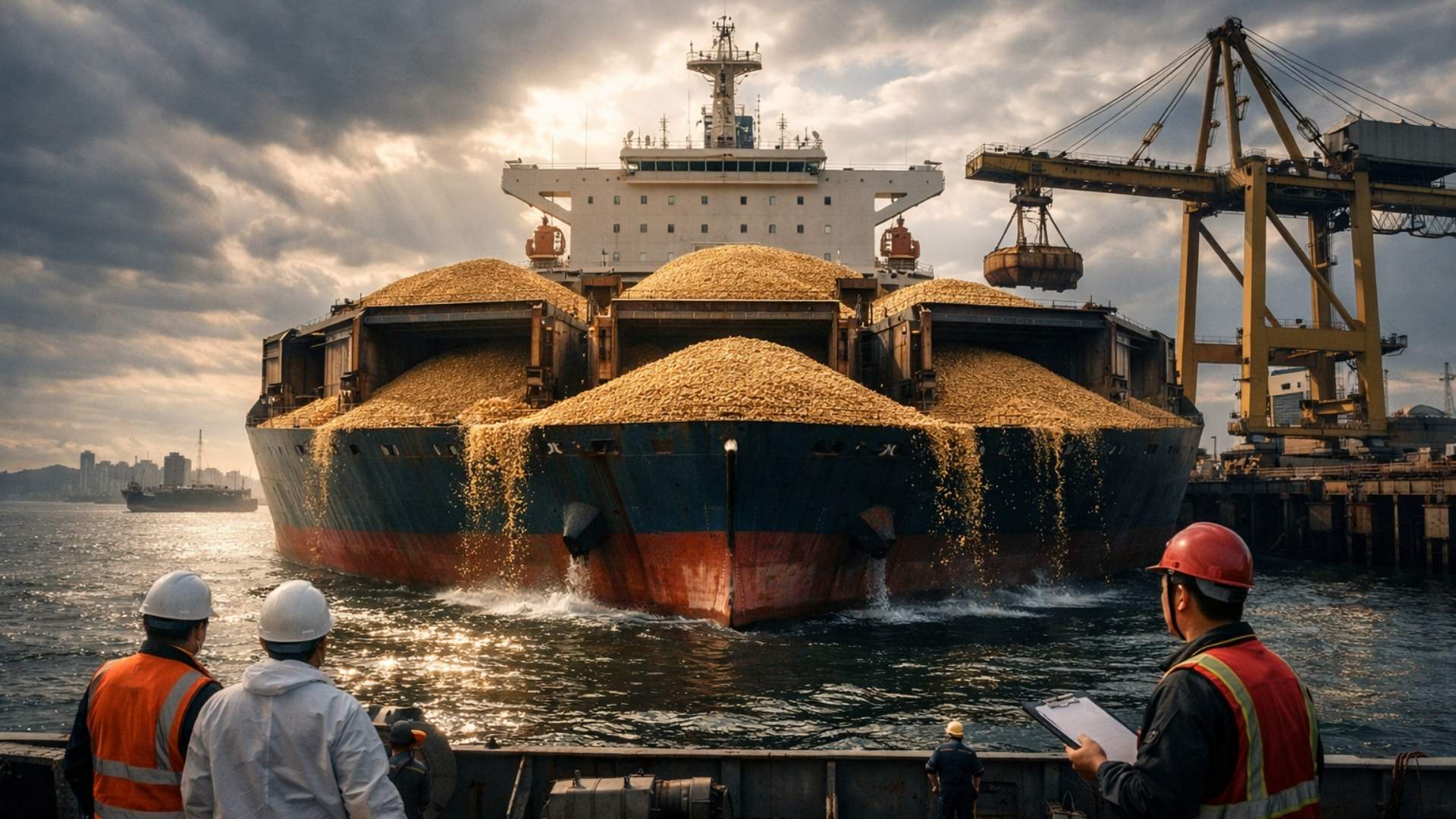
China returned almost 20 Brazilian ships with soybeans, but now everything could change: the country that buys 80% of the grain is considering relaxing regulations after impurities held up shipments of thousands of tons and caused million-dollar losses.
-
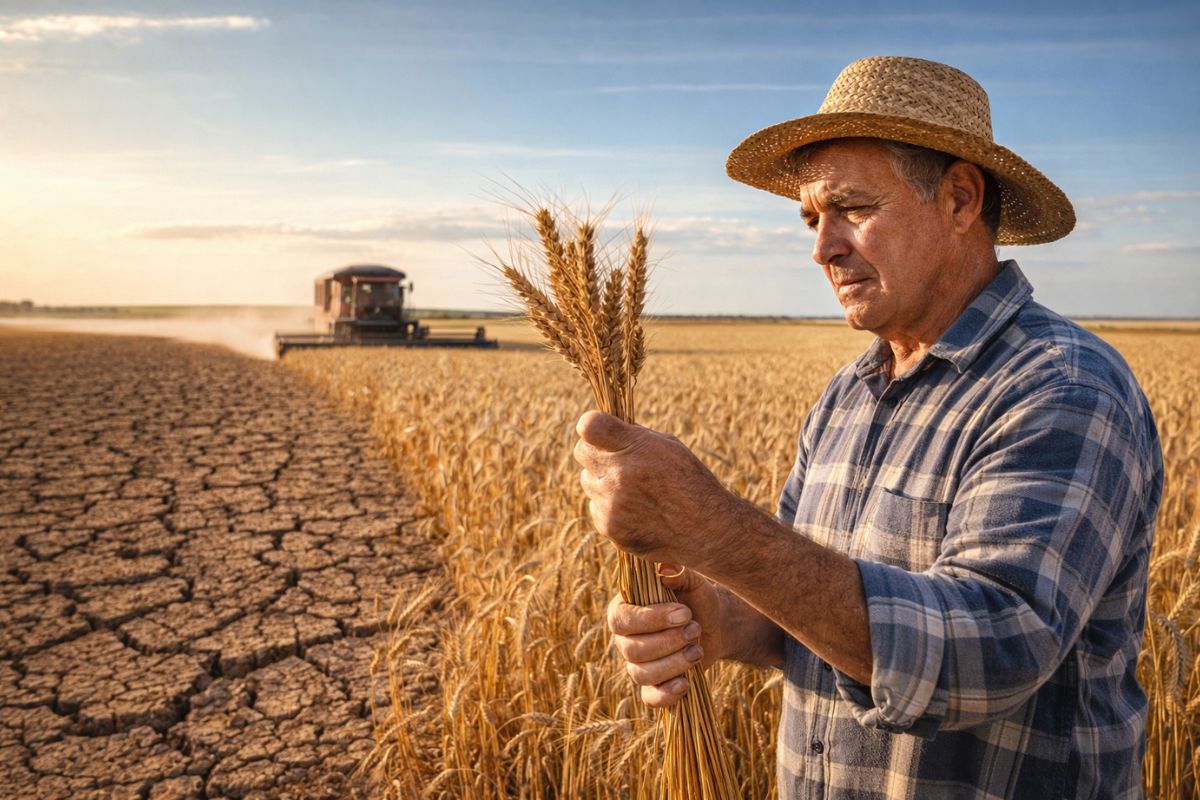
The drought of the cerrado was considered an enemy of wheat, but Brazilian scientists turned the lack of rain into a competitive advantage by creating a grain with quality that is already attracting the attention of international mills around the world.

The First Lady of the State, Luciana Saito Massa, accompanied the delegation and emphasized the importance of the meeting to value the work of women who sustain the production chain.
The itinerary included visits to museums, exhibitions, and historical routes, reinforcing Paraná’s role as a reference in national sericulture.
Feminine Protagonism in Sericulture
The program began with the traditional course presented by the Soierie Vivante Museum in Lyon, known for detailing each step from the cocoon to the final fabric.
The group also visited booths dedicated to crafts, such as the French brand “Les Fantaisies de Tante Sophie,” where artist Sophie Perrillat-Charlaz gifted the Brazilians with earrings made from cocoons and praised the Paraná initiative.
The recognition moved the producers, who attended demonstrations of manual techniques and realized how female protagonism in the activity gains space in different countries.
For Diovane and Maria Rosa, it was an opportunity to observe how small European ateliers re-signify waste and preserve century-old traditions, stimulating new perspectives for their own rural communities.
Cultural Training in France and Silk Production in Paraná
The second day of activities brought a meeting with Alexandre de Saint Loup, an entrepreneur focused on revitalizing silk in the French region of Cévennes.
The participants also explored the exhibition dedicated to this year’s honored city, Soufli, in Greece, and talked with artisans from Cyprus who develop sustainable pieces from leftover cocoons.
The visit to the Maison des Canuts, created in 1970 by COOPTISS to preserve the memory of Lyon’s weavers, further connected the producers to the history of struggles and achievements of the category.
This international exchange reinforced the importance of silk production in Paraná, responsible for 86% of the silk produced in Brazil and supplying markets such as France, Italy, India, Japan, and China.
European Silk Crafts and Innovative Practices
The last day was dedicated to Old Lyon, an area recognized as a UNESCO World Heritage site, including visits to the Basilica of Fourvière and the ancient Roman Forum.
At the festival itself, the most significant moment occurred when exhibitors and artists identified the producers as an essential part of the global silk ecosystem.
Many were moved to discover that the cocoons they use might originate from small properties in Paraná.
For the family farmers, realizing this international reach expanded their understanding of how European silk crafts dialogue with Brazilian practices and strengthen the sense of belonging within the production chain.
The history of the contest and the Seda Paraná program also accompanied the trip.
Organized by the State Government, through the Secretariat of Agriculture and Supply, the First Lady’s Office, and Invest Paraná, the selection received 430 entries from producers in 80 cities.
The process evaluated the volume of first-class cocoons per mulberry area and the silk content produced. This structure integrates with IDR-Paraná, responsible for encouraging research, spreading innovation, and supporting families that rely on sericulture.
These data reinforce the significance of silk production in Paraná for the rural economy, which reached a Gross Value of R$ 44.4 million in 2023, with 1,350 tons of cocoons and 2,460 hectares of mulberries cultivated in 148 municipalities.
The international immersion opened paths for new inspirations and indicated how local traditions can connect to the global market through silk production in Paraná, which continues to generate opportunities for about a thousand rural families and remains recognized as an essential part of the global chain.





-

Uma pessoa reagiu a isso.