





 Português
  Inglês
  Espanhol
 5 min de leitura
  2 comentários


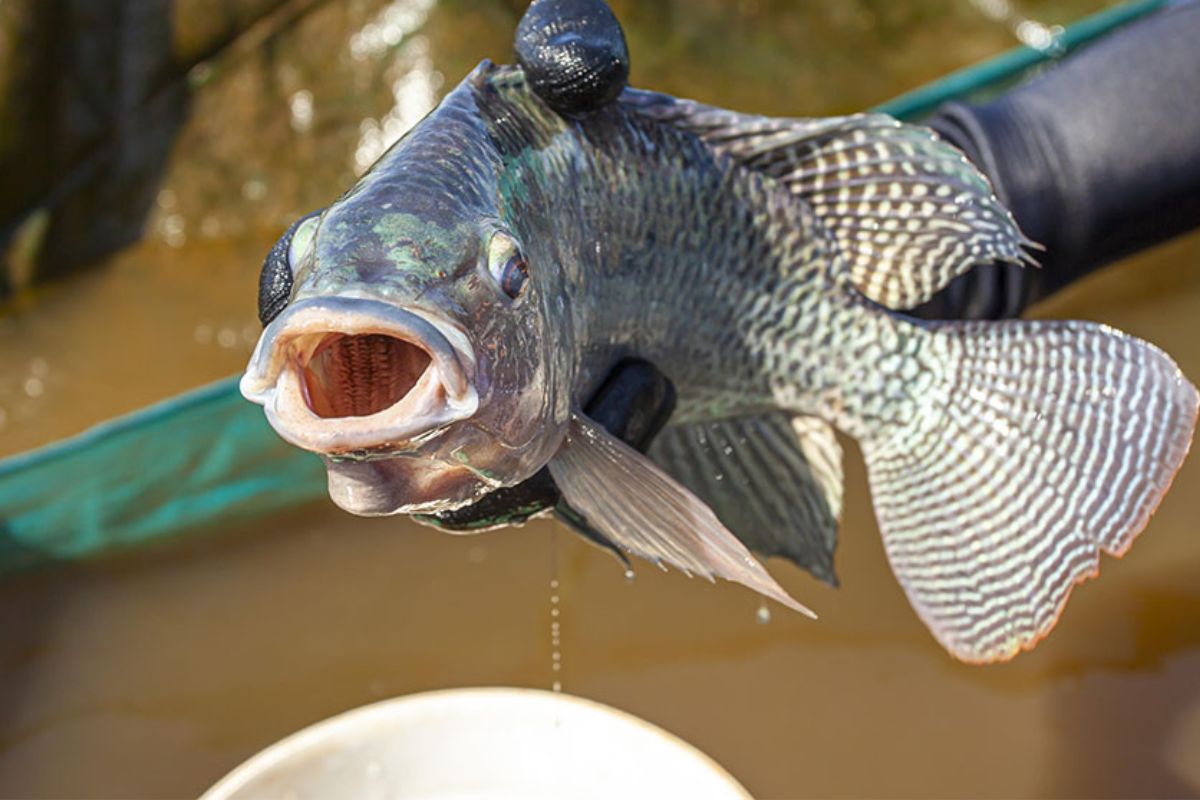


With Emphasis on Agribusiness, Tilapia Production in Brazil Grows and Finds New International Opportunities, Especially in the United States and Europe, According to Embrapa Study
The tilapia production in Brazil has been consolidating as one of the main forces of the national agribusiness and, according to a recent study by Embrapa, the country is facing a promising scenario in the international market.
The research, conducted by Embrapa Fish and Aquaculture, identified new export opportunities for both the United States and Europe, showing that the sector can increase revenues and strengthen Brazil’s presence in strategic markets, according to a published article.
The survey points out that tilapia is currently the main fish produced and exported by Brazil, considered the flagship of the national aquaculture.
-
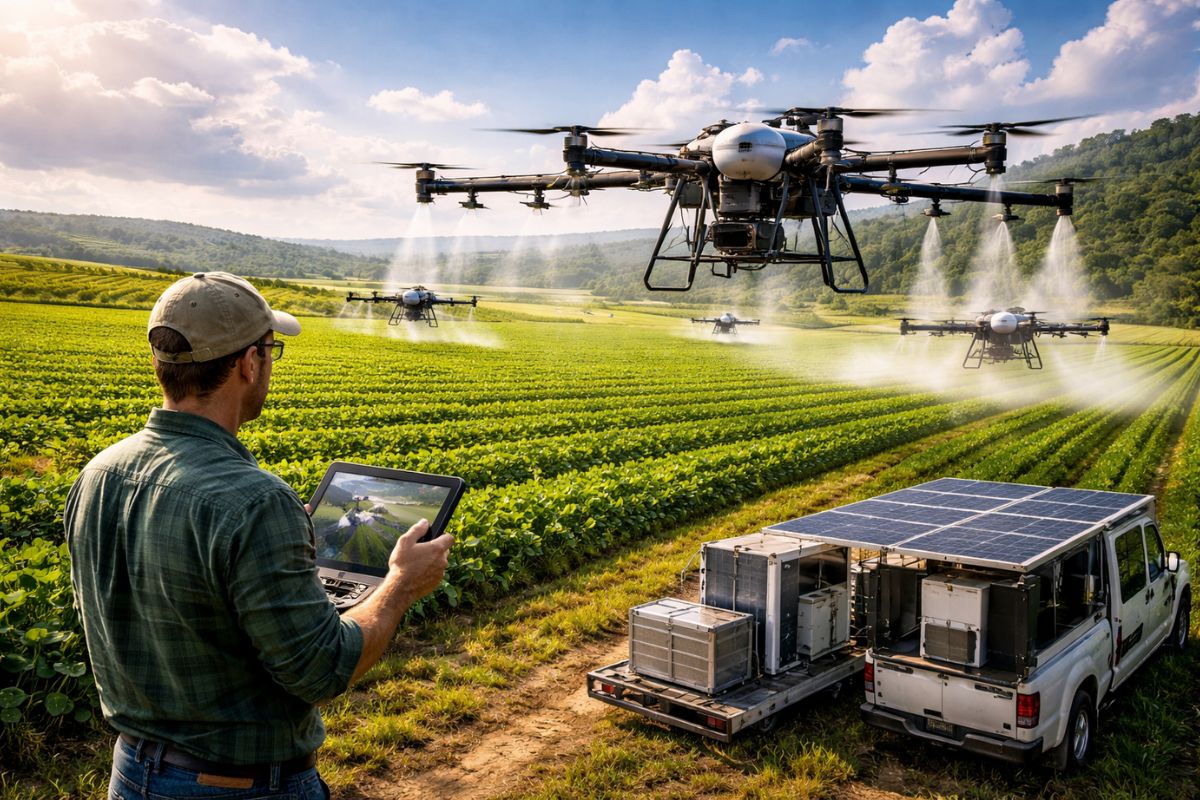
Alone, the producer applies 7,400 hectares with the T100 drone in an optimized structure, replaces the generator with a silent battery, and demonstrates how technology reduces costs, increases productivity, and even challenges the uniport in the field.
-
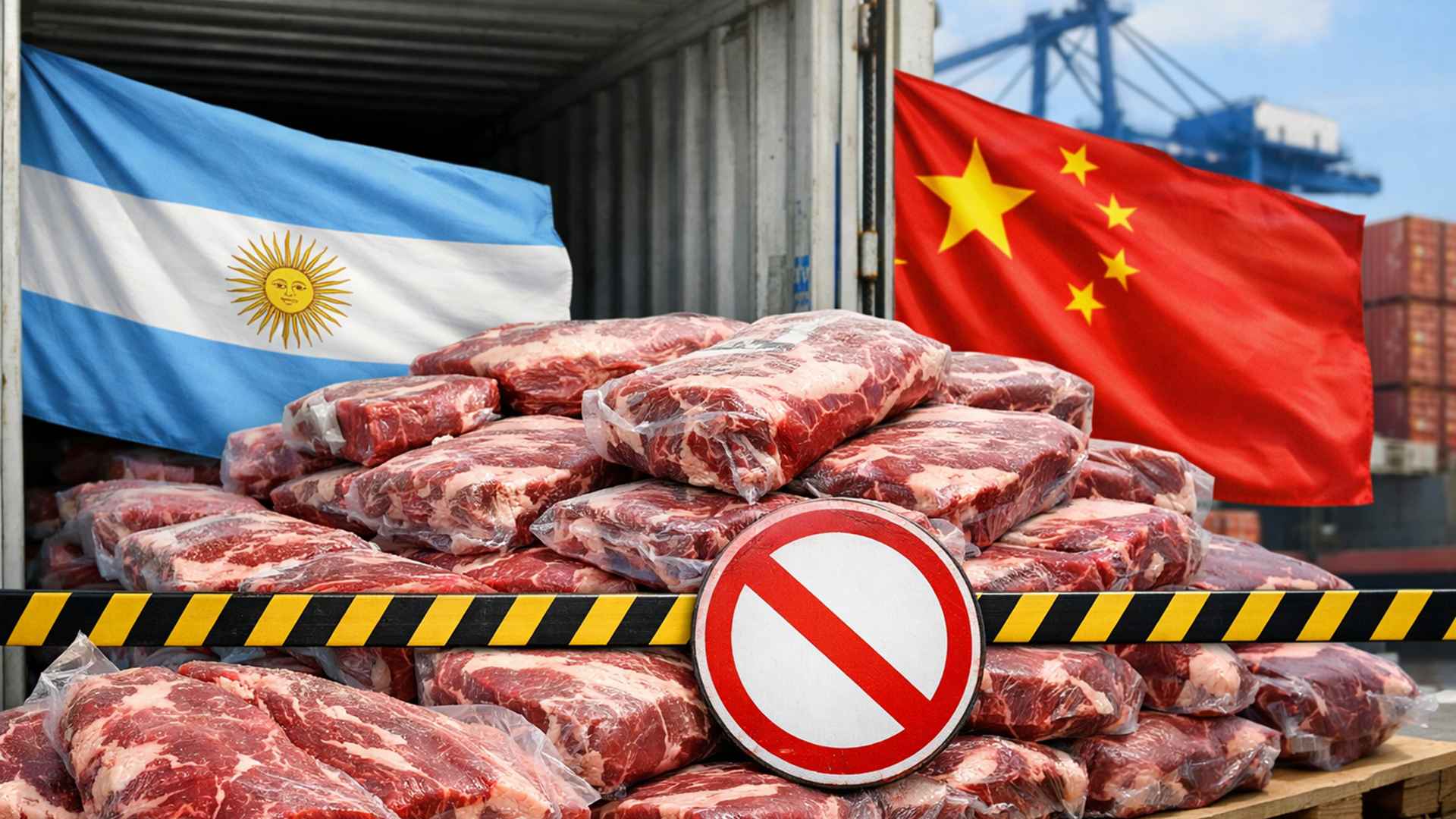
China banned the export of 22 tons of meat from Argentina.
-
JBS, founded by the Batista brothers, continues to conquer the world: entrepreneurs built a ‘factory in the desert’ creating 3,000 jobs.

-
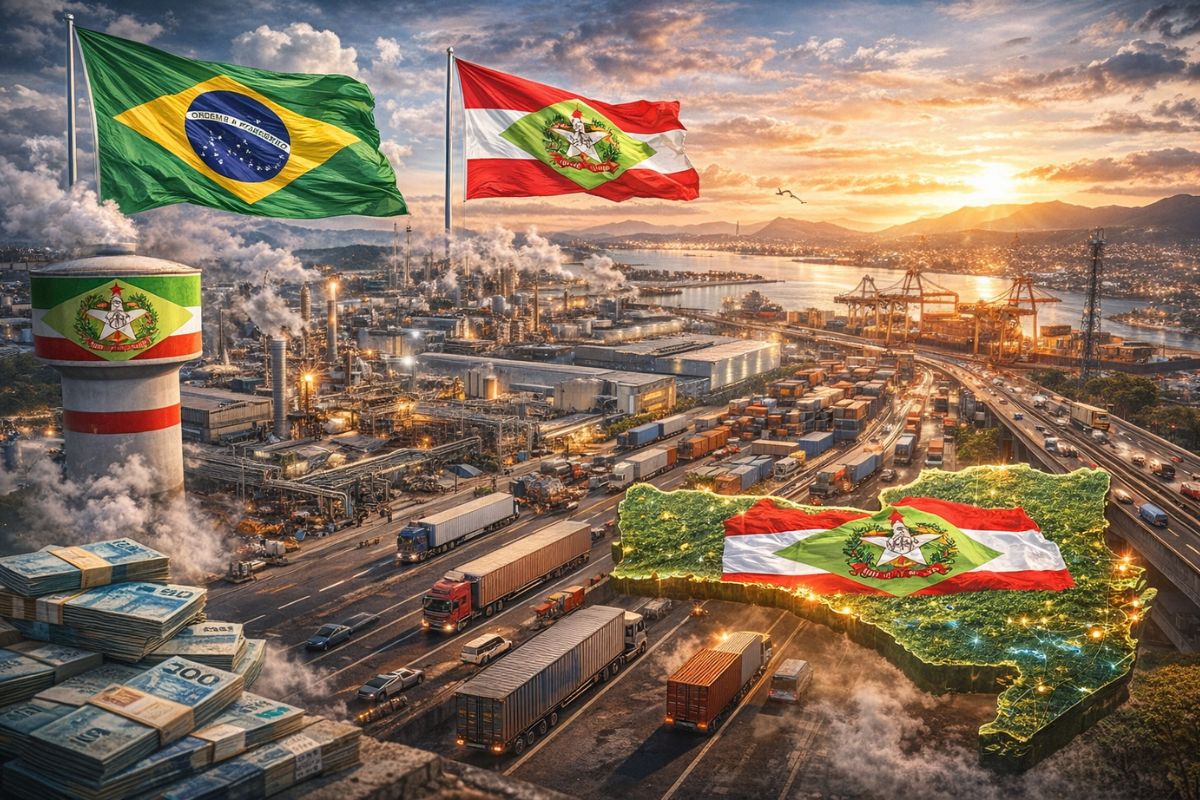
With only 1% of Brazil’s territory, Santa Catarina has built one of the most competitive industrial parks in the country, with 64,000 companies, nearly 1 million jobs, and a growth rate of 5.3% while the national industry is practically stagnant.

Despite significant advancements, the study reveals that there is room for expansion, especially given the country’s favorable natural conditions, such as water quality and availability of areas for cultivation.
The analysis also shows significant differences between European and North American consumption patterns, as well as identifying market trends and logistical and tariff challenges.
Global Expansion of Aquaculture and Its Impact on Tilapia Production in Brazil
Between 2013 and 2023, global tilapia production increased by 43%, rising from 4.75 million to 6.78 million tons, according to FAO data.
China leads with 27% of global production, equivalent to 1.8 million tons.
Following are Indonesia, with 1.4 million tons (21%), and Egypt, with 960 thousand tons (14%). Brazil occupies the fourth position, with 440 thousand tons, which represents 7% of global production.
In ten years, Brazil’s growth has been impressive: in 2013, production was 170 thousand tons, and in 2023, it reached a new level with a positive variation of 161%.
The country jumped from eighth to fourth place in the global ranking, an advance that reinforces the competitive potential of tilapia production in Brazil.
This trajectory is directly linked to investments in sustainable management and the appreciation of Brazilian aquaculture, which stands out for offering products with traceability and recognized quality abroad.
North American Market and the Potential of Brazilian Frozen Tilapia Fillet
In the United States, the per capita consumption of tilapia reaches 460 grams per year, demonstrating the species’ popularity among consumers.
Since the 1990s, the fish has gained space on American shelves, becoming one of the most consumed aquatic proteins in the country.
In 2024, tilapia was the second most imported fish species by the U.S., totaling 185.5 thousand tons, equivalent to 13% of total imports, according to the United States Department of Agriculture (USDA).
In value, imports amounted to over US$ 740 million, corresponding to 6% of total financials. Salmon led with US$ 5.76 billion (50%), followed by tuna, with US$ 860 million (7%).
Between 2014 and 2024, the import volume of tilapia fell from 232,290 to 185,522 tons, a 20% reduction, but Brazil played a significant role: in 2024, it was the fourth largest tilapia exporter to the U.S., accounting for 7% of value and 5% of import weight, not being among the top ten in 2014.
According to researcher Manoel Pedroza from Embrapa Fish and Aquaculture, there is room to grow in frozen tilapia exports, a segment with higher demand volume.
Although the so-called “tariff” imposed by Donald Trump’s government reduced Brazilian exports by 32% in August 2024, the decline was less than expected, showing the sector’s resilience.
In addition to frozen tilapia, the premium niches and differentiated products, such as special cuts, breaded items, and ready-to-eat packaging, represent additional opportunities for the North American market.
Opportunities in the European Market and Differentiation of Brazilian Tilapia
In Europe, the average tilapia consumption is 39 grams per capita per year, especially in Belgium, where the average reaches 147 grams.
Although consumption is still limited to ethnic niches, such as Latin American, Arab, and African communities, the continent presents expansion potential, especially given the rising prices of Chinese tilapia, caused by increased feed and transport costs.
In 2024, tilapia was the sixth most imported species in the white fish category, with 36.6 thousand tons, out of a total of 1.4 million tons of imports in the continent.
This volume accounts for 11% of Alaskan pollock imports (323.3 thousand tons) and 47% of pangasius imports (77 thousand tons).
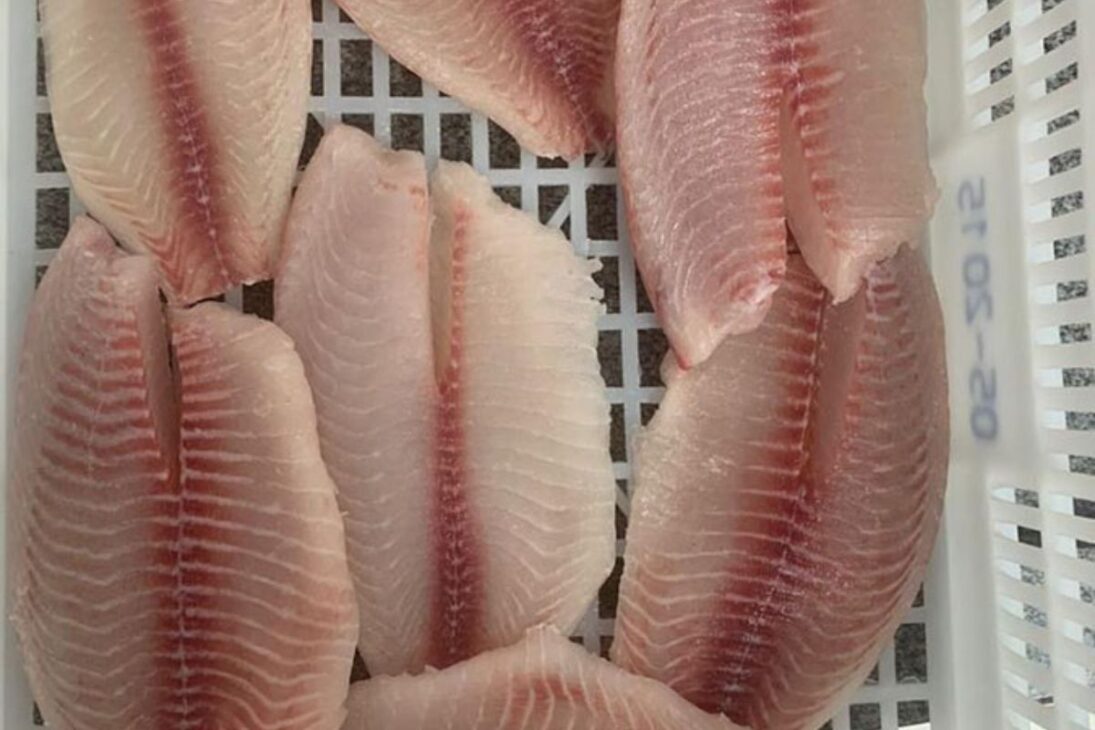
According to Eumofa (European Market Observatory for Fisheries and Aquaculture Products), European tilapia imports have remained stable over the past ten years, averaging 35 thousand tons annually, with a 13.5% increase in value and 2.4% in volume between 2014 and 2024.
Brazil’s tilapia production has a competitive advantage to meet this demand.
Embrapa highlights that national exporters can take advantage of the good reputation of Brazilian fresh fillets and the wide availability of international flights, essential for transporting fresh products, in addition to investing in differentiation and promotion strategies.
The opening of new markets and the appreciation of products with international certification can consolidate Brazilian presence in the European market as well.
Sustainability, Innovation, and Logistical Challenges in Brazilian Aquaculture
With rising global demand, strengthening sustainable aquaculture has become a priority.
The project “Strengthening Brazilian Aquaculture Exports,” coordinated by Embrapa Fish and Aquaculture and funded by parliamentary amendments numbered 45000016 and 31760007, in partnership with the Brazilian Aquaculture Association (Peixe BR), aims to create the technical and commercial conditions to expand the export of national tilapia.
According to the study, the challenges faced by Brazilian producers include everything from rising tariffs to logistics and certification issues.
The transportation of fresh products requires agile processes, traceability, and adequate refrigerated structures.
Moreover, cost reduction is essential to enhance competitiveness, especially against Chinese tilapia and other white meat species, such as pangasius, Alaskan pollock, and Nile perch.
On the other hand, consumer trends, such as the demand for traceable, healthy, and sustainable foods, open up opportunities for the growth of tilapia production in Brazil in demanding markets.
The adoption of clean technologies and investment in product quality enhance the positive image of Brazilian fish, consolidating the country as a reference in innovation in aquaculture.








I must say this article is extremely well written, insightful, and packed with valuable knowledge that shows the author’s deep expertise on the subject, and I truly appreciate the time and effort that has gone into creating such high-quality content because it is not only helpful but also inspiring for readers like me who are always looking for trustworthy resources online. Keep up the good work and write more. i am a follower.
thanks