





 Português
  Inglês
  Espanhol
 4 min de leitura
  0 comentários


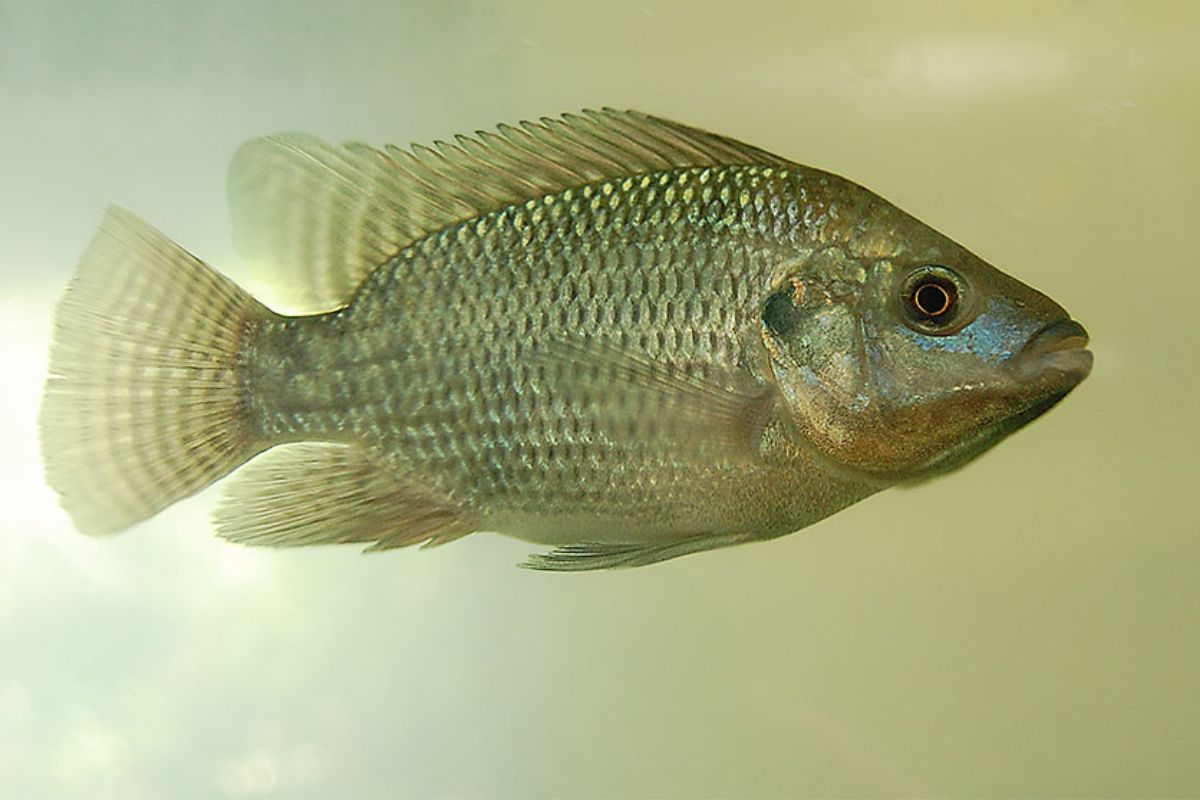
The Biofloc System Is Revolutionizing Sustainable Tilapia Production, Reducing Water Use, Utilizing Nutrients, and Strengthening Fish Farming in Brazil
Sustainable tilapia production is becoming one of the main bets for the future of Brazilian aquaculture, according to a report published.
Among the innovations transforming this scenario, the biofloc system, known as BFT (Biofloc Technology), stands out for combining productive efficiency and environmental responsibility.
Research coordinated by Embrapa Meio Ambiente, in partnership with Itaipu Binacional, shows impressive results from this technology: while traditional systems can consume thousands of liters of water per kilogram of fish produced, BFT uses only 135 liters.
-
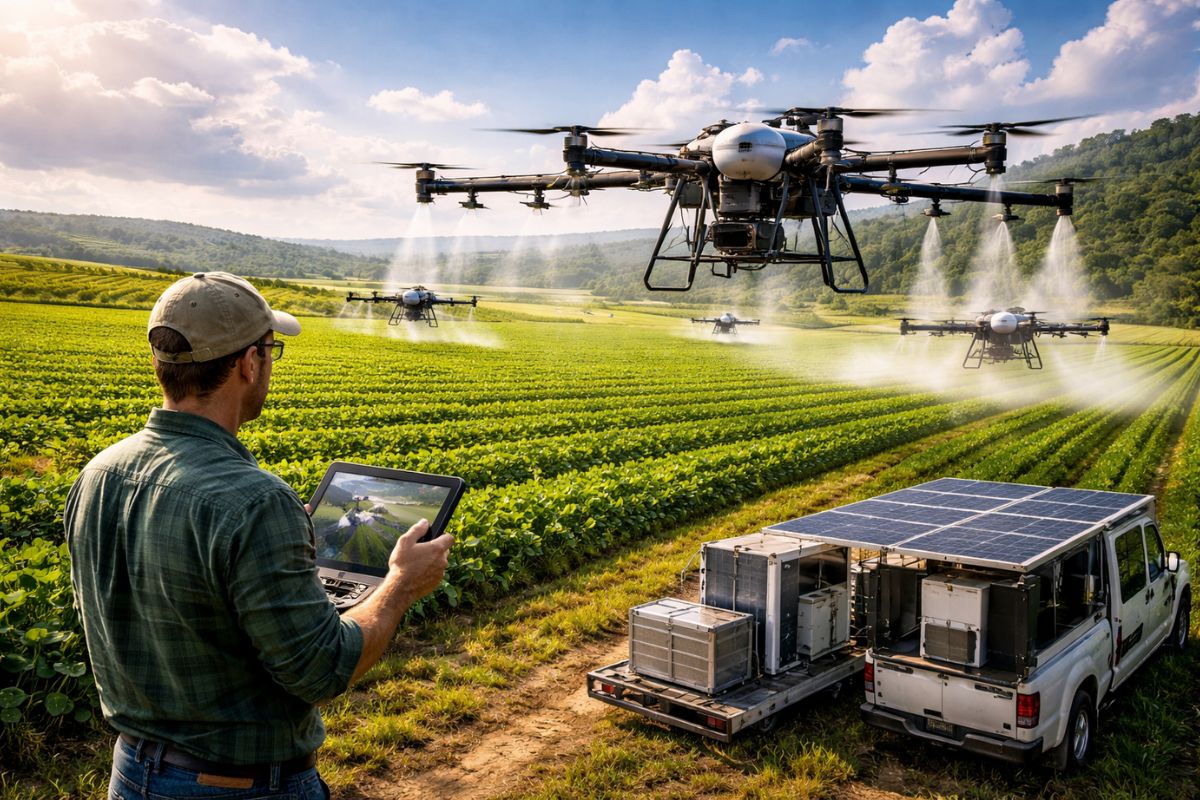
Alone, the producer applies 7,400 hectares with the T100 drone in an optimized structure, replaces the generator with a silent battery, and demonstrates how technology reduces costs, increases productivity, and even challenges the uniport in the field.
-
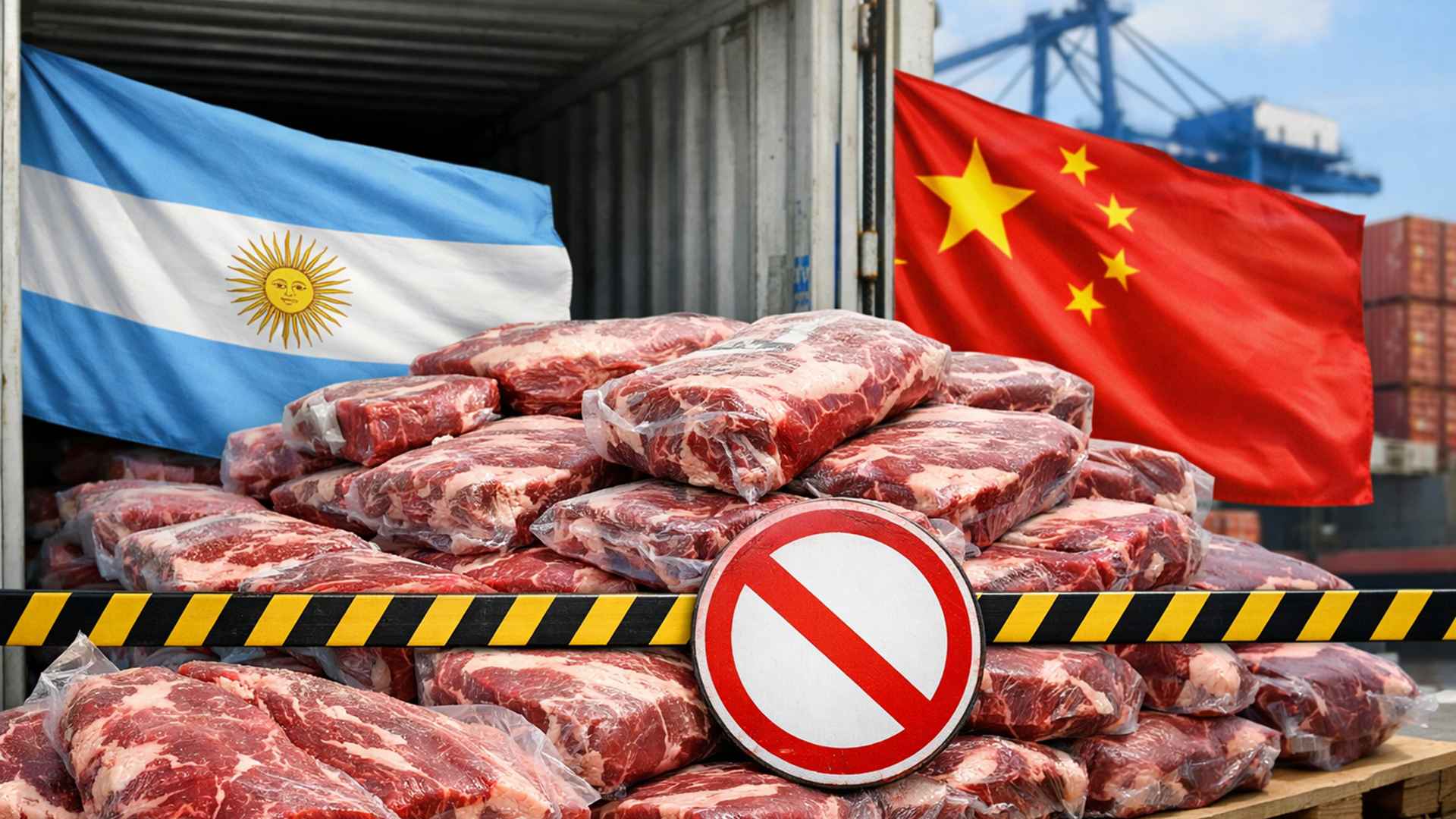
China banned the export of 22 tons of meat from Argentina.
-
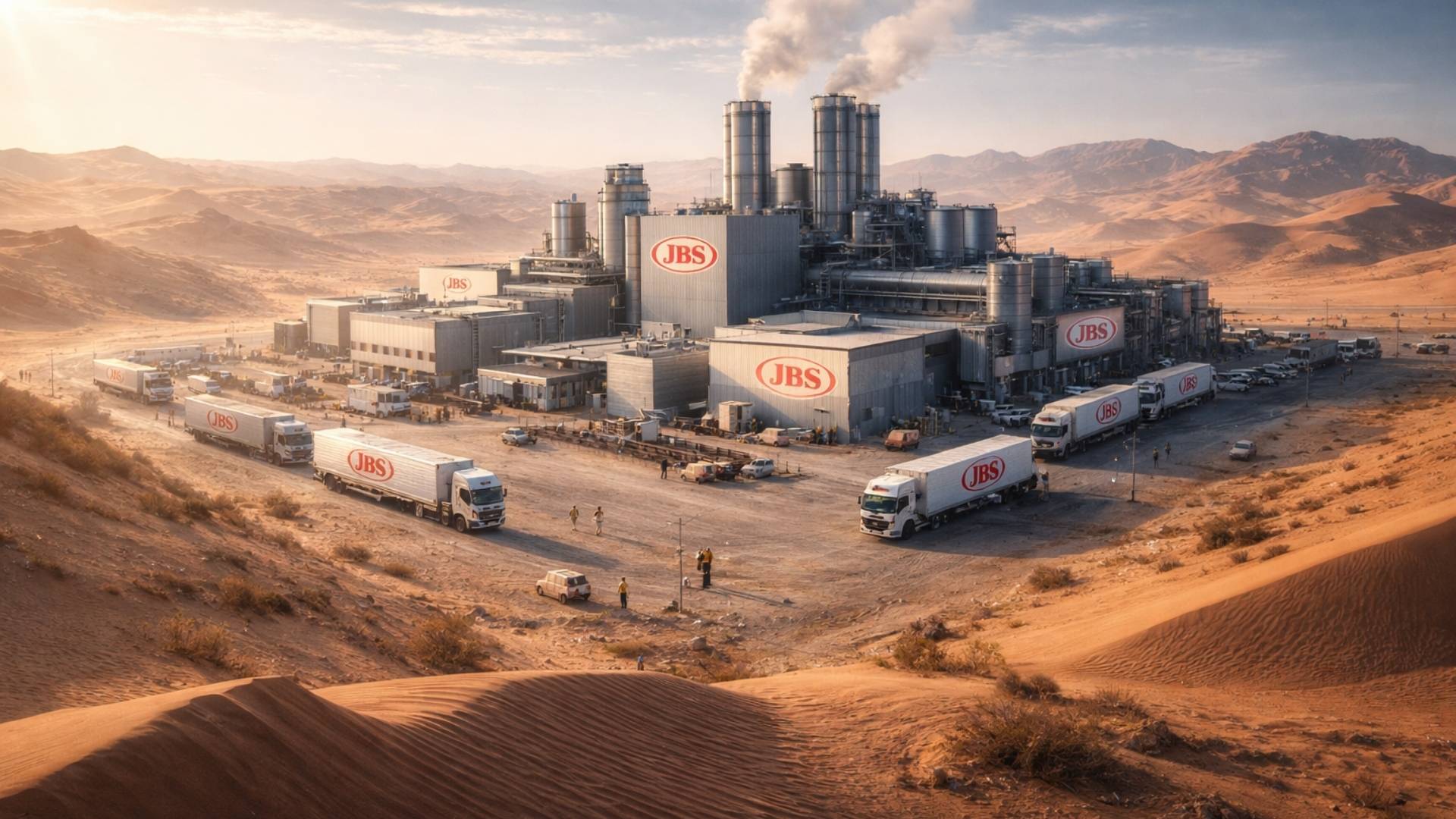
JBS, founded by the Batista brothers, continues to conquer the world: entrepreneurs built a ‘factory in the desert’ creating 3,000 jobs.
-
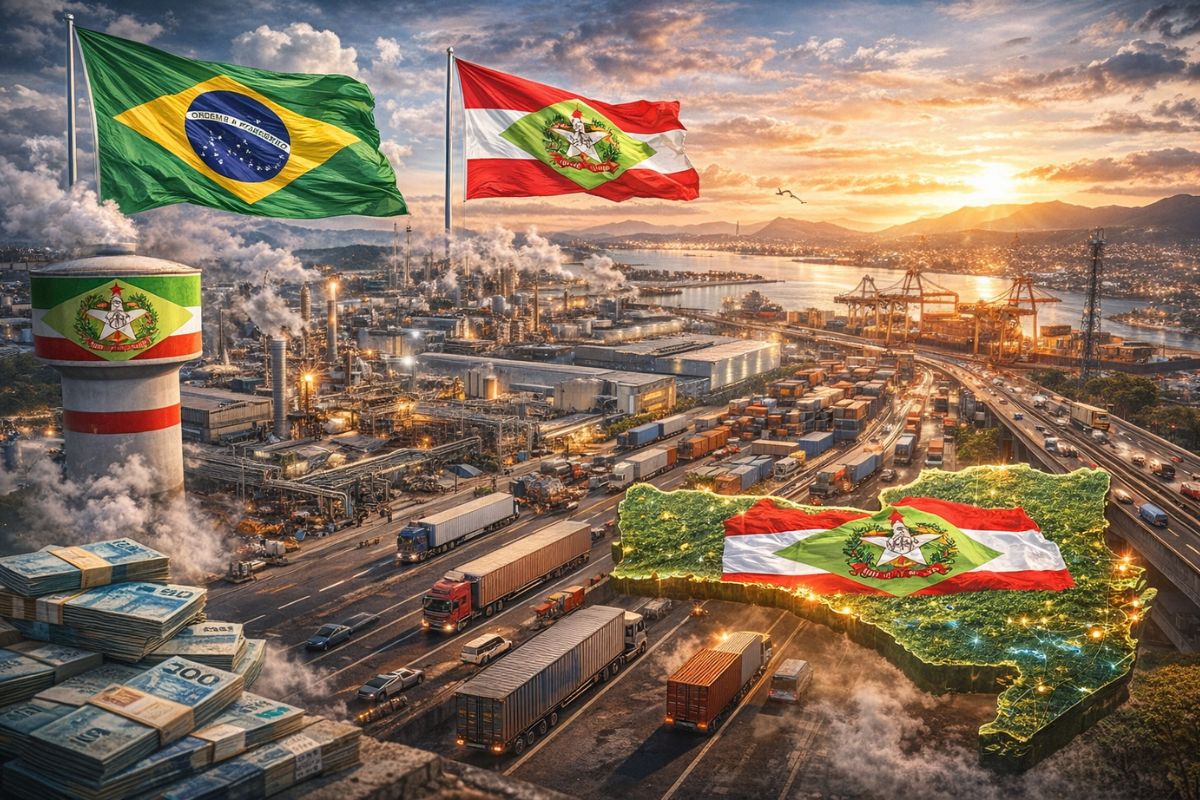
With only 1% of Brazil’s territory, Santa Catarina has built one of the most competitive industrial parks in the country, with 64,000 companies, nearly 1 million jobs, and a growth rate of 5.3% while the national industry is practically stagnant.
Additionally, it retains about 46% of the phosphorus and 45% of the nitrogen from the feed within the biomass, reducing pollution risk and promoting the rational use of water resources.
This efficiency makes the sustainable tilapia production method a real alternative for regions with water scarcity and for producers seeking greater autonomy and sustainability in farming.
Intensive Biofloc Tilapia System Guarantees Efficiency and High Productive Performance
During the experiment conducted in Foz do Iguaçu (PR), the biofloc system was tested in 4.2 m³ circular tanks, where each unit maintained approximately 5,000 tilapia fry, at a density of 395 fish per cubic meter.
After 70 days of cultivation, the results were impressive: survival rate of 98%, final average weight of 20.4 grams, and feed conversion of only 1.05, meaning every 1.05 kg of feed resulted in 1 kg of fish.
These figures reflect the biological balance of BFT, favoring the consumption of microbial floc as a natural nutritional supplement, rich in protein and probiotic bacteria.
Continuous monitoring of temperature, oxygen, and suspended solids ensured the success of the process. The carbon:nitrogen ratio was maintained at 12:1, with the addition of sugar to promote the growth of beneficial bacteria.
This dynamic prevents the development of algae and keeps the water in ideal conditions, reducing management costs and increasing animal welfare.
Thus, the intensive system demonstrates that sustainable tilapia production can achieve high levels of productivity even in restricted spaces.
Biofloc Technology Efficient Aquaculture Production Reduces Environmental Impact and Water Use
The studies by Embrapa showed that BFT drastically reduces pollution potential compared to conventional systems.
For every ton of tilapia produced, the average residual load was 10.24 kg of phosphorus, 46.63 kg of nitrogen, and 442.47 kg of carbon. In net tanks, these values can reach 18.25 kg, 77.5 kg, and 700 kg, respectively.
This difference proves the efficiency of sustainable tilapia production, which retains nutrients and avoids excessive disposal into aquatic ecosystems.
In addition to water savings, BFT offers greater biosafety, as it is a closed, controlled system with minimal escape risk of species.
The impact on biodiversity was classified as moderate (level 4), lower than that observed in open systems.
This type of control favors the use of biofloc in urban, peri-urban, and even semi-arid regions, where water availability is limited.
The integration of science, energy, and sustainability places Brazil at the forefront of responsible aquaculture practices.
Sustainable Tilapia Production Strengthens Circular Economy
One of the system’s differentiators is the destination given to solid waste. The organic material removed from the tanks can be transformed into agricultural fertilizers or as ingredients for feed, adding value and strengthening the circular economy.
The research highlighted that this practice reduces waste and enhances resource utilization.
According to experts from Embrapa and Itaipu Binacional, the current challenge lies in the energy consumption of the system, estimated at 114.6 megajoules per kilogram of fish produced, due to the constant aeration requirement.
To overcome this limitation, investment in renewable sources and improvements in equipment efficiency are recommended.
During the International Fish Congress & Fish Expo Brazil (IFC Brazil 2025), producers and technicians closely monitored the practical results of the technology.
Producer Valério Angelozi reported that he intends to install an experimental unit on his property after observing that water reuse and proper management improve fish quality and reduce losses.
The system has proven applicable on a commercial scale and aligned with global market demands for food with low environmental impact.
The sustainable tilapia production supported by biofloc technology, therefore, represents a significant advancement for modern aquaculture.
Its ability to recycle nutrients, reduce water use, and generate reusable by-products reinforces the strategic role of science in the transition to more responsible and profitable production models.








Seja o primeiro a reagir!