





 Português
  Inglês
  Espanhol
  3 min de leitura
  0 comentários


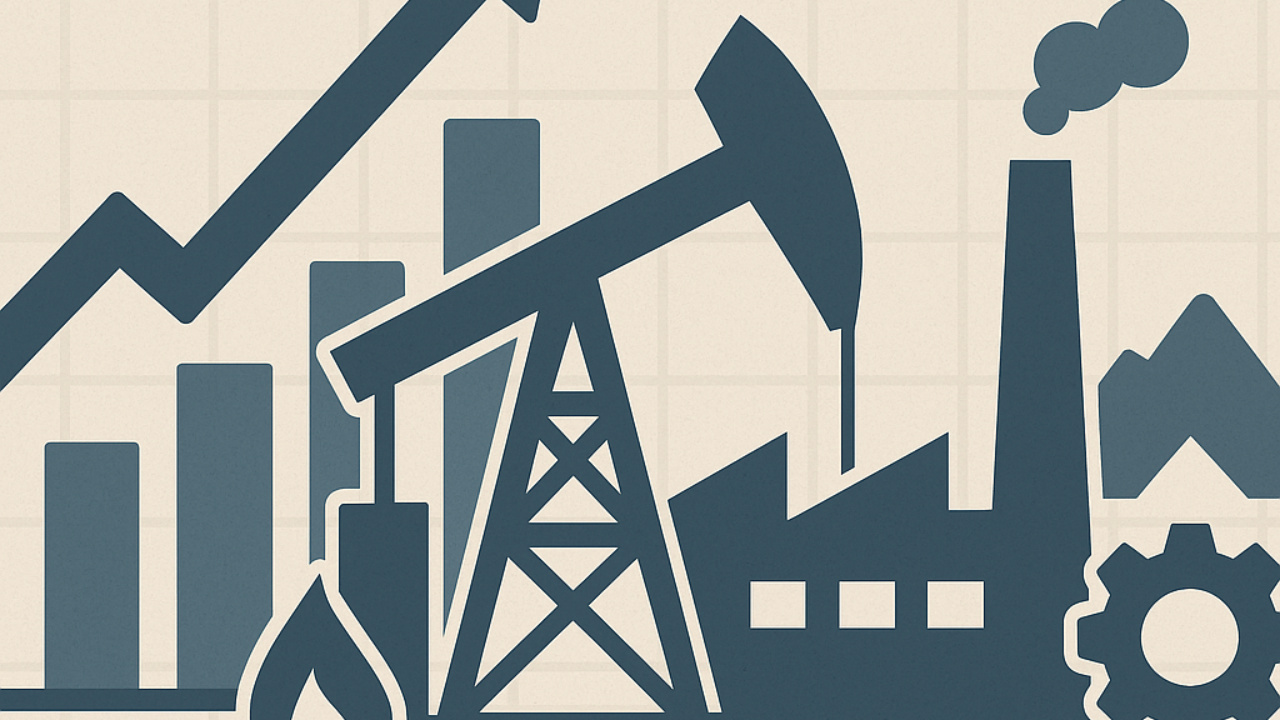
Industrial Production Reverses Decline and Rises 0.1% in October, Says IBGE. Oil, Ore, and Gas Drive Sector Recovery
Industrial production reverses decline and rises 0.1% in October, says IBGE, following a month marked by the resumption of oil, iron ore, and natural gas extraction.
The increase, reported on Tuesday (2) by the Brazilian Institute of Geography and Statistics (IBGE), occurs after a 0.4% contraction recorded in September.
The result, observed throughout the country, reflects how the industrial sector reacted to current economic conditions, still affected by high interest rates, but boosted by hotter extractive segments.
-
Historic bankruptcy of Centauro shocks the market, and the century-old company puts more than 500,000 products, machines, and complete infrastructure up for online auction.

-
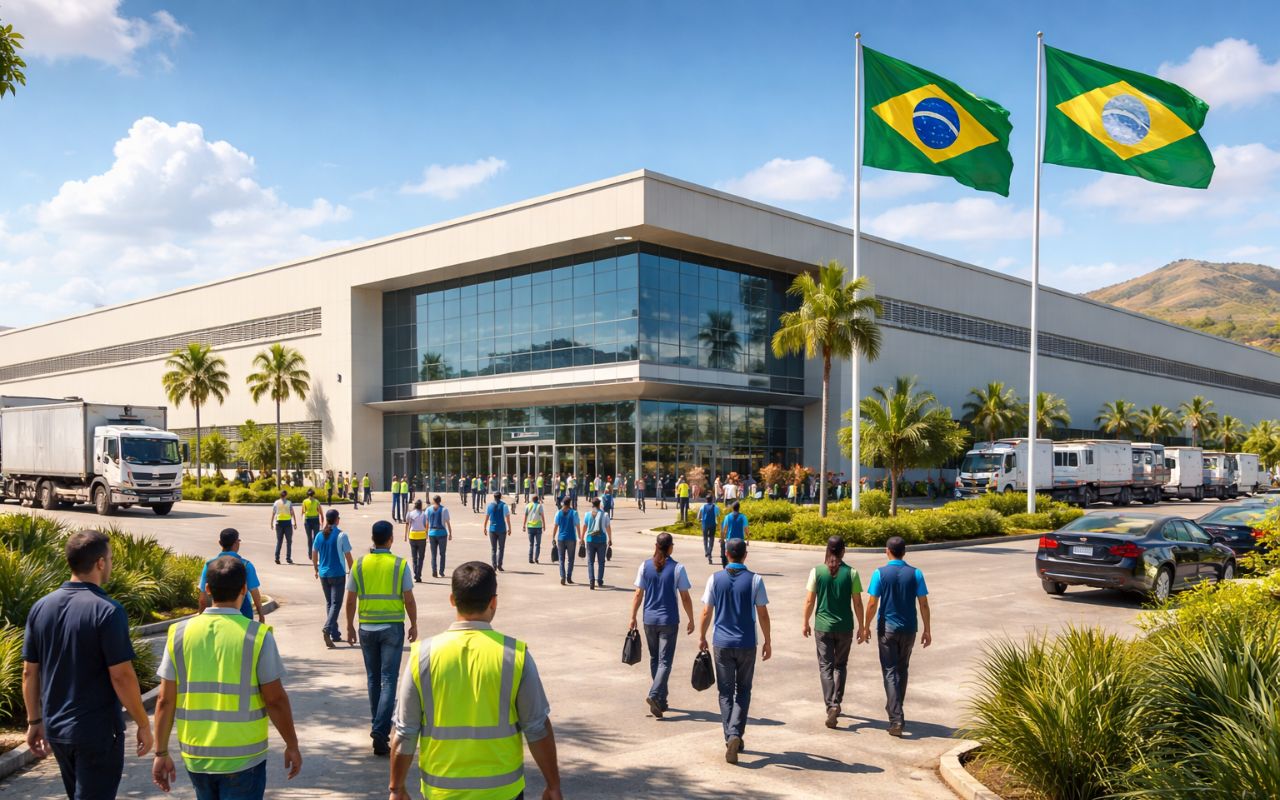
New shoe factory in Ceará is expected to create 400 jobs and strengthen the local economy.
-
No one imagined it, but a mixture of sawdust with a mineral that fights fires surprises scientists with a result that changes the course of fire-resistant construction.

-
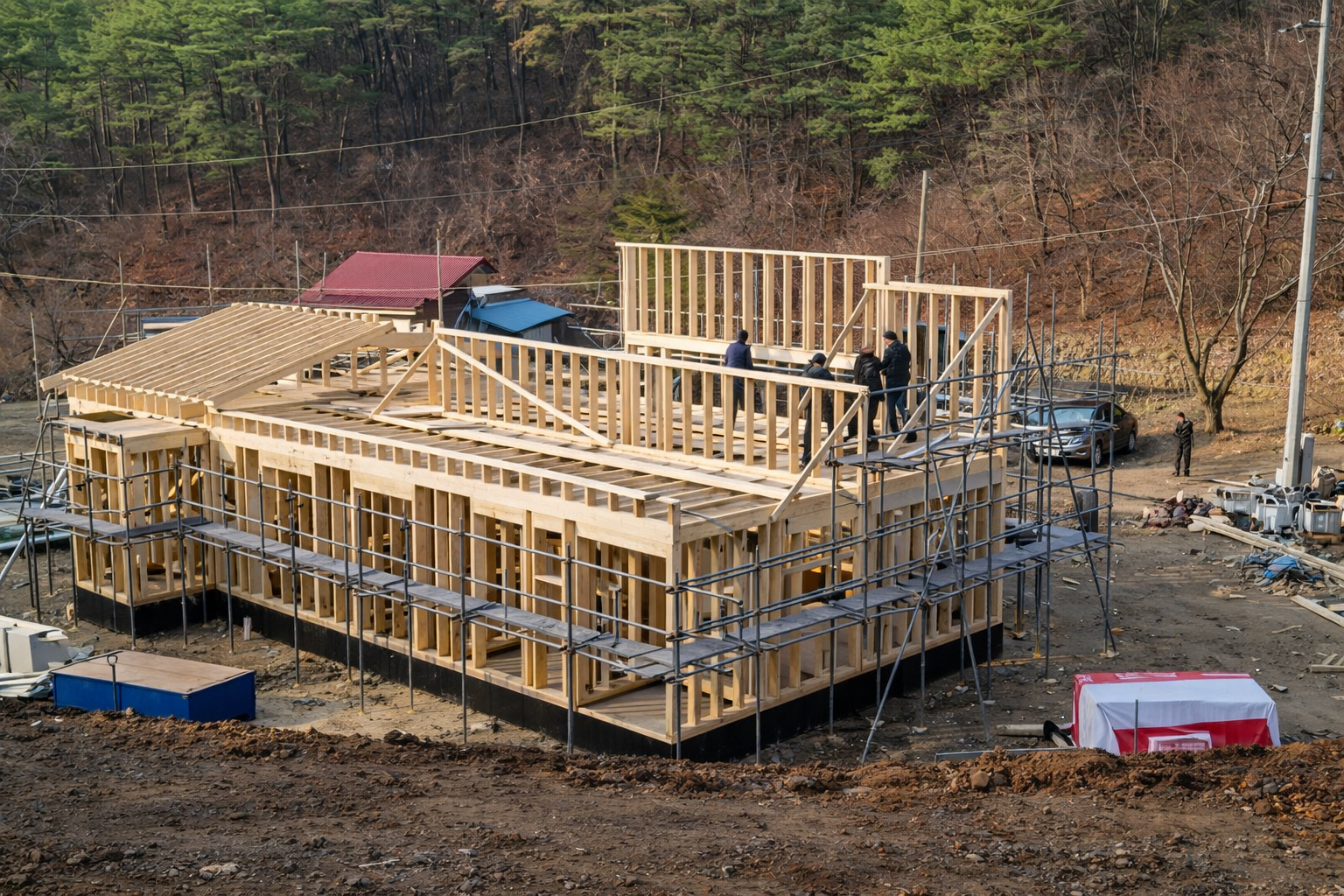
From empty land to a high-end house, wooden construction uses a lightweight system, metal structure for the foundation, ventilated ceramic cladding, and special windows to create an efficient and comfortable living space throughout the year.

According to IBGE, the industry has accumulated a 0.9% growth over the last 12 months, although at a slower pace than observed throughout 2024.
Nevertheless, the performance places the sector 2.4% above the pre-pandemic level and reinforces a gradual recovery, even in the face of structural challenges.
Industry Shows Deceleration but Maintains Recovery for the Year
The positive variation recorded in October indicates a stabilization movement.
Despite this, the annual total shows deceleration: it is the lowest advance since March 2024, when the rate had dropped to 0.7%.
In March 2025, the indicator reached 3.1%, demonstrating a more robust sector at that time.
In comparison with October 2024, however, the industry declined by 0.5%. The quarterly moving average reveals a slight increase of 0.1%, confirming the moderate pace of recovery.
Industrial Production Reverses Decline and Rises 0.1% in October, Says IBGE, Driven by Extractive Activities
Among the 25 segments analyzed, 12 recorded growth from September to October. The keyword also appears in this section as requested for SEO.
The positive highlights were:
Extractive Industries: +3.6%
Food Products: +0.9%
Motor Vehicles, Trailers, and Bodies: +2%
Chemical Products: +1.3%
Computer Equipment, Electronic, and Optical Products: +4.1%
Clothing and Accessories Manufacturing: +3.8%
The research manager, André Macedo, highlights that the extractive sector was crucial for the result.
“The increase was influenced by higher extraction of oil, iron ore, and natural gas,” he states.
Sectors That Declined and Pressured the Final Result
Despite the overall advance, important segments showed retraction, especially those more sensitive to external shocks and high production costs:
Pharmaceuticals and Pharmaceutical Products: -10.8%
Coke, Oil Derivatives, and Biofuels: -3.9%
Printing and Reproduction of Recordings: -28.6%
Tobacco Products: -19.5%
These declines mitigated the positive impact of extractive activities and contributed to the modest result for the month.
High Interest Rates Remain the Main Obstacle for the Industry
According to Macedo, the restrictive monetary policy is one of the biggest hurdles to the sector’s advancement.
“It ends up preventing a greater advance, not only of the industrial sector but of the economy as a whole, since it impacts credit provision,” he explains.
The Selic rate is at 15% per year, the highest level since 2006, which reduces investments, raises financing costs, and cools demand for durable goods.
The inflation accumulated over 12 months, at 4.68%, remains above the ceiling of the target since September 2024.
However, Macedo notes that the labor market has shown improvement, with higher income and unemployment at historically low levels, which helps sustain part of consumption.
Effect of American Tariff Hits Specific Segments
Another point that influenced the industrial production which reverses decline and rises 0.1% in October, says IBGE, was the so-called tariff imposed by the United States in August.
According to Macedo, sectors such as wood, footwear, non-metallic minerals, and machinery and equipment reported direct impacts.
“Wood is the segment where this issue is most evident,” he states.
The researcher remembers, however, that entrepreneurs are not required to justify production declines to IBGE. Thus, other segments may have been affected but did not report.
Despite this, Macedo emphasizes that high interest rates have a much greater weight on industrial deceleration than the American tariff.
Trade Negotiations Continue Between Brazil and the USA
The American government had announced tariffs of up to 50% on Brazilian products, citing political reasons.
On the 20th of last month, Donald Trump partially backed down and removed additional surcharges of 40% on meats and coffee.
Nonetheless, 22% of Brazilian exports to the USA remain subject to tariffs, according to estimates from Vice President Geraldo Alckmin.









Seja o primeiro a reagir!