





 Português
  Inglês
  Espanhol
  3 min de leitura
  0 comentários


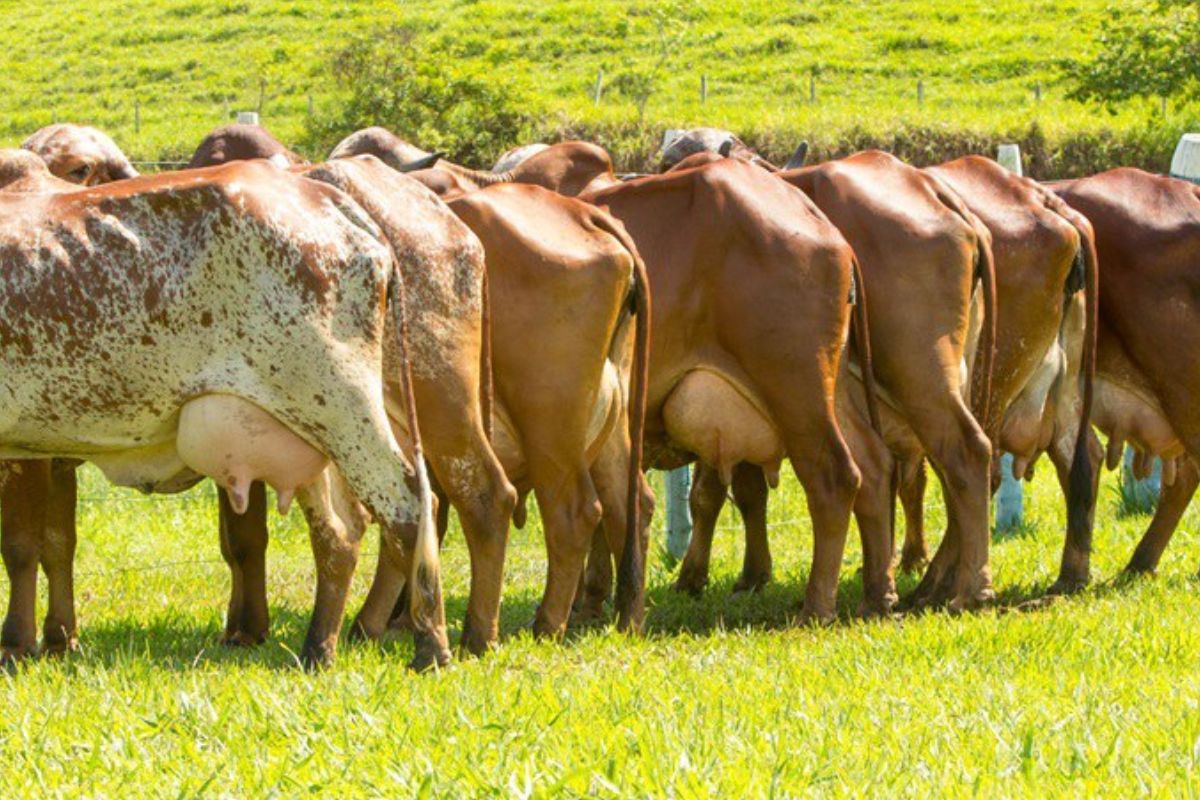
The Ministry of Agricultural Development Creates Working Group to Propose Measures That Make Milk Production in Brazil More Sustainable, Focusing on Cooperatives and Accessible Rural Credit
The milk production in Brazil is one of the bases of family farming, involving thousands of small producers in all regions of the country, according to a report published.
However, market fluctuations, high costs, and loss of competitiveness have put the income and permanence of many families in the countryside at risk.
In order to face these challenges, the Ministry of Agricultural Development and Family Farming (MDA) established, on October 22, the Working Group of the Milk Supply Chain of Family Farming (GT-Milk), through Ordinance No. 55.
-
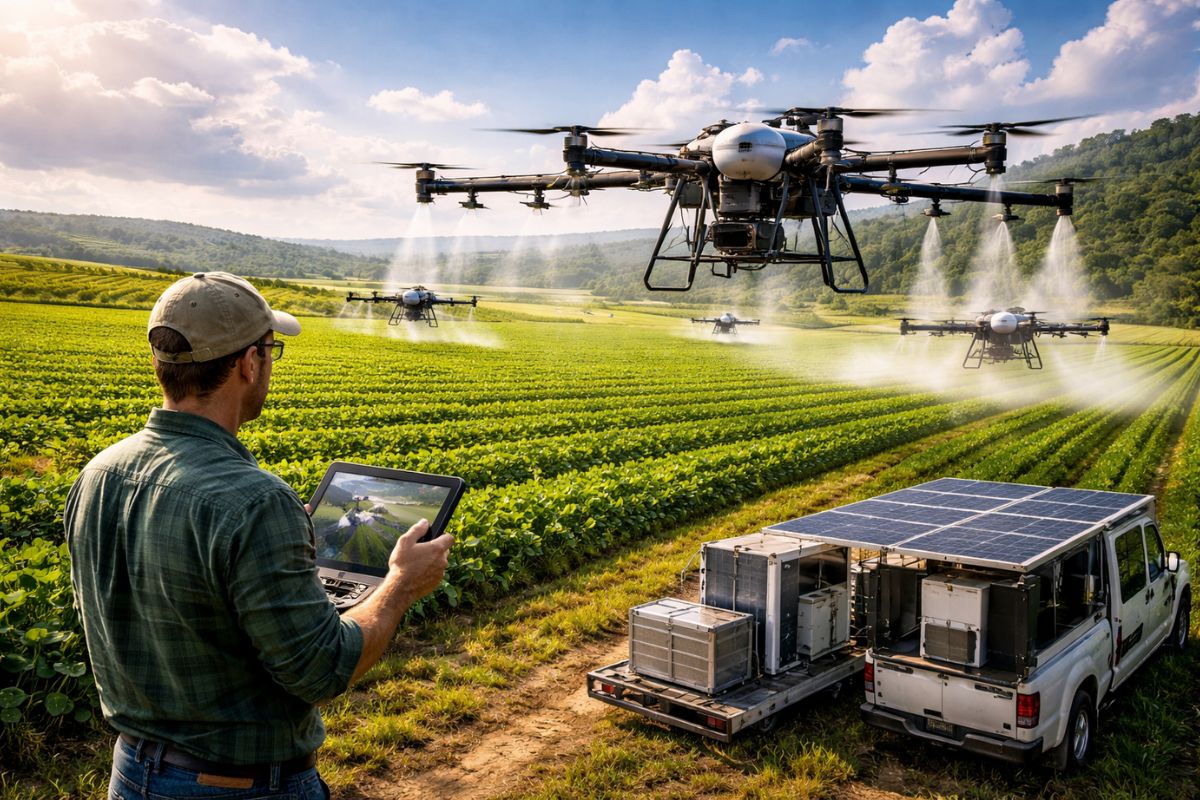
Alone, the producer applies 7,400 hectares with the T100 drone in an optimized structure, replaces the generator with a silent battery, and demonstrates how technology reduces costs, increases productivity, and even challenges the uniport in the field.
-
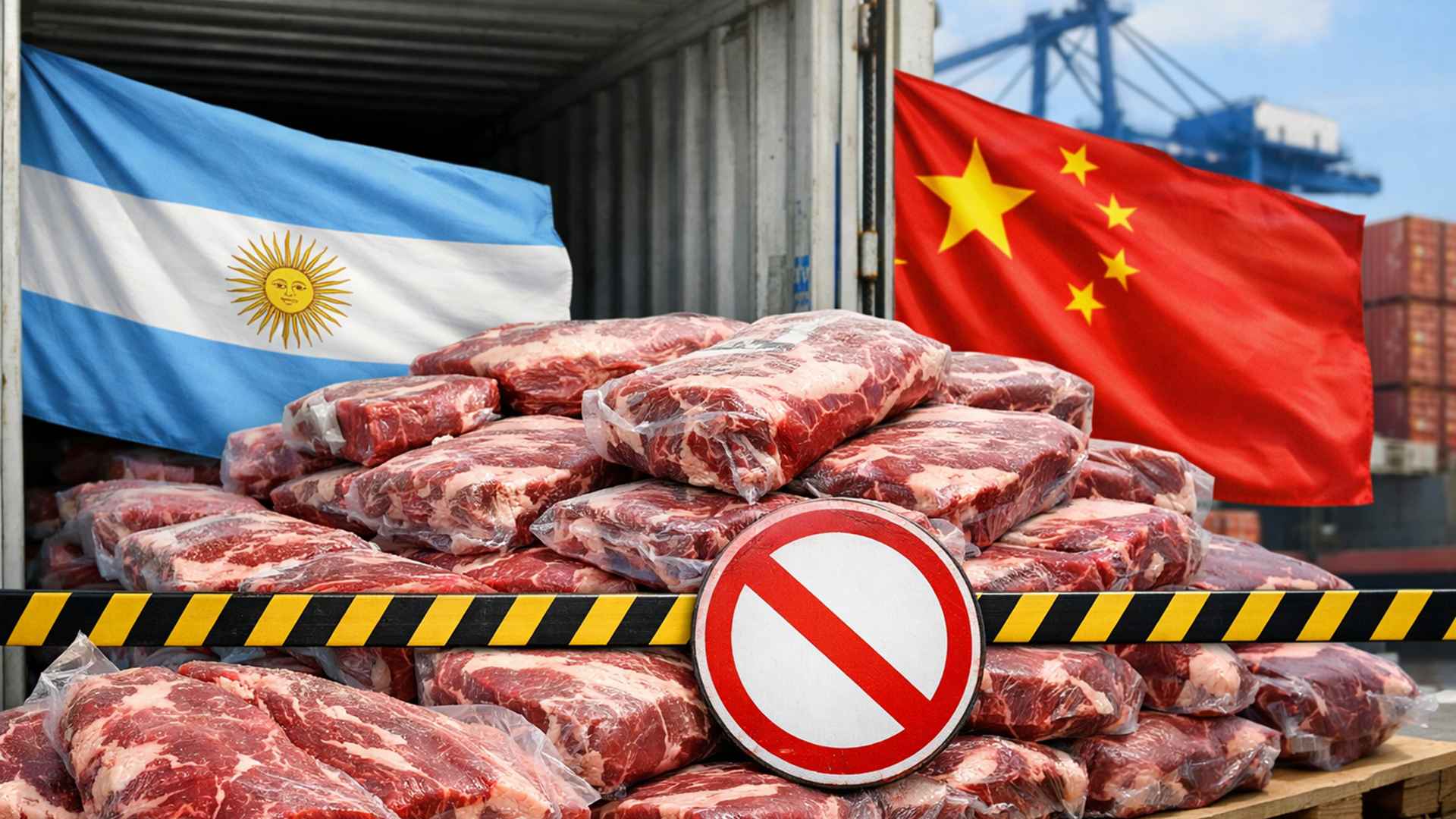
China banned the export of 22 tons of meat from Argentina.
-
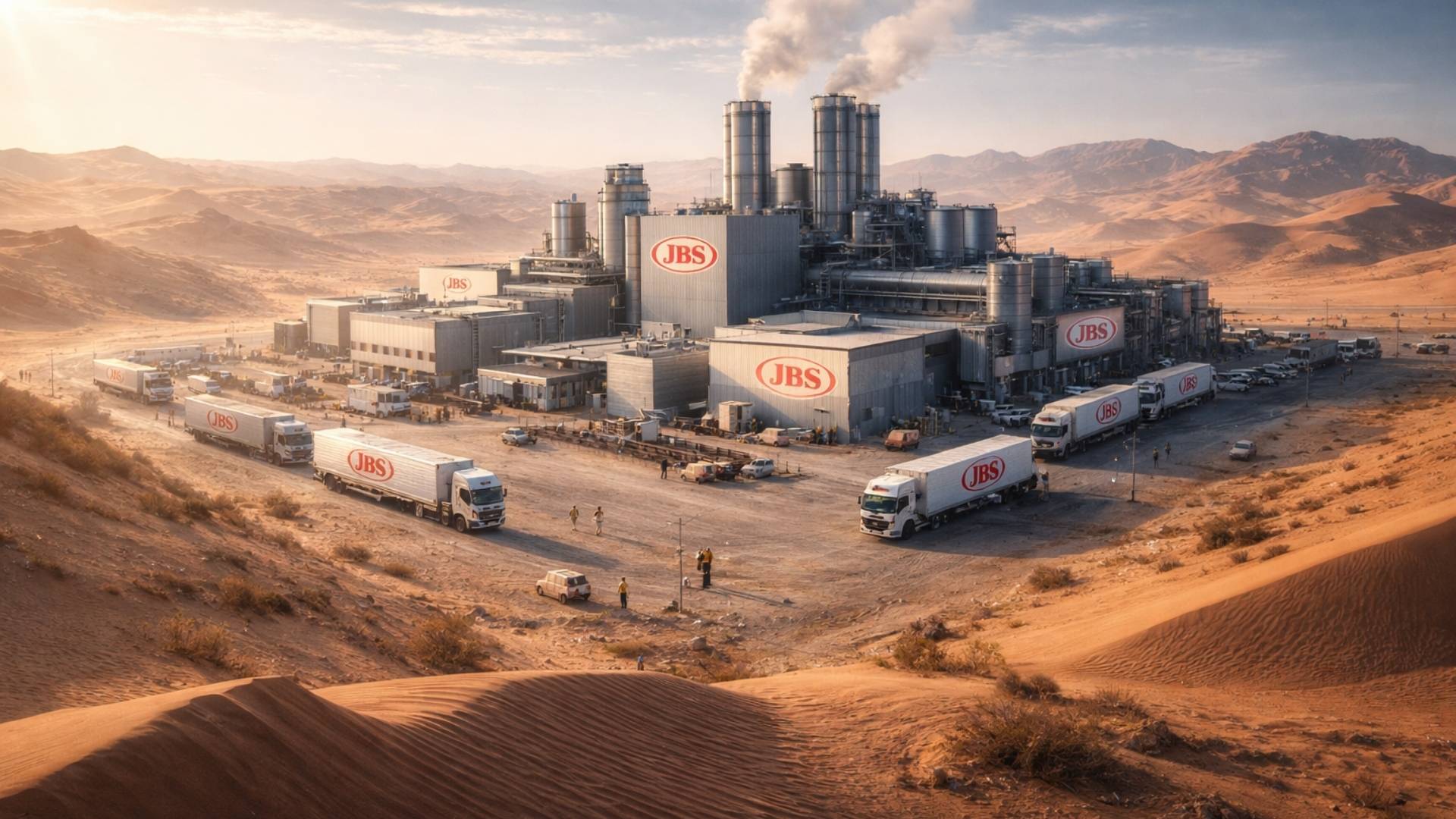
JBS, founded by the Batista brothers, continues to conquer the world: entrepreneurs built a ‘factory in the desert’ creating 3,000 jobs.
-
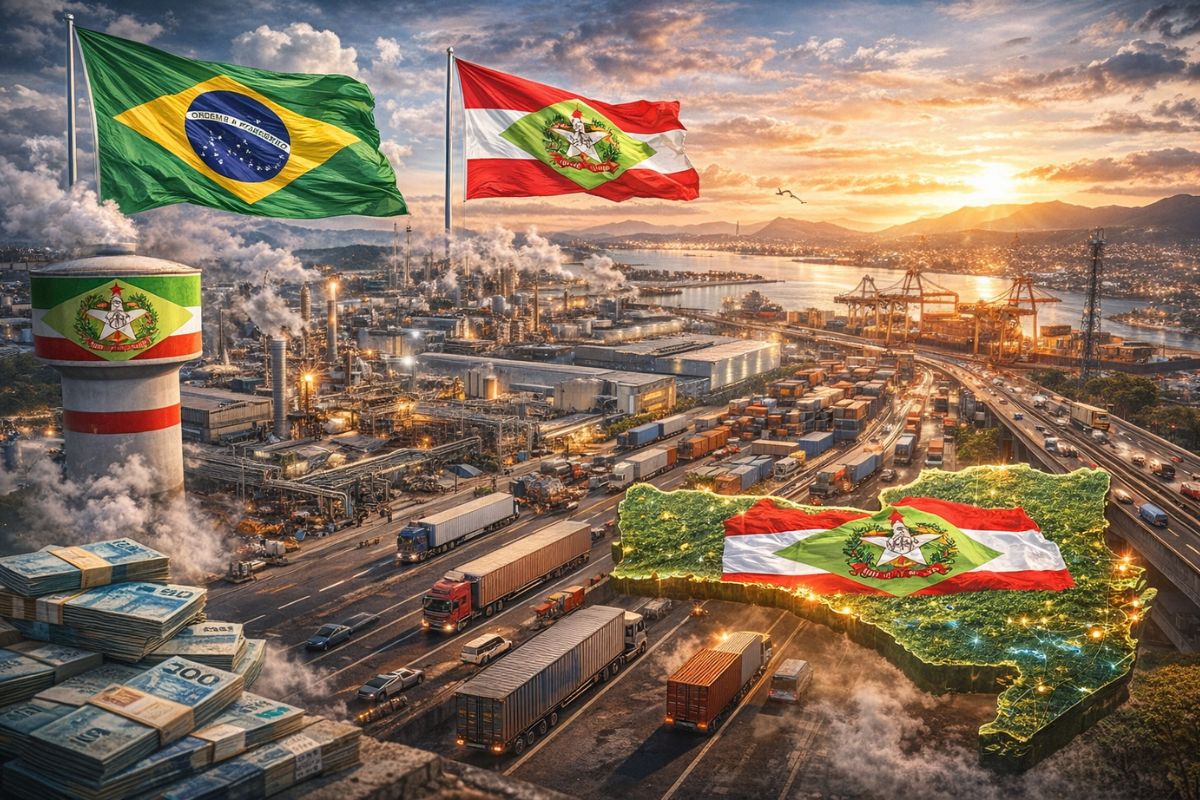
With only 1% of Brazil’s territory, Santa Catarina has built one of the most competitive industrial parks in the country, with 64,000 companies, nearly 1 million jobs, and a growth rate of 5.3% while the national industry is practically stagnant.

The group has the mission of proposing practical and structural solutions to ensure stability and sustainability for the milk production chain.
The collegiate, coordinated by the Secretariat of Family Agriculture and Agroecology (SAF), will also include representatives from the Secretariat of Supply, Cooperativism and Food Sovereignty (SEAB), the Executive Secretariat, the Special Advisory of the Minister’s Office, and the National Supply Company (Conab).
The joint work of these institutions demonstrates the strategic importance of milk as a pillar of food security and Brazilian rural development.
Sustainable Rural Credit as a Support Tool for Family Farming
One of the main focuses of GT-Milk will be to broaden access to sustainable rural credit, ensuring adequate financial conditions for small producers to face rising production costs.
According to the MDA, the initiative aims to create a stable environment that allows for the planning of activities and the <strongstrengthening of family properties.
The proposal is to offer specific lines of financing aimed at modernizing productive structures and reducing environmental impacts, consolidating a milk production in Brazil that is more efficient and responsible.
The working group has an initial deadline of 30 days, which can be extended for an equal period, to present a report with diagnostics and proposals to Minister Paulo Teixeira.
The measures should include incentives for local industrialization to actions that increase the value of the final product, enhancing the added value of milk and its derivatives in family farming.
Cooperativism and Productive Inclusion Strengthen the Milk Chain
The strengthening of cooperativism in family farming will be another essential work area of GT-Milk.
According to Secretary Vanderley Ziger, cooperatives play a central role in connecting producers, markets, and public policies, being fundamental to ensuring income and stability for farmers.
The group anticipates the direct involvement of representative entities, social movements, research institutions, and local governments, promoting a collective construction of solutions that respect regional diversity and the productive realities of the countryside.
With the participation of cooperatives and associations, it is expected to increase access to institutional markets and improve marketing channels, ensuring that milk production in Brazil maintains competitiveness and generates more opportunities for small producers.
Environmental Sustainability and Technological Innovation in the Field
The promotion of environmental sustainability and technological innovation in the field is part of the set of strategic goals of GT-Milk.
The measures include encouraging the use of clean technologies, improving milk quality, and providing technical training for producers.
The MDA plans to establish partnerships with educational and research institutions to implement good management practices, quality control, and waste reduction.
These actions aim to ensure a milk production in Brazil that is more modern, sustainable, and aligned with consumer market demands.
The expectation is that, with the integration of public policies, credit, cooperativism, and innovation, the new working group will contribute to strengthen the rural economy and enhance the essential role of milk-producing families throughout the country.









Seja o primeiro a reagir!