





 Português
  Inglês
  Espanhol
  4 min de leitura
  0 comentários


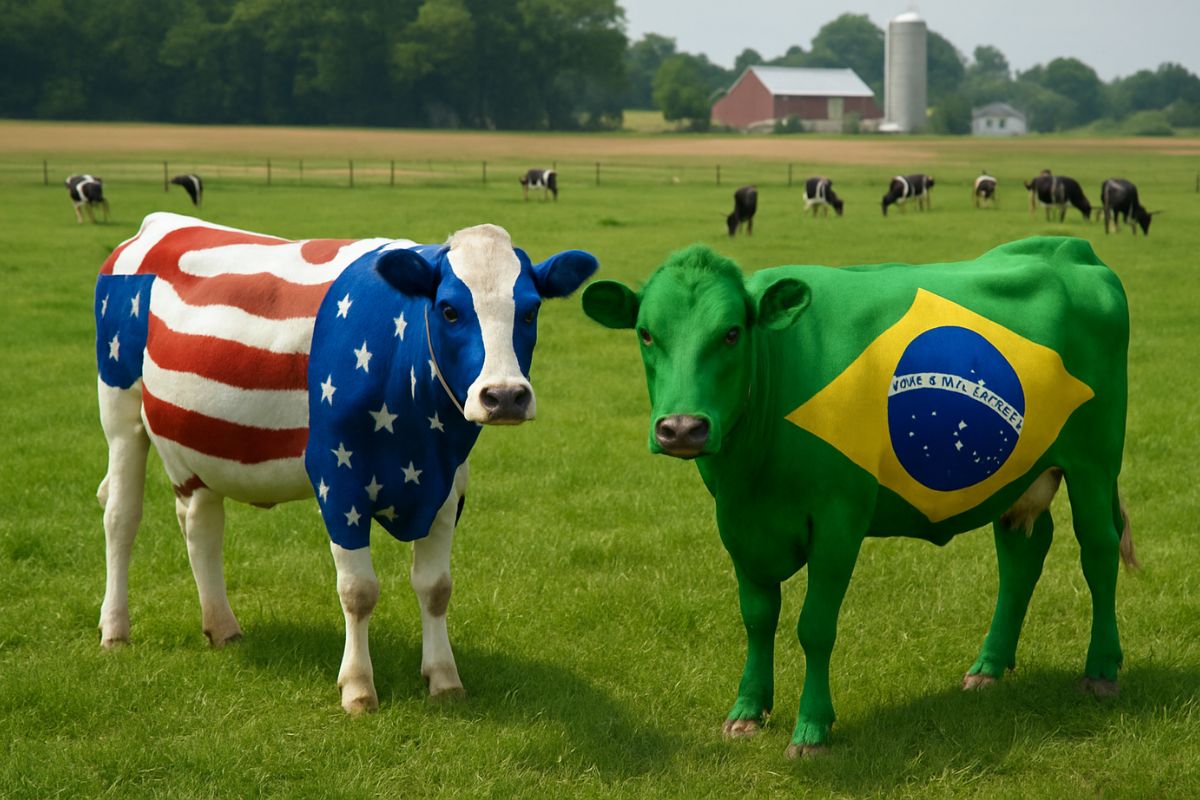
The High Specialization of Milk Production in the United States Impressed, But Would It Be Viable in Brazil? We Analyze the Challenges and Crucial Differences Between the Two Scenarios.
The milk production model in the United States, with its impressive specialization and standardization, often raises the question: would it work in Brazil? There, it is common for one producer to focus exclusively on milking, while another is dedicated to heifer rearing and a third to forage production, such as silage.
However, the direct application of this system in Brazilian soil faces a series of obstacles. Despite the theoretical potential, the reality of milk production in the United States contrasts with the instability, lack of contracts, and cultural and productive variations in Brazil, which make this specialization a significant challenge.
The American Model: Specialization and Standardization in Milk Production in the United States

In the United States, milk production often operates under a regime of high specialization. Each stage of the chain can be a distinct activity: one producer focuses solely on milking, another specializes in raising and rearing calves until they become pregnant heifers, and a third may dedicate themselves exclusively to producing feed for these animals, such as corn for silage. This division allows each to optimize their costs and efficiency in their respective areas.
-
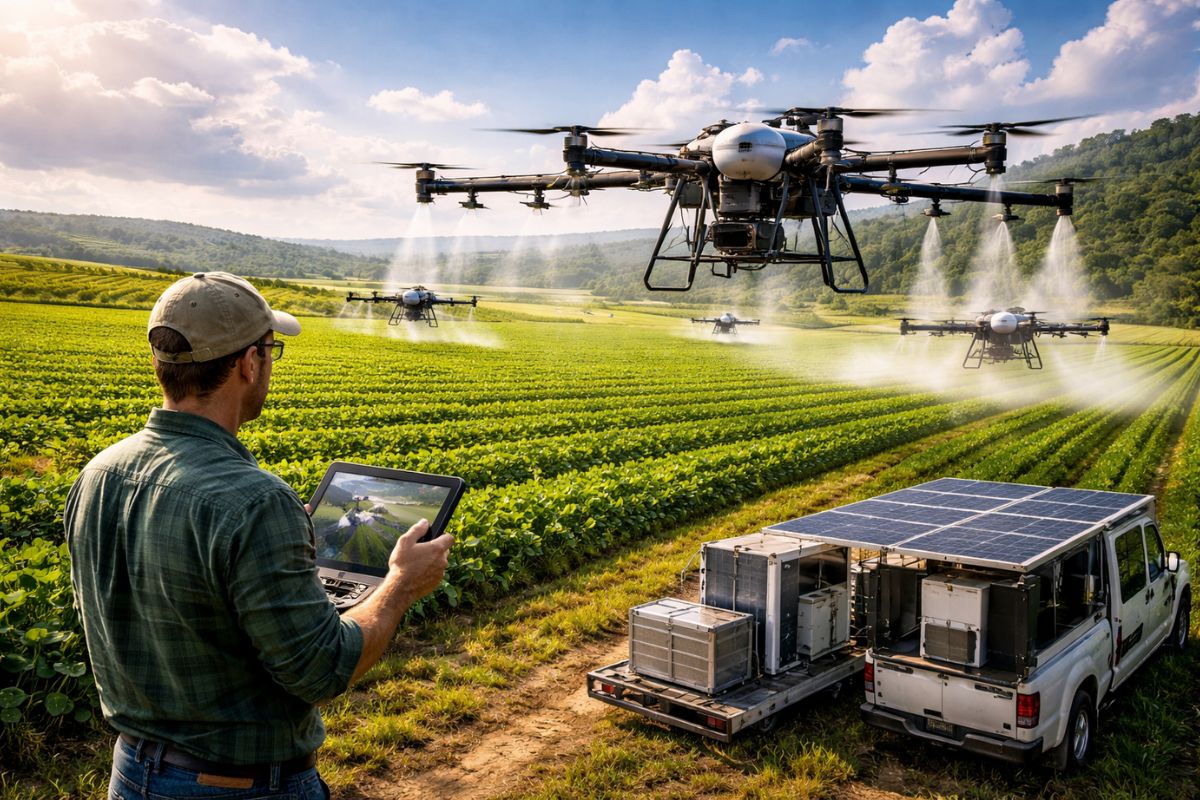
Alone, the producer applies 7,400 hectares with the T100 drone in an optimized structure, replaces the generator with a silent battery, and demonstrates how technology reduces costs, increases productivity, and even challenges the uniport in the field.
-
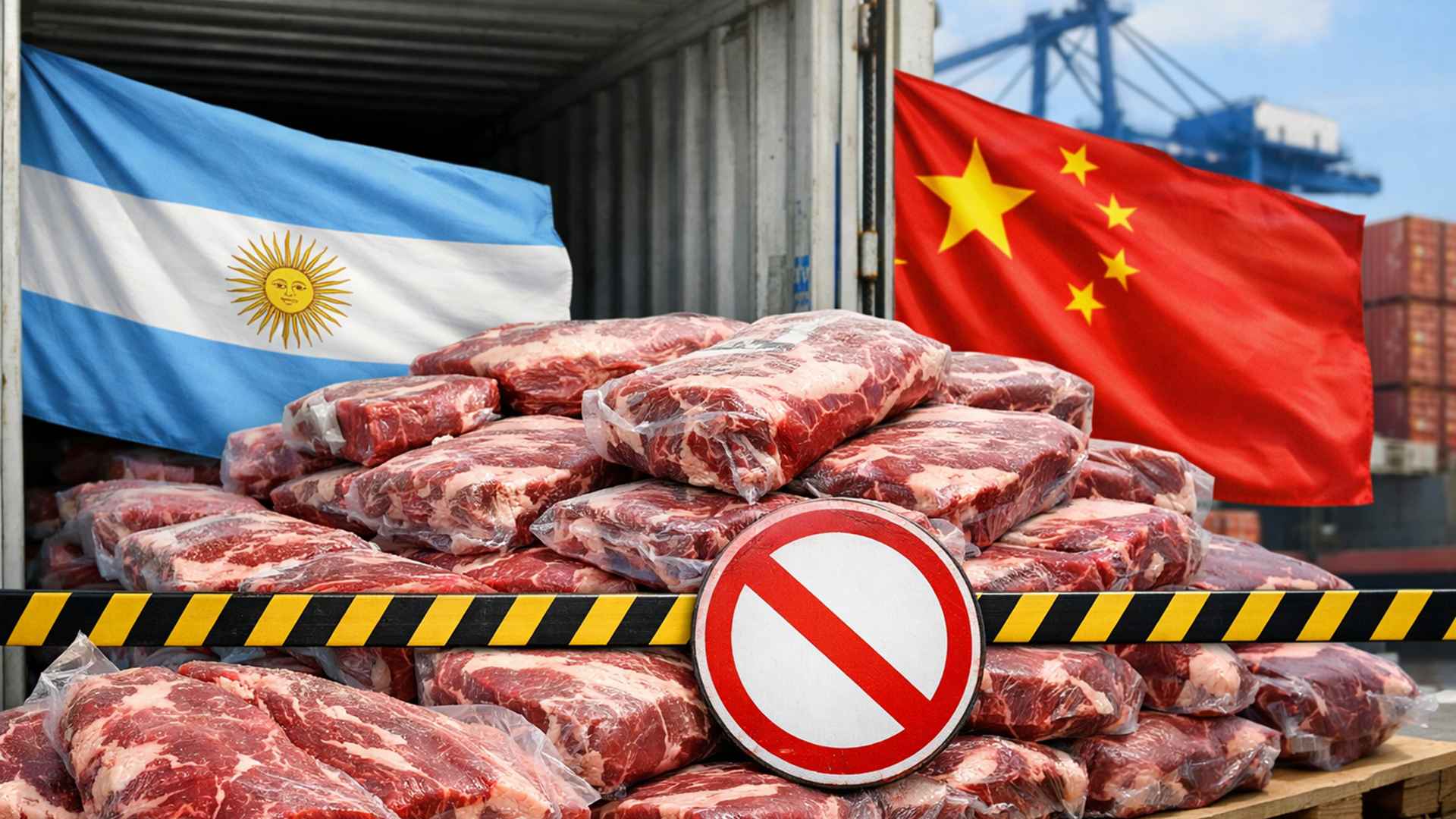
China banned the export of 22 tons of meat from Argentina.
-
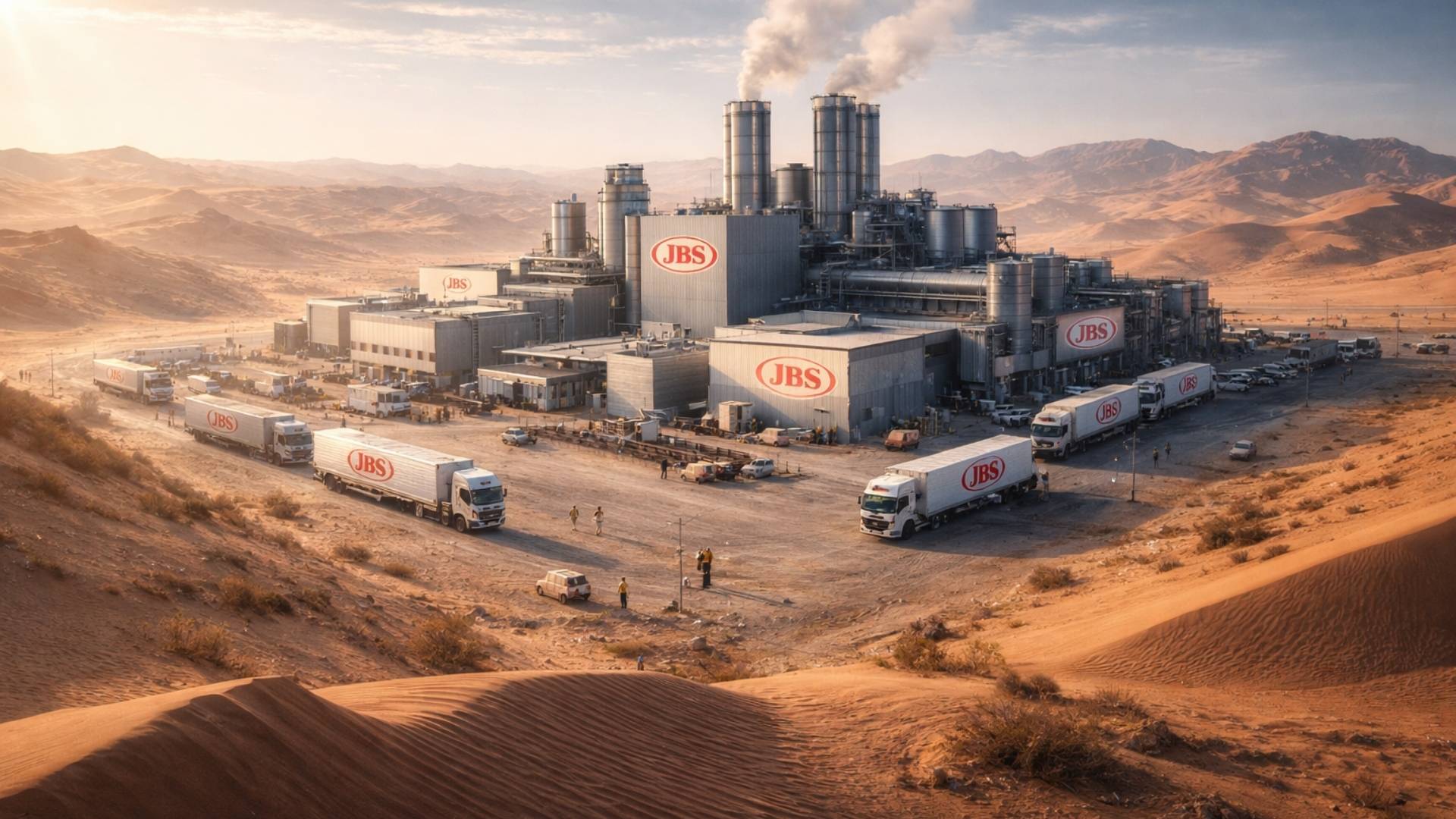
JBS, founded by the Batista brothers, continues to conquer the world: entrepreneurs built a ‘factory in the desert’ creating 3,000 jobs.
-
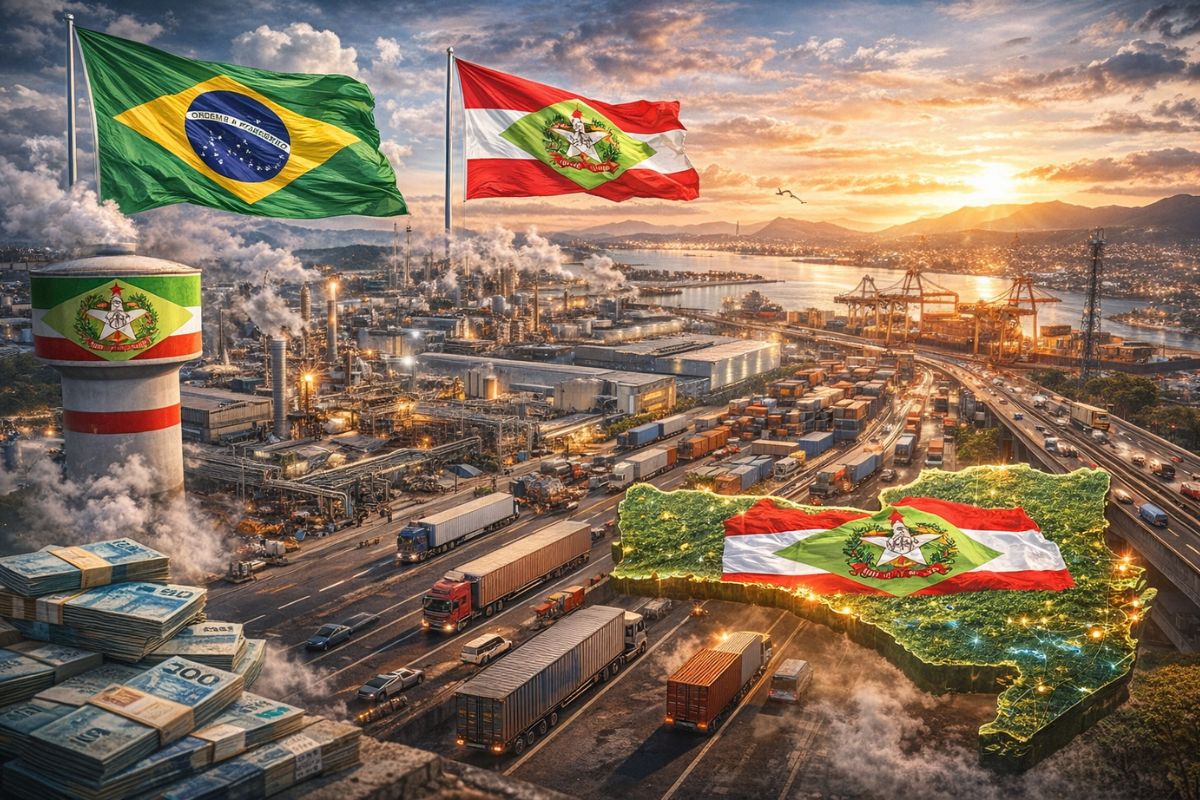
With only 1% of Brazil’s territory, Santa Catarina has built one of the most competitive industrial parks in the country, with 64,000 companies, nearly 1 million jobs, and a growth rate of 5.3% while the national industry is practically stagnant.

Additionally, there is a high degree of standardization in the cattle used in milk production in the United States, whether in California, Texas, Florida, or Wisconsin. A cow is expected to produce an average of 40 liters and have its first calving around 24 months. Large farms adopt this model, often preferring to buy heifers from specialized third parties, as it is economically more advantageous than raising them internally.
Potential Versus Reality: Would the Milk Production System in the United States Work in Brazil?
The idea of replicating the specialization of milk production in the United States in Brazil is not new, and theoretically, it should work well. There are some initiatives and isolated cases in the country, perhaps with greater visibility in small quantities in Paraná. Cooperatives have also made attempts, some successfully, to implement systems for rearing calves and selling pregnant heifers to their members.
Specialization in silage production, for example, is already a reality in several Brazilian farms that focus on providing quality feed for milk producers. However, complete specialization, especially in animal breeding and rearing, still finds very few cases of success on a large scale in Brazil.
The Major Brazilian Challenges
The primary barrier to a model similar to that of milk production in the United States in Brazil is the so-called “Brazil Cost” and the instability in commercial relations. In the Brazilian dairy sector, the lack of long-term contracts between producers and dairies is a chronic problem. This absence of security affects the entire chain: the milk producer has no guarantee of sale to a specific dairy and can change buyers according to the price offered. Similarly, dairies may stop collecting from small producers, increasing insecurity.
This instability directly reflects on the viability of specialization in breeding and rearing. The producer who needs to buy heifers has no security about the availability and price of the animals, nor about the sale of their own milk. Similarly, those who would specialize in rearing animals would not have a guarantee of sale. Small and medium producers, who would benefit the most from specialization to dilute their high breeding and rearing costs, are the ones with the least security to rely on this system.
Milk vs. Beef
While beef cattle farming in Brazil already has a well-defined segmentation (breeder, rearer, finisher), the dairy sector faces more difficulties. Dairy genetics is more complex to assess visually than that of beef cattle, where weight and conformation are more direct parameters. Buying a reared heifer for milk involves a long-term investment, as the animal needs to remain productive for several lactations (three to six), requiring great confidence in the quality and origin of the animal.
Another limiting factor is the perishability of milk: it needs to be milked daily and delivered frequently (every two days or daily), removing from the producer the flexibility to “hold” the product, as occurs in beef cattle. Additionally, the immense variation of breeds, management practices, regional cultures, and microclimates in Brazil complicates the standardization seen in milk production in the United States, where even personal preferences for certain breeds can override purely economic decisions.
The Road Ahead


Brazil still has a long way to go in the evolution of its milk production. Our national average productivity per cow is low (estimated at less than 2,000 liters per lactation, considering the whole herd), indicating a vast potential for internal improvement before aiming for levels of specialization seen in milk production in the United States.
For a more specialized system to thrive, a greater structuring of the production chain, with an emphasis on contractual security among producers, rearers, and industry is essential. While the model of milk production in the United States may seem distant, it serves as a mirror reflecting both the challenges and opportunities for the continued development of the Brazilian dairy sector.









Seja o primeiro a reagir!