





 Português
  Inglês
  Espanhol
 5 min de leitura
  0 comentários


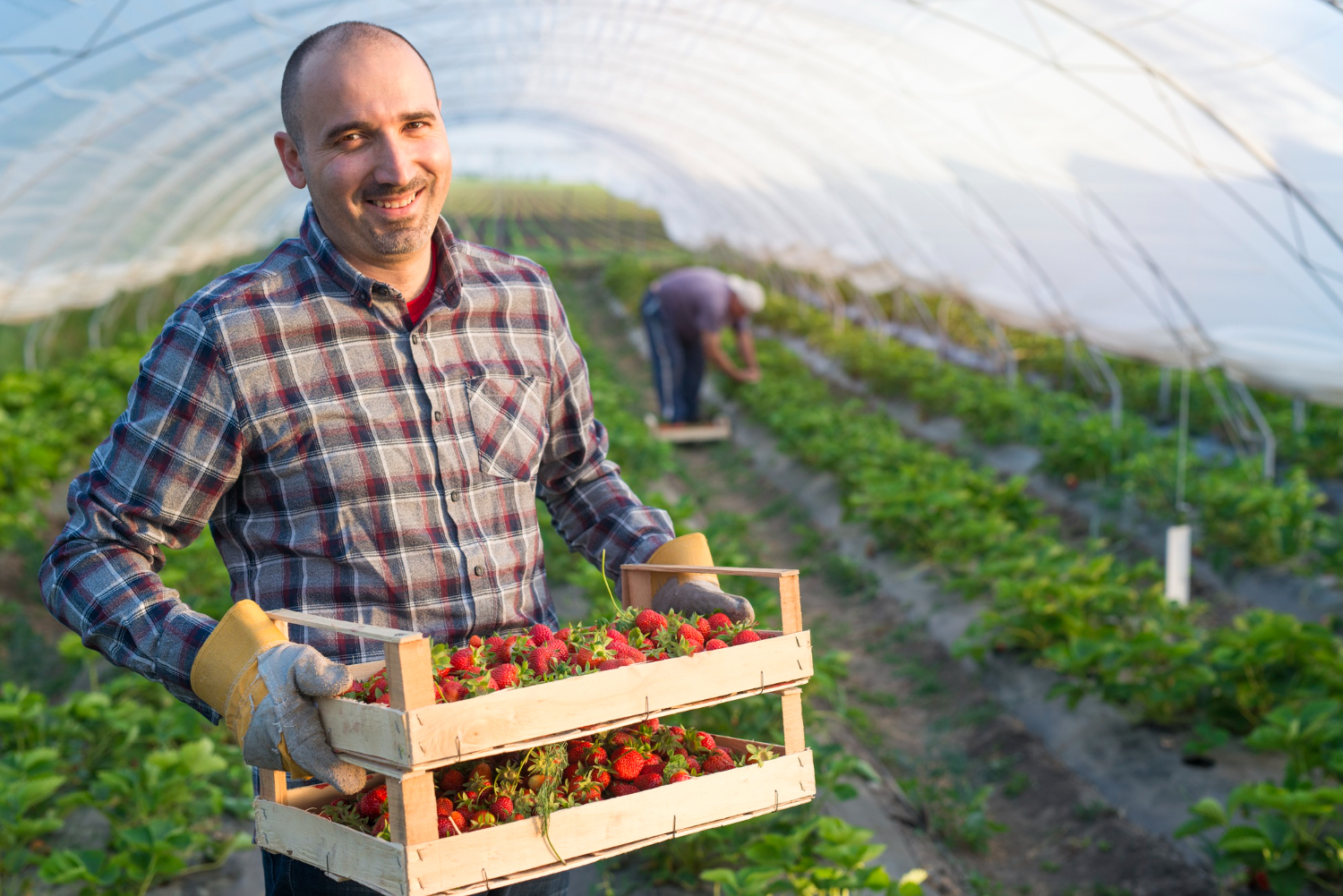
Rural Producers Will Have Access to Free Mentorship When Hiring Credit from BDMG. The Bio Inputs and Soil Plus Lines Support Sustainable Agriculture, Irrigation, Regenerative Inputs, and Sicoob, Sicredi, and Cresol Cooperatives. Flexible Credit, Technical Support, and Incentives for Sustainability in the Minas Gerais Field
The rural producer now has a special opportunity: by hiring credit from the Minas Gerais Development Bank (BDMG) to invest in sustainable agriculture, they will have access to free mentorship that promises to strengthen both soil results and financial gains on the property.
According to a report published, this initiative aims to assist those who choose the Soil Plus and Bio Inputs financing lines, available until November 30.
The idea is simple: offer credit combined with specialized professional guidance. The goal is to facilitate the transition to more sustainable and regenerative practices, which are already proving essential throughout the sector.
-
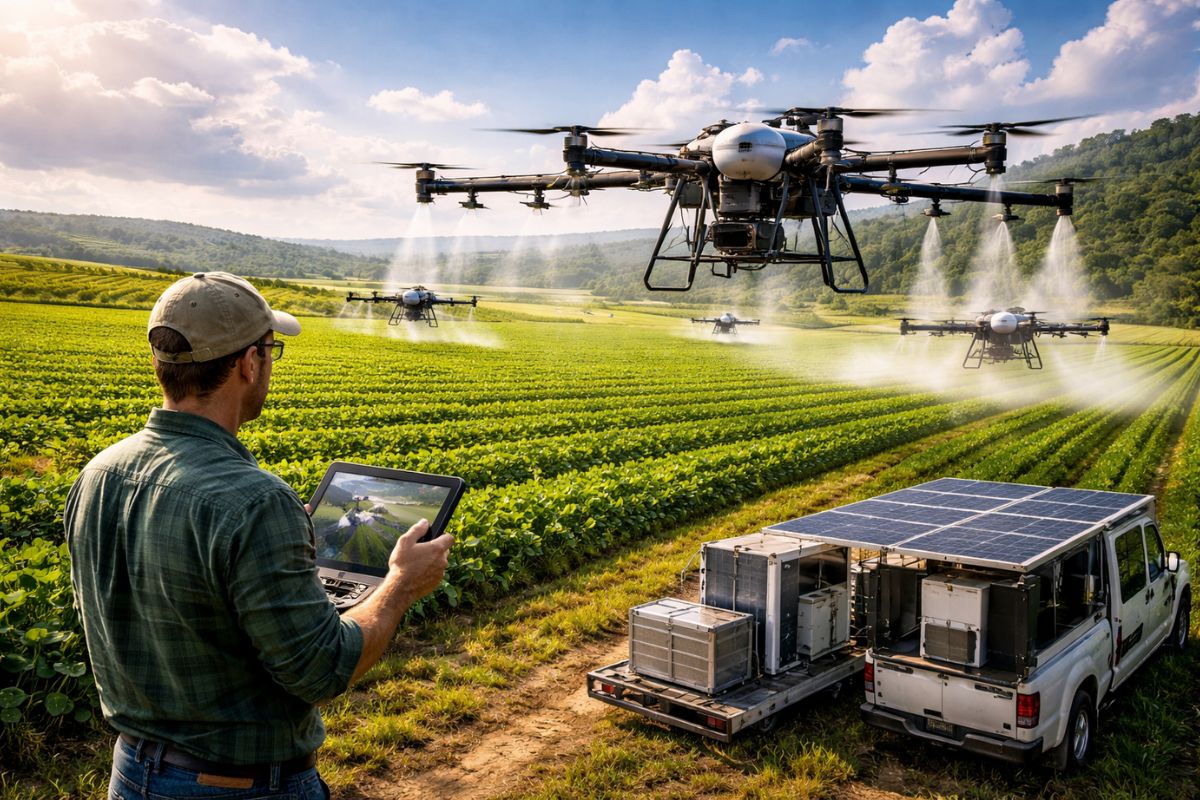
Alone, the producer applies 7,400 hectares with the T100 drone in an optimized structure, replaces the generator with a silent battery, and demonstrates how technology reduces costs, increases productivity, and even challenges the uniport in the field.
-
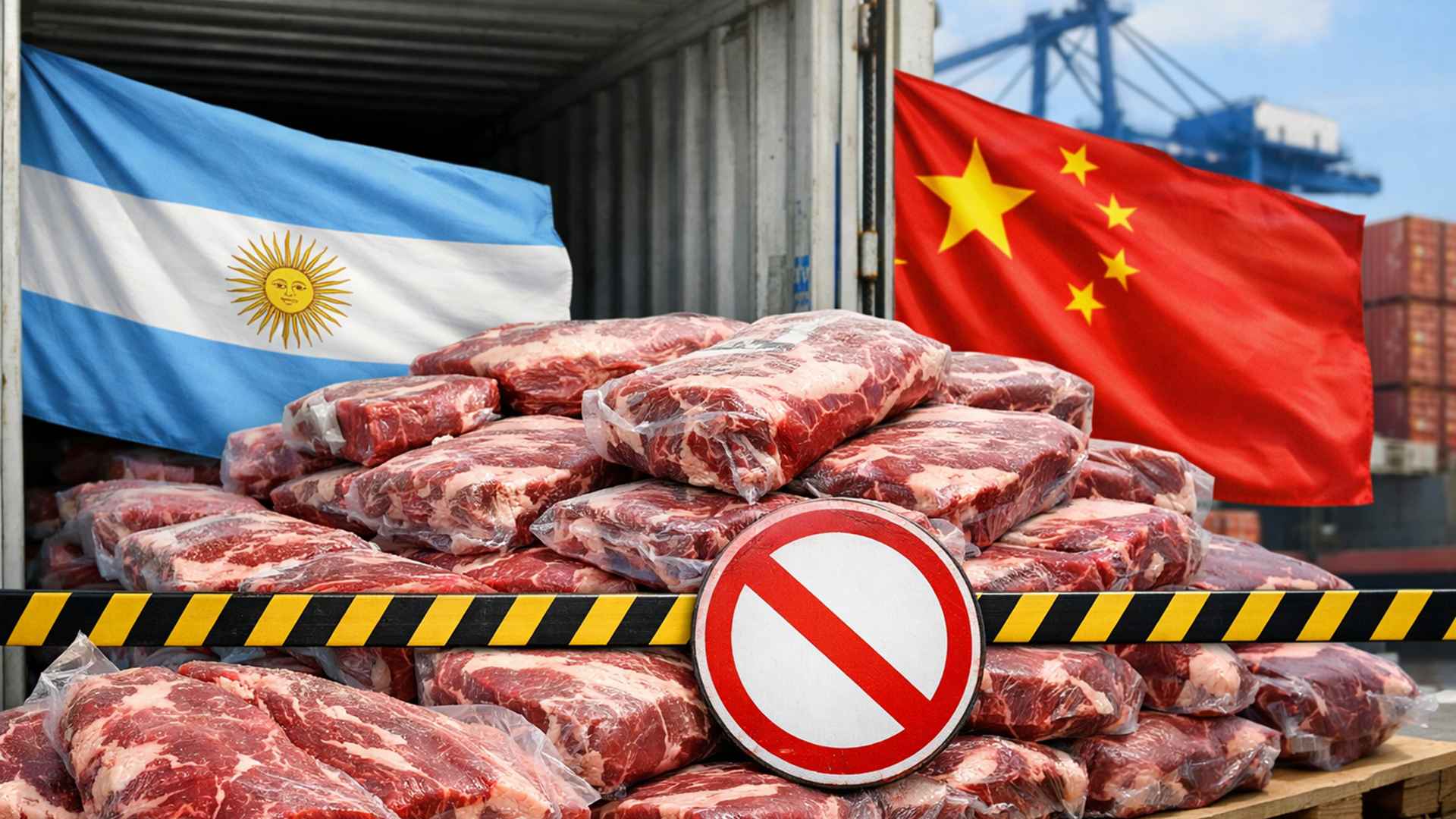
China banned the export of 22 tons of meat from Argentina.
-
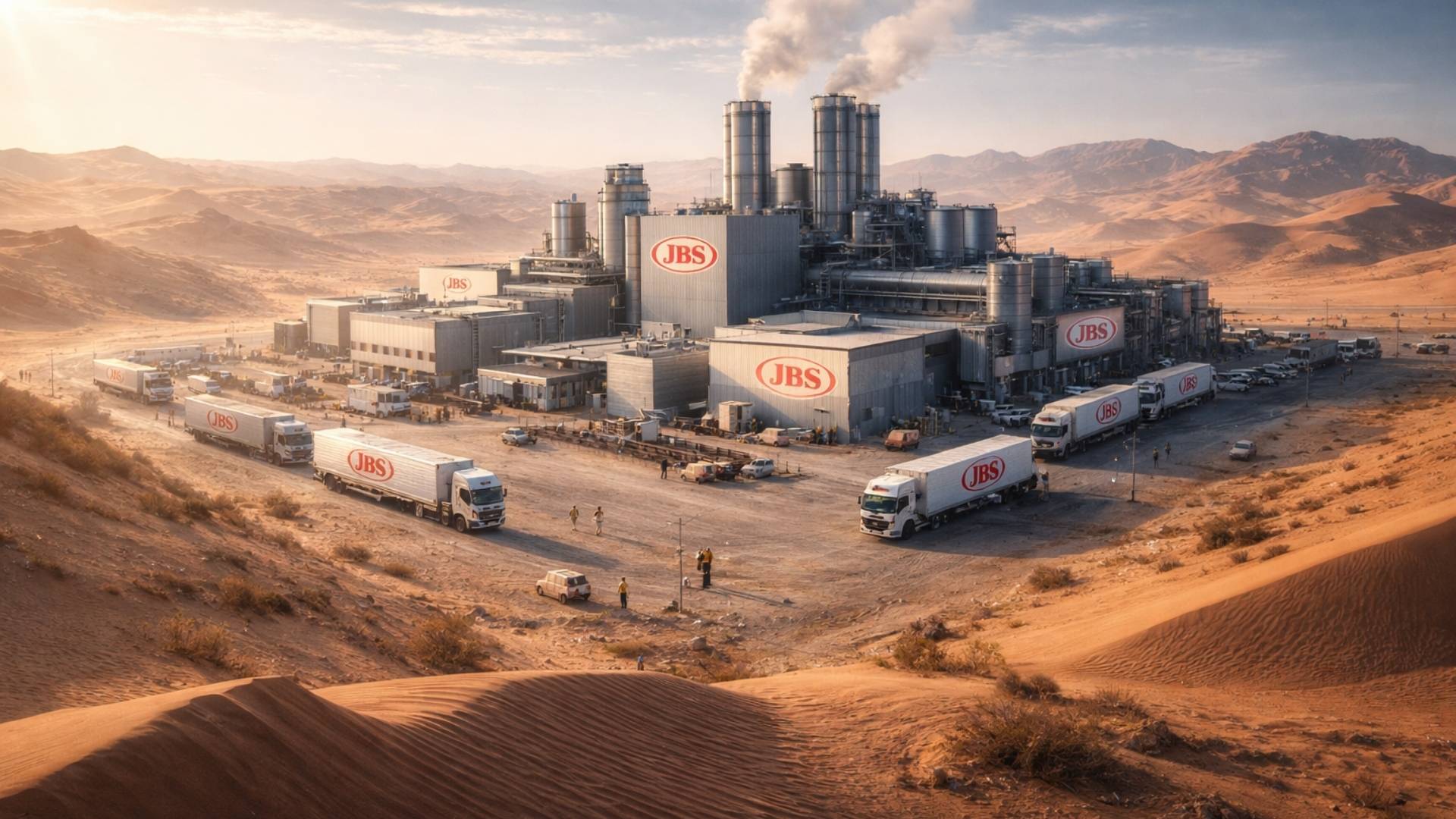
JBS, founded by the Batista brothers, continues to conquer the world: entrepreneurs built a ‘factory in the desert’ creating 3,000 jobs.
-
With only 1% of Brazil’s territory, Santa Catarina has built one of the most competitive industrial parks in the country, with 64,000 companies, nearly 1 million jobs, and a growth rate of 5.3% while the national industry is practically stagnant.


The consultancy will last five months and will be tailored to the needs of each project. In addition to the rural producer, technicians from the properties will also be accompanied to apply the best management and administration practices.
According to the president of BDMG, Gabriel Viégas Neto, this movement aims to strengthen low-carbon agriculture and expand the positive impact of the investments made with credit. It is a way to unite financing, innovation, and sustainability in one package.
Sustainable Agriculture as the Central Focus of Credit
By hiring the Soil Plus and Bio Inputs lines, the rural producer finds resources for various needs related to sustainable agriculture.
Among the possible uses are the purchase of inputs aimed at regenerative soil management, the establishment of bio-input production units, the acquisition of irrigation systems, and even projects involving biodigesters and composting.
The distinguishing factor is precisely the flexibility. Now, up to 30% of the contracted amount can be directed as working capital. Previously, this percentage was 20%.
As a result, the rural producer gains more freedom to apply resources according to their farm’s reality. This detail helps align credit with the priorities of each agricultural business, respecting each property’s financial moment.
More than financing machines or inputs, the model seeks to encourage regenerative practices. This means caring for soil fertility, optimizing water use, and reducing production costs in a structured way.
The focus is not just on the short term but on building more balanced and lasting agricultural systems.

Irrigation and Technology as Allies of the Rural Producer
Within the credit use possibilities, the establishment of irrigation systems stands out. For the rural producer, this application ensures greater efficiency in water use and directly contributes to the crop’s results.
With technical guidance provided in the mentorship, the adoption of new technologies can be carried out in a planned manner, maximizing each investment.
Modern irrigation systems are a strategic resource for facing dry periods and maintaining stable production. This security is essential in a scenario where the climate is increasingly variable.
The partnership between accessible credit and professional support enhances the chances of success for those investing in this type of improvement.
In addition to irrigation, credit covers other investments that help structure soil fertility and implement innovative solutions, such as composting and biodigesters.
These initiatives reduce costs with external fertilizers while increasing efficiency within the property.
For the rural producer, this represents gains in productivity as well as sustainability.
The Role of Credit Cooperatives in Supporting the Field
Access to the Soil Plus and Bio Inputs lines is done practically through partner credit cooperatives: Sicoob, Sicredi, and Cresol.
This structure brings rural producers closer to the available resources and ensures more agility in the contracting process.
The cooperatives serve as a link between BDMG and the farmer. With their support, it becomes easier to obtain necessary information, clarify doubts, and access financing.
The participation of these institutions further strengthens the support network for rural producers in Minas Gerais, who now have access to credit, guidance, and technical follow-up along a single path.
The partnership between the bank and cooperatives also helps expand the reach of credit lines in various regions of Minas Gerais.
This facilitates different profiles of producers, from small to medium, to participate in the initiative and transform their agricultural practices towards sustainability.
Environmental and Social Benefits for Rural Producers
Beyond the financial aspect, the expected results go far beyond. Sustainable agriculture supported by credit and mentorship helps reduce greenhouse gas emissions, optimize nutrient use, and improve soil quality.
For the rural producer, this means less dependence on external inputs and more balanced costs over time.
Another benefit is the more efficient use of water, a direct result of using irrigation systems and planned management.
The combination of flexible credit and technical guidance allows each investment to translate into concrete improvements in production.
The five-month consultancy, conducted by specialized professionals, ensures that each project is closely monitored.
The rural producer receives practical guidance that connects to the property’s reality, avoiding generic and difficult-to-apply recommendations. This personalized follow-up aids decision-making and the correct use of the contracted financial resources.
The impact is also social, as strengthening agricultural properties generates income and jobs in the field.
The BDMG initiative creates conditions for rural producers to contribute not only to environmental sustainability but also to the economic development of rural communities in Minas Gerais.








Seja o primeiro a reagir!