





 Portuguese
  English
  Spanish
 5 min of reading
  0 comments


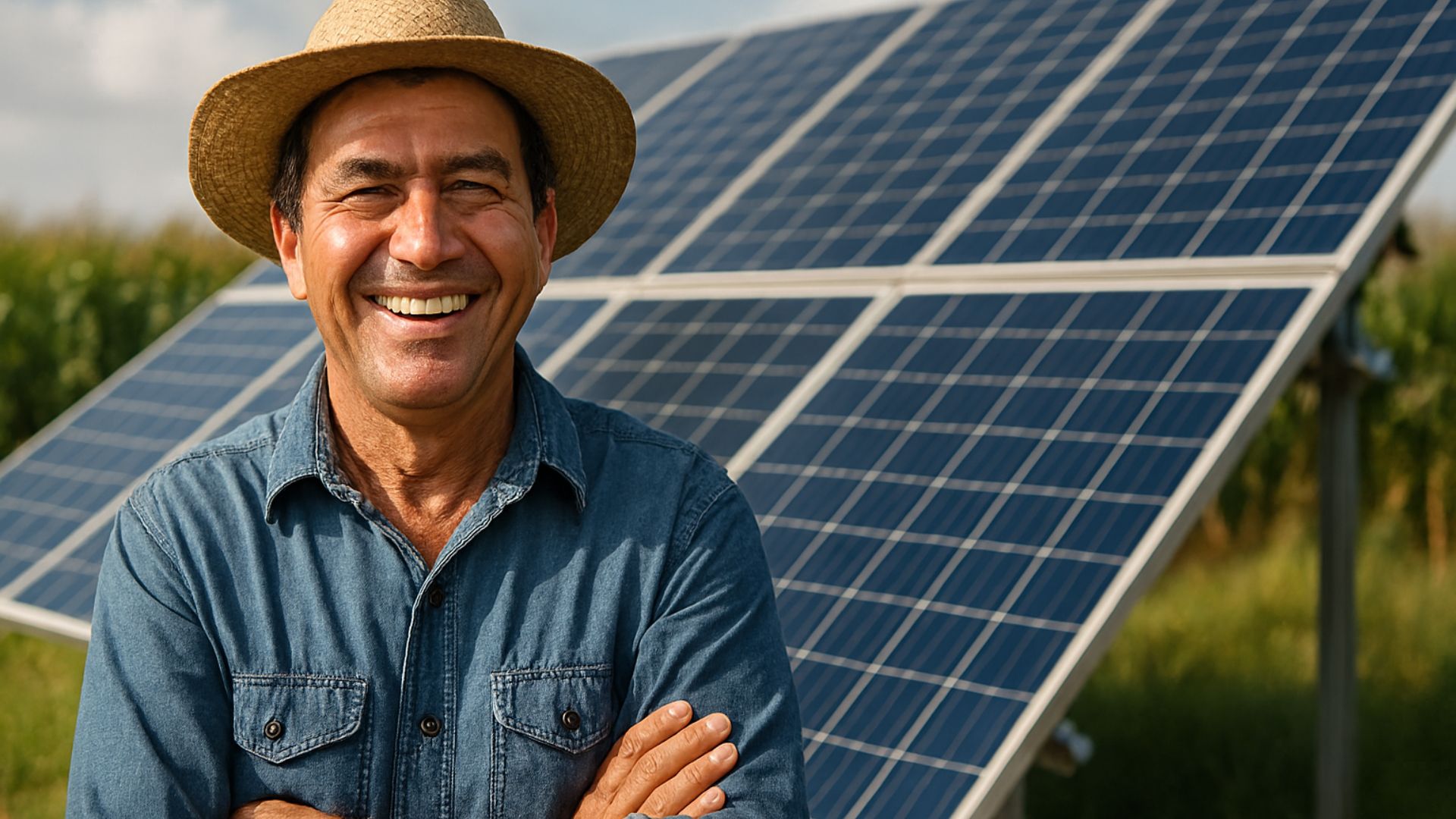
Rural Producers Affected by the Disaster in Mariana Can Access a Program That Brings Micro Photovoltaic Plants to 36 Municipalities, Reducing Expenses with Solar Energy and Strengthening Productive Recovery in the Rio Doce.
November 5, 2015 is recorded in history as the date of the collapse of the Fundão Dam in Mariana, considered the largest socio-environmental disaster in Brazil. Almost a decade later, new actions are beginning to materialize within the Rio Doce Repair Agreement.
Among them is the possibility for rural producers affected to receive micro photovoltaic plants, a measure that can reduce costs with solar energy, strengthen productive recovery, and create more sustainable bases for rural development in 36 municipalities in Minas Gerais.
Affected Rural Producers and the Immediate Response of the Agreement
According to an article published by the Uai portal on Monday (5), the initiative represents a concrete advance in the economic and productive reparation of the affected areas. Launched by the Government of Minas Gerais, the notice provides for the registration of rural properties eligible for the installation of photovoltaic systems, executed by Emater-MG. The estimate is that, in total, more than 1,500 properties could benefit, with registration open until December 31, 2026.
-
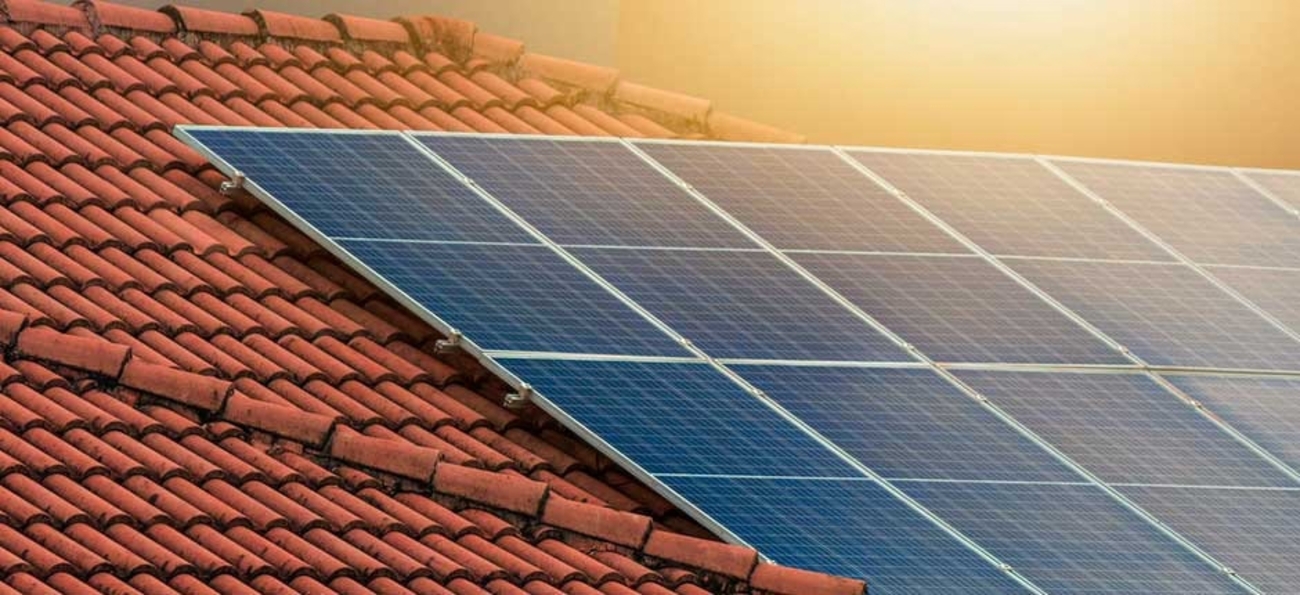
Roraima bets on the sun to escape high tariffs: Amid the energy crisis and price hikes, solar energy is growing in Roraima and transforming consumption in the North region.
-
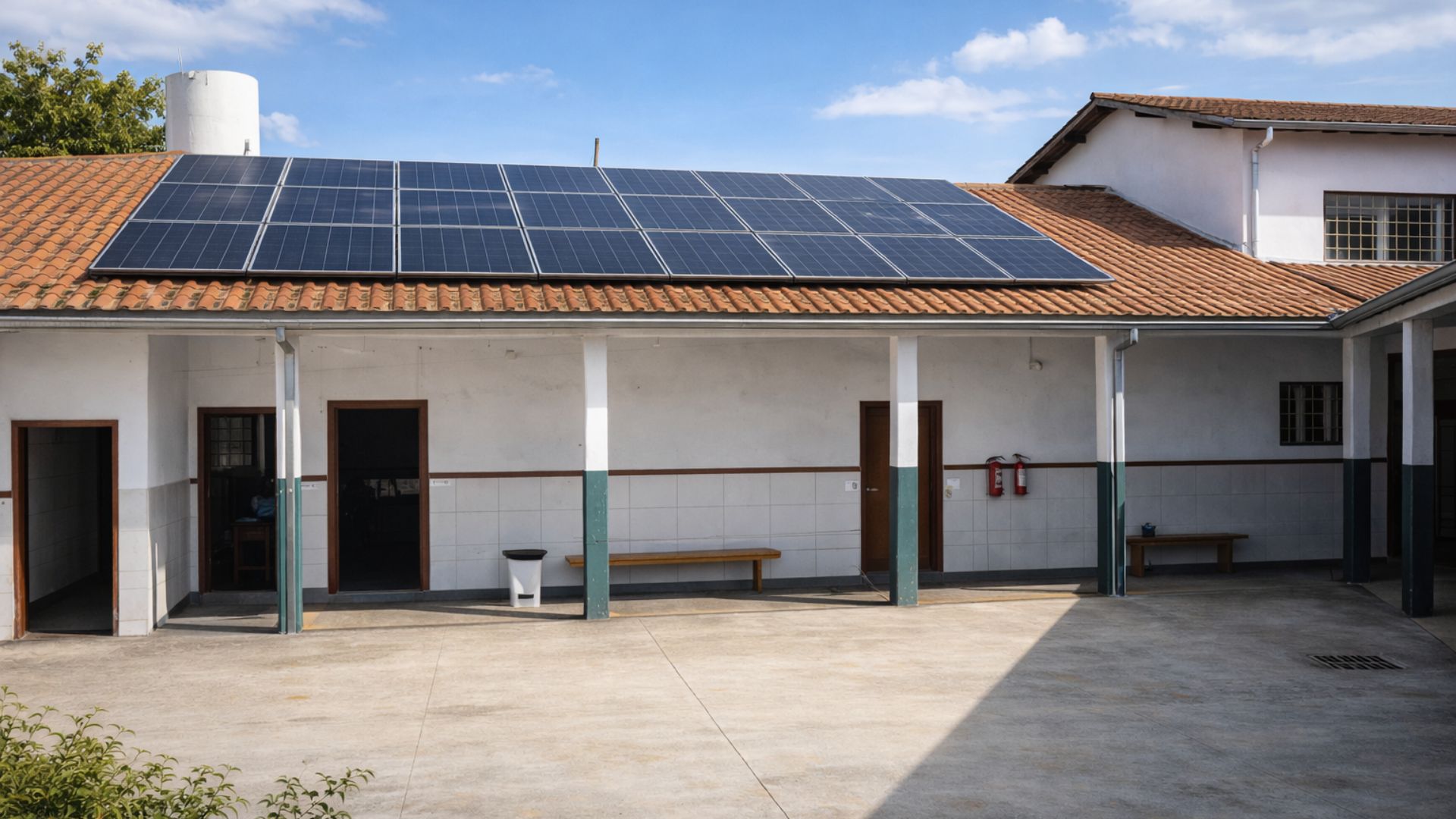
Copel boosts solar energy in Paraná and brings innovation to public schools, promoting savings on electricity bills, energy efficiency, and a direct impact on the quality of education.
-
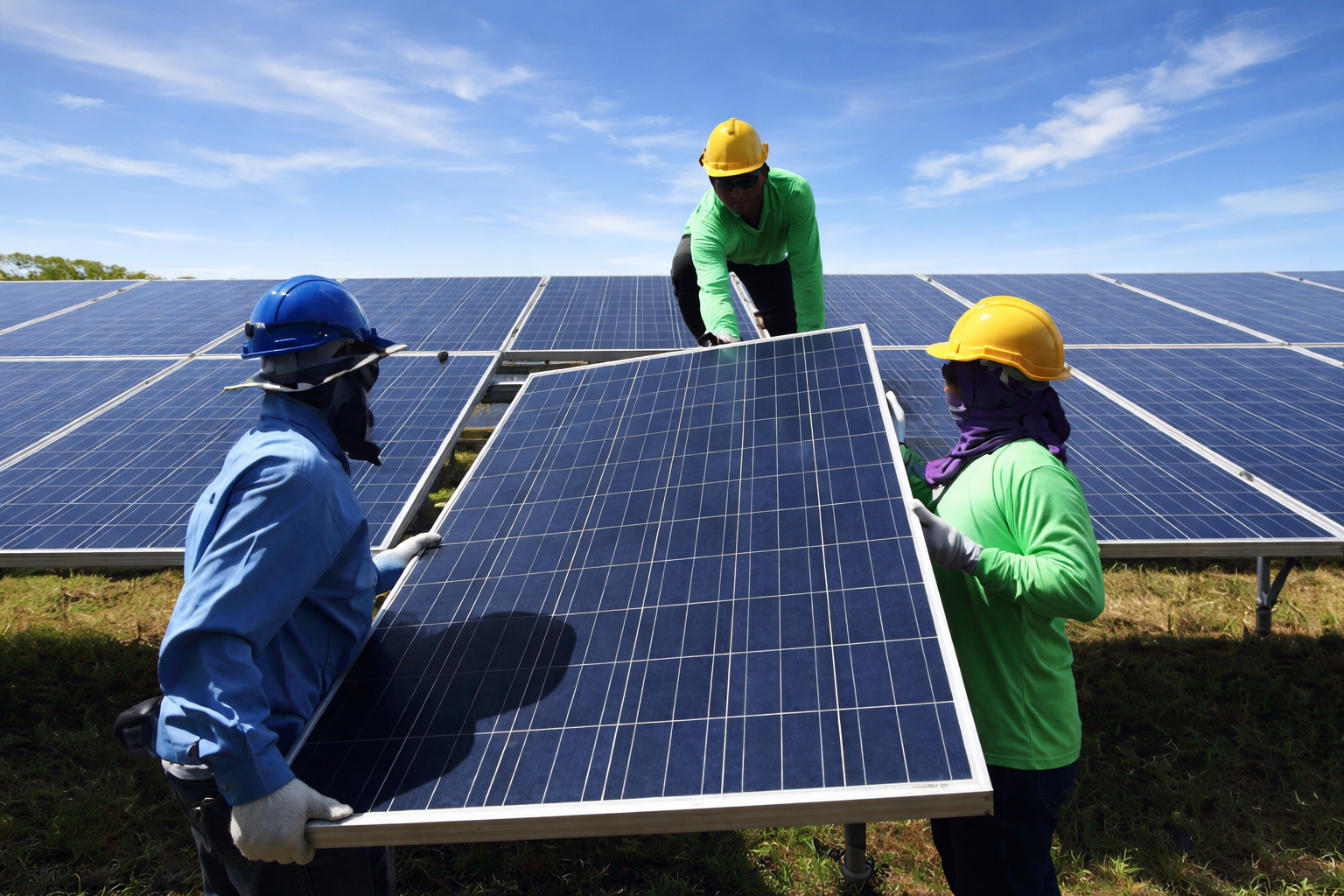
Brazil reaches historic milestone in solar energy: Sector surpasses 2 million accumulated green jobs and generates billions in the national economy even under market pressure.
-
Minas Gerais takes the lead in renewable energy: State surpasses historic mark of 14 GW in solar energy generation in MG and consolidates dominance in the Brazilian electric sector.
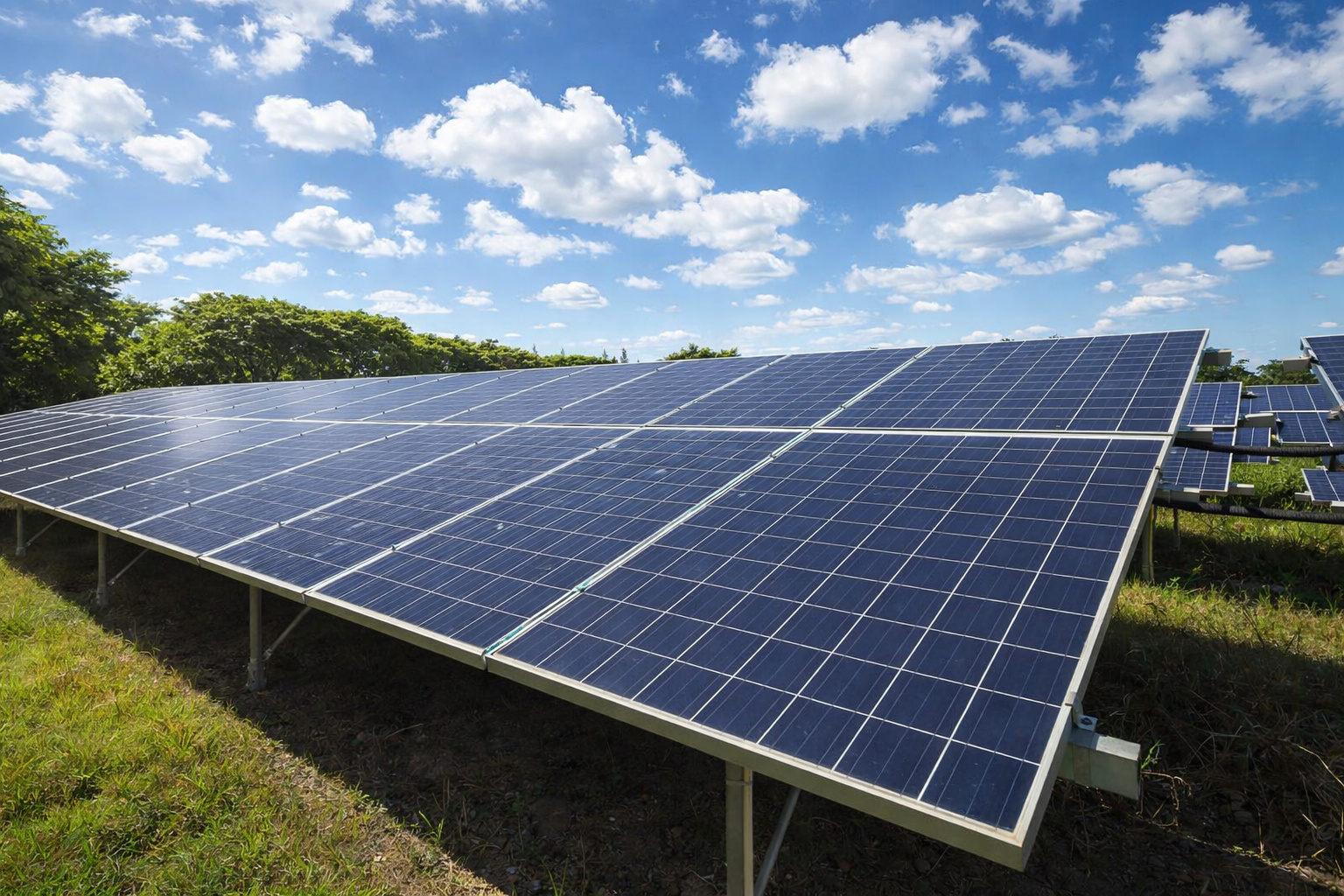

The rural producers living along the banks of the Rio Doce were directly impacted by the disaster that occurred in Mariana. In addition to environmental contamination, many faced loss of productivity, damage to infrastructure, and increased operational costs. In this scenario, reparation could not be limited to one-time financial compensations.
The Rio Doce Repair Agreement began to incorporate structural measures aimed at long-term economic reconstruction. Therefore, the inclusion of micro photovoltaic plants emerges as a strategic solution, capable of generating continuous positive impact on income and competitiveness of these properties. According to Emater-MG, the project is outlined in Annex 18 of the agreement, reinforcing that the initiative is part of the formal commitments made in the renegotiation of the disaster in Mariana.
Micro Photovoltaic Plants as a Tool for Productive Recovery
The installation of micro photovoltaic plants allows the rural property to generate its own electricity from solar energy, offsetting consumption with the utility. In this way, monthly expenses with electricity are significantly reduced.
For rural producers, this savings represents more than just financial relief. It creates predictability, which is essential for planning harvests, investing in equipment, and diversifying activities. In regions still recovering from the impacts of Mariana, this stability is critical for economic recovery.
Another distinguishing feature of the program is the comprehensive technical support. Thus, the producer does not have to worry about bureaucracy or initial costs, as the project includes a network access report, provision of equipment, and installation of the photovoltaic system.
Solar Energy in the Field and Structural Cost Reduction
Solar energy has been consolidating as one of the most competitive sources of the Brazilian electric matrix, especially in rural areas. In addition to being clean and renewable, it offers cost predictability, a decisive factor for agricultural activities.
With micro photovoltaic plants, rural producers reduce dependence on the conventional grid and are less exposed to rate adjustments. Consequently, profit margins improve, even during periods of economic or climatic instability. In the post-disaster context of Mariana, this structural cost reduction directly contributes to the viability of the properties, strengthening the local and regional economy.
Who Can Access the Micro Photovoltaic Plants of the Program
The notice establishes clear criteria for participation. Rural producers must own properties located within 100 meters of the floodplain defined by the agreement. Additionally, a regularized Rural Environmental Registry and standard electric power must be installed.
The initiative covers 36 municipalities in Minas Gerais affected by the collapse, including Mariana, Barra Longa, Governador Valadares, Ipatinga, Ponte Nova, Rio Doce, Timóteo, and Resplendor. Thus, the program’s reach is broad and aligned with the extent of the damage caused by the disaster.
The registration process is done directly at the Emater-MG offices. Thus, producers receive technical guidance from registration to the effective installation of solar energy on the property.
Rural Producers, Solar Energy, and the Resumption of Productive Activities
The public call is part of the Flood Response and Environmental and Productive Recovery Program for the Banks of the Rio Doce, which will be implemented between 2025 and 2030. This demonstrates that public policy has a medium-term horizon and a structural focus.
For rural producers, the adoption of solar energy goes beyond immediate savings. It enables the resumption and diversification of productive activities, creating new income-generating possibilities in the field.
Furthermore, micro photovoltaic plants contribute to keeping families in the rural area, reducing economic vulnerability and strengthening the social fabric of the regions impacted by Mariana.
Rio Doce Repair Agreement and Planned Investments
Signed in October 2024, the Rio Doce Repair Agreement brings together the governments of Minas Gerais, Espírito Santo, and Federal, as well as judicial institutions and the companies responsible for the dam collapse in Mariana.
The agreement foresees more than R$ 81 billion in social, economic, and environmental investments. Within this amount, the installation of micro photovoltaic plants for rural producers stands out as a concrete action, with measurable results and direct impact on the lives of the affected populations.
Solar Energy: A New Path for Rural Producers in the Rio Doce
The adoption of solar energy as a reparation tool marks a paradigm shift. Instead of temporary actions, the program invests in enduring solutions that strengthen the autonomy and economic sustainability of rural producers.
Micro photovoltaic plants transform the reparation process into a development opportunity. Thus, regions deeply impacted by the disaster in Mariana begin to build a more resilient future, with lower energy costs, greater productive efficiency, and integration into the Brazilian energy transition.








-

Uma pessoa reagiu a isso.