





 Português
  Inglês
  Espanhol
  3 min de leitura
  0 comentários



With Focus On Efficiency, The New Regulation Of Mapa Strengthens The Inspection Of Plant Origin Products, Improves Traceability And Strengthens Self-Control In The Brazilian Agro-Business
The recent update in the inspection standards for plant origin products marks an important transformation in the country’s agricultural defense, according to an article published.
With the publication of the Decree No. 12,709, the Government of Brazil modernized the legal bases of the sector and brought more legal certainty, transparency, and administrative efficiency to the entire plant production chain.
The new regulation, developed by the Ministry of Agriculture and Livestock (Mapa), through the Department of Agricultural Defense (SDA), consolidates previously dispersed rules and strengthens self-control as the central axis of modernization, as provided for in Law No. 14,515/2022.
-
Alone, the producer applies 7,400 hectares with the T100 drone in an optimized structure, replaces the generator with a silent battery, and demonstrates how technology reduces costs, increases productivity, and even challenges the uniport in the field.

-
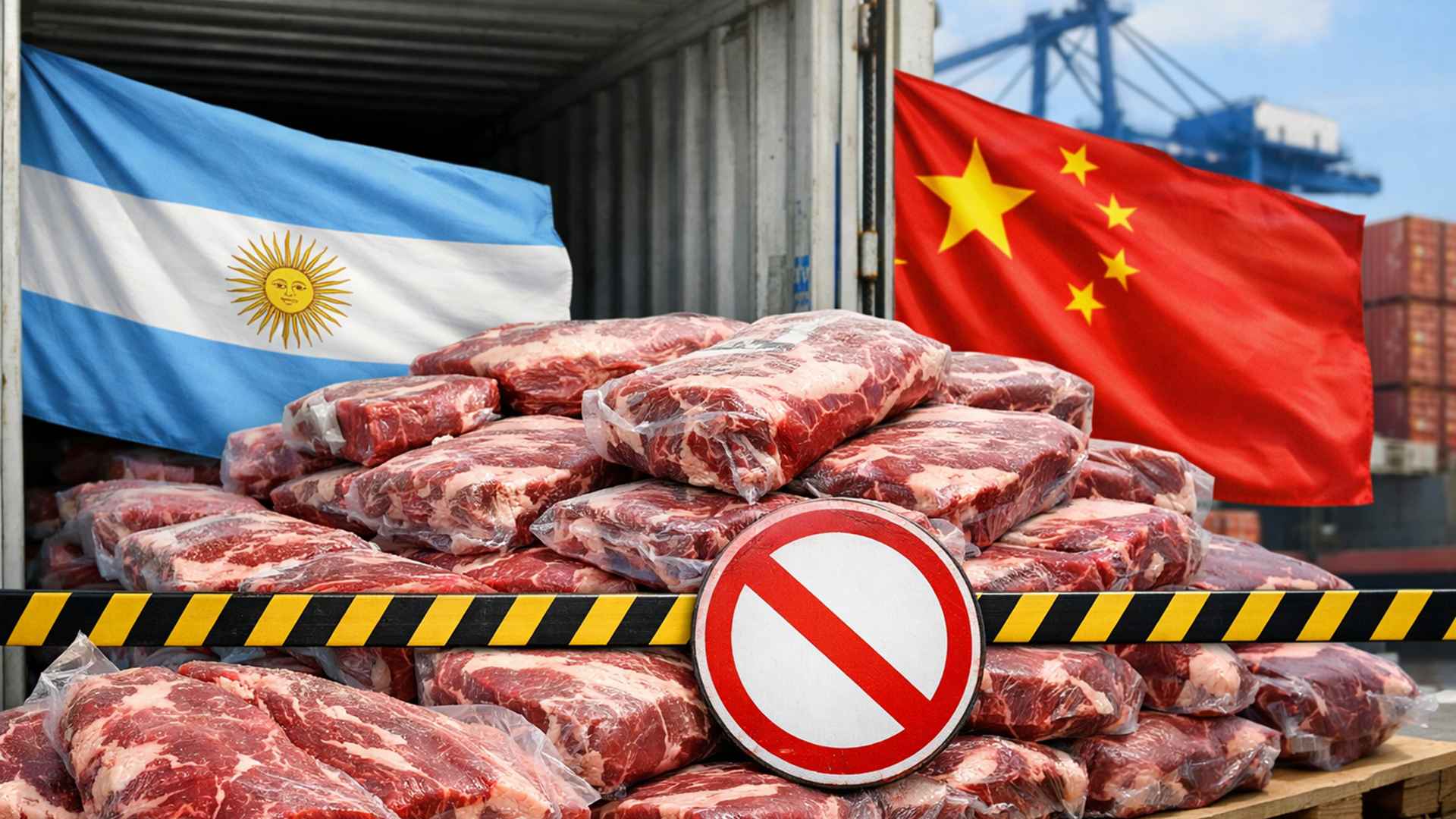
China banned the export of 22 tons of meat from Argentina.
-
JBS, founded by the Batista brothers, continues to conquer the world: entrepreneurs built a ‘factory in the desert’ creating 3,000 jobs.

-
With only 1% of Brazil’s territory, Santa Catarina has built one of the most competitive industrial parks in the country, with 64,000 companies, nearly 1 million jobs, and a growth rate of 5.3% while the national industry is practically stagnant.


The text was prepared by the team from the Department of Inspection of Plant Origin Products (Dipov) and revoked ten previous decrees, unifying guidelines that now govern foods, beverages, ingredients, and plant origin by-products, both in the domestic market and in foreign trade.
This consolidation simplifies processes, reduces bureaucracies, and ensures faster inspection, guided by risk analysis and international quality standards.
Traceability Agro-Industrial And Strengthening The Brazilian Inspection System
One of the main advances is the expansion of traceability mechanisms, which allow tracking each stage of the production cycle of plant origin products, from cultivation to the point of sale.
This approach strengthens the Brazilian Inspection System for Plant Origin Products (Sisbi-POV), encouraging voluntary adherence from states and municipalities.
By adopting Codex Alimentarius parameters, the decree ensures compatibility with global standards and enhances the competitiveness of the Brazilian agro-business in increasingly demanding international markets regarding food quality and safety.
Furthermore, the regulation provides for more technical audits based on objective data and self-control programs, allowing companies in the sector to implement internal compliance verification systems.
Incentive Program For Compliance And Risk Management Practices
The decree also establishes the Incentive Program for Compliance, which promotes good practices and encourages the preventive regularization of any non-conformities.
This program is a landmark in the governance of plant origin products, as it prioritizes prevention over punishment, reinforcing the concept of risk management in inspection.
The model is aligned with modern food safety practices and focuses on ensuring safer and more sustainable products for the end consumer.
The text sets clear criteria for product recalls and record updates, in addition to requiring the adoption of digital traceability systems, which increases transparency and reduces response time in cases of irregularities.
Clear Labeling, Sustainability And Consumer Communication
Another important front is the modernization of labeling and marking rules for plant origin products, which now follow stricter standards of clarity and precision.
The goal is to ensure that information about origin, composition, and validity is easily understood by the consumer.
This measure reinforces sustainability and trust in Brazilian brands, in addition to meeting the growing demand for transparency in conscious consumption.
With the new regulation, Mapa reaffirms its commitment to food safety, international competitiveness, and strengthening agricultural defense, consolidating a modern regulatory environment aligned with the best global practices for plant origin products.









Seja o primeiro a reagir!