





 English
  Francês
  Alemão
  Italiano
  Japonês
  Norueguês
  Portuguese
  Spanish
  6 min of reading
  0 comments



Discover How the Offshore Profession of Embarked Crane Operator Works in Brazil, Which Courses are Required to Work, How to Achieve Salaries of up to R$ 12,000 and Take Advantage of the 14×14 Work Schedule with Long Breaks.
The offshore profession of embarked crane operator is one of the most attractive careers in the oil and gas sector in Brazil. The main reason is clear: the possibility of salaries that can reach R$ 12,000, the 14×14 work schedule with long breaks, and differentiated benefits. According to an article published by the Market Monitor on February 19, it is also an activity that requires technical qualification, mandatory certifications, and emotional preparation to face work at sea.
Brazil is a global reference in offshore exploration in deep and ultra-deep waters. Data from the National Agency of Petroleum, Natural Gas, and Biofuels indicates that most of the national production occurs at sea, especially in the Campos and Santos basins. This scenario sustains thousands of embedded jobs, including crane operators, maintenance technicians, supervisors, and support professionals.
In this complete guide, you will understand how the embarked routine works, which courses are required, how much one can really earn, and what the paths are to enter the offshore oil sector.
-
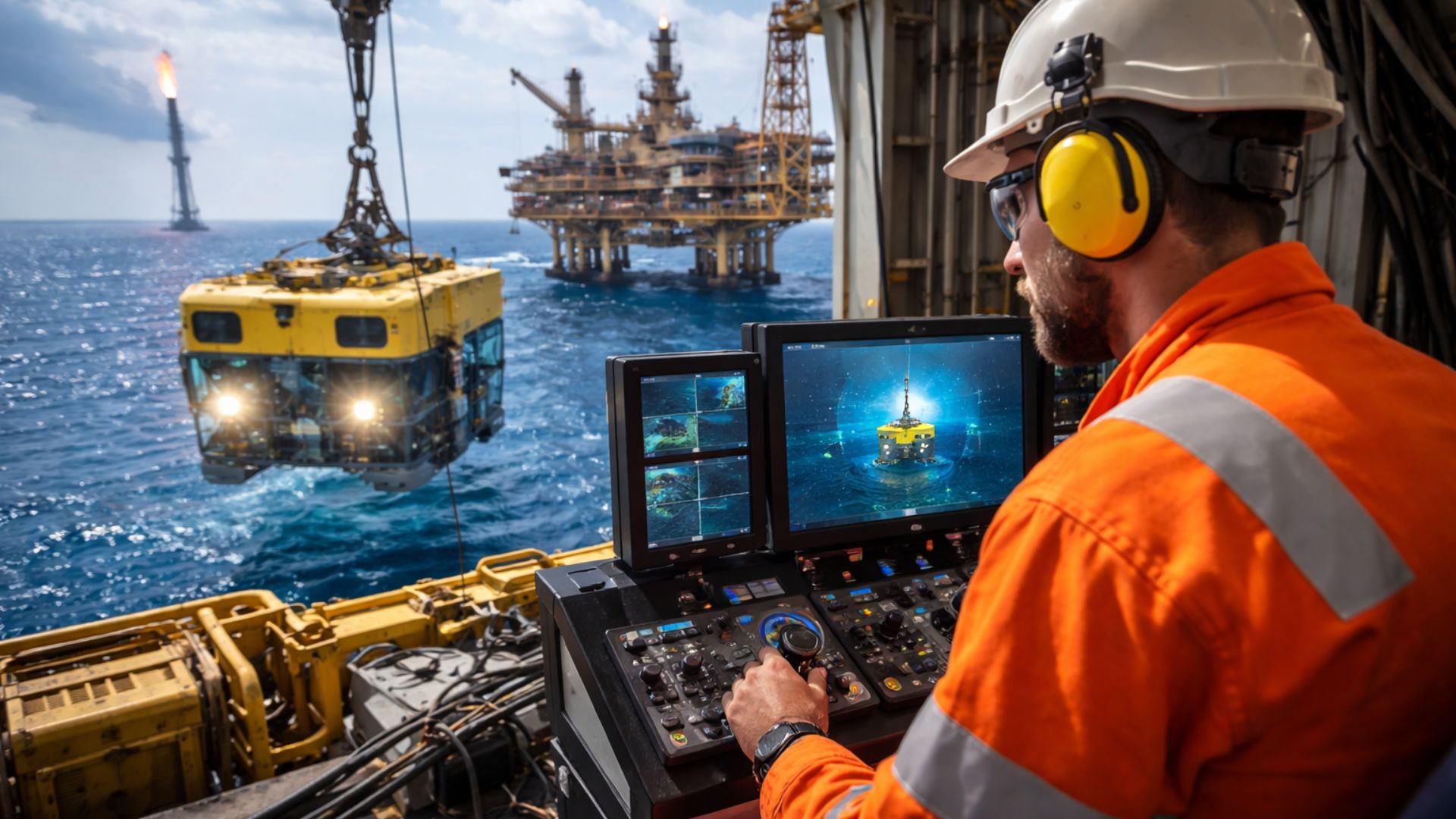
With Announcement for ROV Course in Partnership with Zen, Rio das Ostras Aims to Transform Technical Qualification into Real Jobs in the Competitive Offshore Market
-
Free Offshore Steward Course in São Gonçalo Emerges as a Strategic Opportunity for Those Seeking Qualified Work at Sea

-
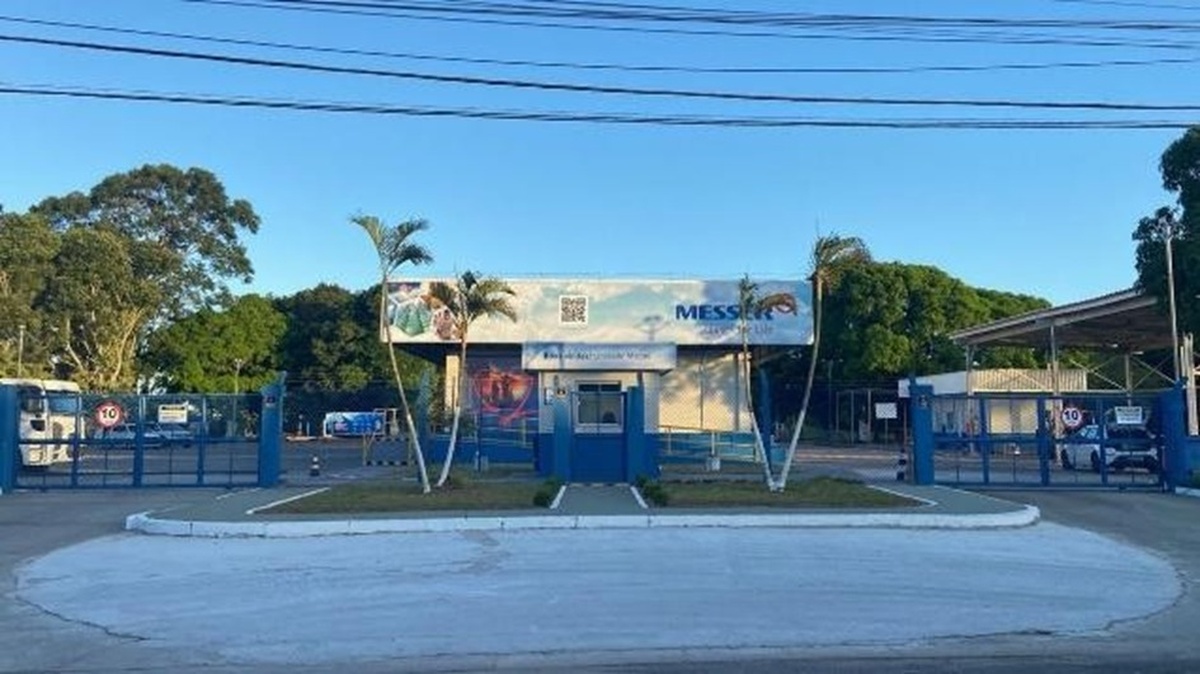
Messer Gases Reopens Branch in Macaé to Serve Offshore Oil and Gas Market in Northern Fluminense with Supply of Oxygen, Argon, and CO₂
-
Offshore Driller: Professional Who Operates Under Constant Pressure and Turns High-Risk Work into High Monthly Salaries in the Oil Market


Offshore Profession with Salaries Ranging from R$ 5,000 to R$ 12,000 and a 14×14 Work Schedule at Sea
Within the offshore profession, one of the most well-known roles is that of embarked crane operator. This professional is responsible for moving heavy loads on oil platforms and drill ships with absolute precision, often in adverse weather conditions.
According to information released by job market platforms such as Glassdoor, the salary range for offshore crane operators in Brazil usually varies between R$ 5,000 and R$ 12,000 per month. The variation depends on experience, professional level, and the contracting company.
In addition to the base salary, workers may receive additional pay provided for in labor legislation, such as hazard pay and night shift pay. Some collective agreements also include boarding supplements. These amounts can significantly increase the final salaries.
Large companies, such as Petrobras, offer benefits such as family health plans, supplementary pension, and profit-sharing, according to existing agreements.
The most common schedule is 14 days on the job followed by 14 days of breaks on land. During the embarked period, the shift is generally 12 hours a day, alternating between daytime and nighttime shifts.
Mandatory Certifications and Essential Courses in the Offshore Profession
To work in the offshore profession, operational experience alone is not enough. It is mandatory to have specific safety training and technical qualification.
Among the main courses required by companies are:
- CBSP (Basic Platform Safety Course)
Fundamental training for any embedded worker. Includes firefighting, first aid, and survival techniques at sea. - HUET (Helicopter Underwater Escape Training)
Training that teaches how to escape from a helicopter in case of a water landing, a risky situation in offshore operations. - NR-11
Standard dealing with the transportation, movement, and handling of materials, essential for crane operators. - NR-34
Focused on working conditions in the naval and offshore industry.
Without these certifications, boarding is not permitted. The initial investment can be significant, but it is an essential step to achieve better salaries within the sector.


How the Embarked Routine Works and Extended Breaks in the Offshore Regime
The routine of the offshore profession is intense. During the 14 days on the job, the professional stays fully on the maritime unit, sleeping and eating on the platform or ship.
The shift is 12 hours a day. In many cases, there is an alternation between day and night shifts. The environment is controlled, with strict safety protocols and constant monitoring.
The breaks of 14 consecutive days are one of the major attractions. During this time, the worker returns home and can fully rest, take courses, travel, or spend time with family.
On the other hand, the isolation during the embarkation requires psychological preparation. Contact with family occurs by phone or internet, when available. Adapting to being with the same team for two weeks is also part of the challenge. This 14×14 schedule is common in the operations of the Campos and Santos basins, the main offshore hubs in the country.
Crane Operator Levels and Salary Evolution in the Offshore Profession
The embarked crane operator is classified into levels 1, 2, and 3, according to experience and complexity of the operations performed.
Level 1
Suitable for beginners. Performs internal movements and light loads within the unit.
Level 2
Intermediate professional. Works on transshipment between vessels and fixed platforms.
Level 3
Advanced level. Operates critical, heavy, and sensitive loads, often in rough seas and moving ships.
The higher the level, the greater the technical responsibility, and consequently, the higher the salaries. Progression depends on the length of time onboard, performance evaluations, and additional training. Practical experience is very important in the offshore profession, especially in roles that involve high operational risk.
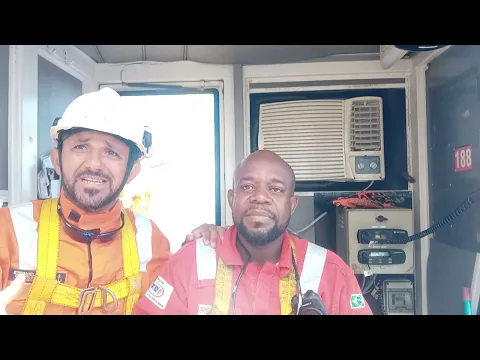
Are There Opportunities for Beginners in the Offshore Profession? Complete Guide to Starting from Scratch
Many professionals wish to enter the offshore profession, but lack previous embarkation experience. In these cases, it is possible to start as a load handling assistant or operational trainee.
Having a technical degree in mechanics, electromechanics, or electrical engineering is an important differential. Companies value candidates who already have the CBSP and HUET, even without previous embarkation experience. Keeping an updated resume on platforms like LinkedIn increases visibility to recruiters in the oil and gas sector.
Regions such as Macaé and Rio de Janeiro concentrate a large part of the operational bases. According to data from the Brazilian Institute of Geography and Statistics, the oil sector has a significant impact on the economy of Rio de Janeiro, generating direct and indirect jobs. The demand for qualified professionals follows investment cycles in offshore exploration.
Real Advantages and Daily Challenges of the Offshore Profession in the Oil Sector
The offshore profession offers clear benefits. Salaries are above the national average for industrial technical positions. The work schedule with long breaks allows for a unique arrangement of personal life. Additionally, there is relative stability during expansion periods of the sector and the possibility of rapid professional growth for those who demonstrate competence.
On the other hand, it is a controlled risk environment. Strict adherence to safety regulations is mandatory. The job requires constant attention and responsibility. Physical and mental fatigue can be significant, especially for those who have difficulty adapting to the embarked regime.
What to Consider Before Choosing an Offshore Career in Brazil
Choosing the offshore profession means accepting a different lifestyle. The financial reward can be high, with salaries ranging from R$ 5,000 to R$ 12,000 for crane operators, in addition to corporate benefits and legal add-ons. The long breaks are an important differential, but do not eliminate the challenges of isolation and the intense routine of 12-hour shifts during embarkation.
This complete guide has shown that qualification is crucial. Mandatory courses, progressive experience, and operational discipline are decisive factors for achieving higher levels in the career. For those seeking financial growth, stability in the energy sector, and who are willing to face the challenges of the sea, an offshore career can represent a concrete opportunity for professional transformation in Brazil.









-

Uma pessoa reagiu a isso.