





 English
  Francês
  Alemão
  Italiano
  Japonês
  Norueguês
  Portuguese
  Spanish
  5 min of reading
  0 comments


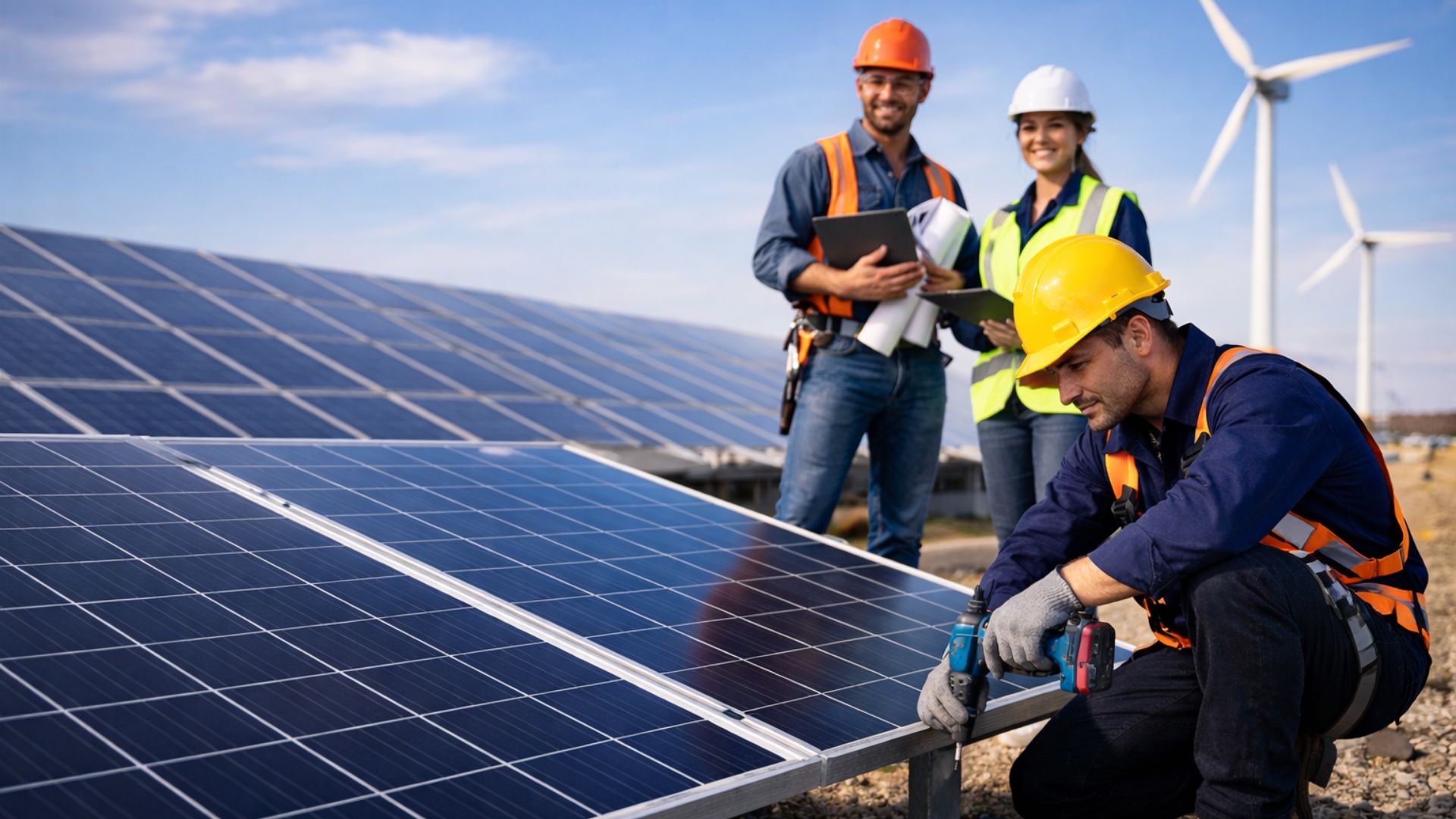
Energy Transition Accelerates in Brazil and Boosts Clean Energy Professions, with a Focus on Solar and Wind. The Renewable Energy Market Creates Real Opportunities, Raises Salaries, and Expands the Demand for Technicians and Engineers in 2026.
The Brazilian job market is undergoing an accelerated transformation driven by the energy transition. According to an article published by the Monitor do Mercado website on Thursday (22), the advancement of renewable energy, especially solar energy and wind energy, has been creating jobs above the national average, with competitive salaries and opportunities distributed across various regions of the country. By 2026, this movement will consolidate itself as one of the most relevant vectors of professional growth in Brazil.
Clean Energy Professions Lead Job Creation in the Electricity Sector
According to data from sectoral entities such as ANEEL, ABSOLAR, and IRENA, the country has already surpassed the mark of 1 million direct and indirect jobs related to renewable sources, positioning itself among the leading countries in Latin America in creating green jobs. The growth is not sporadic, but structural, sustained by continuous investments, expansion of installed capacity, and modernization of the electricity matrix.
Clean energy professions are among the fastest-growing in Brazil in recent years. This is because the national electricity matrix, historically based on renewable sources, is undergoing a new cycle of diversification, with strong expansion of solar and wind generation, both in large plants and in decentralized systems.
-
A study reveals the expansion of renewable energy procurement in Brazil and shows how companies are taking advantage of opportunities to reduce expenses, ensure energy efficiency, and strengthen strategic environmental commitments.

-
Mato Grosso do Sul excels in the sugar-energy sector: the state reaches a milestone of 22 operating mills and accelerates the production of clean energy in MS with a focus on sustainability.

-
National energy dilemma: Brazilians support clean energy but reject increases in tariff costs to finance the sustainable transition.
-
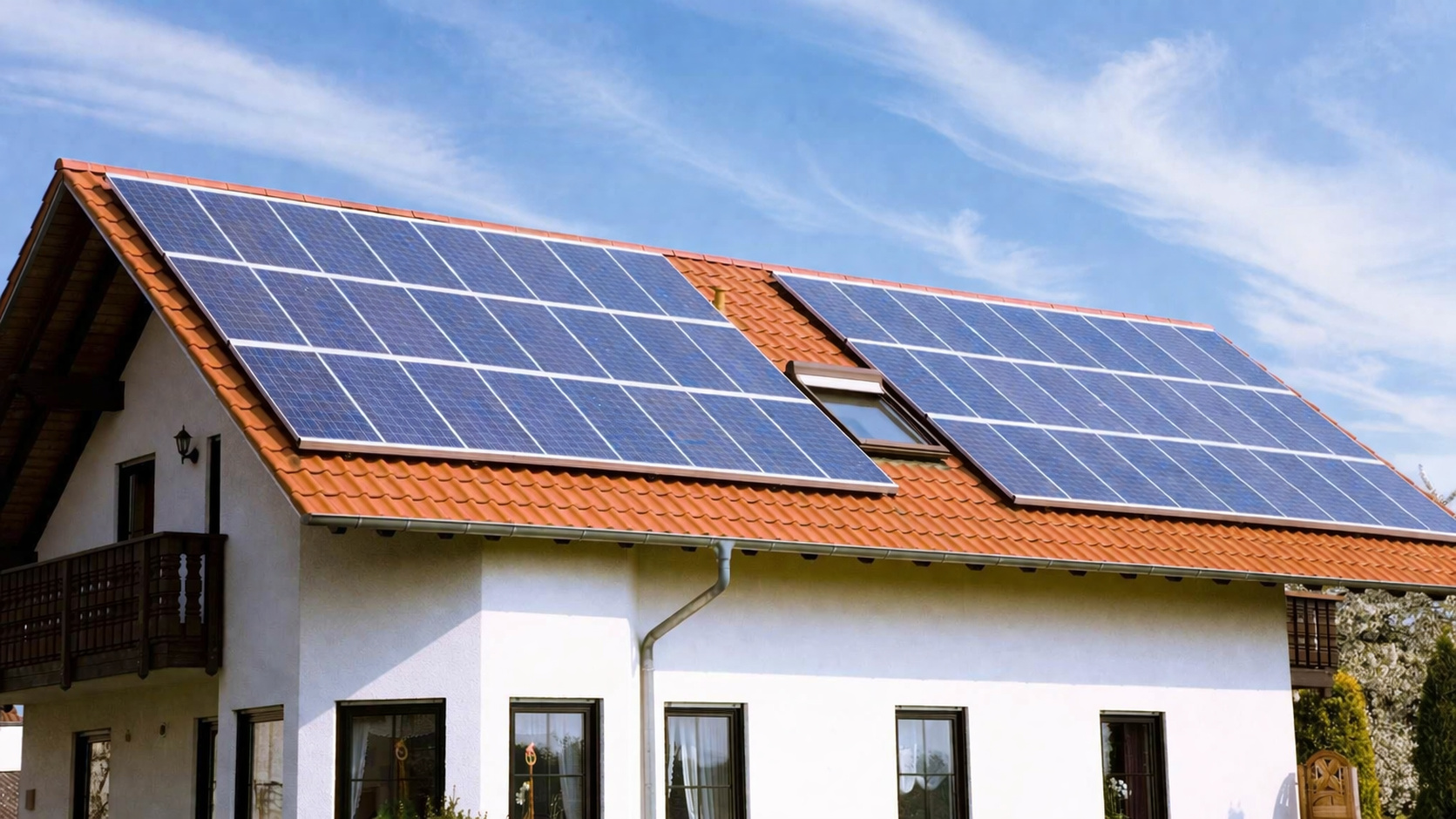
Research indicates that Brazilians support clean energy and wish to advance in the energy transition, but reject paying more on their electricity bill, showing a direct conflict between cost and sustainability.


This advancement creates a demand for technicians, engineers, and specialists at different qualification levels. The sector presents a high absorption rate of labor, including for professionals at the beginning of their careers or in professional transition. Additionally, the low automation of these positions ensures stability and long-term prospects.
Another relevant factor is the decentralization of projects, which brings qualified jobs to regions outside major urban centers, promoting regional development and reducing inequalities.
Solar Energy Boosts Opportunities and Salaries Above Average
Solar energy is currently the main driver of job creation in the Brazilian electricity sector. The expansion of distributed generation in homes, businesses, industries, and rural properties requires qualified professionals to design, install, and maintain photovoltaic systems.
According to consolidated data from the sector, Brazil ranks third in the world in jobs related to solar energy, a reflection of the rapid growth of installed capacity in recent years. This scenario results in attractive salaries, especially for technical professionals with updated certifications.
Moreover, the speed of training and high demand make the segment accessible for those seeking professional repositioning in the short term, without giving up good income prospects.
Clean Energy Professions on the Rise in Brazil
Among the careers that are growing the most in the renewable energy sector, some stand out due to constant demand and potential for professional evolution.
The wind energy technician works directly in the operation and maintenance of turbines, performing preventive inspections, mechanical corrections, and electrical adjustments. With the expansion of wind farms in the Northeast and the advancement of offshore projects along the Brazilian coast, this role gains strategic importance.
The solar system installer is responsible for assembling and connecting photovoltaic panels, inverters, and mounting structures. He operates mainly in distributed generation projects, serving homes, businesses, and small industries.
Meanwhile, the renewable energy engineer works on planning and the feasibility of large-scale projects, integrating technologies, assessing environmental impacts, and ensuring safe connection to the national electrical grid. These are professions that combine high demand, stability, and good salaries.

Differences Between Wind Technician, Solar Installer, and Renewable Engineer
Although all operate in the field of renewable energy, the responsibilities and requirements of each role are distinct.
The wind energy technician has technical training and mandatory certifications, such as NR-35, working practically at heights and with a strong focus on operational safety. His work is essential for ensuring the efficiency of wind farms.
The solar installer has specific technical training in photovoltaic systems. His work is more dynamic and aimed at short-term projects, with high turnover of works and potential for recurring earnings.
The renewable engineer, on the other hand, has a higher education degree and works in planning, management, and integration of complex projects. It is the position with the highest average starting salary, as indicated by the survey presented by Monitor do Mercado.
Salaries in Clean Energy Professions and Growth Potential
Salaries in the clean energy professions are above the national average, especially in specialized technical roles. According to the data presented:
- Wind energy technicians start with values close to R$ 6,500.
- Solar installers start at around R$ 5,000.
- Renewable energy engineers reach about R$ 9,000 at the beginning of their careers.
With experience, additional certifications, and work in larger projects, these values tend to grow rapidly. Salaries progress rapidly, particularly in regions with a high concentration of renewable ventures.
How to Enter Clean and Renewable Energy Professions
For those who wish to enter the clean energy professions, the most efficient path begins with technical courses offered by recognized institutions, such as Senai. These programs typically have short durations and strong practical loads.
Mandatory certifications, such as NR-35 and NR-33, significantly increase employability. Internships in wind farms, solar integrator companies, or distributed generation projects accelerate entry into the market.
Subsequently, specializations and updating courses help keep the professional competitive in a sector characterized by constant innovation. Participating in industry fairs and events also strengthens networking and expands opportunities.


Renewable Energy Guarantees Opportunities in Different Regions of Brazil
The expansion of renewable energy occurs in a decentralized manner across the national territory. The Northeast leads in wind and solar projects, while the South and Southeast concentrate engineering, operation, and specialized service centers.
Projections by ANEEL indicate the continuous addition of gigawatts of installed capacity in the coming years, ensuring opportunities even in more challenging economic scenarios. This is a resilient, strategic sector aligned with global trends in sustainable development.
The Role of Clean Energy Professions in the Future of Work
Clean energy professions occupy a central position in the future of work in Brazil. In addition to contributing to the reduction of carbon emissions, they promote technical qualification, income generation, and regional development.
With Brazil established among the global leaders in green jobs, investing in training in this sector means professional security, stability, and long-term growth. The energy transition is already underway, and the job market is consistently keeping pace with this movement. Those who qualify now are likely to occupy the strategic positions of the new Brazilian energy matrix.









Seja o primeiro a reagir!