





 Portuguese
  English
  Spanish
  4 min of reading
  0 comments


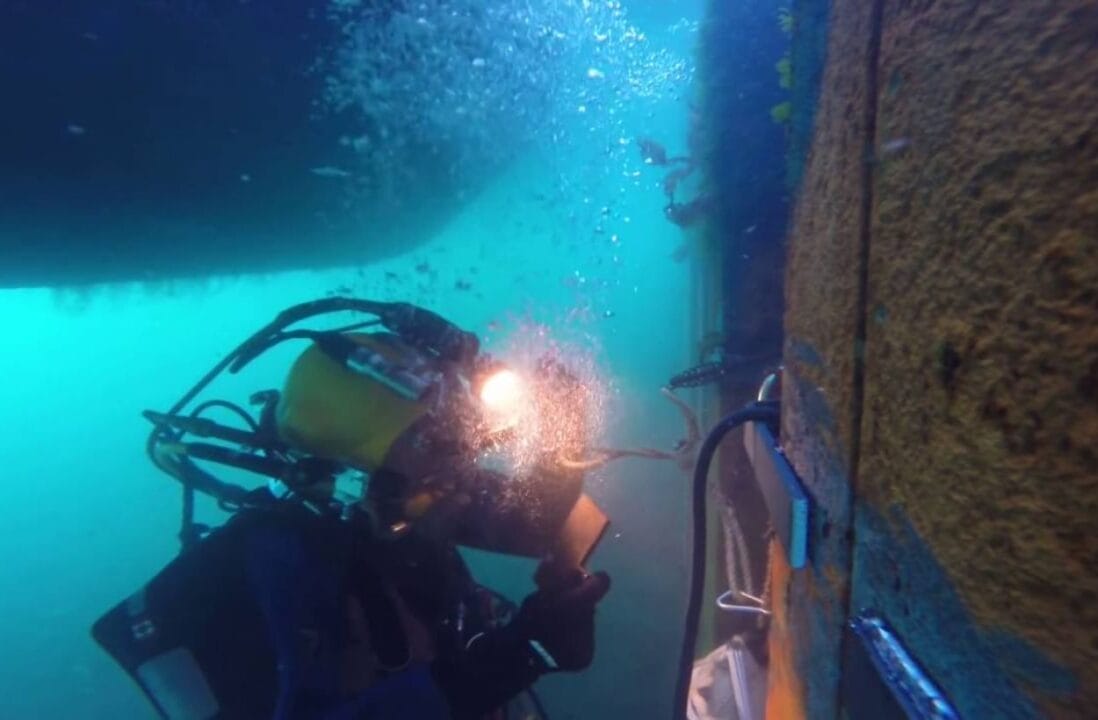
Underwater Welding, This Offshore Profession, Less Known to the General Public, Plays a Crucial Role in Maintaining Critical Structures, Ranging from Ship Hull Repairs to Oil Platform Infrastructures and Submarine Pipelines.
Underwater welding, one of the offshore professions that combines elements of diving with the technical precision of welding, emerges as one of the most challenging and dangerous careers in the maritime sector. This specialized niche, essential for the maintenance and repair of submerged structures such as oil platforms, ships, and submarine pipelines, demands a unique combination of welding and diving skills, attracting professionals who seek not only to push their limits but also to earn attractive salaries due to the high demand and associated risks.
Underwater welding, performed in an inherently wet environment and under the pressure of ocean depths, requires not only advanced technical skills but also exceptional courage and physical and psychological preparation. The underwater work environment presents unique risks, including the danger of electric shock, gas pocket explosions, and threats of hypothermia and decompression sickness. These risks necessitate that the underwater welder be equipped with specialized welding suits and tools designed to operate safely under these adverse conditions.
Rigorous Qualification and Training for Underwater Welding


To become a qualified underwater welder, candidates must possess certification in welding and commercial diving, a requirement of offshore professions. The intensive training covers advanced welding techniques and strict safety procedures, preparing them to obtain the necessary certifications before entering the field. This meticulous preparation aims to ensure that all welders can perform their work effectively, maintaining safety as the top priority.
-
Historic bankruptcy of Centauro shocks the market, and the century-old company puts more than 500,000 products, machines, and complete infrastructure up for online auction.

-
New shoe factory in Ceará is expected to create 400 jobs and strengthen the local economy.

-
No one imagined it, but a mixture of sawdust with a mineral that fights fires surprises scientists with a result that changes the course of fire-resistant construction.

-
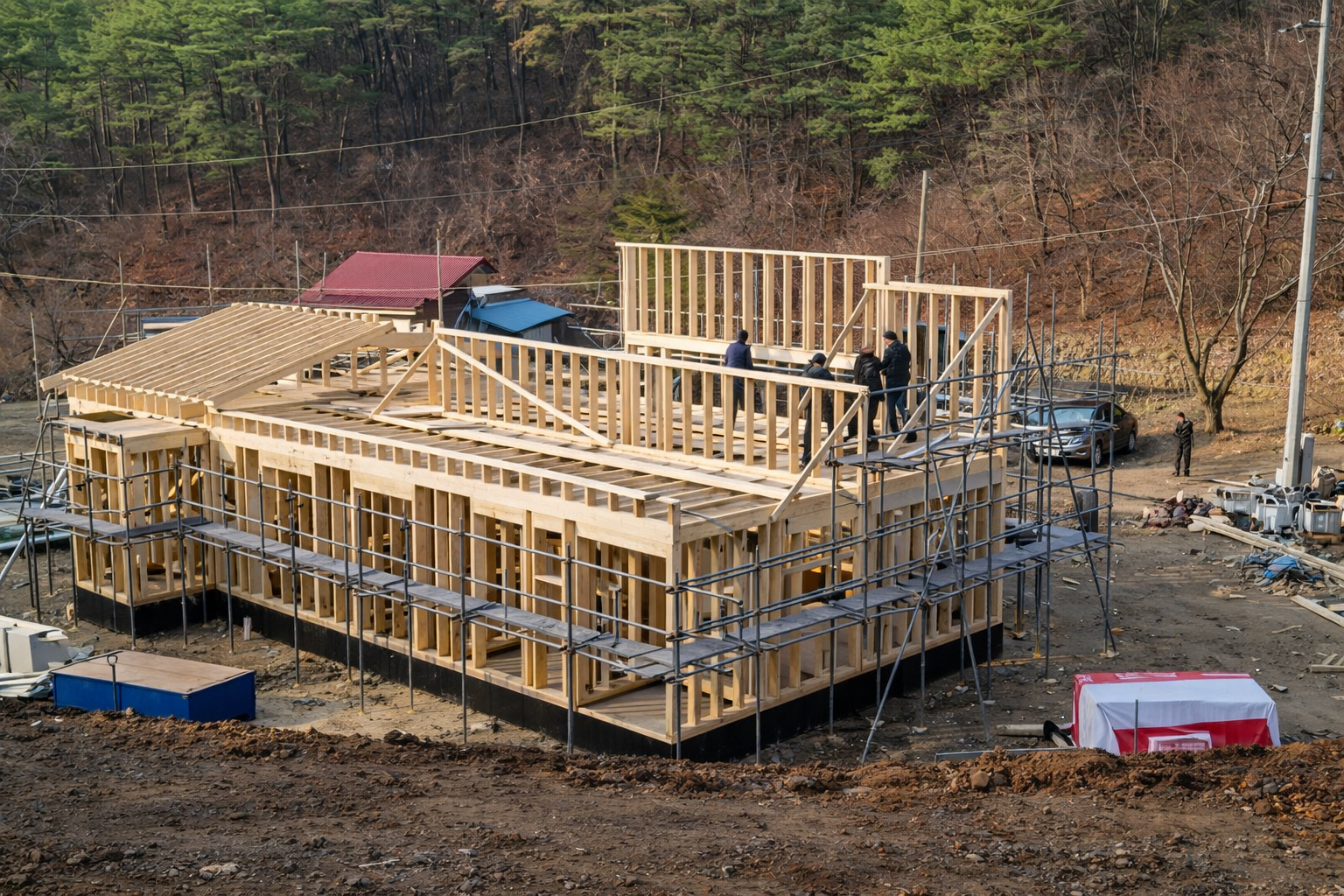
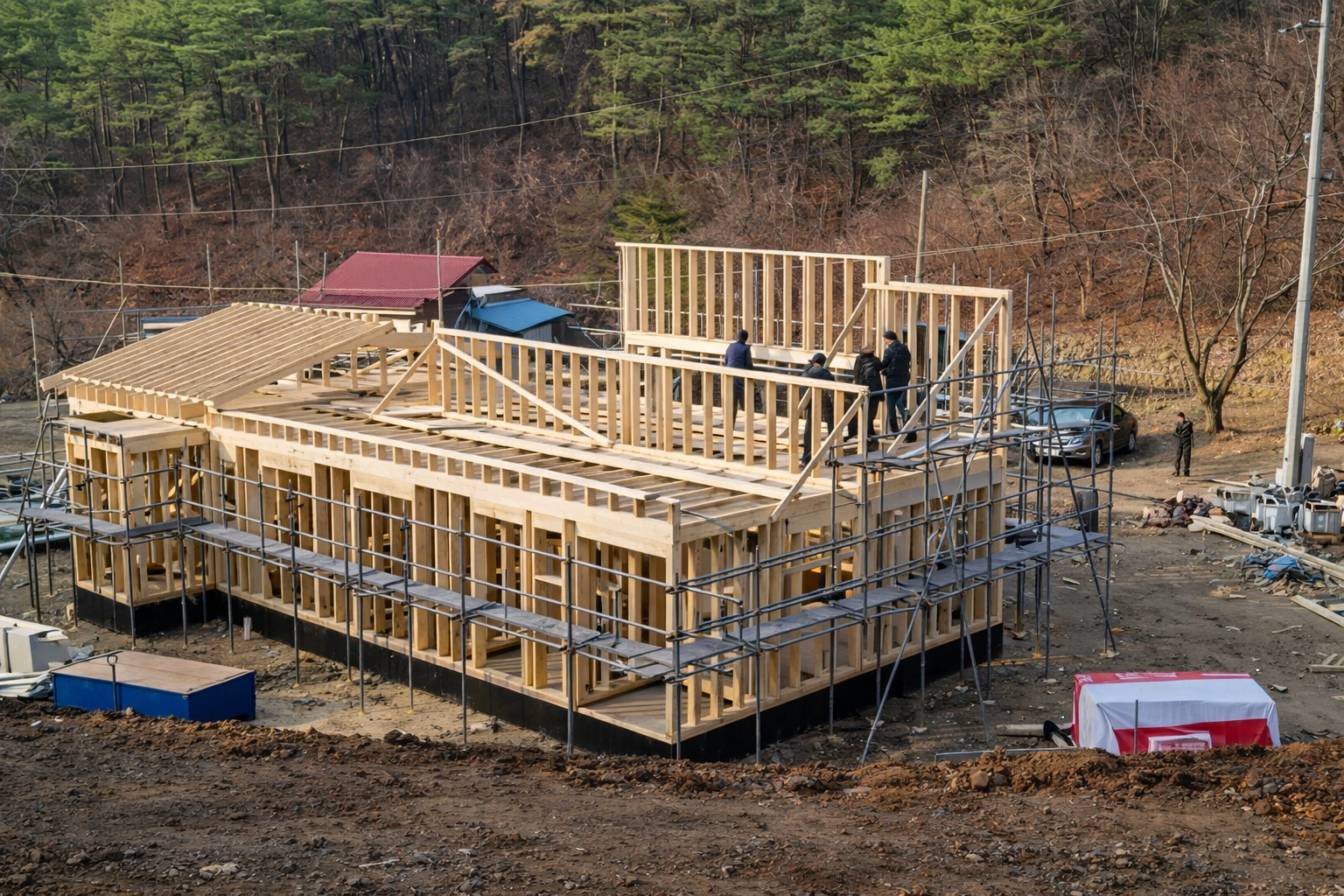
From empty land to a high-end house, wooden construction uses a lightweight system, metal structure for the foundation, ventilated ceramic cladding, and special windows to create an efficient and comfortable living space throughout the year.



Despite the inherent dangers, the career of an underwater welder is extremely rewarding. The constant demand for these professionals across various sectors offers global job opportunities, along with the promise of significantly high salaries. And of course, the unique nature of the work provides a sense of achievement and adventure, attracting individuals who seek a career outside the ordinary.
Innovations for Greater Safety for Offshore Professions
The ongoing quest for greater safety in this field has led to the development of techniques such as hyperbaric welding, performed inside submerged dry chambers, which offers a more controlled and safe environment for underwater welding. Thus, the use of isolated equipment and rigorous testing before use are standard practices aimed at minimizing the risk of accidents.
Underwater welding represents a delicate balance between danger and reward, offering qualified professionals the chance to explore the ocean depths while playing a critical role in maintaining global maritime infrastructure. With the right training and an unwavering commitment to safety, this offshore profession continues to be one of the most fascinating and lucrative in the world.
Some Offshore Professions and Their Indicative Monthly Salaries Include:
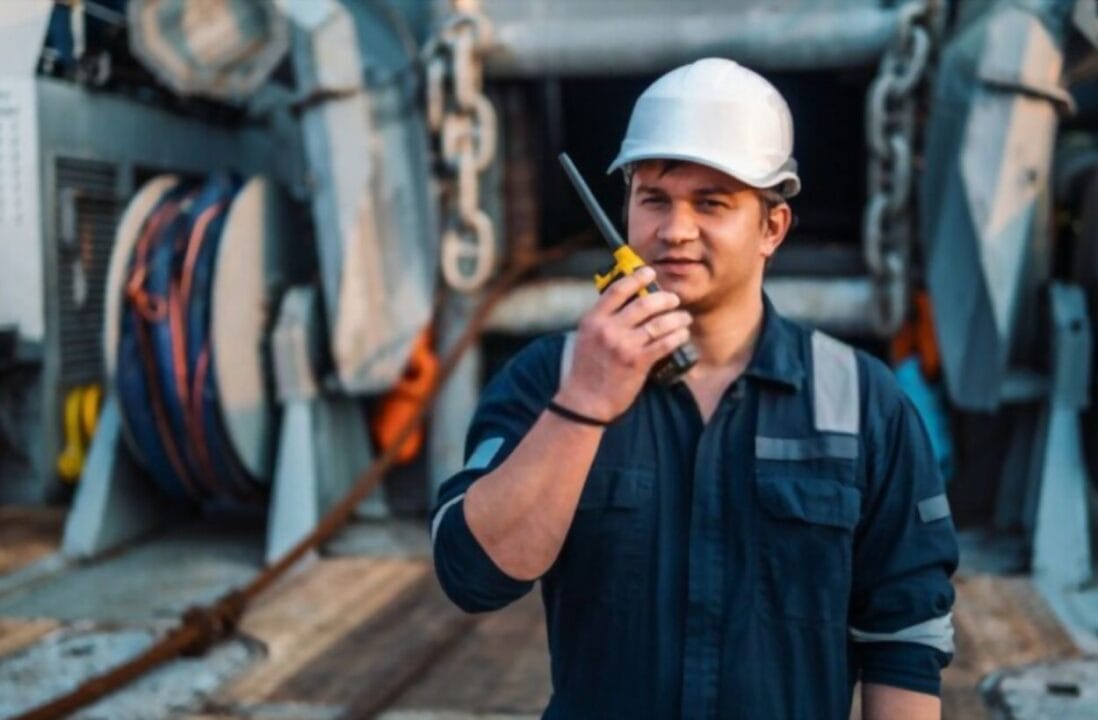
The offshore sector, known for its rigorous demands and challenging environments, is a fertile field for professionals seeking not only to push physical and mental limits but also to gain substantial financial rewards. Professions range from oil platform operations managers to specialized divers, such as underwater welders, each with its own range of responsibilities, risks, and, of course, salary compensations.
Salaries in the offshore sector reflect the complexity, specialization required, and inherent risks of working in extreme environments. In 2024, these are some of the indicative monthly salaries for offshore professions in Brazil:
- Platform Operations Manager: up to R$ 40,000, responsible for overseeing all operations on an oil or gas platform.
- Safety Technician: up to R$ 15,000, crucial for ensuring that all operations comply with safety standards.
- Navigation Officer: up to R$ 12,000, essential for the safe navigation and operation of support vessels.
- Chief Engineer: up to R$ 20,000, leading engineering teams in complex projects and maintenance.
- Diver: up to R$ 20,000, specialized in underwater inspection, repair, and maintenance.
- Petroleum Engineer: up to R$ 30,000, focused on the exploration, drilling, and production of oil and gas.
In addition to financial compensation, working offshore requires specific qualifications, including technical or higher education related to the desired position, proficiency in English due to the international nature of operations, and often relevant prior experience. Certifications such as the Basic Safety Course on Platforms (CBSP) and Helicopter Underwater Escape Training (HUET) are essential to ensure safety and effectiveness in maritime operations.
Renowned companies such as Petrobras, Shell, Chevron, and Total, operating in the offshore sector, are constantly seeking qualified professionals to join their teams. The demand for these careers, combined with the challenges and rewards they offer, creates a horizon of opportunities for those willing to embark on this demanding yet rewarding journey.








-

Uma pessoa reagiu a isso.