





 Portuguese
  English
  Spanish
 5 min of reading
  0 comments


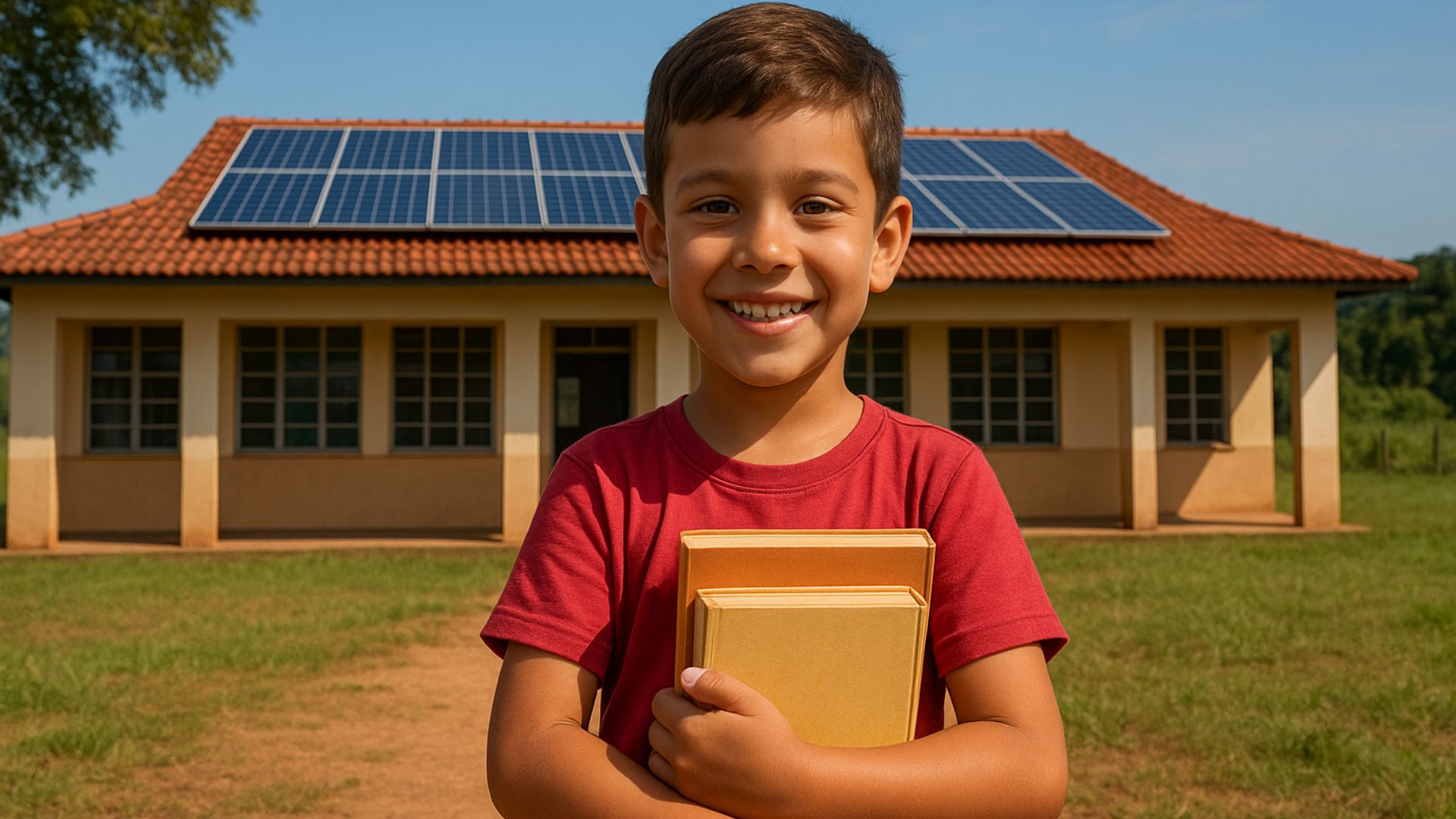
EACE Launches New Phase of the Learn Connected Program to Boost Access to Solar Energy and Internet in Rural Schools, Strengthening Digital Inclusion and Sustainable Education in Brazil
Digital inclusion in Brazilian public schools received a decisive boost with the announcement made by the Ministry of Communications and the EACE (Entity Managing School Connectivity), according to a report published by the A Notícia do Ceará website this Thursday (13).
The Learn Connected Program opened this November the selection for suppliers who will install solar energy, broadband, and Wi-Fi network infrastructure in rural schools that are hard to reach, promoting a revolution in national basic education.
EACE Seeks R$ 1.3 Billion to Connect 16,000 Schools
According to EACE, public education in Brazil is undergoing a significant transformation driven by digital inclusion. The initiative aims to guarantee equality of opportunities for students in regions historically excluded from access to technology.
-
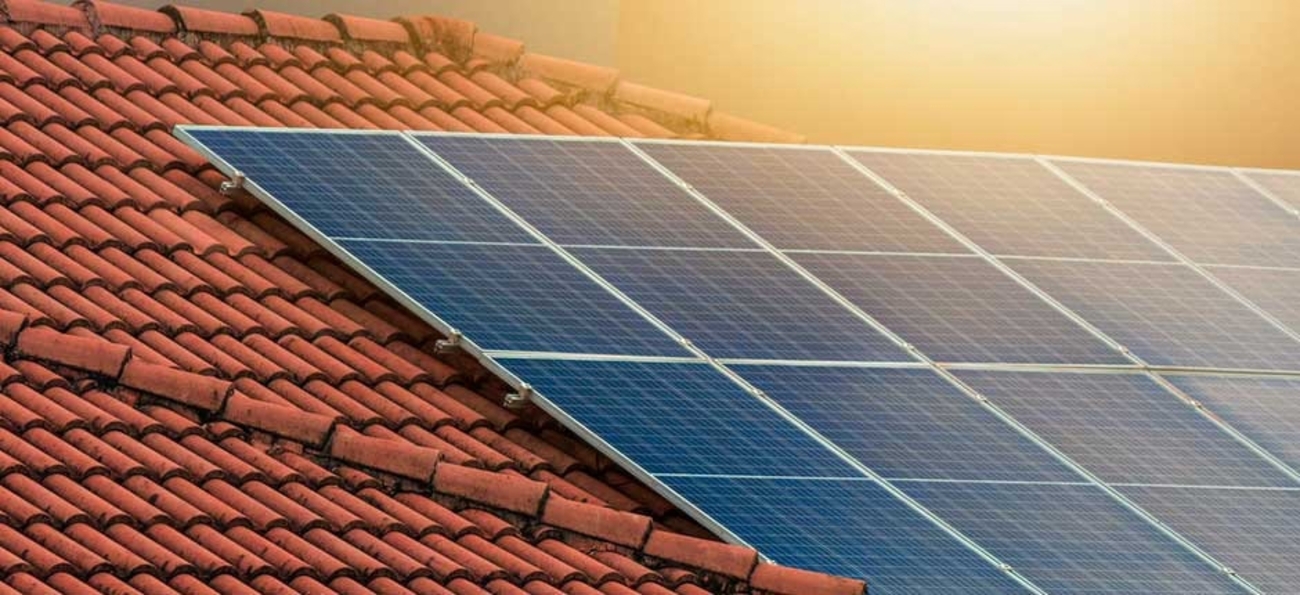
Roraima bets on the sun to escape high tariffs: Amid the energy crisis and price hikes, solar energy is growing in Roraima and transforming consumption in the North region.
-
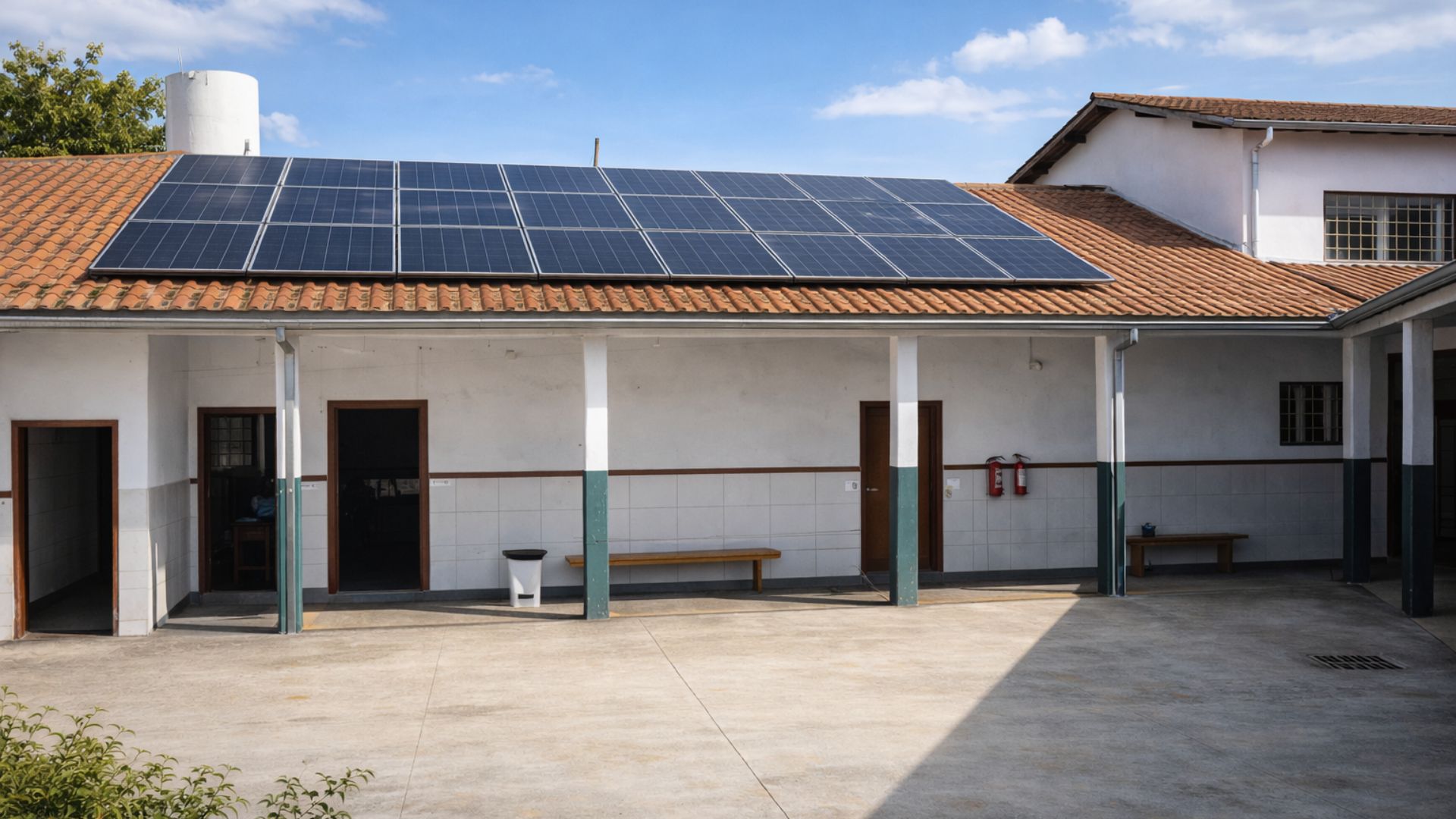
Copel boosts solar energy in Paraná and brings innovation to public schools, promoting savings on electricity bills, energy efficiency, and a direct impact on the quality of education.
-
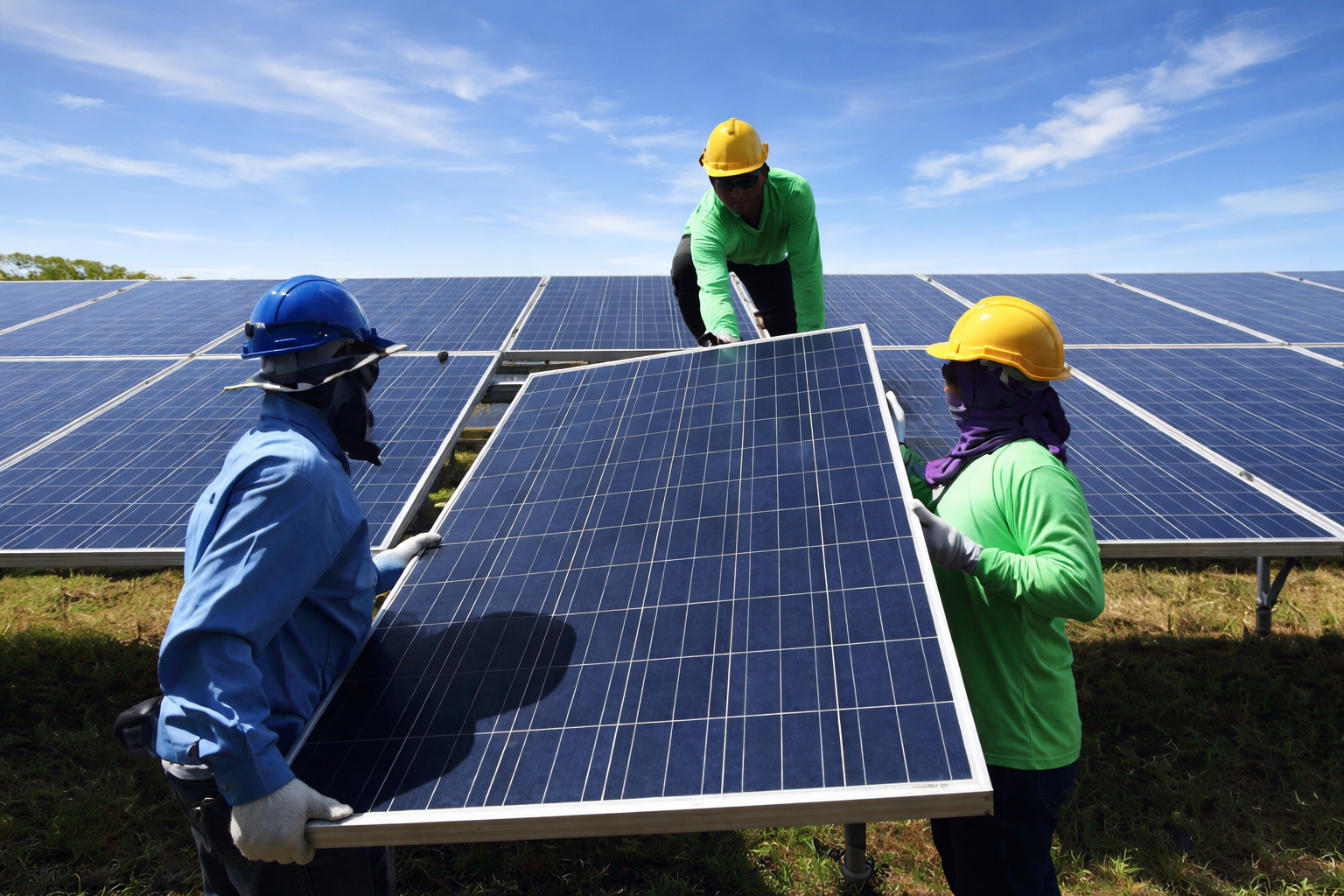
Brazil reaches historic milestone in solar energy: Sector surpasses 2 million accumulated green jobs and generates billions in the national economy even under market pressure.
-
Minas Gerais takes the lead in renewable energy: State surpasses historic mark of 14 GW in solar energy generation in MG and consolidates dominance in the Brazilian electric sector.
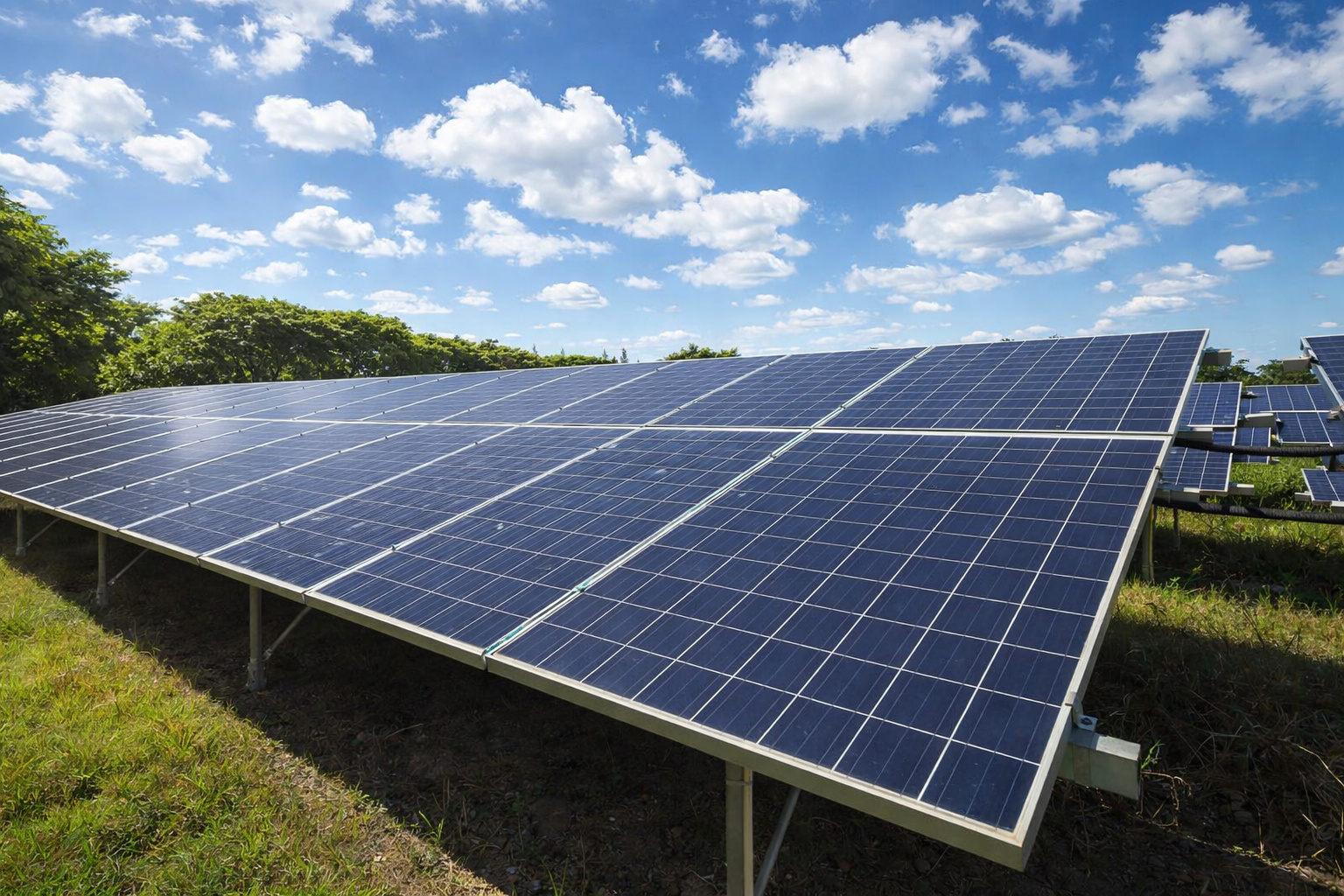

The project, which is part of the National Strategy for Connected Schools (Enec), provides for the application of R$ 1.3 billion in technological infrastructure. The goal is to connect 16,300 public schools in rural, indigenous, quilombola, and peripheral areas, spread across all Brazilian states.
According to data released by EACE, by November 2025, the program had already implemented connectivity in 11,282 schools. In addition, 1,419 solar generators were already in operation, ensuring energy autonomy for institutions without access to conventional electrical networks.
Learn Connected Program: Pillars of Educational Transformation
The Learn Connected Program is run by EACE and supervised by the School Connectivity Cost Monitoring Group (GAPE). Its main pillars include:
- High-Speed Connectivity: installation of broadband in public schools.
- Wi-Fi Network Infrastructure: comprehensive coverage of school environments.
- Solar Energy Systems: sustainable electricity supply to ensure continuous operation of equipment.
- Technical Training: support for managers and teachers in using technology.
Launched in 2022, the program aims to connect 40,000 schools by 2026, prioritizing those located in rural, indigenous, quilombola, and peripheral communities. With technology, learning becomes more inclusive, dynamic, and connected to the world.
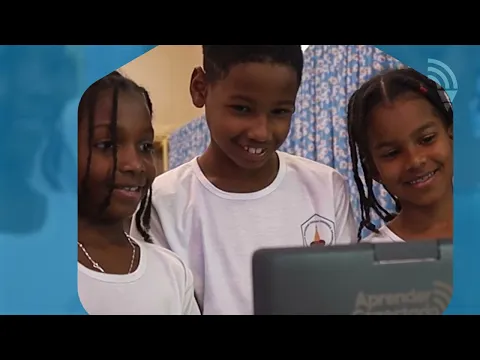

Rural Schools at the Center of EACE’s Strategy
The priority of the selection is to serve rural schools and hard-to-reach communities, where the lack of basic infrastructure compromises learning. Bringing connectivity to these schools is to guarantee dignity and a future for thousands of children and young people.
The Northeast currently leads in the number of schools connected by the project. In recent months, 4,225 new units have been covered, directly benefiting 388,602 students. In the state of Ceará, there are 355 schools served, of which 294 are located in rural areas.
The national target is to reach 17,023 schools by 2026, with emphasis on the following states: Maranhão (5,509 schools planned), Bahia (4,222), Pernambuco (1,825), Ceará (1,425), Paraíba (1,221), Piauí (1,124), Alagoas (623), Rio Grande do Norte (555), and Sergipe (520). Moreover, the initiative contributes to reducing regional inequalities, promoting digital and social inclusion in historically marginalized territories.
Solar Energy: Sustainability and Autonomy for Public Schools
The adoption of solar energy as the main source of electricity is one of the project’s differentiators. In addition to reducing operational costs, the technology ensures energy autonomy for schools in areas without stable electrical networks.
The application of this technology in public schools represents an advance in sustainability and efficiency in educational services. Clean and renewable energy is an essential part of the educational transformation promoted by EACE.
Supplier Selection by EACE: Technical Criteria and National Coverage
The public call opened by EACE seeks specialized companies in:
- Installation of photovoltaic systems.
- High-speed internet connection.
- Implementation of school Wi-Fi networks.
The selection encompasses 10,551 educational units in 23 Brazilian states, including Acre, Alagoas, Amazonas, Bahia, Ceará, Espírito Santo, Maranhão, among others. Interested companies must submit technical and commercial proposals by the deadline stipulated in the public notice, available on EACE’s portal.
The proposals must be submitted by November 30, at 6 PM, via the Nimbi platform, which can be accessed directly through EACE’s website. The Request for Proposal (RFP) document, containing all detailed instructions about the selection process, is also available on the same portal.
The selection process will be conducted with strict criteria of quality, efficiency, and technical capacity, aiming to ensure the delivery of services with excellence and within the established deadlines.
Expected Impacts on Brazilian Basic Education
School connectivity has direct effects on the quality of education. Studies show that access to the internet improves student performance in reading, mathematics, and science.
Additionally, digitalization allows for:
- Access to remote learning platforms.
- Use of multimedia resources in the classroom.
- Continued training for teachers.
- More efficient school management.
With connectivity, the school becomes a more interactive, modern environment, prepared for the challenges of the 21st century. The initiative also strengthens student retention in school, reduces dropout rates, and expands the possibilities for personalized learning.
Learn Connected Program and Logistic Challenges
Despite the progress, the project faces challenges such as:
- Logistics of installation in remote areas.
- Maintenance of equipment.
- Training local professionals for technical support.
However, the partnership between the government, EACE, and suppliers promises to overcome these barriers with planning and innovation. The integrated action among federal entities and contracted companies will be essential for the initiative’s success.
Connected Education as a Driver of Social Development
The launch of the supplier selection by the Learn Connected Program marks a decisive step in democratizing access to technology in rural schools in Brazil. With robust investment, a focus on solar energy and quality connectivity, EACE’s initiative represents an effective and sustainable public policy model.
In the long run, the project is expected to contribute to the development of more prepared, critical, and digitally integrated citizens, promoting economic and social development in all regions of the country.








Seja o primeiro a reagir!