





 Português
  Inglês
  Espanhol
  4 min de leitura
  0 comentários



The Socio-Environmental Fund CAIXA Announces 88 Approved Projects in the Edital of the Productive Forests Program, Strengthening Regenerative Agriculture and Sustainable Development in Strategic Regions of the Legal Amazon
The Productive Forests Program reached an important milestone with the announcement on October 21st, of the 88 projects selected by the Socio-Environmental Fund CAIXA (FSA), according to a report published.
In partnership with the Ministry of Agrarian Development (MDA), the initiative is part of the Edital for Regenerative Agriculture and reaffirms the commitment to sustainable practices that restore soil and revitalize ecosystems.
The success of the public call, which exceeded expectations, reflects the growing engagement of institutions and communities interested in combining production and environmental preservation.
-
Alone, the producer applies 7,400 hectares with the T100 drone in an optimized structure, replaces the generator with a silent battery, and demonstrates how technology reduces costs, increases productivity, and even challenges the uniport in the field.

-
China banned the export of 22 tons of meat from Argentina.

-
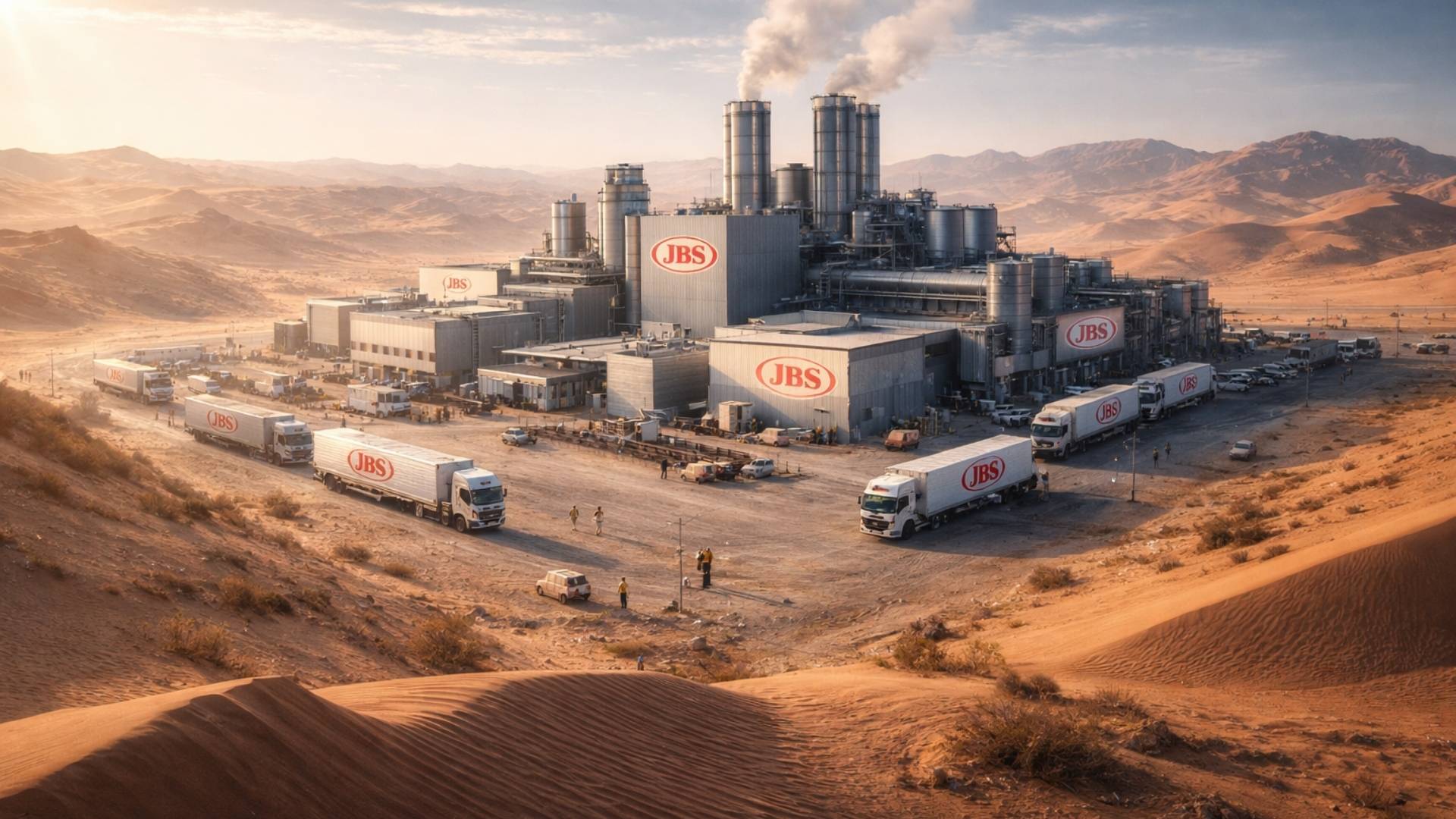
JBS, founded by the Batista brothers, continues to conquer the world: entrepreneurs built a ‘factory in the desert’ creating 3,000 jobs.
-
With only 1% of Brazil’s territory, Santa Catarina has built one of the most competitive industrial parks in the country, with 64,000 companies, nearly 1 million jobs, and a growth rate of 5.3% while the national industry is practically stagnant.


The new Bússola Social platform, used for registrations, was a differentiator that expanded the reach of the edital.
The strategy included live broadcasts, enhancing the participation of organizations from all over the country.
With the mobilization of the Productive Forests Program, CAIXA and MDA reinforce the role of the financial sector in supporting the transition to sustainable and inclusive production models.
Regenerative Agriculture and Green Economy in Ecosystem Restoration
Among the main objectives of the edital is the incentive for regenerative agriculture, which promotes a positive productive cycle.
Instead of depleting resources, this model restores soil, stimulates biodiversity, and increases the resilience of ecosystems.
Jean Benevides, acting vice president of Sustainability and Digital Citizenship at CAIXA, emphasizes that productive forests, integrated with this concept, provide long-lasting environmental and socioeconomic benefits.
According to Benevides, products such as certified wood, nuts, native fruits, and even ecotourism generate sufficient revenue to cover operational costs and improve the quality of life for communities.
In addition, these activities contribute to carbon sequestration and the conservation of water resources, reducing the impacts of climate change.
In total, the edital from the Socio-Environmental Fund CAIXA allocates R$ 50 million to finance projects for the recovery of degraded areas located in the so-called “Deforestation Arc,” which includes Acre, Maranhão, Mato Grosso, Pará, and Rondônia.
Each approved proposal may receive up to R$ 5 million, according to the technical criteria evaluated by experts from CAIXA and MDA.
Productive Forests and Economic Sustainability in the Legal Amazon
The advancement of productive forests represents a strategic alternative to reconcile environmental conservation with regional development.
These systems allow for income generation and jobs without opening new areas for deforestation.
The submitted projects requested a total amount of R$ 368,524,393.13, with an average of R$ 4,187,777.19 per proposal, demonstrating the sector’s significant interest in sustainable solutions.
Moisés Savian, secretary of Land Governance and Territorial and Socio-Environmental Development at MDA, highlighted that the partnership between the institutions represents a true alliance for the environment.
The planned actions aim to strengthen rural communities, agrarian reform settlements, and family farmers, priority public groups in the reforestation and regenerative agriculture policy.
The supported productive models include Agroforestry Systems (SAFs), which integrate trees and agricultural crops, Integrated Crop-Livestock-Forest (ILPF), and sustainable forest management.
All these methods aim to restore soils, preserve biodiversity, and make rural production more profitable and balanced.
Environmental Education, Income Generation, and Social Benefits Integrated into the Productive Forests Program
The impact of the Productive Forests Program goes beyond environmental restoration. It strengthens sustainable family agriculture, promotes food security, and stimulates the autonomy of local communities.
The introduction of species like açaí, cocoa, and cupuaçu in degraded areas combines economic value and biodiversity conservation.
Regenerative agriculture also favors the increase of organic matter in the soil, enhancing its ability to retain water and making the agricultural systems more resilient during drought periods.
This balance between productivity and environmental conservation strengthens essential ecosystem services, such as pollination, nutrient cycling, and watershed protection.
The social benefits are equally relevant. Income generation from socio-biodiversity products reduces inequalities and encourages sustainable practices among family farmers, indigenous communities, and extractivists.
The initiative contributes to a green and inclusive economy, aligned with global sustainability goals.
The final results of the supported projects will be announced during COP 30, which will take place in Belém do Pará in November.
The expectation is that each state covered will have at least one proposal financed by FSA, consolidating Brazil as an international reference in policies for regenerative agriculture and sustainable reforestation.
Technical Summary of the Edital for Regenerative Agriculture (FSA CAIXA and MDA)
- Submitted Projects: 88
- Total Amount Requested: R$ 368,524,393.13
- Average Amount Per Project: R$ 4,187,777.19
- Available Resources: R$ 50,000,000.00
- States Covered: Acre, Maranhão, Mato Grosso, Pará, and Rondônia
- Maximum Financing Per Project: R$ 5 million
- Final Disclosure Planned: COP 30 (November, Belém-PA)
The Productive Forests Program reaffirms the importance of the union between innovation, sustainability, and social inclusion.
By promoting regenerative practices and supporting local communities, the project strengthens low-carbon agriculture and contributes to building an environmentally balanced and economically viable future.









Seja o primeiro a reagir!